EN
EN


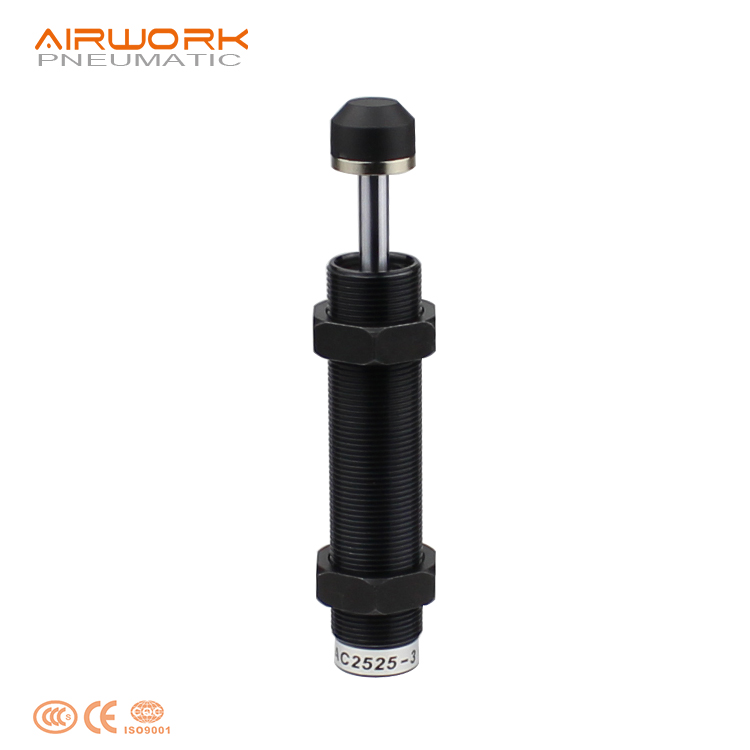
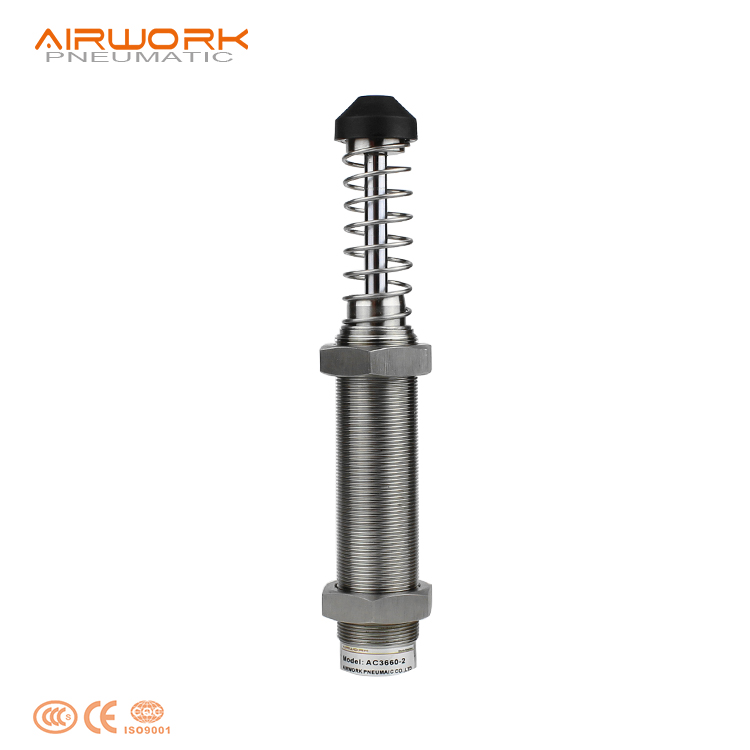
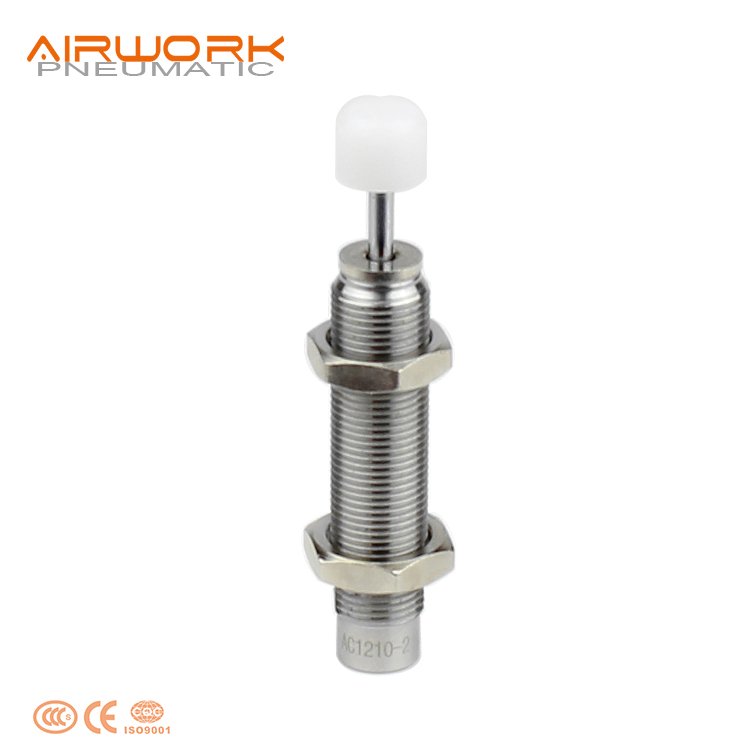
מאבסור הלם סדרת ACA ACJ
מאבקרים פניאומטיים הם רכיבי ספיגת אנרגיה מרכזיים במערכות פניאומטיות. הם משמשים להפחתת הפגיעה של חלקים נעים, כגון צילינדרים וזרועות רובוטיות, בסוף המרחק שלהם, לספיגת האנרגיה הקינטית, להפחתת רטט ורעש, להגנה על הציוד ולتمוך באורך חייו. רכיב תעשייתי/תחבורי שמפעיל את אפקט הדämpינג ההידראולי כדי לספוג את האנרגיה הקינטית של הפגיעה; כאשר הוא נתון לכוח חיצוני, מוט הפיסטון דוחף את הפיסטון, מה שגורם לשמירה על זרימת השמן ההידראולי באופן מבוקר דרך פתח הצמצום/מערכת השסתומים, תוך המרה של האנרגיה הקינטית לאנרגיית חום לצורך פיזור, ובכך מושגת замедление חלק ועצירה ללא קפיצות חוזרות; לאחר שהכוח החיצוני נעלם, הוא מתאזן מחדש על ידי הקפיץ/מיכל האוויר.
- סקירה כללית
- מוצרים מומלצים
תכונת מוצר:
1. замנעה ובלימת הלם מمتازות ויציבות; במקרה של השפעת עומס, התנגדות המאבסור מתאימה אוטומטית.
2. גוף חיצוני בעל מבנה משולב שעבר עיבוד QPQ, מה שנותן עמידות מיטבית בפני קורוזיה ובליית חיכוך, ומאפשר ספיגת לחצים גבוהים; קל להתקין ולהתאים את כל הגוף החיצוני עם רזון, אשר מספק פיזור חום טוב.
3. ציר נירוסטה בעל קשיחות גבוהה, מה שמביא לשיפור עמידות המאבסור בהלם ובקורוזיה, והוא פועל גם בתנאים קשים.
4. תהליך שמייה מיוחד מביא לבלימת הלם יציבה.
5. מבנה מרוכז ואנרגיה מקסימלית נספגת גבוהה.
6. אנו משתמשים בשמנים מיוחדים כאמצעי ספיגה, המתאימים לטווח רחב של טמפרטורות ומבטיחים ספיגה יציבה.
מפרט
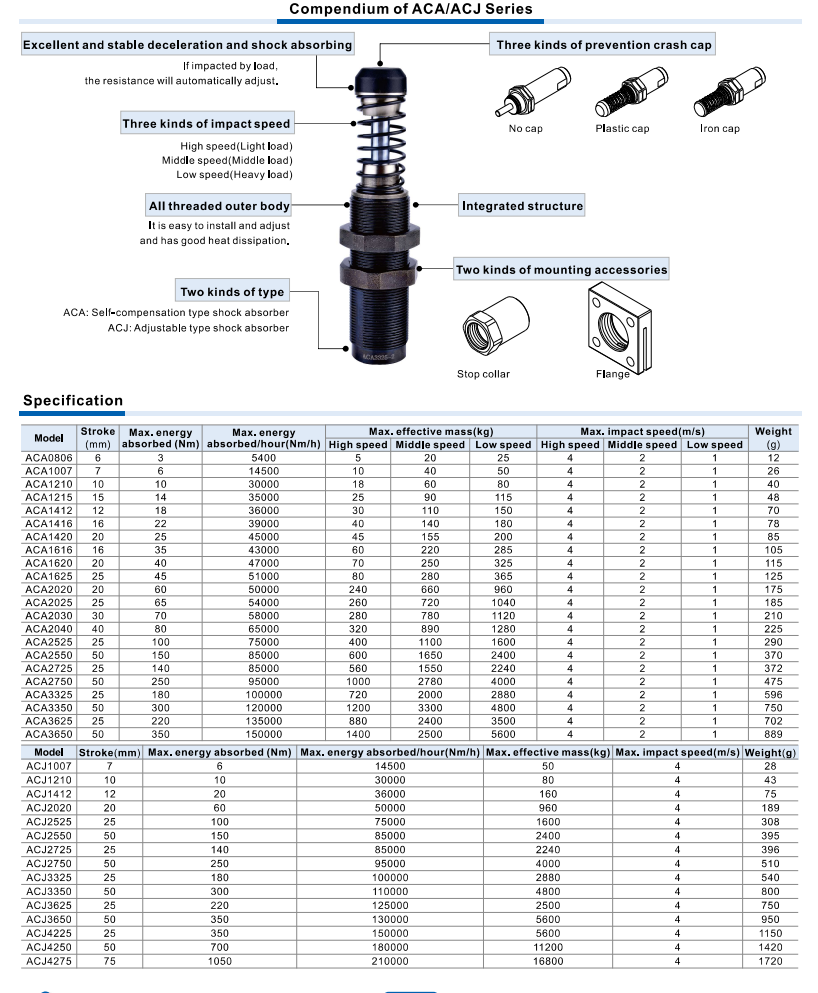
התקנה והפעלה
1. טווח הסקאלה של מנגני הבלימה הניתנים להתאמה הוא 0 עד 9 (8). ההגדרה במפעל היא במערכת 6 (4). 0 פירושו המרוכך ביותר, בעוד ש-9 פירושו הקשיח ביותר
2. בחירת מנגני בלימה נכונה יכולה להבטיח замור איטי חלק ותכונות יעילות לספיגת הלם;
3. אם מתרחשת התנודדות חוזרת בתחילת המהלך, זה מצביע על כך שהמשקל האפקטיבי גבוה מדי. במקרה זה, יש להחליף את סוג המנגנון עם תוספת עצמית בסוג מהיר (-1), ואילו הסוג הניתן להתאמה יש לכוון לכיוון רך יותר, כלומר קרוב יותר ל-0;
4. אם מתרחשת התנודדות חוזרת בסוף המהלך, זה מצביע על כך שהמשקל האפקטיבי נמוך מדי. במקרה זה, יש להחליף את סוג המנגנון עם תוספת עצמית בסוג איטי (-3), ואילו הסוג הניתן להתאמה יש לכוון לכיוון קשה יותר, כלומר קרוב יותר ל-9;
5. בתהליך העבודה יש להימנע ככל האפשר מטעינה צדדית. זווית האקסצנטריות חייבת להיות מבוקרת בתוך 3 ' ;
מנגני הבלימה חייבים להיות נעולים בבטחה;
6. טווח הטמפרטורות التشغילי הוא מ-5- עד 70° צלזיוס;
7. כדי להאריך את משך החיים הפעלי, יש לעצור את הפיסטון ב-1 מ"מ לפני הגעה לקצה. מומלץ להתקין בורג התאמה עם אפשרות למקם ולדייק את ההגדרה;
8. אם מותקנים שני בלמים או יותר באותו צד, יש לוודא שהם פועלים באופן סינכרוני;
9. אסורה צביעה, ריתוך או ניקוי בגוף ובמשטח המוט של הפיסטון בחומרים קורוזיביים;
10. בעת התקנת הבלם, המומנט המופעל על הבלם לא חייב לחרוג מהטווח שצוין ברשימה שלהלן, משום שחריגה עשויה לגרום לפגיעת הבלם;
11. אין להשאיר את מוט הפיסטון במצב דחוס לאורך זמן, מאחר שזה עלול להשפיע על משך חייו;
12. אין לשים נוזלים חיצוניים (מים, שמן) על מוט הפיסטון, מאחר שזה עלול להשפיע על משך חייו;
תחזוקה וטיפול
נקודות תחזוקה יומיות
• בדקו באופן שגרתי את המראה החיצונית, החריצים והחיבורים, ונקהו באופן מיידי שמן ואבק.
• בתנאי פעילות בטמפרטורות גבוהות ותדירות גבוהה, לבדוק את רמת השמן כל 3–6 חודשים ולהשלים או להחליף לפי הצורך.
• לפני כיבוי לטווח ארוך, יש להחיל שמן נגדי חלודה ולסגור את שני הקצוות כדי למנוע הצטברות אבק.
2. מדריך מחזור ההחלפה
• תנאי הפעלה רגילים: 1–2 שנים או 1 מיליון מחזורי הפעלה מצטברים;
• תנאי הפעלה בתדירות גבוהה/תעבורה כבדה: 6–12 חודשים או 500,000 מחזורי הפעלה.
שאלה נפוצה
שאלה 1. מהן ההבדלים המרכזיים בין ACA ל-ACJ?
תשובה 1. ACJ הוא סוג סטנדרטי של פיצוי אוטומטי עם כוח דämpינג קבוע, ללא צורך בהתאמות ידניות. הוא מתאים לתנאי הפעלה יציבים ולמקרים שבהם אין צורך בהתאמות תכופות, וההתקנה שלו פשוטה יותר. ACJ הוא סוג מתואם אוטומטית שניתן להתאים, עם כפתור התאמה בסקלה 0–9 בחלק האחורי (0 הוא המרוכך ביותר, 9 הוא הקשיח ביותר). ערך ברירת המחדל במפעל הוא 6 או 4, אשר מסוגל להתאים באופן מדויק לתנאי הפעלה שונים בהתאם לעומס ומהירות.
שאלה 2. מה לעשות במקרה של 'חזרה לאחור'?
A2. • התנודתיות הראשונית במהלך המעבר: עומס כבד מדי/מהירות גבוהה מדי. לעבור למודל מהיר (סיומת 1) או להתאים את סקאלת ACJ לכיוון 0 (רך).
• התנודתיות בסוף המעבר: עומס קל מדי/מהירות נמוכה מדי. לעבור למודל איטי (סיומת 3) או להתאים את סקאלת ACJ לכיוון 9 (קשה).
שאלה 3. כיצד להשתמש באטם עיצוב המיקום?
תשובה 3. הוא משמש לעיצוב מיקום מדויק, ועוצר את מוט הפיסטון במרחק 1 מ"מ לפני הגעתו לתחתית. כאשר נעשה בו שימוש בשילוב עם ACJ/ACA, ניתן לשפר את דיוק העיצוב ולהאריך את תוחלת החיים.
שאלה 4. מה טווח הטמפרטורות הניתן ליישום?
תשובה 4. טווח סטנדרטי: 5-°C עד 70°C. מודלים חסרי חומר מיוחד יכולים להיות מורחבים לטווח של 10-°C עד 80°C. ליישומים בטמפרטורות גבוהות יש לבחור אטמים ולובריקנטים החסינים לטמפרטורות גבוהות.
שאלה 5. כיצד למנוע כשל בתנאי פעילות בתדר גבוה?
תשובה 5. • לחשב את האנרגיה המסופקת לשעה (אנרגיה למחזור × תדר) ולדאוג שלא תעלה על הגבולות שנקבעו.
• כאשר מחברים מספר בופרים במקביל, יש להבטיח פעילות מסונכרנת כדי לחלק את האנרגיה;
• לנקות באופן קבוע זרמים חיצוניים, לבדוק את מצב החתימות והנוזלים, ולהחליף חלקים משומשים באופן מיידי.
שאלה 6. תקלות נפוצות וסיבתיות?
תשובה 6. • דליפת שמן: חתימות מזדקנות, עומס יתר בעת ההתקנה, שמן מקולקל;
• כשל באיפוס: קפיץ קרוע, חפץ זר תקוע, מוט בוכנה כפוף;
• כשל בבופר: התאמת כוח ספיגה לא נכונה, עומס יתר, דליפת שמן.