צילינדר פנאומטי דו-משני
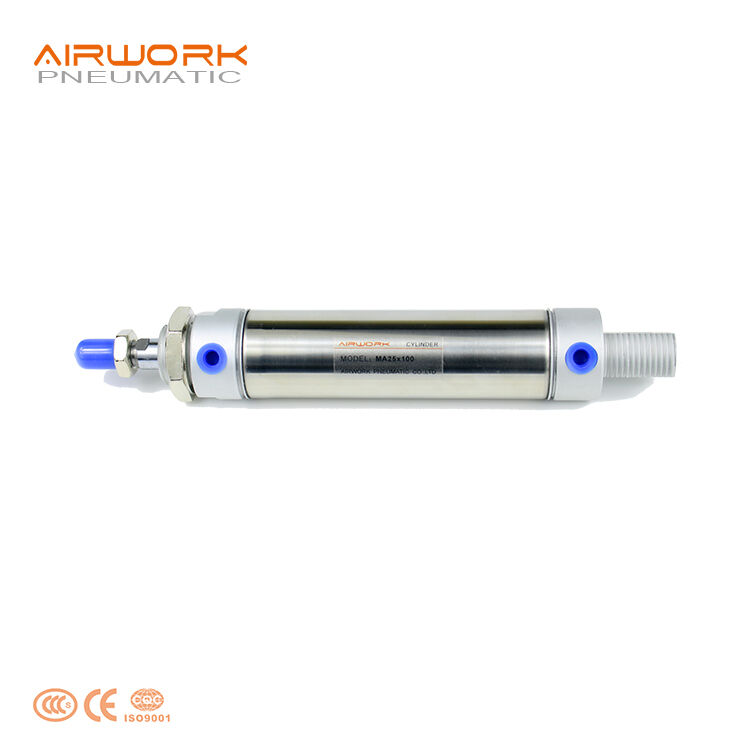
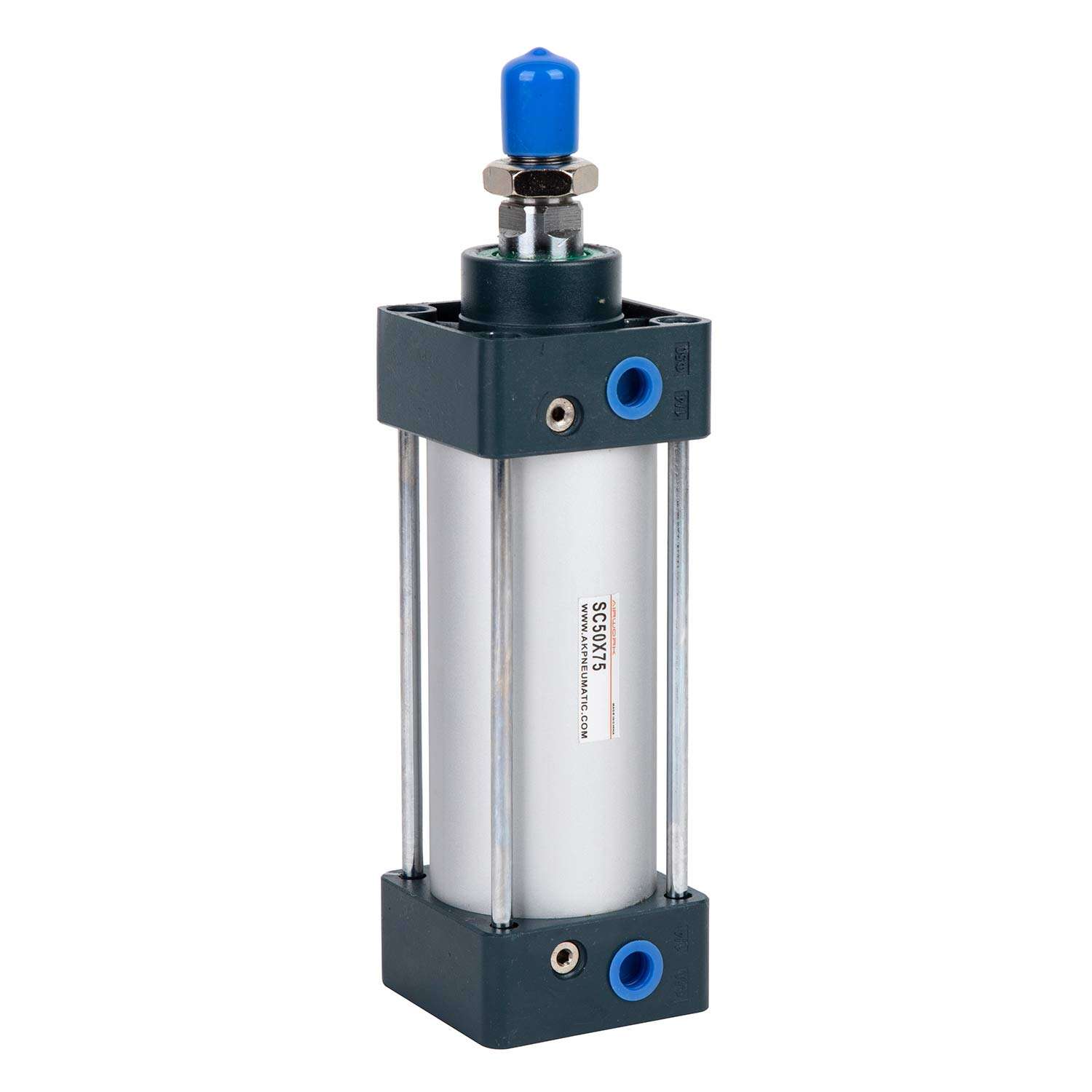
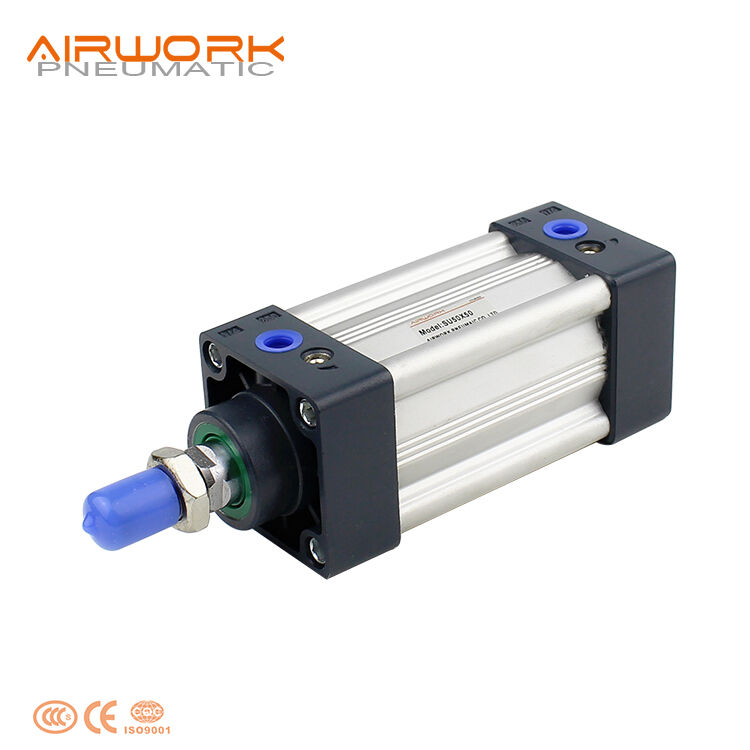
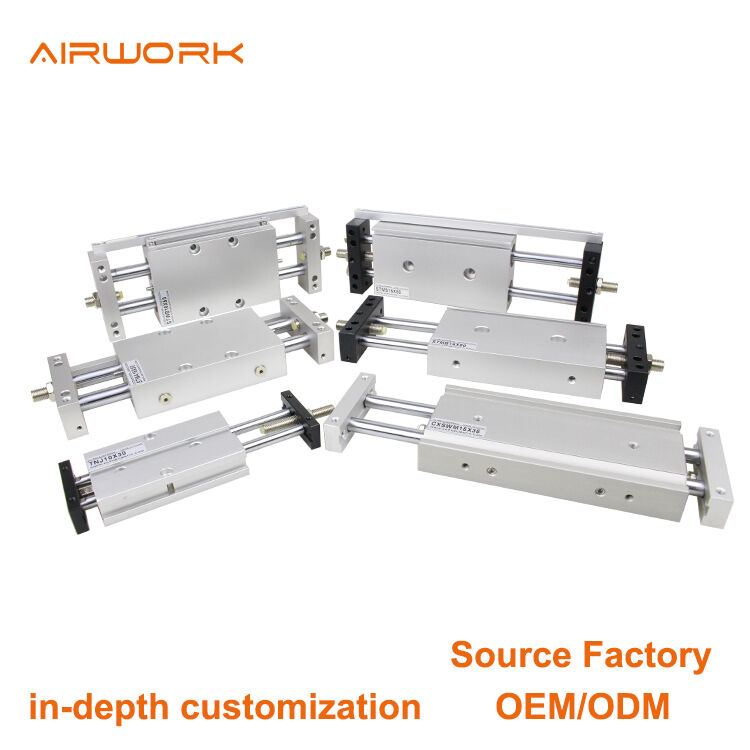
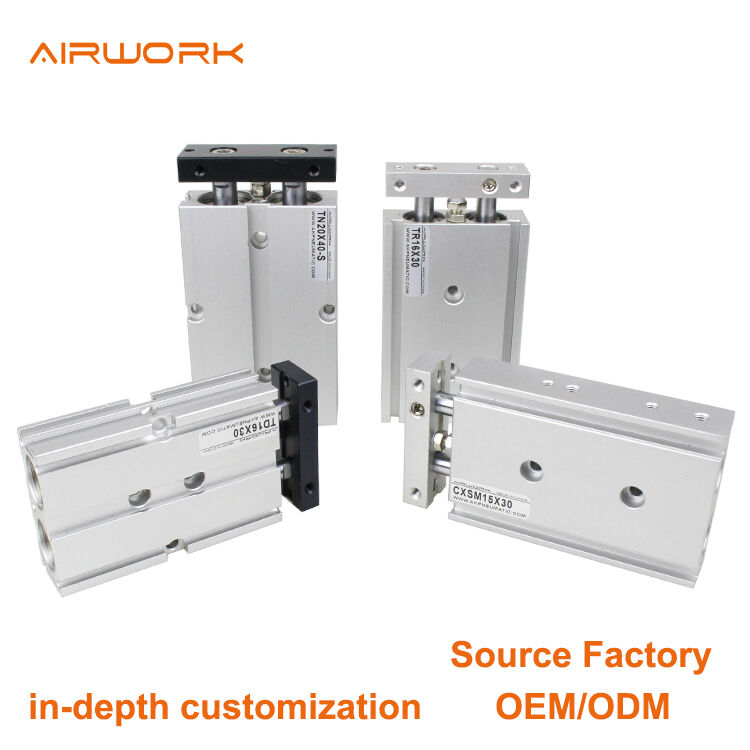
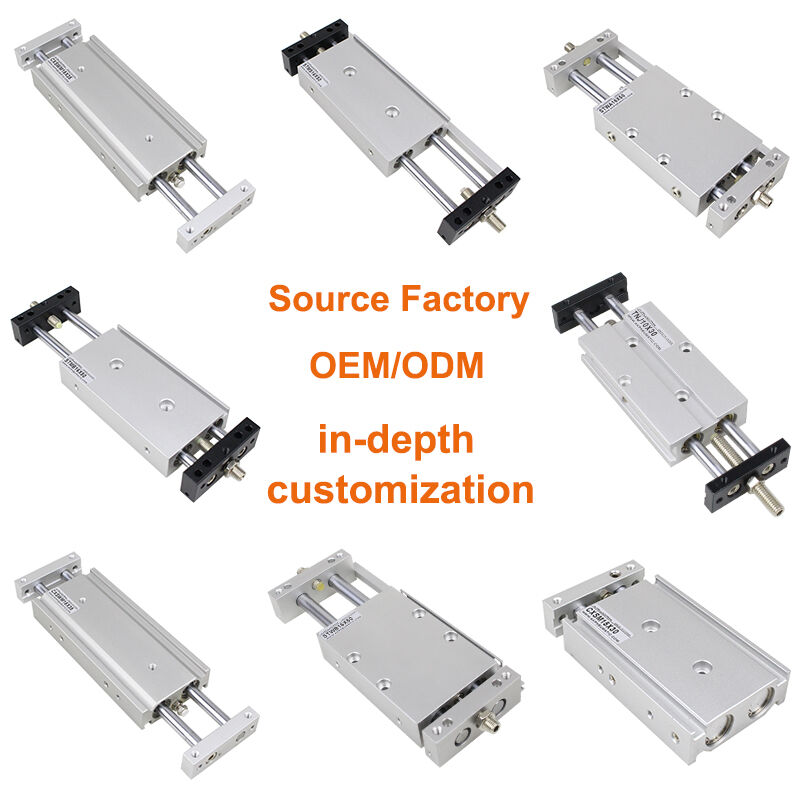
צילינדר פנאומטי דו-משיקף מייצג עיצוב מתקדם של מפעיל פנאומטי, שמתאפיין במשיקפים פיסטונים היוצאים משני קצות גוף הצילינדר. תצורה הנדסית זו מבדילה אותו מצילינדרים חד-משיקפים מסורתיים על ידי שיפור הביצועים המכניים והגמישות הפעולה. הצילינדר הפנאומטי הדו-משיקף פועל באמצעות אוויר דחוס כדי ליצור תנועה ליניארית, עם התכונה הייחודית של יציאה בכוח זהה הן בכיוון ההארכה והן בכיוון ההחזרה. הצילינדר מורכב מגוף צילינדר (ברל), אסמבלי פיסטון פנימי, שני משיקפי פיסטון, כיסויי קצה ופתחי אויר מוגנים לשליטה בכיוון. כאשר אוויר מופעל נכנס לאחד המפרקים, הוא מאלץ את הפיסטון לנוע, תוך הארכת משיקף אחד והחזרת המשיקף השני בו זמנית. תכנון זה מבטל את בעיית הכוח הדיפרנציאלי הנפוצה במערכות חד-משיקפיות, שבה שטחים אפקטיביים שונים של הפיסטון יוצרים כוחות לא שווים במהלך המהלכים הנגדיים. הארכיטקטורה הטכנולוגית כוללת רכיבים מוכנים במיקרומטריות מדויקות למערכת איטום מתקדמת לשמירה על שמירת הלחץ האופטימלית ומונעת דליפת אוויר פנימית. צילינדרים פנאומטיים דו-משיקפיים מודרניים מתוארים בחומרים עמידים לקורוזיה, מנגנוני ספיגת חבטות ניתנים להתאמה ותצורות הרכבה שונות כדי להתאים לדרישות התקנה מגוונות. צילינדרים אלו נמצאים בשימוש נרחב בקווי ייצור אוטומטיים, מכונות אריזה, מערכות טיפול בחומרים וציוד למיקום מדויק. תחומים כגון ייצור רכב, עיבוד מזון, ייצור פרמצבטי ותעשיית הסמי-קונדקטור תלויים במידה רבה בצילינדרים פנאומטיים דו-משיקפיים בתהליכי אוטומציה קריטיים. תצורת המשיקפים הסימטרית מאפשרת איזון מטען מדויק ומבטלת בעיות עומס צדדי שיכולות לגרום לשחיקה מוקדמת בעיצובי צילינדרים קונבנציונליים. בנוסף, הסידור הדו-משיקפי מקל על החיבור המכאני הישיר לרכיבים מניעים, משפר את תגובת המערכת ומקטין את הסיבוכיות המכנית במערכות אוטומטיות שבהן שליטה בתנועה דו-כיוונית חיונית לביצוע אופטימלי.

 EN
EN