pneumatic hand valve
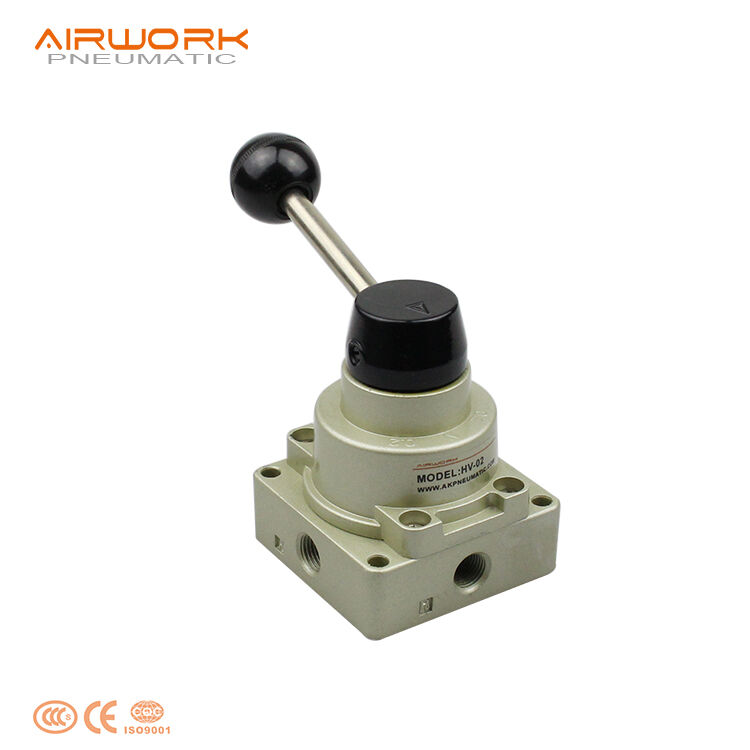
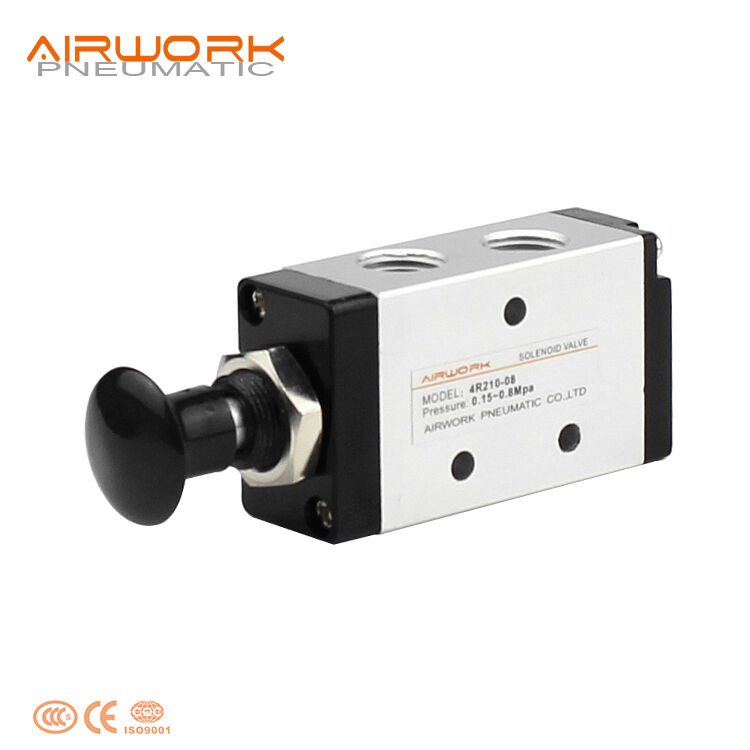
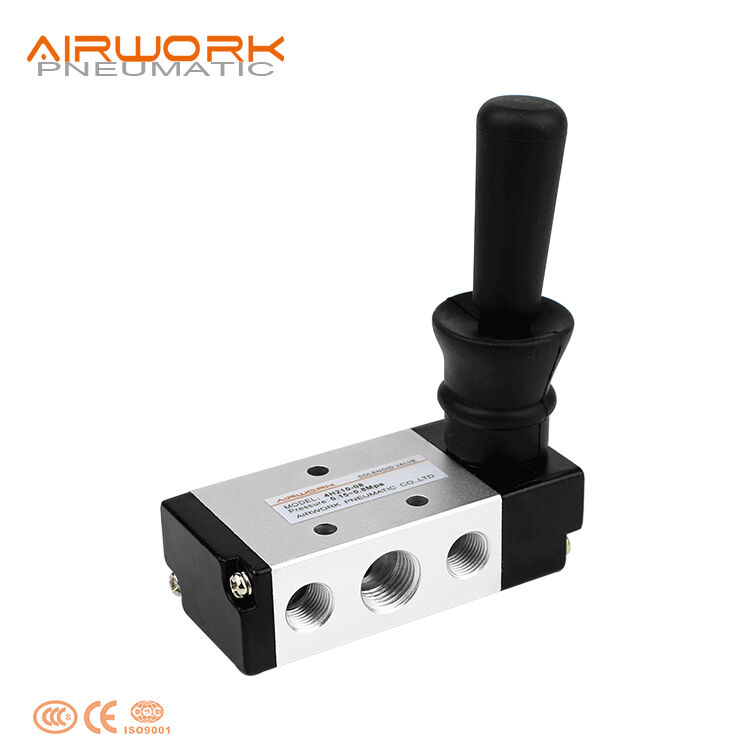
A pneumatic hand valve represents a critical control component in compressed air systems, designed to regulate airflow through manual operation. This essential device functions as a gateway between different sections of pneumatic circuits, allowing operators to start, stop, or redirect compressed air with precision. The pneumatic hand valve operates through direct manual actuation, where physical force applied to the valve mechanism controls the internal flow path. These valves typically feature robust construction materials such as brass, stainless steel, or engineered plastics to withstand operating pressures ranging from 150 to 250 PSI. The internal mechanism consists of a movable element, usually a ball, spool, or poppet, that creates or blocks flow passages when activated. Modern pneumatic hand valve designs incorporate advanced sealing technologies using O-rings, gaskets, and specialized compounds to prevent air leakage and maintain system efficiency. The valve body design accommodates various port configurations including 2-way, 3-way, and 4-way arrangements to suit different application requirements. Thread specifications commonly follow NPT, BSPT, or metric standards for universal compatibility with existing pneumatic infrastructure. Operating temperatures typically range from -10°C to 60°C, making these valves suitable for diverse environmental conditions. The pneumatic hand valve excels in applications requiring immediate manual control, emergency shutoffs, or system isolation procedures. Installation simplicity remains a key technological feature, as most units require only basic threading into the pneumatic line without complex mounting brackets or electrical connections. Response time proves instantaneous since manual actuation directly correlates with valve position changes. Flow coefficients vary based on valve size and internal geometry, with larger bore diameters providing higher flow rates for demanding applications. Quality pneumatic hand valve units undergo rigorous testing protocols including pressure cycling, temperature extremes, and endurance testing to ensure reliable long-term performance in industrial environments.

 EN
EN