pneumatic one way valve
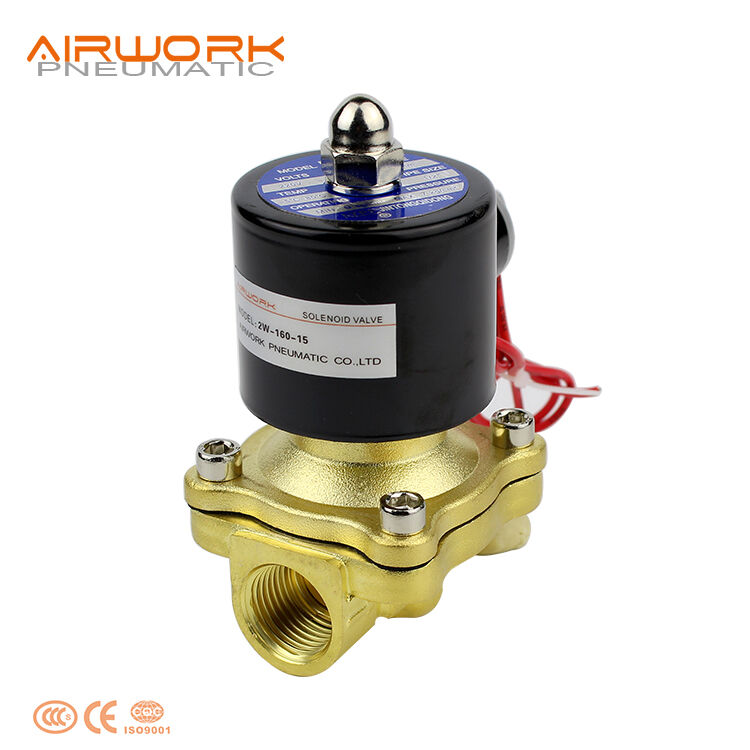
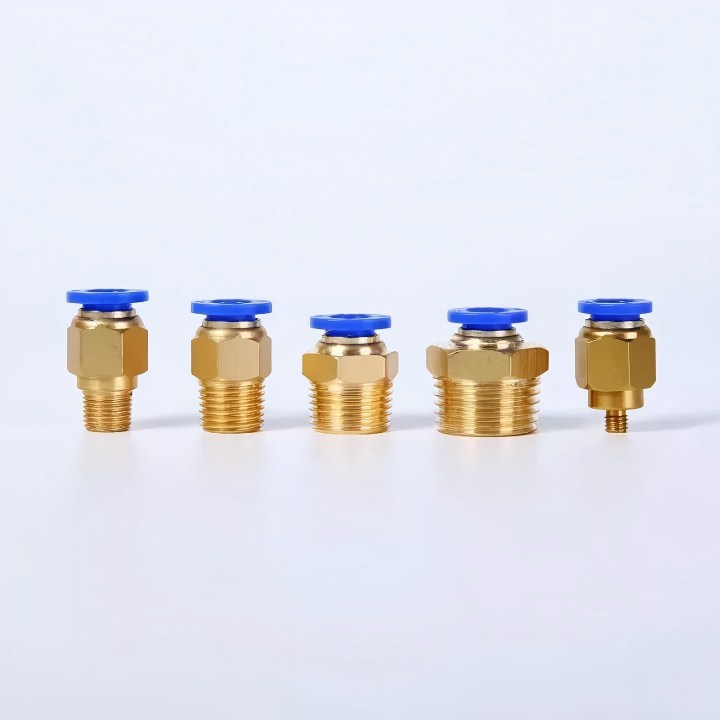
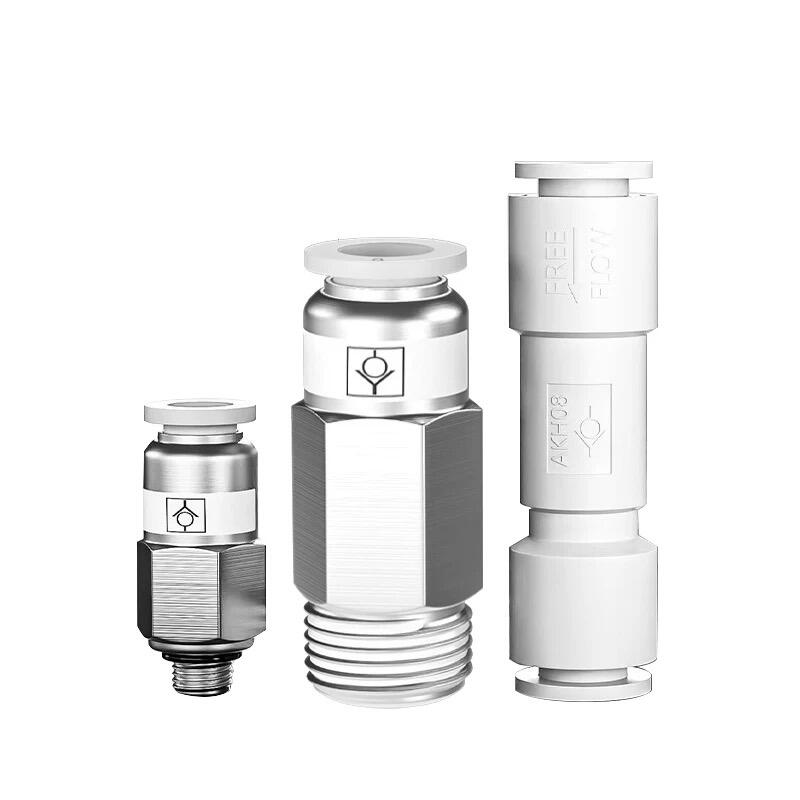
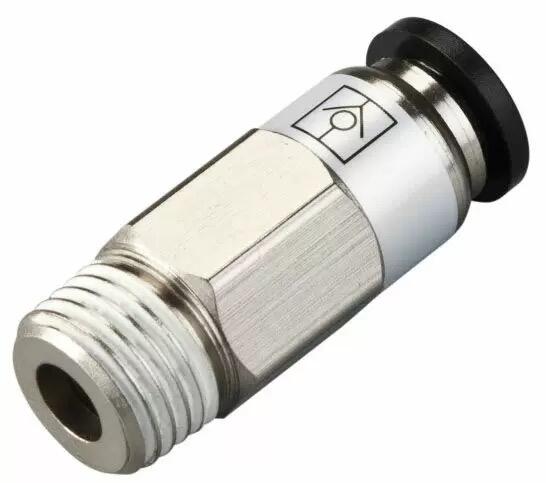
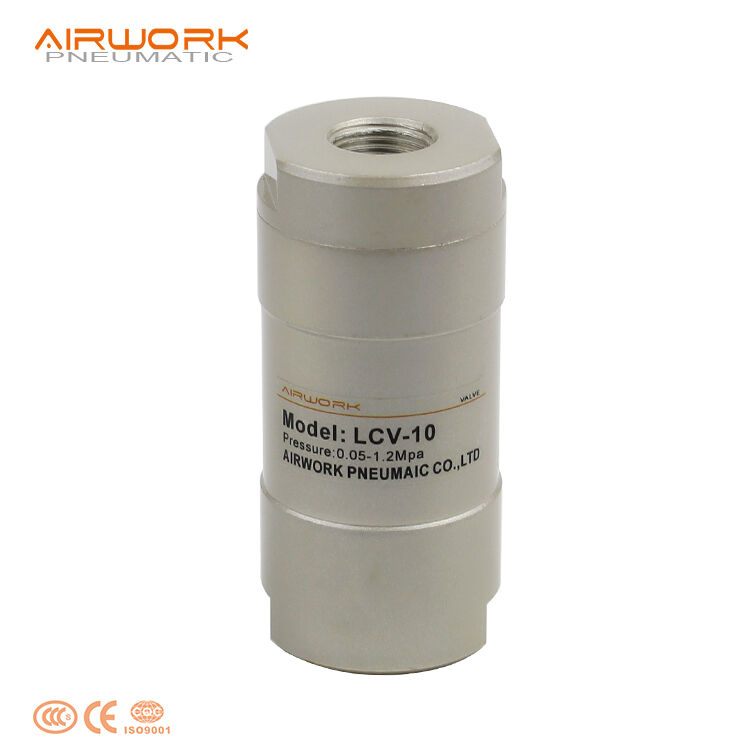
The pneumatic one way valve represents a fundamental component in compressed air systems, designed to control the directional flow of pressurized air while preventing backflow. This essential device operates on a simple yet effective principle, allowing air to pass through in one direction while automatically blocking reverse flow, ensuring system integrity and operational safety. The pneumatic one way valve consists of several key components including a valve body, spring-loaded check mechanism, and sealing elements that work together to provide reliable flow control. The valve body, typically manufactured from durable materials such as brass, stainless steel, or engineered plastics, houses the internal mechanisms and provides connection points for pneumatic lines. The spring-loaded check mechanism serves as the primary control element, utilizing spring tension to maintain a closed position when no forward pressure is applied, while opening smoothly when sufficient pressure is detected from the inlet side. Modern pneumatic one way valve designs incorporate advanced sealing technologies, including O-rings and specialized gaskets, to ensure leak-proof operation across various pressure ranges and environmental conditions. These valves find extensive applications across diverse industries, from manufacturing automation and robotics to medical equipment and automotive systems. In manufacturing environments, the pneumatic one way valve prevents pressure loss in complex pneumatic circuits, maintains system pressure during equipment shutdown, and protects sensitive components from pressure surges. The automotive industry relies on these valves for brake systems, suspension controls, and engine management applications where precise air flow control is critical. Medical applications benefit from the sterile, contamination-free operation that pneumatic one way valves provide in respiratory equipment, dental tools, and surgical instruments. The technological features of modern pneumatic one way valves include low cracking pressure for sensitive applications, high flow capacity for demanding systems, and compact designs that fit into space-constrained installations.

 EN
EN