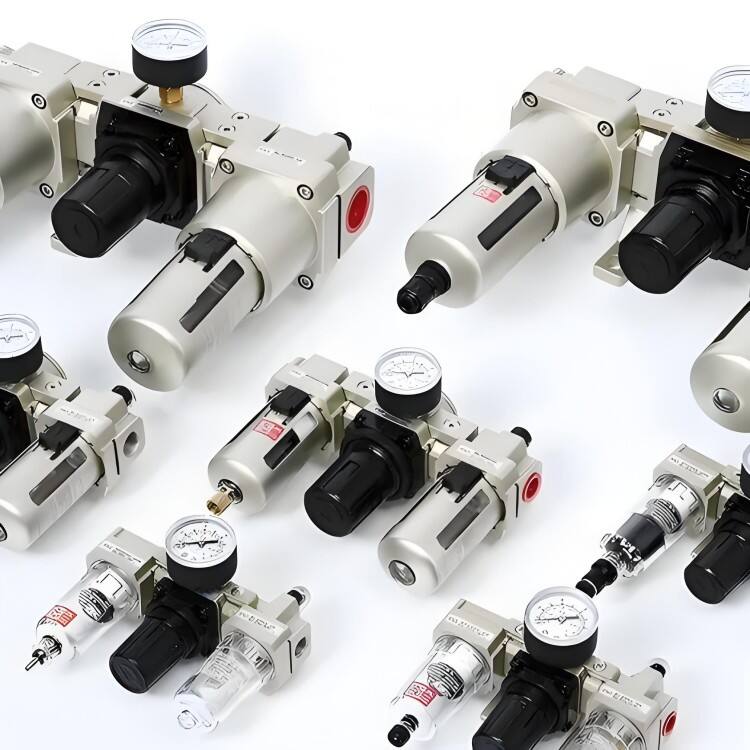
Pneumatic Regulator Valve: Precision Pressure Control Solutions for Industrial Applications

All Categories

pneumatic regulator valve

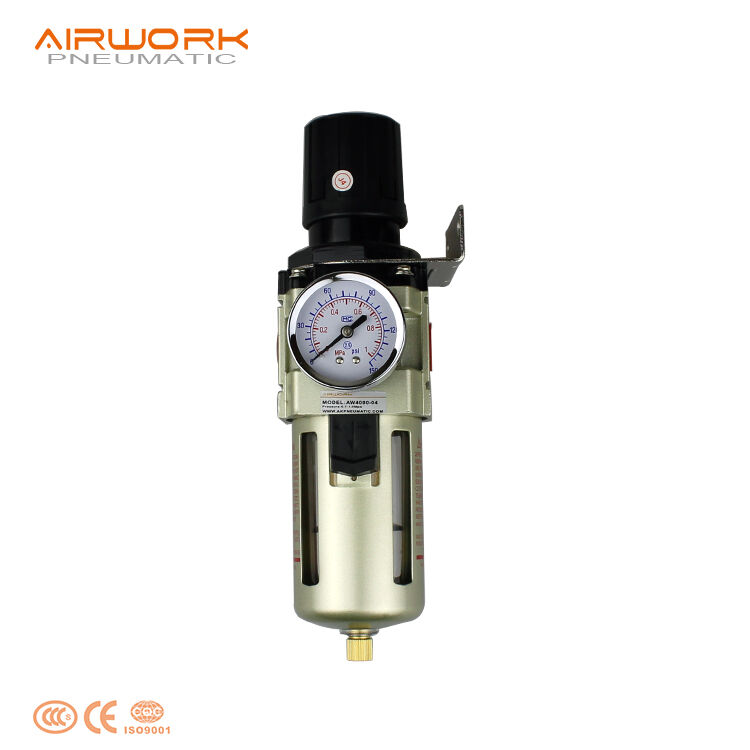
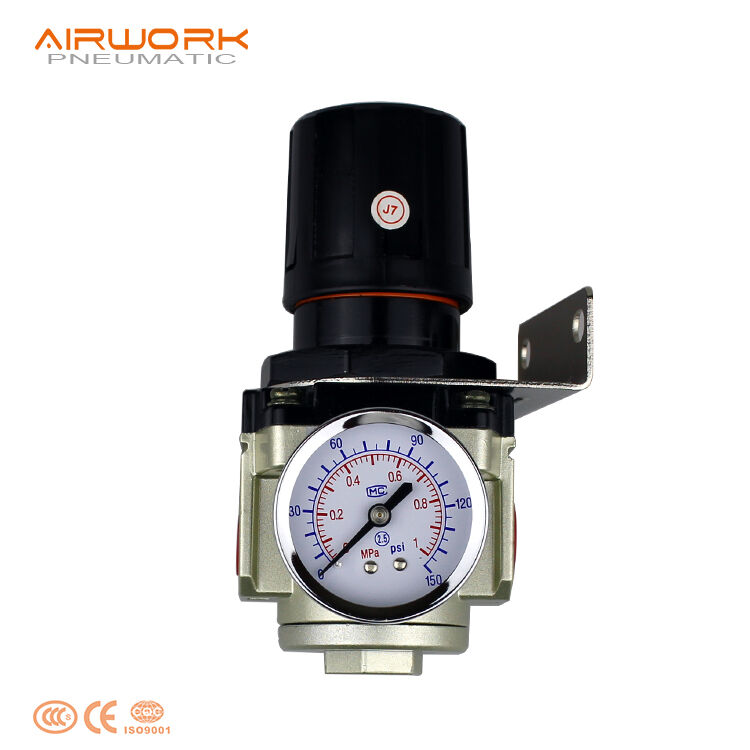
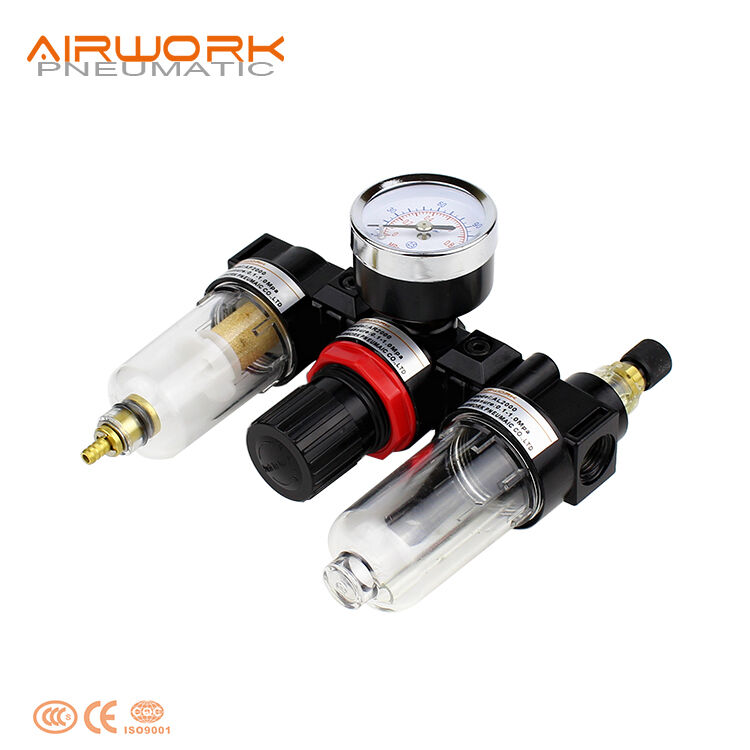
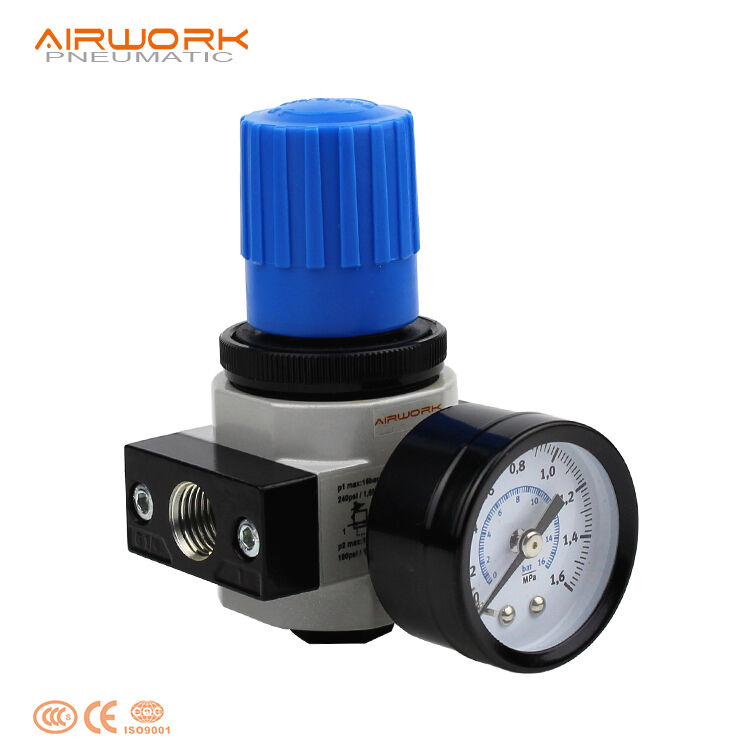
A pneumatic regulator valve represents a critical component in compressed air systems, designed to maintain consistent pressure levels throughout industrial operations. This sophisticated device functions by automatically adjusting downstream pressure regardless of variations in upstream supply pressure or flow demand. The pneumatic regulator valve operates through a diaphragm mechanism that responds to pressure changes, opening or closing an internal valve to regulate air flow accordingly. Its primary function involves reducing high inlet pressure to a lower, stable outlet pressure that meets specific application requirements. The technological features of modern pneumatic regulator valves include precision-engineered internal components such as balanced valve seats, responsive diaphragms, and adjustable spring mechanisms. These valves incorporate relief functions that prevent over-pressurization by venting excess air when downstream pressure exceeds set limits. Advanced models feature gauge ports for pressure monitoring, tamper-resistant adjustment knobs, and self-relieving capabilities that automatically reduce pressure when adjustment settings are lowered. The construction typically involves durable materials like brass, stainless steel, or aluminum bodies with elastomer seals designed for extended service life. Applications for pneumatic regulator valves span across manufacturing industries, including automotive assembly lines, packaging machinery, pharmaceutical equipment, food processing systems, and textile manufacturing. These devices prove essential in spray painting operations, where consistent pressure ensures uniform coating application. In pneumatic tool applications, the regulator valve maintains optimal operating pressure for impact wrenches, sanders, and air hammers. Medical equipment manufacturers rely on pneumatic regulator valves for ventilators and dental equipment where precise pressure control directly impacts patient safety. The versatility of pneumatic regulator valves makes them indispensable components in automated production lines, ensuring consistent performance across various pneumatic actuators, cylinders, and control systems that require different operating pressures from a single air supply source.

New Products

Pneumatic regulator valves deliver exceptional energy efficiency benefits that directly translate to reduced operational costs for businesses. By maintaining optimal pressure levels, these valves eliminate energy waste associated with over-pressurization, resulting in lower compressor run times and decreased electricity consumption. Companies typically experience significant cost savings within the first year of implementation through reduced energy bills and extended equipment lifespan. The precision control capabilities of pneumatic regulator valves ensure consistent product quality across manufacturing processes. This reliability eliminates costly production errors, reduces material waste, and minimizes rework expenses that can severely impact profit margins. The enhanced process stability provided by these valves leads to improved customer satisfaction and stronger market reputation. Installation and maintenance of pneumatic regulator valves require minimal technical expertise, making them accessible solutions for businesses of all sizes. The straightforward mounting process reduces installation costs, while the robust construction minimizes maintenance requirements and associated downtime. Most units feature easily replaceable internal components, allowing quick repairs without specialized tools or extensive training. Safety improvements represent another crucial advantage of pneumatic regulator valves in industrial environments. These devices prevent dangerous pressure spikes that could damage equipment or endanger personnel, creating safer working conditions and reducing liability concerns. The built-in relief functions automatically protect downstream components from over-pressurization, preventing costly equipment failures and potential safety incidents. Operational flexibility stands out as a key benefit, allowing users to adjust pressure settings quickly to accommodate different applications or processes. This adaptability eliminates the need for multiple air supply systems, simplifying equipment layouts and reducing capital expenditures. The ability to fine-tune pressure settings optimizes performance for specific tasks, improving productivity and process efficiency. Long-term reliability of pneumatic regulator valves provides predictable operational costs and reduces unexpected maintenance expenses. The durable construction withstands harsh industrial environments, extreme temperatures, and continuous operation cycles without performance degradation. This dependability ensures consistent production schedules and minimizes costly emergency repairs that can disrupt business operations and customer commitments.

Practical Tips

Pneumatic fittings used in water

25

Feb

Pneumatic fittings used in water

View More
Basic knowledge of pneumatic air cylinders

25

Feb

Basic knowledge of pneumatic air cylinders

View More
Air Source Treatment Unit:The

25

Feb

Air Source Treatment Unit:The "Guardians" and Core Components of Pneumatic Systems

View More

Get a Free Quote

Our representative will contact you soon.
Email
Name
Company Name
Message
0/1000

pneumatic regulator valve

Superior Pressure Control Accuracy

Superior Pressure Control Accuracy

The precision pressure control capability of pneumatic regulator valves represents a fundamental advantage that sets these devices apart from basic pressure reduction systems. Modern pneumatic regulator valves achieve pressure control accuracy within +/- 1% of set point under varying flow conditions, ensuring consistent performance regardless of demand fluctuations. This exceptional accuracy stems from sophisticated internal design featuring balanced valve mechanisms, precision-machined components, and responsive diaphragm assemblies that react instantaneously to pressure variations. The advanced engineering eliminates pressure droop commonly experienced with inferior regulation systems, maintaining steady downstream pressure even during peak demand periods. This superior control accuracy proves particularly valuable in critical applications such as automated assembly processes, where pressure variations can cause defective products, rejected parts, and costly production delays. Manufacturing operations benefit from reduced scrap rates, improved process repeatability, and enhanced product quality consistency. The pneumatic regulator valve achieves this performance through its self-compensating design that automatically adjusts internal valve positioning to counteract supply pressure fluctuations or downstream demand changes. Quality control departments appreciate the reliable performance these valves provide, as consistent pressure eliminates a major variable that could affect product specifications. Laboratory testing and calibration procedures become more reliable when pneumatic regulator valves maintain precise pressure levels throughout extended operation periods. The economic impact of this accuracy extends beyond immediate production benefits, encompassing reduced warranty claims, improved customer satisfaction, and enhanced brand reputation in competitive markets. Companies implementing high-precision pneumatic regulator valves often discover that the initial investment pays for itself through improved process control, reduced waste materials, and decreased quality control overhead costs.
Exceptional Durability and Longevity

Exceptional Durability and Longevity

The robust construction and exceptional longevity of pneumatic regulator valves provide substantial long-term value that significantly outweighs initial investment costs. These valves feature premium materials including corrosion-resistant brass bodies, stainless steel internal components, and high-performance elastomer seals designed to withstand millions of operating cycles without degradation. The engineering excellence extends to precision-machined valve seats that maintain tight sealing integrity throughout extended service periods, preventing internal leakage that could compromise pressure regulation accuracy. Industrial-grade pneumatic regulator valves typically operate reliably for 5-10 years under normal conditions, with many units exceeding manufacturer specifications through proper maintenance practices. The durability advantage becomes particularly evident in harsh environments where temperature extremes, moisture, contamination, and continuous operation challenge equipment reliability. Unlike electronic pressure controllers that may fail due to circuit board issues or sensor problems, pneumatic regulator valves rely on proven mechanical principles that continue functioning despite environmental stresses. This reliability translates to reduced maintenance schedules, lower replacement part inventories, and decreased emergency repair costs that can disrupt production operations. The long-term performance consistency of these valves eliminates the productivity losses associated with frequent equipment failures or performance degradation over time. Maintenance teams appreciate the straightforward service procedures and readily available replacement components that enable quick repairs when needed. The exceptional durability of pneumatic regulator valves makes them particularly suitable for remote installations, offshore platforms, and automated facilities where access difficulties make frequent maintenance impractical. Companies operating multiple shifts or continuous production schedules benefit from the reliable performance these valves provide, ensuring consistent pressure control throughout demanding operational cycles without requiring frequent attention or adjustment.
Versatile Multi-Application Compatibility

Versatile Multi-Application Compatibility

The remarkable versatility and multi-application compatibility of pneumatic regulator valves make them indispensable components across diverse industrial sectors and specialized applications. These adaptive devices accommodate pressure ranges from low-pressure instrumentation requirements to high-pressure industrial processes, with available models covering operating pressures from 0-10 PSI for sensitive applications up to 300+ PSI for heavy-duty industrial uses. The comprehensive sizing options ensure proper flow capacity matching for applications ranging from small pneumatic tools to large industrial machinery systems. This versatility eliminates the complexity and expense of maintaining multiple specialized pressure regulation systems, simplifying inventory management and technician training requirements. Modern pneumatic regulator valves feature interchangeable internal components and adjustable pressure settings that enable single units to serve multiple applications as operational needs change. The broad temperature compatibility allows these valves to function effectively in extreme environments, from frozen outdoor installations to high-temperature industrial processes, maintaining consistent performance across temperature ranges that would disable electronic alternatives. Chemical compatibility options extend application possibilities to corrosive environments, cleanroom facilities, and food-grade processes where material selection becomes critical. The pneumatic regulator valve design accommodates various mounting configurations including panel mounting, inline installation, and modular manifold systems that integrate seamlessly with existing pneumatic circuits. Flow direction flexibility allows installation in horizontal, vertical, or angled orientations without affecting performance characteristics, simplifying system design and reducing installation constraints. Port configuration options including NPT, BSPP, and metric thread standards ensure compatibility with international equipment and existing installations. The ability to integrate with existing control systems through pressure switches, transducers, and pilot controls expands application possibilities while maintaining the inherent reliability of pneumatic operation. This versatility proves particularly valuable for companies operating diverse production lines, seasonal equipment, or evolving manufacturing processes where adaptability prevents costly system replacements.

Get a Free Quote

Our representative will contact you soon.
Email
Name
Company Name
Message
0/1000