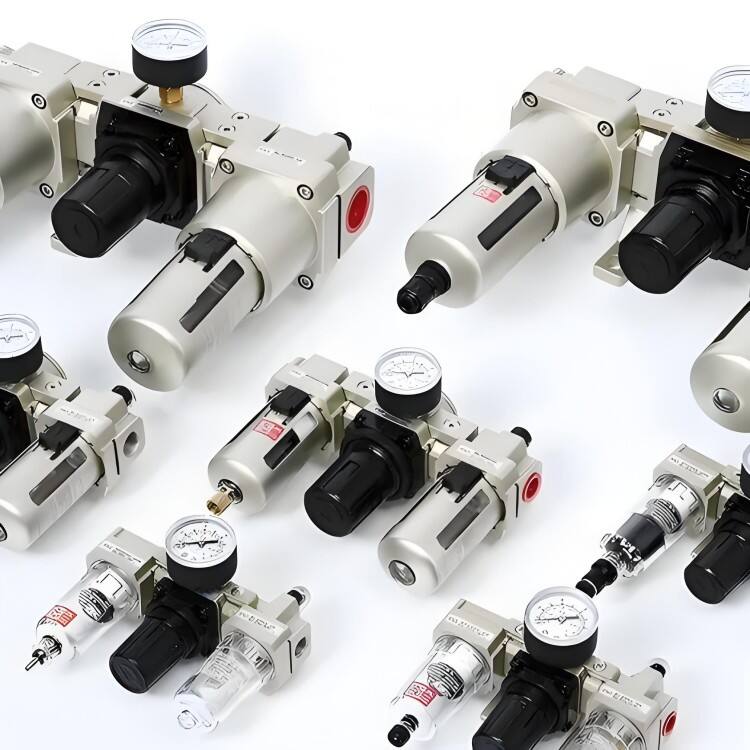
Pneumatic Pilot Valve: Advanced Control Solutions for Industrial Automation Systems

All Categories

pneumatic pilot valve

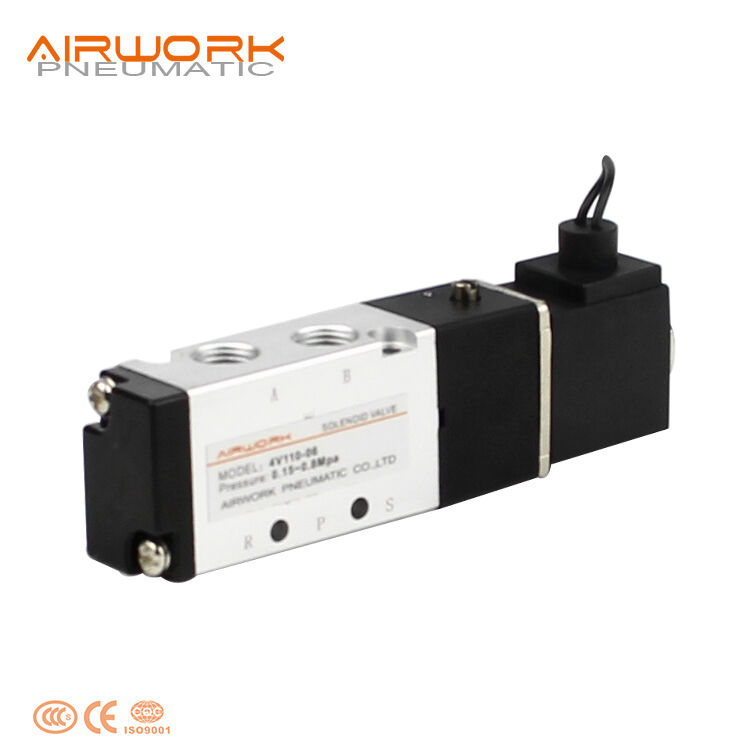
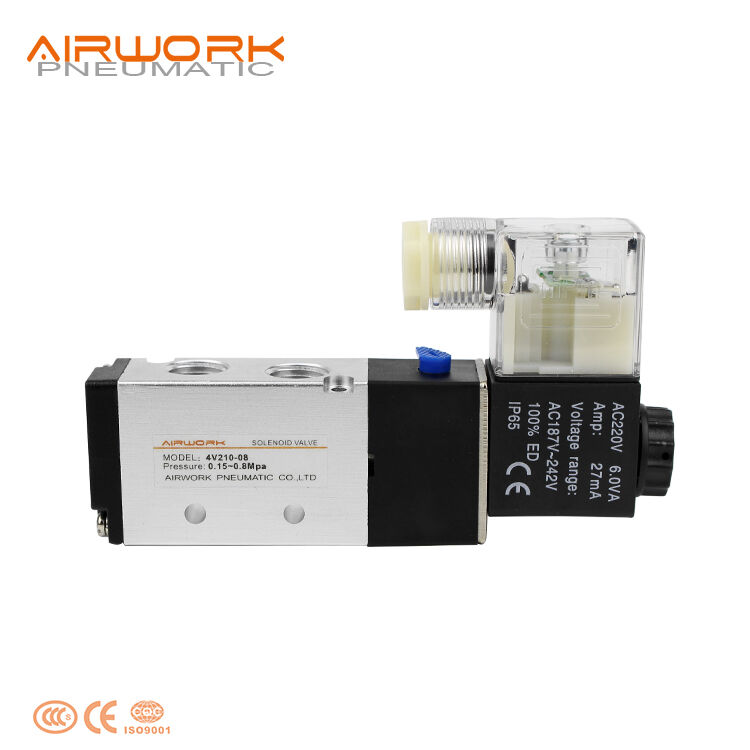
A pneumatic pilot valve represents a sophisticated control mechanism that utilizes compressed air to regulate the operation of larger pneumatic systems and equipment. This essential component serves as an intelligent switching device that controls the flow, pressure, and direction of compressed air within industrial automation systems. The pneumatic pilot valve operates by receiving control signals, typically in the form of air pressure or electrical impulses, which then trigger specific responses in connected pneumatic actuators, cylinders, or other control devices. The fundamental design incorporates a pilot section that requires minimal input force to control substantial downstream pneumatic forces, creating an efficient amplification system. Modern pneumatic pilot valve technology features precision-engineered internal components including diaphragms, springs, and valve seats that ensure reliable operation under varying pressure conditions. These valves commonly integrate multiple port configurations, allowing for complex control scenarios where single input signals can manage multiple output functions simultaneously. The technological framework behind pneumatic pilot valve systems emphasizes durability and consistent performance, with materials selected specifically for resistance to wear, corrosion, and temperature fluctuations. Advanced pneumatic pilot valve designs incorporate quick-response characteristics that enable rapid system adjustments, essential for maintaining optimal operational efficiency in fast-paced industrial environments. Installation flexibility represents another key technological feature, as these valves accommodate various mounting orientations and connection types to suit diverse application requirements. The pneumatic pilot valve finds extensive application across manufacturing industries, including automotive assembly lines, packaging machinery, material handling systems, and process automation equipment. In HVAC systems, these valves control air distribution and pressure regulation, while in safety applications, they provide emergency shutdown capabilities for pneumatic equipment. The versatility of pneumatic pilot valve technology extends to mobile equipment such as construction machinery, agricultural implements, and transportation vehicles where reliable pneumatic control remains critical for operational success and safety compliance.

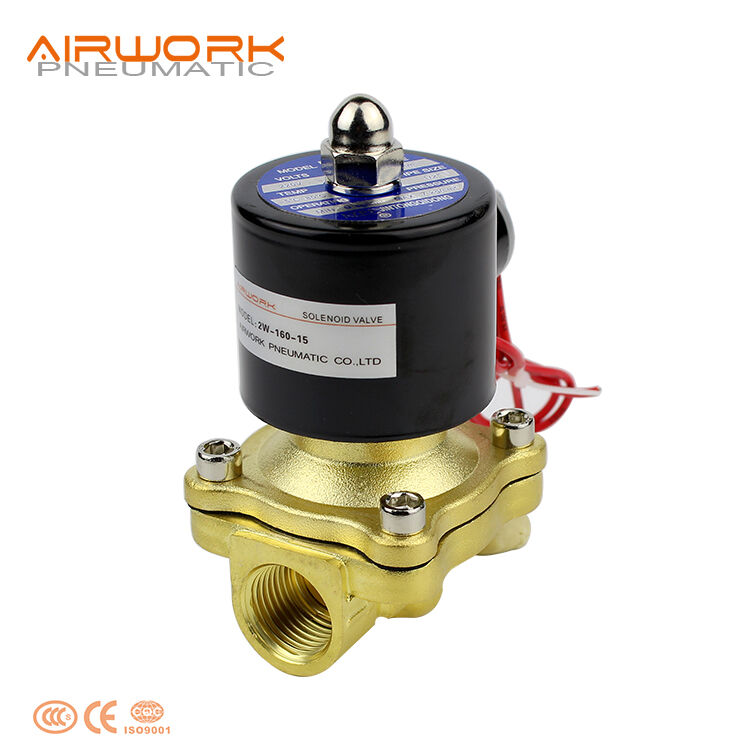
New Products

The pneumatic pilot valve delivers exceptional operational benefits that directly translate into improved productivity and reduced operational costs for businesses across various industries. Energy efficiency stands as a primary advantage, as these valves require minimal input power to control substantial pneumatic forces, resulting in significantly lower energy consumption compared to alternative control methods. This efficiency directly impacts operational budgets by reducing compressed air usage and associated electricity costs. The rapid response time of pneumatic pilot valve systems enables precise control over industrial processes, minimizing waste and maximizing throughput in production environments. Maintenance requirements remain remarkably low due to the robust construction and simplified internal mechanisms, which reduces downtime and maintenance expenses while extending overall system lifespan. The pneumatic pilot valve offers superior reliability in harsh industrial conditions, withstanding temperature extremes, vibration, and contamination that would compromise electronic control systems. This reliability translates into consistent production output and reduced risk of unexpected equipment failures that could disrupt operations. Installation simplicity represents another significant advantage, as technicians can easily integrate pneumatic pilot valve systems into existing pneumatic infrastructure without extensive modifications or specialized training requirements. The cost-effectiveness of these valves becomes apparent when considering their durability, low maintenance needs, and energy efficiency over extended operational periods. Safety benefits emerge from the inherent fail-safe characteristics of pneumatic pilot valve designs, which automatically return to predetermined positions during power failures or system malfunctions, protecting both equipment and personnel. The versatility of pneumatic pilot valve applications allows businesses to standardize on a single control technology across multiple systems, simplifying inventory management and technician training requirements. Precise pressure control capabilities enable optimal performance from connected pneumatic equipment, extending component life and maintaining consistent quality standards in manufacturing processes. The pneumatic pilot valve provides excellent contamination resistance, continuing to function effectively in dusty, humid, or chemically aggressive environments where electronic controls might fail. This environmental resilience ensures consistent operation in challenging industrial settings, from foundries to food processing facilities. The scalability of pneumatic pilot valve systems allows for easy expansion of control capabilities as production requirements grow, providing long-term value for developing businesses. Response accuracy remains consistently high throughout the operational life of these valves, ensuring that control precision does not degrade over time as it might with mechanical linkage systems.

Practical Tips

Pneumatic fittings used in water

25

Feb

Pneumatic fittings used in water

View More
Basic knowledge of pneumatic air cylinders

25

Feb

Basic knowledge of pneumatic air cylinders

View More
Air Source Treatment Unit:The

25

Feb

Air Source Treatment Unit:The "Guardians" and Core Components of Pneumatic Systems

View More

Get a Free Quote

Our representative will contact you soon.
Email
Name
Company Name
Message
0/1000

pneumatic pilot valve

Superior Energy Efficiency and Cost Reduction

Superior Energy Efficiency and Cost Reduction

The pneumatic pilot valve excels in energy efficiency through its innovative amplification design that requires minimal input energy to control substantial downstream pneumatic forces. This fundamental characteristic stems from the valve's ability to use small pilot air signals or low-power electrical inputs to direct high-pressure compressed air flows, creating an exceptional power-to-control ratio that significantly reduces overall system energy consumption. Manufacturing facilities implementing pneumatic pilot valve technology typically experience 20-30% reductions in compressed air usage compared to conventional direct-acting valve systems. The energy savings multiply across large installations where multiple pneumatic pilot valve units operate simultaneously, generating substantial cost reductions in electricity bills and compressed air generation requirements. Beyond immediate energy savings, the pneumatic pilot valve contributes to reduced wear on air compressors and related equipment by minimizing unnecessary air consumption during standby periods and partial load conditions. The valve's precise control characteristics eliminate air waste through over-pressurization or inefficient cycling, optimizing the entire pneumatic system's performance. Long-term operational analysis reveals that businesses investing in pneumatic pilot valve technology recover initial costs through energy savings within 12-18 months of installation. The environmental benefits complement the economic advantages, as reduced energy consumption directly correlates with lower carbon emissions and improved sustainability metrics for environmentally conscious organizations. Additionally, the pneumatic pilot valve's efficiency extends equipment lifespan by reducing thermal stress and mechanical wear associated with energy-intensive control methods, providing compounding savings through decreased replacement and maintenance costs. The valve's ability to maintain consistent performance levels throughout its operational life ensures that energy efficiency benefits remain stable over years of continuous use, making it an excellent long-term investment for cost-conscious businesses seeking sustainable operational improvements.
Exceptional Reliability in Demanding Industrial Environments

Exceptional Reliability in Demanding Industrial Environments

The pneumatic pilot valve demonstrates unmatched reliability in harsh industrial conditions through its robust mechanical design and proven resistance to environmental challenges that commonly disable electronic control systems. This reliability stems from the valve's simple yet effective internal mechanism that operates without sensitive electronic components vulnerable to electromagnetic interference, temperature fluctuations, or moisture ingress. Industrial facilities operating in extreme temperatures ranging from -40°F to 200°F find that pneumatic pilot valve systems maintain consistent performance where electronic alternatives fail or require expensive environmental protection measures. The valve's construction materials, including corrosion-resistant metals and high-performance elastomers, withstand exposure to chemicals, oils, and abrasive particles commonly found in manufacturing environments. Vibration resistance represents another critical reliability factor, as the pneumatic pilot valve's mechanical design absorbs and dissipates shock loads that would damage delicate electronic sensors or circuit boards. Field data from continuous operation facilities demonstrates that properly maintained pneumatic pilot valve systems achieve mean time between failures exceeding 50,000 operating hours, significantly outperforming electronic control alternatives in similar applications. The valve's fail-safe characteristics provide additional reliability assurance by automatically returning to predetermined safe positions during power outages or system malfunctions, protecting both equipment and personnel from potentially dangerous situations. This inherent safety feature eliminates the need for backup power systems or complex failure detection circuits required by electronic control methods. Contamination resistance further enhances reliability, as the pneumatic pilot valve continues operating effectively in dusty, humid, or chemically aggressive atmospheres that would quickly compromise electronic components. The valve's field-repairable design allows maintenance technicians to service internal components without specialized diagnostic equipment or extensive training, reducing downtime and maintenance costs while ensuring continued reliable operation. Quality manufacturing standards and rigorous testing procedures guarantee that each pneumatic pilot valve meets strict reliability specifications before leaving the factory, providing customers with confidence in long-term performance and operational continuity.
Versatile Installation and Integration Capabilities

Versatile Installation and Integration Capabilities

The pneumatic pilot valve offers unparalleled installation flexibility and system integration capabilities that accommodate diverse industrial applications and retrofit scenarios with minimal complexity or specialized requirements. This versatility begins with the valve's compact design that fits into tight spaces where larger control devices cannot be accommodated, enabling efficient use of valuable factory floor space and simplifying equipment layout planning. Multiple mounting orientations allow technicians to install pneumatic pilot valve units in horizontal, vertical, or angled positions without affecting performance, providing solutions for challenging installation environments where space constraints or piping configurations limit mounting options. The valve's standardized connection interfaces ensure compatibility with existing pneumatic infrastructure, eliminating the need for expensive adapters or custom fittings when upgrading older control systems. Port configuration flexibility enables single pneumatic pilot valve units to control multiple functions simultaneously, reducing component count and simplifying system architecture while maintaining precise control over complex operations. Integration with existing pneumatic systems requires minimal modifications, as the valve operates within standard pressure ranges and uses conventional compressed air supplies already present in most industrial facilities. The pneumatic pilot valve's electrical interface options accommodate various control signal types, from simple on-off switches to sophisticated programmable logic controller outputs, ensuring compatibility with both basic and advanced automation systems. Retrofitting capabilities allow businesses to modernize aging pneumatic control systems without complete overhauls, providing immediate performance improvements at a fraction of the cost of total system replacement. The valve's modular design supports easy expansion or reconfiguration as production requirements change, protecting initial investments while accommodating future growth or process modifications. Installation time remains minimal due to straightforward connection procedures that do not require specialized tools or extensive technical training, reducing project costs and minimizing production disruptions during upgrades. Standardized dimensions and mounting patterns enable direct replacement of failing control valves without modifications to existing brackets or supports, streamlining maintenance procedures and reducing spare parts inventory requirements. The pneumatic pilot valve's ability to interface with both pneumatic and electrical control systems provides bridging capabilities that facilitate gradual automation upgrades, allowing businesses to implement improvements incrementally rather than requiring substantial capital investments in complete system overhauls.

Get a Free Quote

Our representative will contact you soon.
Email
Name
Company Name
Message
0/1000