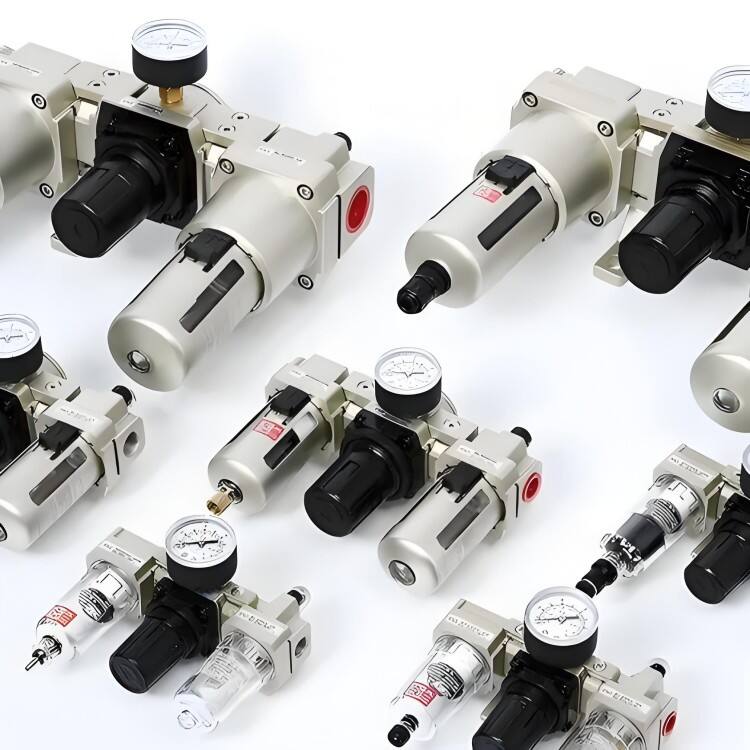
Premium Pneumatic Air Cylinder Parts: Complete Guide to Industrial Automation Components

All Categories

pneumatic air cylinder parts

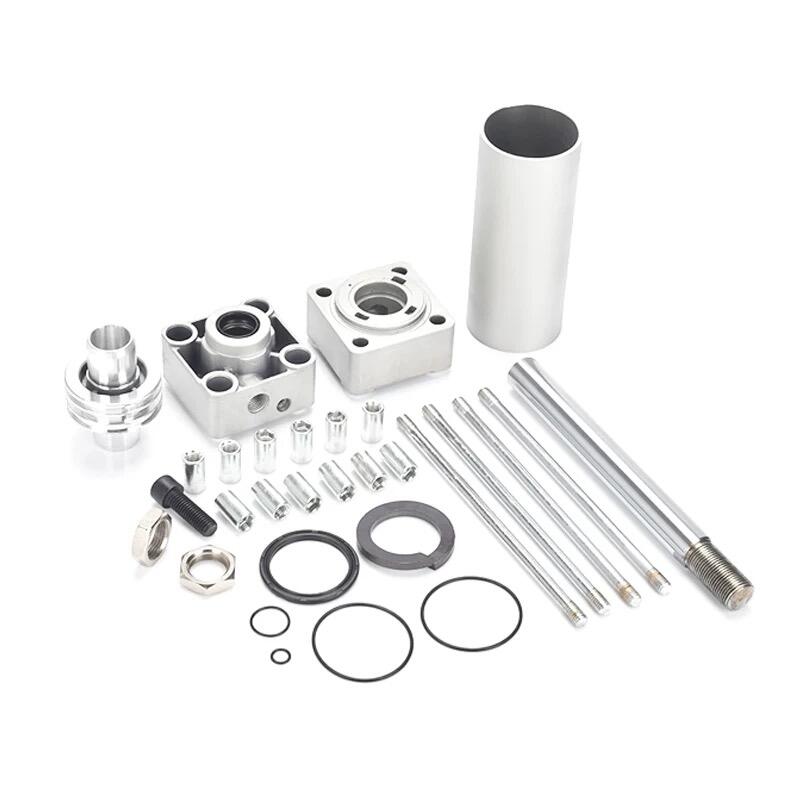
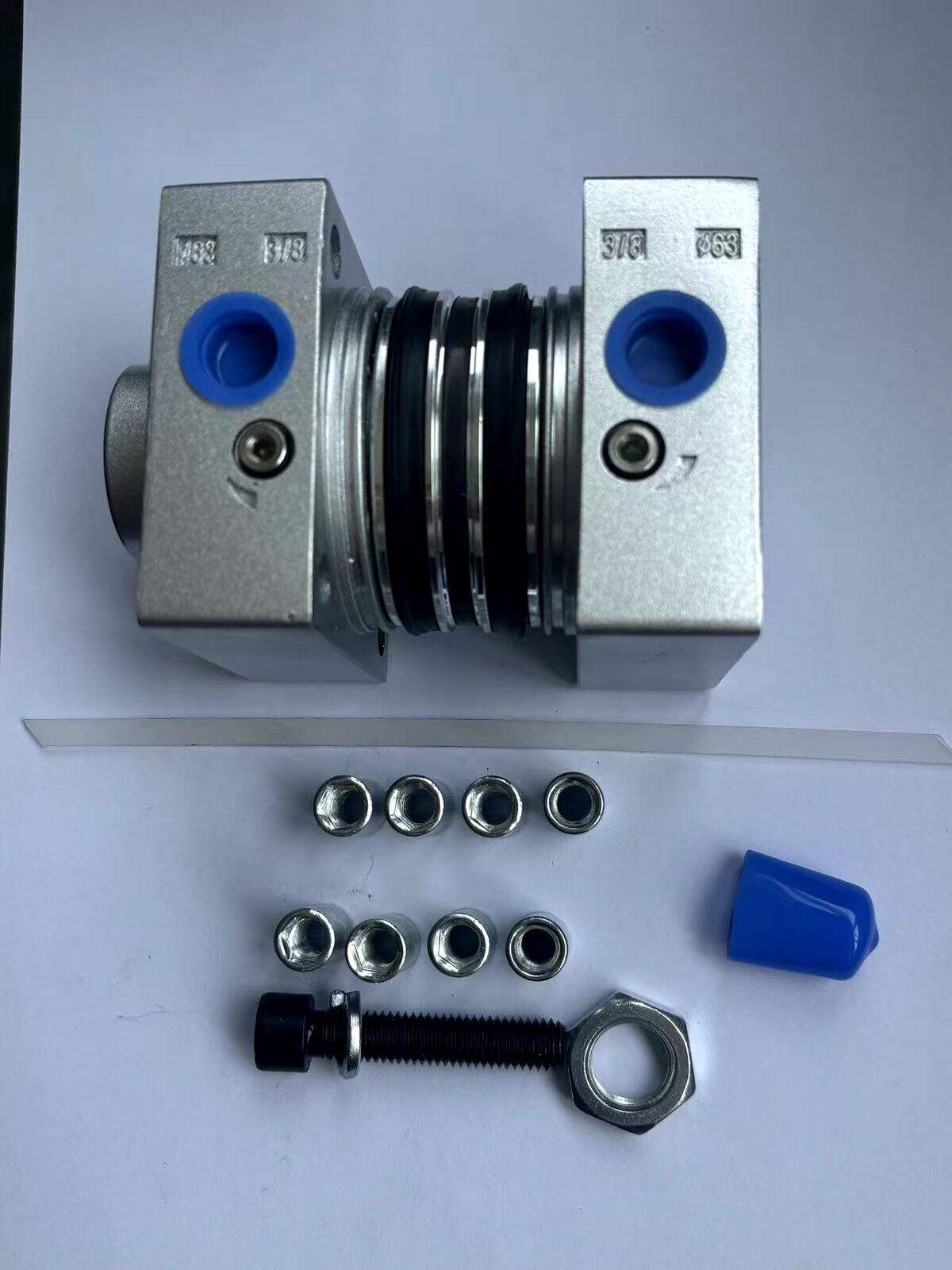
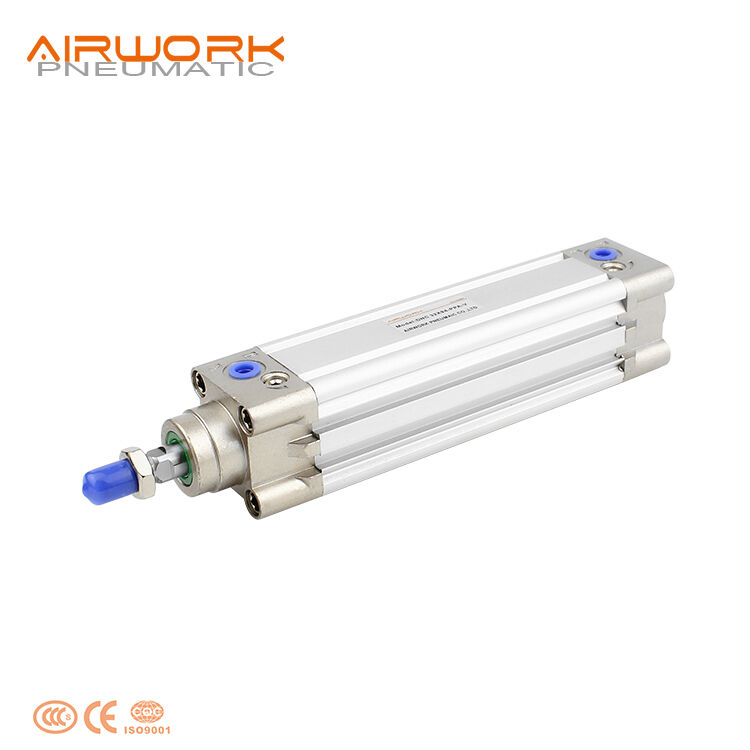
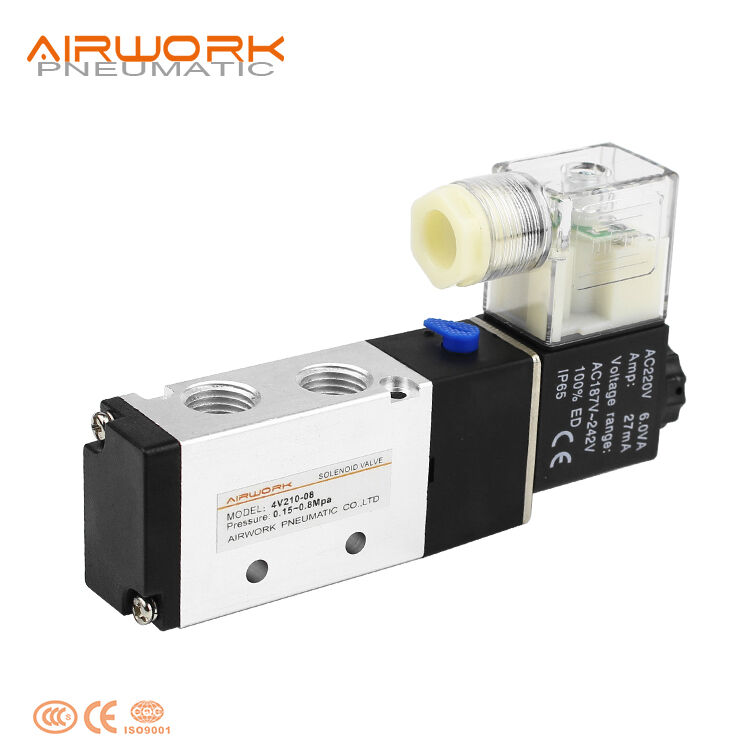
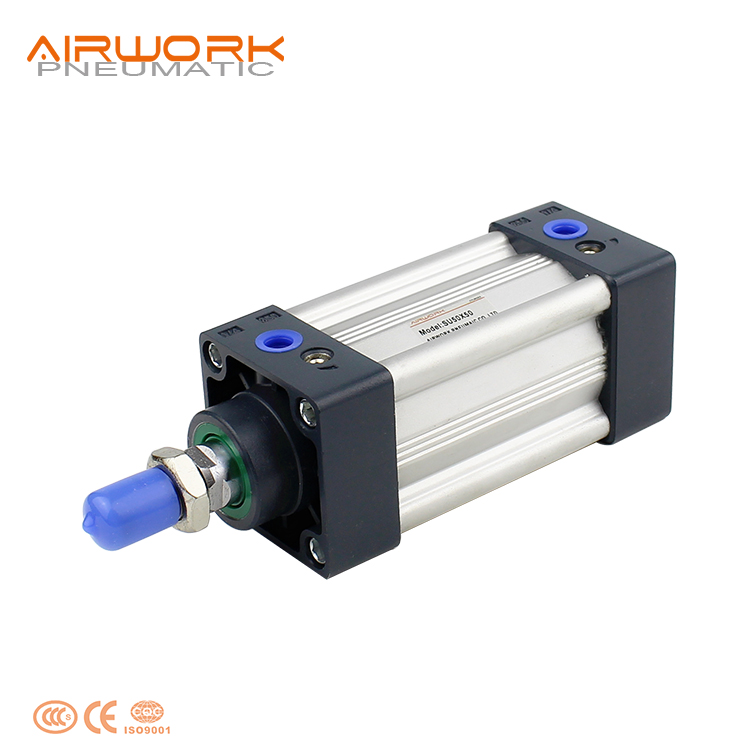
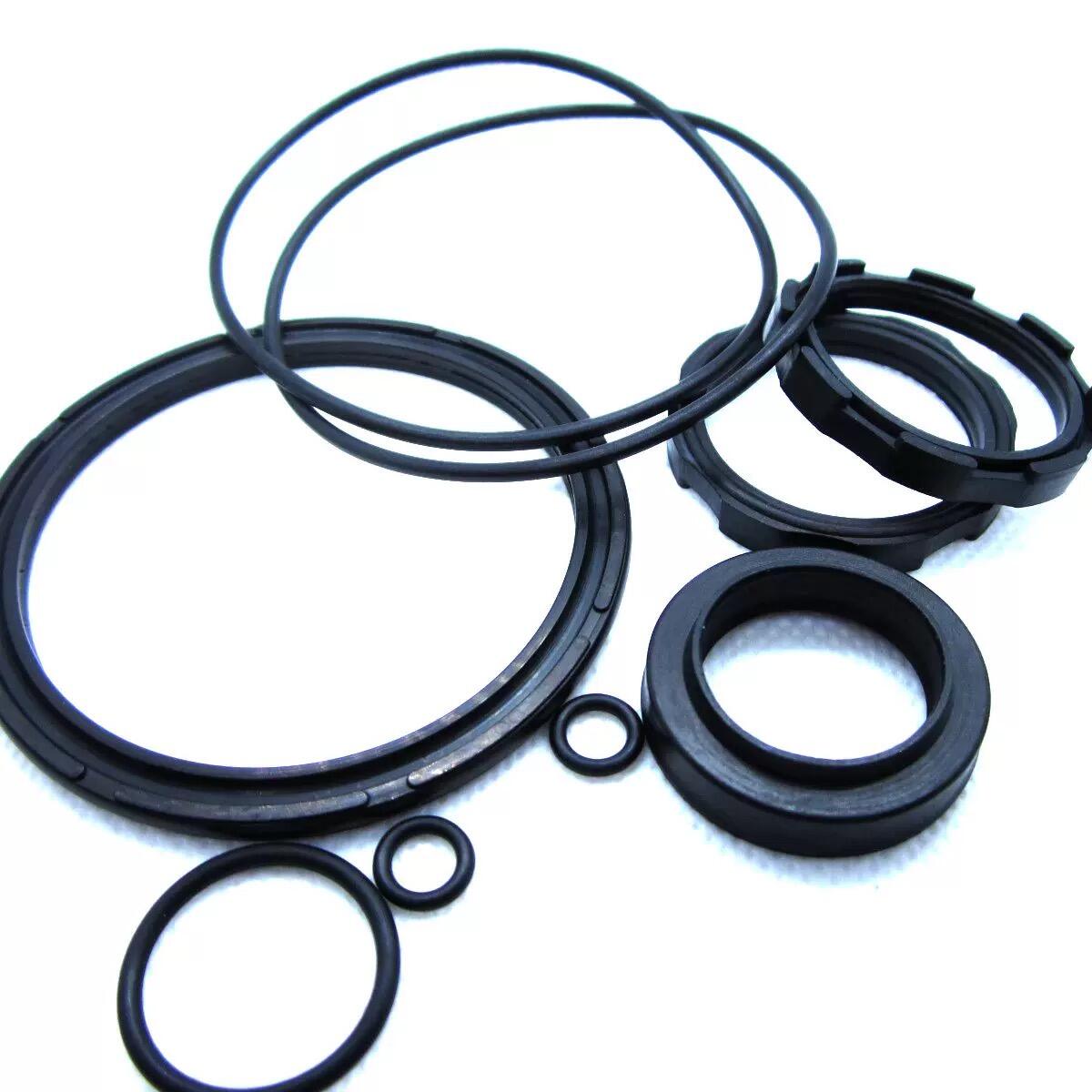
Pneumatic air cylinder parts represent essential components in modern industrial automation systems, delivering reliable linear motion through compressed air power. These sophisticated mechanisms consist of several critical elements working in harmony to provide precise, controllable movement across countless applications. The cylinder barrel forms the main housing, manufactured from high-grade aluminum or steel to withstand substantial pressure while maintaining dimensional accuracy. Inside this barrel, a precision-machined piston moves back and forth, sealed by specialized rings that prevent air leakage while ensuring smooth operation. The piston rod, typically chrome-plated for durability and corrosion resistance, extends through end caps equipped with advanced sealing systems. Pneumatic air cylinder parts incorporate sophisticated valve assemblies that control air flow direction, enabling bidirectional movement with exceptional accuracy. These components feature robust construction techniques, utilizing materials specifically chosen for their strength-to-weight ratios and longevity under demanding conditions. The technological features of pneumatic air cylinder parts include adjustable cushioning systems that reduce impact forces during stroke completion, extending component lifespan significantly. Modern designs incorporate magnetic sensors compatible with various position feedback systems, allowing precise control and monitoring capabilities. The applications for pneumatic air cylinder parts span numerous industries, from automotive manufacturing where they operate assembly line equipment, to packaging facilities requiring rapid, repetitive movements. Food processing plants utilize stainless steel variants of pneumatic air cylinder parts for sanitary applications, while pharmaceutical companies depend on their contamination-free operation. Construction equipment, material handling systems, and robotics all rely heavily on these versatile components for their operational efficiency and reliability.

New Product Releases

Pneumatic air cylinder parts offer numerous compelling advantages that make them indispensable for modern industrial operations. Cost-effectiveness stands as a primary benefit, as these components require minimal initial investment compared to electric or hydraulic alternatives while delivering exceptional performance. The operational costs remain remarkably low since compressed air serves as the power source, eliminating expensive hydraulic fluids or complex electrical systems. Maintenance requirements for pneumatic air cylinder parts stay minimal due to their simple design and robust construction, reducing downtime and labor costs significantly. Safety represents another crucial advantage, as pneumatic air cylinder parts operate without electrical hazards or toxic hydraulic fluids, creating safer work environments for personnel. The inherent cleanliness of compressed air makes these components ideal for food processing, pharmaceutical, and cleanroom applications where contamination poses serious concerns. Speed and responsiveness characterize pneumatic air cylinder parts, enabling rapid cycle times essential for high-productivity manufacturing processes. These components can achieve impressive operating speeds while maintaining consistent performance throughout millions of cycles. The simplicity of pneumatic air cylinder parts contributes to their reliability, featuring fewer moving parts than complex alternatives and reducing potential failure points. Installation proves straightforward, requiring basic compressed air connections and simple mounting hardware, minimizing setup time and complexity. Versatility defines pneumatic air cylinder parts, as manufacturers offer extensive size ranges, stroke lengths, and mounting configurations to suit diverse application requirements. Temperature tolerance allows operation in extreme conditions, from freezing cold storage facilities to high-temperature industrial processes. The ability to provide precise force control makes pneumatic air cylinder parts suitable for delicate operations requiring specific pressure applications. Environmental friendliness emerges as compressed air produces no harmful emissions, supporting sustainability initiatives in modern manufacturing. Modular design capabilities enable easy integration with existing systems, while standardized connections ensure compatibility across different manufacturers and applications, providing flexibility for future modifications or expansions.

Practical Tips

Pneumatic fittings used in water

25

Feb

Pneumatic fittings used in water

View More
Basic knowledge of pneumatic air cylinders

25

Feb

Basic knowledge of pneumatic air cylinders

View More
Air Source Treatment Unit:The

25

Feb

Air Source Treatment Unit:The "Guardians" and Core Components of Pneumatic Systems

View More

Get a Free Quote

Our representative will contact you soon.
Email
Name
Company Name
Message
0/1000

pneumatic air cylinder parts

Superior Durability and Longevity Engineering

Superior Durability and Longevity Engineering

Pneumatic air cylinder parts demonstrate exceptional durability through advanced engineering principles and premium material selection that ensures extended operational life in demanding industrial environments. The manufacturing process employs precision machining techniques on high-grade aluminum alloys and steel components, creating dimensional accuracy that maintains performance standards throughout millions of operational cycles. Specialized surface treatments, including hard anodizing and chrome plating, provide superior corrosion resistance and reduced friction coefficients, significantly extending component lifespan. The piston rod construction utilizes hardened steel with mirror-finish chrome plating that withstands harsh environmental conditions while maintaining smooth operation. Advanced sealing technologies incorporate multiple redundant systems, preventing premature wear and maintaining consistent performance even under extreme pressure variations. The cylinder barrel design features reinforced construction with optimized wall thickness, providing exceptional pressure resistance while minimizing weight considerations. Quality control processes ensure each component meets stringent durability standards through comprehensive testing protocols that simulate years of operational use. The benefit to customers extends beyond initial cost savings, as the extended lifespan of pneumatic air cylinder parts reduces replacement frequency, minimizes maintenance schedules, and eliminates unexpected production interruptions. This durability translates directly into improved return on investment, as facilities experience reduced total cost of ownership through decreased maintenance requirements and extended replacement intervals. The robust construction enables operation in challenging environments including extreme temperatures, corrosive atmospheres, and high-vibration applications where lesser components would fail prematurely. Professional maintenance teams appreciate the reliability of pneumatic air cylinder parts, as predictable performance characteristics enable accurate scheduling of preventive maintenance activities, further extending operational life and ensuring consistent production output throughout the equipment lifecycle.
Precision Control and Performance Optimization

Precision Control and Performance Optimization

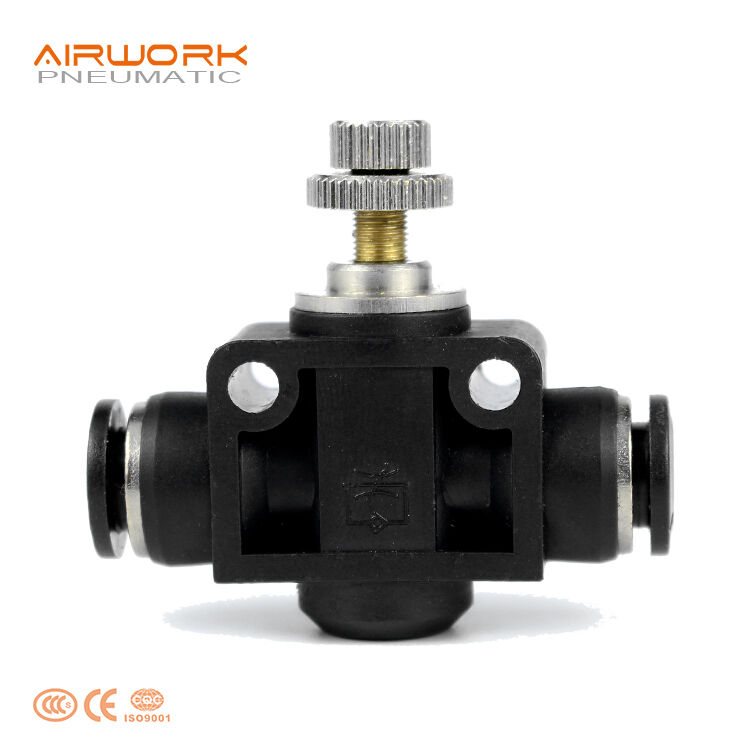
Pneumatic air cylinder parts deliver unmatched precision control capabilities through sophisticated engineering that enables exact positioning, consistent force application, and repeatable performance across diverse industrial applications. The internal design incorporates advanced cushioning systems that provide smooth deceleration at stroke endpoints, eliminating harmful impact forces that could compromise accuracy or damage connected equipment. Precision-machined components ensure minimal internal clearances, reducing position drift and maintaining exact repeatability throughout extended operational periods. The valve assembly integration allows for precise flow control, enabling operators to adjust cycle speeds and force characteristics according to specific application requirements. Magnetic position sensing compatibility provides real-time feedback for closed-loop control systems, ensuring accurate positioning within tight tolerances demanded by modern automation systems. The performance optimization extends to energy efficiency, as pneumatic air cylinder parts utilize compressed air more effectively through improved internal geometries and reduced leakage paths. Advanced seal designs minimize internal friction while maintaining pressure integrity, resulting in smoother operation and reduced energy consumption. The benefits for customers include enhanced product quality through consistent manufacturing processes, reduced waste from positioning errors, and improved overall equipment effectiveness. Precision control capabilities enable pneumatic air cylinder parts to handle delicate materials without damage while maintaining the speed necessary for high-volume production requirements. The repeatability factor ensures consistent results across multiple shifts and operators, reducing quality variations and improving overall process control. Automated systems benefit from the predictable performance characteristics, as control algorithms can rely on consistent response times and force outputs. This precision translates into reduced setup times, fewer adjustments during production runs, and increased confidence in meeting tight manufacturing specifications, ultimately improving customer satisfaction and competitive positioning in demanding markets.
Versatile Integration and Application Flexibility

Versatile Integration and Application Flexibility

Pneumatic air cylinder parts excel in providing exceptional integration flexibility and application versatility, accommodating diverse mounting configurations, connection methods, and operational requirements across numerous industrial sectors. The modular design philosophy enables seamless integration with existing equipment through standardized mounting interfaces, including clevis mounts, flange mounts, and trunnion configurations that adapt to various spatial constraints and load requirements. Multiple port configurations allow connection flexibility, supporting different plumbing arrangements and control valve positions to optimize system layout and accessibility. The comprehensive size range spans from compact miniature units for precision assembly applications to robust heavy-duty cylinders capable of handling substantial loads in construction and material handling equipment. Stroke length options provide precise matching to application requirements, eliminating the need for complex mechanical linkages or compromises in system design. Special variants include stainless steel construction for food processing and pharmaceutical applications, explosion-proof designs for hazardous environments, and high-temperature versions for industrial process applications. The integration benefits extend to control system compatibility, as pneumatic air cylinder parts work seamlessly with various automation platforms, from simple manual controls to sophisticated programmable logic controllers and industrial networks. Customers gain significant advantages through this versatility, as single component families can serve multiple applications throughout their facilities, reducing inventory complexity and maintenance training requirements. The standardized interfaces ensure compatibility with accessories including position sensors, flow controls, and mounting hardware from multiple suppliers, providing procurement flexibility and competitive pricing options. Engineering teams appreciate the design flexibility that allows optimization of machine layouts without component constraints, while maintenance personnel benefit from standardized service procedures across different applications. This versatility ultimately reduces total system costs through component standardization, simplified spare parts management, and reduced engineering complexity for new installations or modifications to existing equipment systems.

Get a Free Quote

Our representative will contact you soon.
Email
Name
Company Name
Message
0/1000