Premium Miniature Pneumatic Components - Compact Automation Solutions for Precision Applications

All Categories

miniature pneumatic components

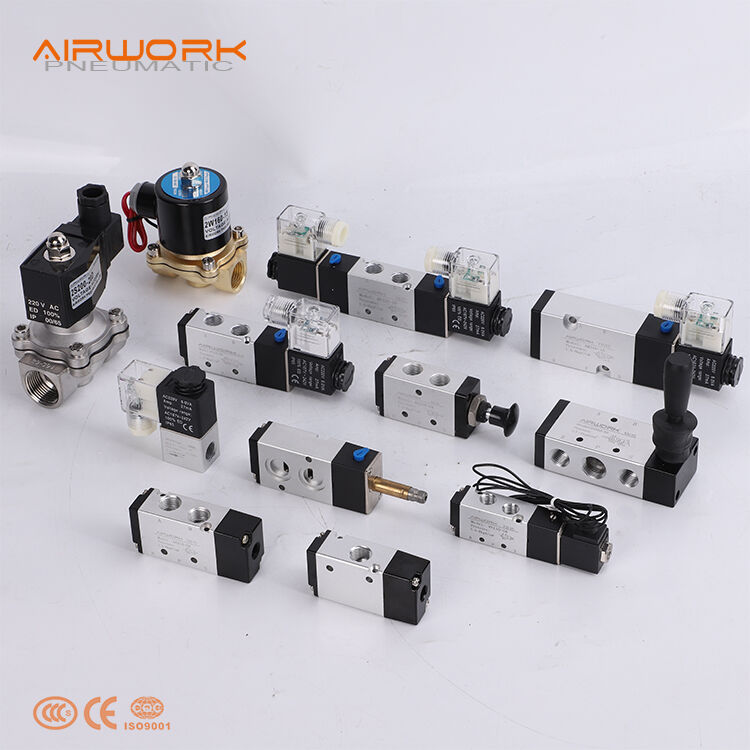
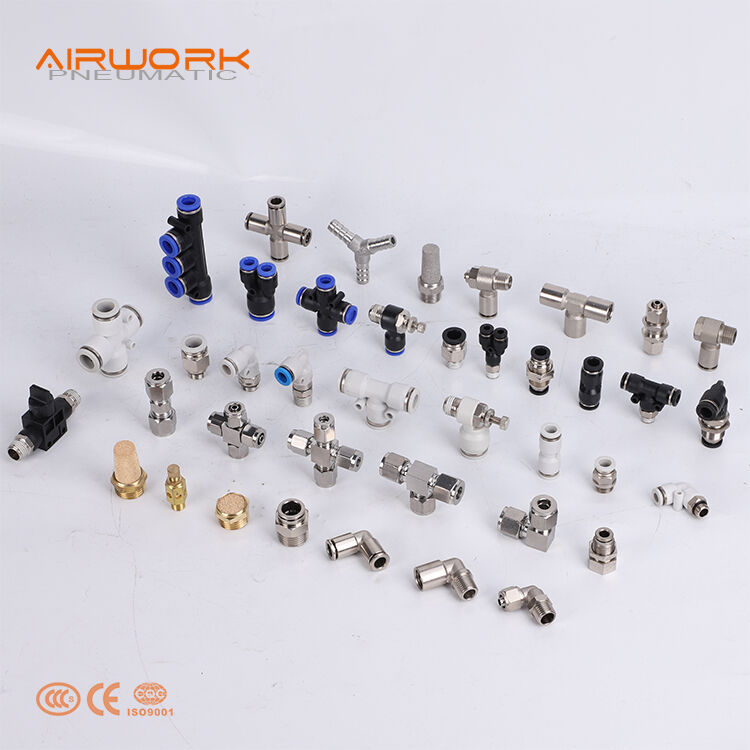
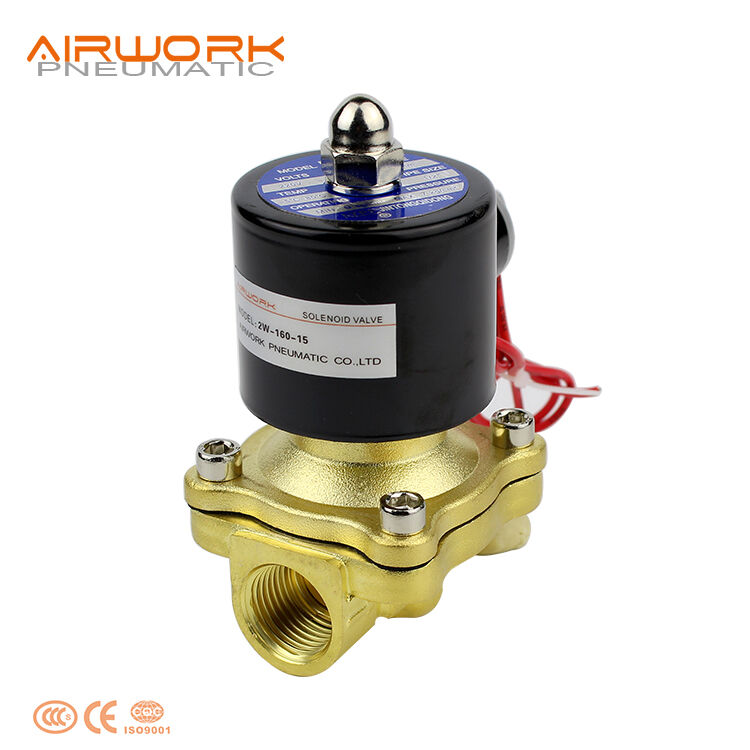
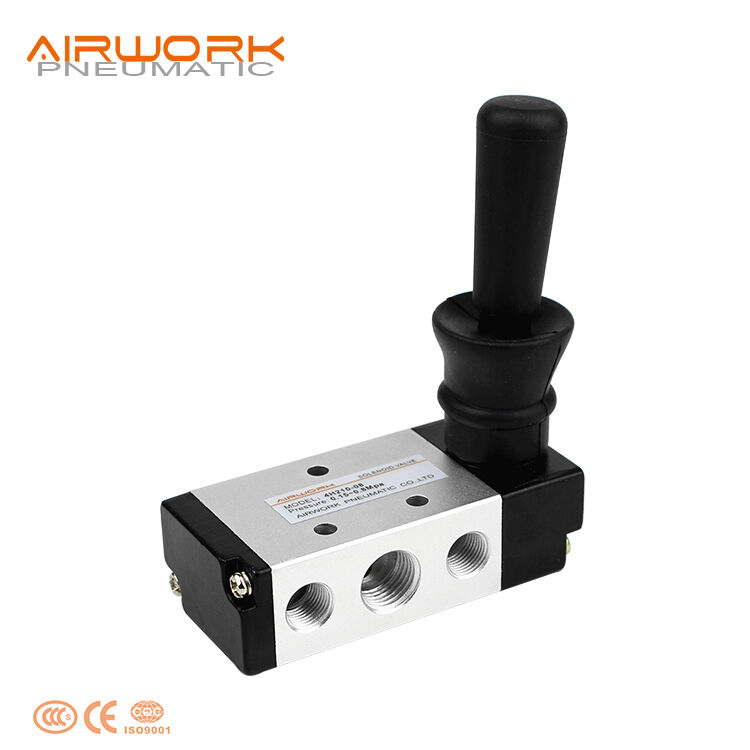
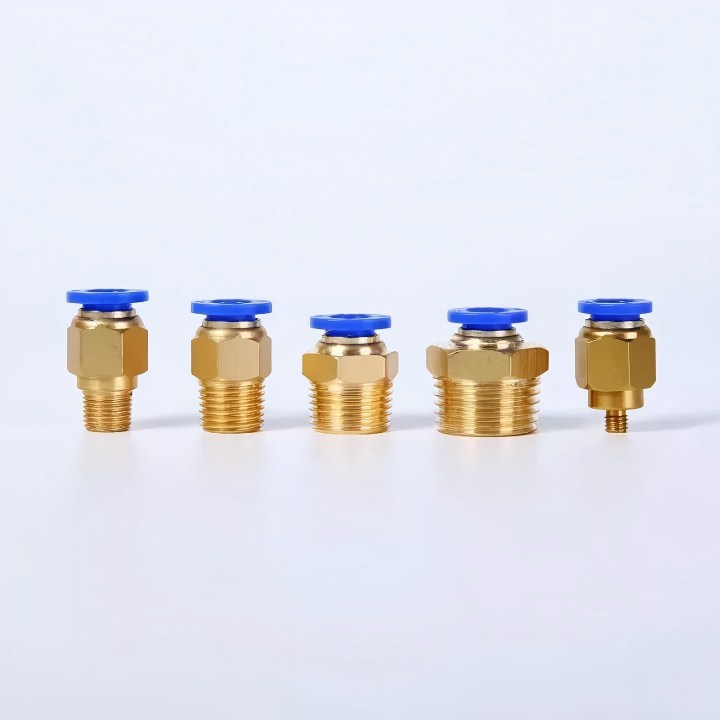
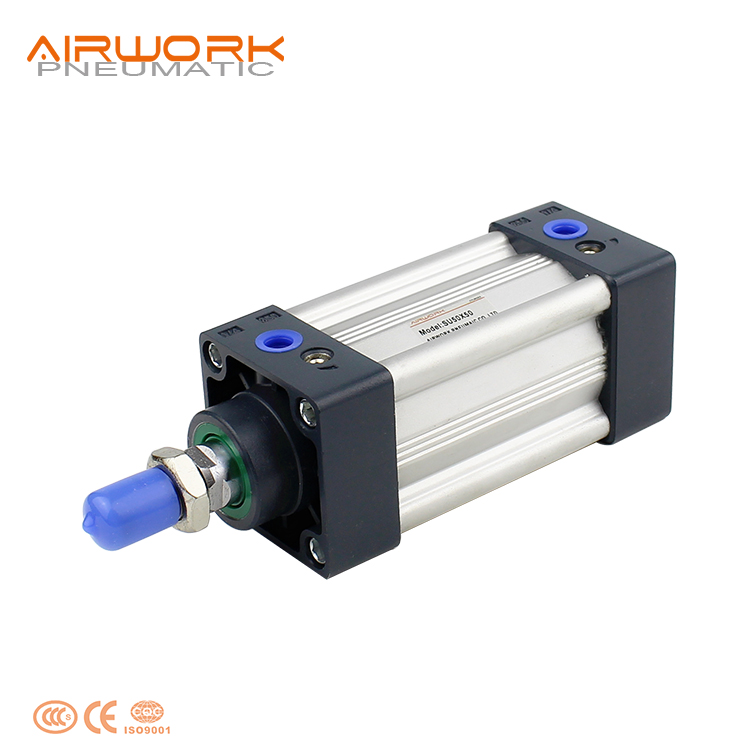
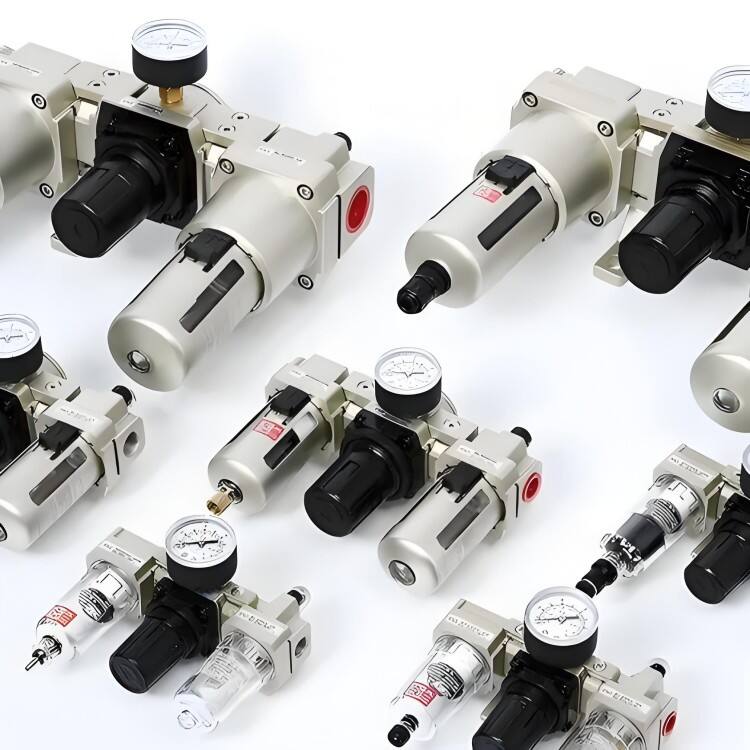
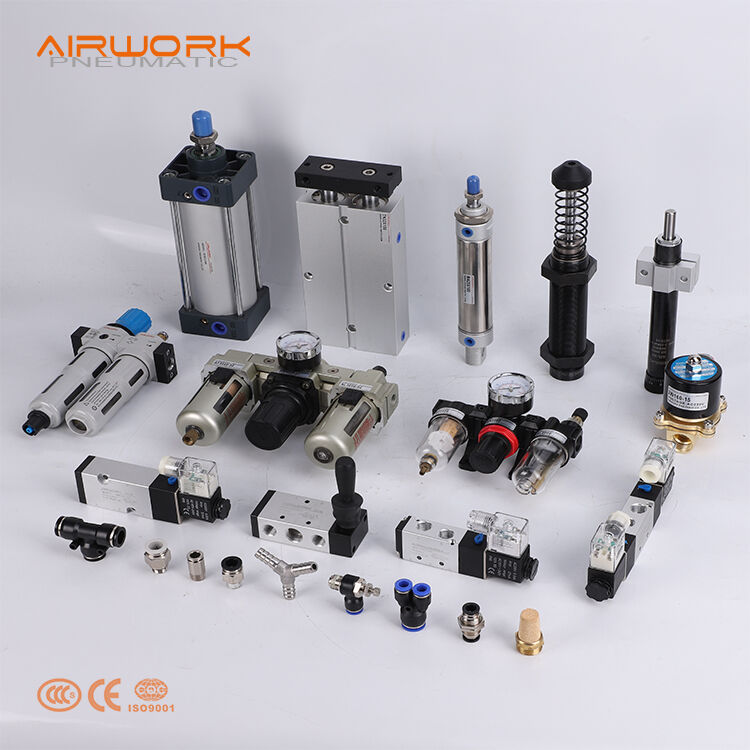
Miniature pneumatic components represent a revolutionary advancement in automation technology, designed to deliver powerful performance in compact packages. These sophisticated devices harness compressed air to generate motion, control pressure, and regulate flow within space-constrained applications. The primary functions of miniature pneumatic components encompass actuating mechanisms, controlling directional flow, regulating pressure levels, and managing air distribution throughout pneumatic systems. Modern miniature pneumatic components incorporate advanced materials such as lightweight aluminum alloys, high-grade stainless steel, and engineered plastics that ensure durability while maintaining minimal weight profiles. The technological features of these components include precision-machined surfaces that guarantee optimal sealing, advanced valve configurations that provide exceptional response times, and integrated mounting systems that simplify installation procedures. These components typically operate within pressure ranges from 0.1 to 10 bar, offering versatility across diverse operational requirements. The compact design philosophy behind miniature pneumatic components enables engineers to create sophisticated automation solutions where traditional full-sized components would prove impractical. Applications for miniature pneumatic components span numerous industries, including medical device manufacturing, electronics assembly, food processing, packaging machinery, and laboratory automation. In medical applications, these components power surgical instruments, diagnostic equipment, and patient monitoring devices where sterility and precision remain paramount. Electronics manufacturing relies on miniature pneumatic components for pick-and-place operations, component testing, and assembly line automation. The food industry utilizes these components in portion control systems, packaging equipment, and quality inspection mechanisms. Laboratory environments benefit from miniature pneumatic components in automated sample handling, fluid dispensing systems, and analytical instrument operation. The integration of miniature pneumatic components enables manufacturers to develop more efficient, reliable, and cost-effective automation solutions that meet increasingly demanding performance specifications while occupying minimal operational space.

New Products

Miniature pneumatic components deliver exceptional space efficiency that allows engineers to design compact automation systems without compromising functionality. These components occupy significantly less space than traditional pneumatic devices, enabling manufacturers to create streamlined production lines and portable equipment. The reduced footprint translates directly into lower facility costs, improved workspace utilization, and enhanced system portability. Energy efficiency stands as another compelling advantage, as miniature pneumatic components require less compressed air to operate effectively, resulting in reduced power consumption and lower operational costs. The lightweight construction of these components reduces overall system weight, which proves particularly valuable in mobile applications, robotic systems, and aerospace equipment where weight considerations directly impact performance. Installation becomes remarkably straightforward with miniature pneumatic components due to their simplified mounting configurations and standardized connection interfaces. Maintenance requirements decrease substantially because these components feature fewer moving parts and utilize advanced materials that resist wear and corrosion. The rapid response characteristics of miniature pneumatic components enable precise control and improved system performance, particularly in high-speed applications where timing accuracy determines operational success. Cost-effectiveness emerges through multiple channels, including reduced material costs, lower installation expenses, simplified maintenance procedures, and improved energy efficiency. These components demonstrate remarkable versatility across temperature ranges, operating reliably in both extreme cold and elevated temperature environments. The modular design approach allows engineers to combine multiple miniature pneumatic components to create custom solutions tailored to specific application requirements. Quality control benefits significantly from the consistent performance characteristics these components provide, enabling manufacturers to achieve tighter tolerances and improved product reliability. Environmental considerations favor miniature pneumatic components because they consume less energy, generate minimal waste, and often incorporate recyclable materials. The reduced noise levels produced by these components create more pleasant working environments and enable operation in noise-sensitive applications. Integration with modern control systems becomes seamless through standardized interfaces and communication protocols, allowing for sophisticated automation strategies and remote monitoring capabilities.

Tips And Tricks

Pneumatic fittings used in water

25

Feb

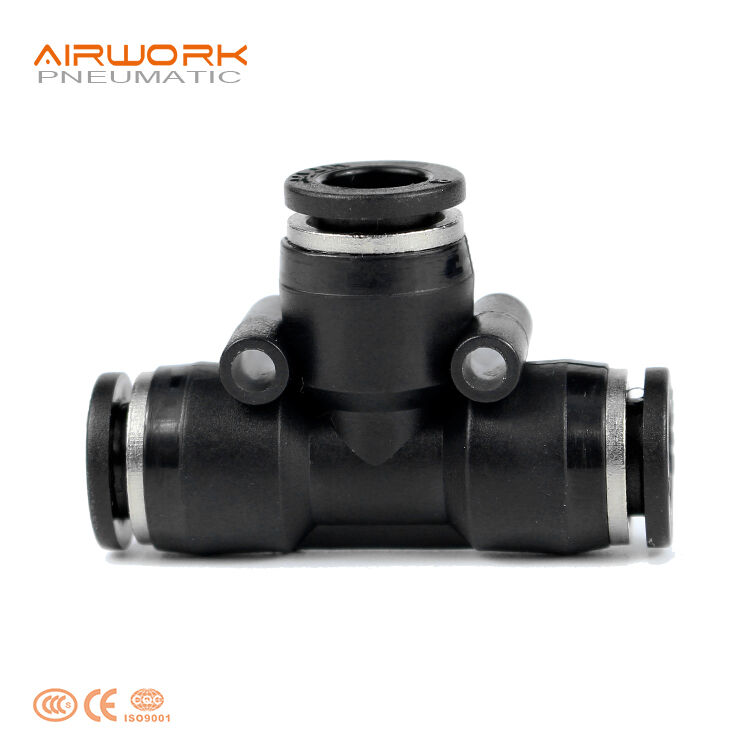
Pneumatic fittings used in water

View More
Basic knowledge of pneumatic air cylinders

25

Feb

Basic knowledge of pneumatic air cylinders

View More
Air Source Treatment Unit:The

25

Feb

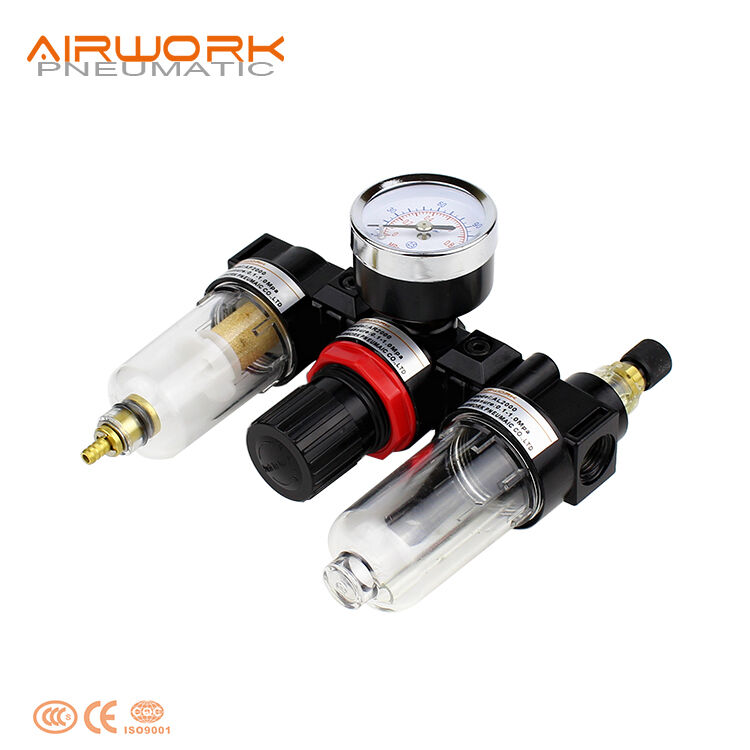
Air Source Treatment Unit:The "Guardians" and Core Components of Pneumatic Systems

View More

Get a Free Quote

Our representative will contact you soon.
Email
Name
Company Name
Message
0/1000

miniature pneumatic components

Superior Precision and Response Speed

Superior Precision and Response Speed

Miniature pneumatic components excel in delivering unmatched precision and lightning-fast response times that revolutionize automation performance across demanding applications. The advanced engineering behind these components incorporates precision-machined valve seats, optimized port geometries, and carefully calibrated spring mechanisms that work together to achieve positioning accuracies within micrometers. This exceptional precision stems from the reduced internal volumes and shorter air passages that minimize compression effects and eliminate response delays commonly associated with larger pneumatic systems. The rapid actuation capabilities of miniature pneumatic components enable cycle times measured in milliseconds, making them ideal for high-speed manufacturing processes, rapid prototyping equipment, and time-critical automation tasks. Manufacturing facilities implementing these components report significant improvements in production throughput, with some operations achieving cycle time reductions of up to 40 percent compared to traditional pneumatic solutions. The consistent repeatability offered by miniature pneumatic components ensures that automated processes maintain strict quality standards, reducing defect rates and minimizing waste generation. Advanced sealing technologies integrated into these components maintain precise positioning over millions of operational cycles, delivering long-term reliability that reduces maintenance costs and system downtime. The superior response characteristics prove particularly valuable in applications requiring synchronized movements, such as multi-axis positioning systems, coordinated assembly operations, and precision dispensing equipment. Quality control processes benefit enormously from the precise control capabilities, enabling manufacturers to achieve tighter tolerances and more consistent product characteristics. The enhanced performance translates directly into competitive advantages, including improved product quality, reduced production costs, increased manufacturing flexibility, and enhanced customer satisfaction. These components enable engineers to design sophisticated automation solutions that were previously impossible with conventional pneumatic technology, opening new possibilities for innovation and process optimization across diverse industries.
Exceptional Durability and Reliability

Exceptional Durability and Reliability

The exceptional durability and reliability of miniature pneumatic components establish them as superior choices for demanding industrial applications where consistent performance remains critical for operational success. Advanced materials engineering incorporates corrosion-resistant alloys, high-performance sealing compounds, and wear-resistant surface treatments that extend component lifespan far beyond conventional pneumatic devices. These components undergo rigorous testing protocols including millions of operational cycles, extreme temperature variations, and exposure to harsh environmental conditions to ensure reliable performance throughout their service life. The robust construction methodology eliminates common failure points through innovative design approaches such as integrated sealing systems, reinforced mounting points, and optimized stress distribution patterns. Manufacturing quality control processes ensure each miniature pneumatic component meets strict durability standards before leaving the production facility, resulting in consistently reliable performance across entire product lines. Field testing data demonstrates that these components maintain operational specifications even after extended exposure to challenging conditions including temperature fluctuations, humidity variations, vibration, and chemical exposure. The reliability characteristics translate into substantial cost savings through reduced maintenance requirements, fewer unplanned shutdowns, and extended equipment service intervals. Predictive maintenance strategies become more effective because these components exhibit consistent wear patterns and provide clear performance indicators before requiring service. The enhanced reliability enables manufacturers to implement lean production strategies with confidence, knowing that equipment downtime will remain minimal and predictable. System designers can specify these components for critical applications where failure would result in significant production losses or safety concerns. The long-term reliability reduces total cost of ownership through extended service intervals, reduced spare parts inventory requirements, and improved production consistency. Quality assurance programs benefit from the predictable performance characteristics that enable tighter process control and more consistent product output. The durability advantages become particularly apparent in harsh operating environments where traditional components would require frequent replacement or extensive protection measures.
Versatile Integration and Customization Capabilities

Versatile Integration and Customization Capabilities

Miniature pneumatic components offer remarkable versatility and customization capabilities that enable engineers to develop tailored automation solutions for diverse applications across multiple industries. The modular design philosophy allows these components to integrate seamlessly with existing pneumatic systems, electrical controls, and mechanical assemblies without requiring extensive modifications to current infrastructure. Standardized mounting configurations and connection interfaces ensure compatibility with international pneumatic standards while providing flexibility for custom installations and specialized applications. Advanced customization options include variable stroke lengths, specialized sealing materials, custom port configurations, and integrated sensing capabilities that allow engineers to optimize component performance for specific operational requirements. The compact form factor enables creative installation approaches including embedded mounting, multi-axis configurations, and space-constrained applications where traditional components would prove impractical. Sophisticated control integration capabilities allow these components to interface directly with programmable logic controllers, industrial networks, and smart manufacturing systems through various communication protocols. The versatility extends to environmental adaptability, with specialized versions designed for food-grade applications, cleanroom environments, explosive atmospheres, and extreme temperature conditions. Manufacturing flexibility enables rapid prototyping and small-batch production of custom configurations, allowing engineers to test innovative designs and implement specialized solutions quickly. The broad operating parameter ranges accommodate diverse pressure requirements, flow rates, and environmental conditions without requiring multiple component families. System scalability becomes straightforward because these components can be combined in various configurations to create complex automation systems that grow with changing production requirements. Application-specific variants include components optimized for medical devices, semiconductor manufacturing, food processing, and laboratory automation, each incorporating specialized materials and design features. The integration capabilities extend to hybrid systems combining pneumatic, electric, and hydraulic technologies for maximum performance flexibility. Engineering support services provide assistance with custom configurations, application optimization, and system integration to ensure optimal performance in specialized applications. The versatile nature of these components enables manufacturers to standardize on fewer component types while maintaining the flexibility to address diverse application requirements efficiently.

Get a Free Quote

Our representative will contact you soon.
Email
Name
Company Name
Message
0/1000