Versatile Integration and Universal Compatibility
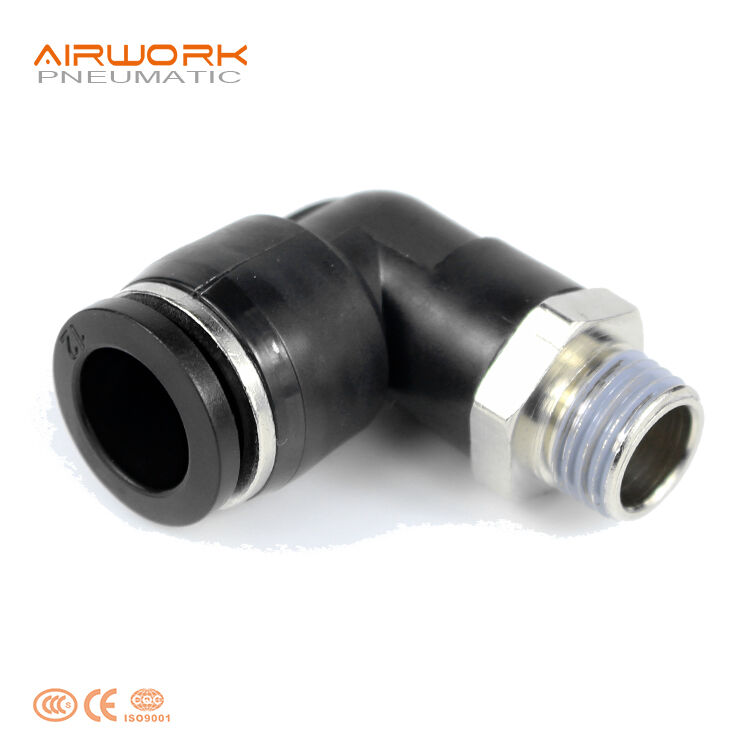
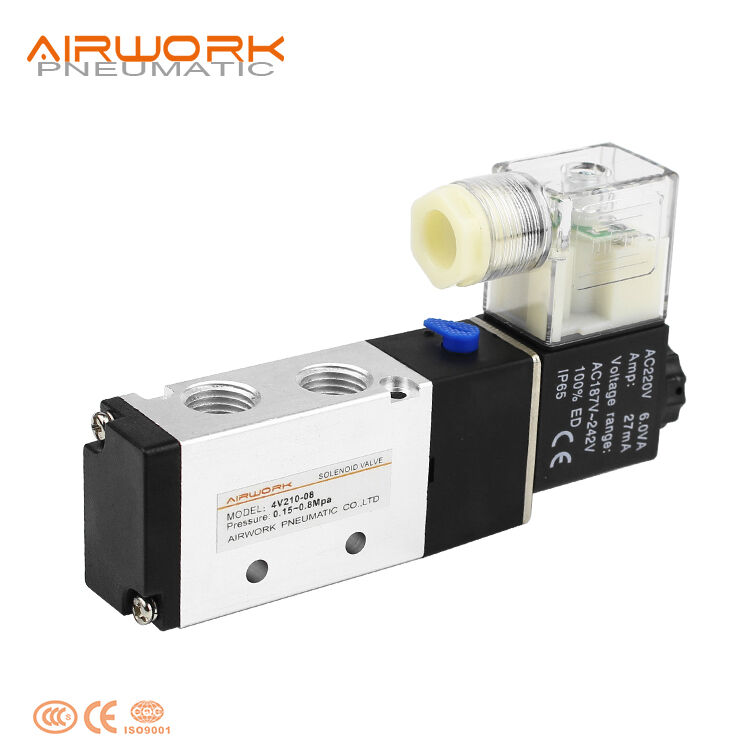
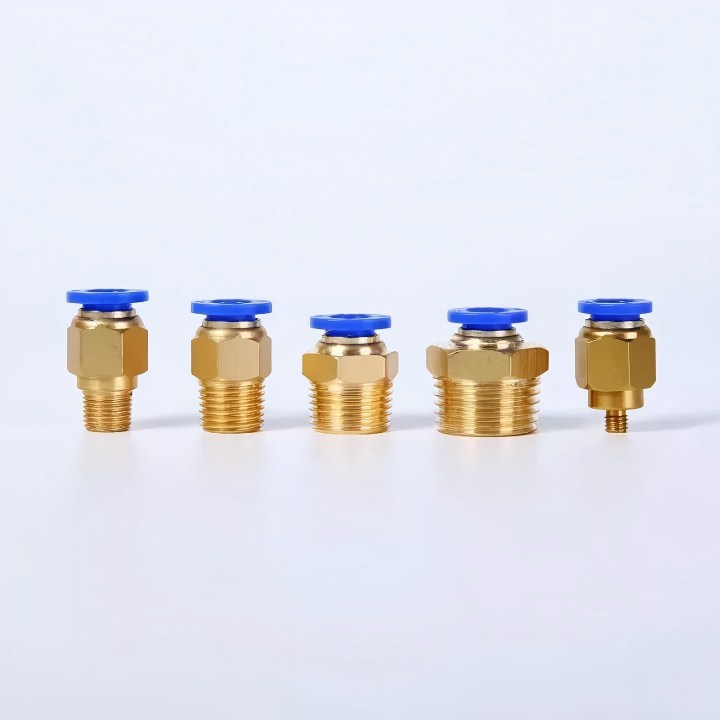
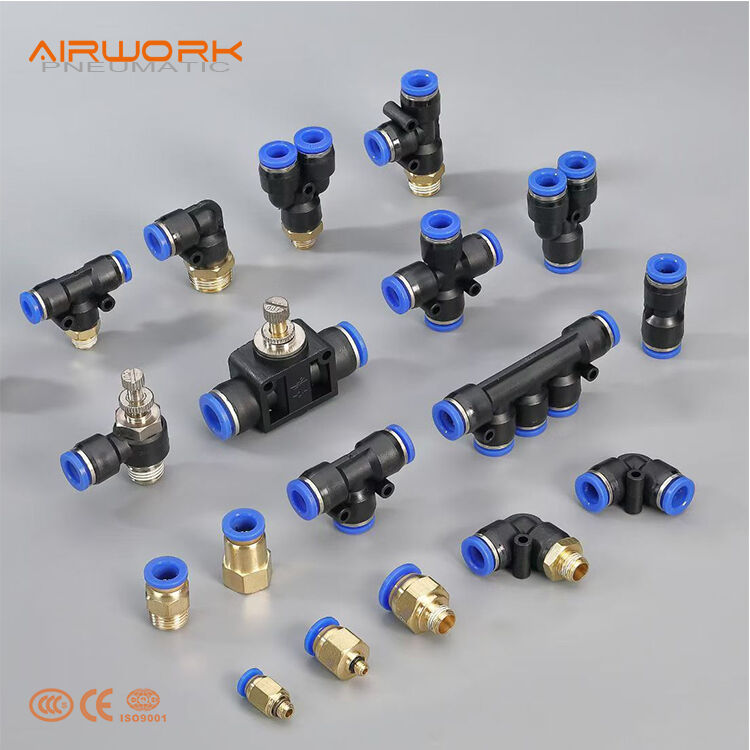
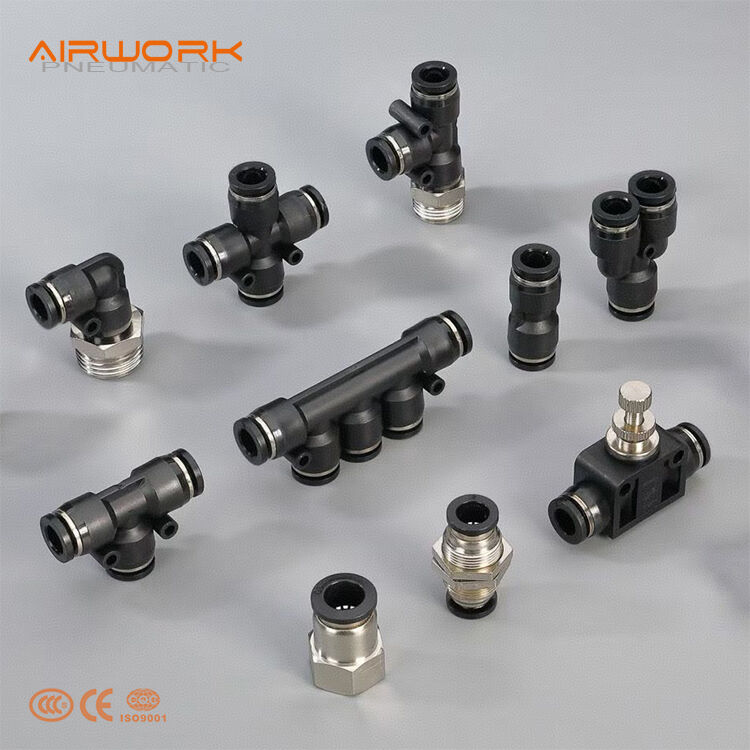
The push button pneumatic valve excels in versatile integration capabilities that enable seamless compatibility with diverse pneumatic systems and automation platforms across multiple industries. This universal compatibility stems from standardized port configurations, industry-standard mounting dimensions, and flexible connection options that accommodate various tubing sizes and fitting types commonly used in industrial pneumatic applications. The push button pneumatic valve design incorporates multiple port arrangements including 3/2-way, 5/2-way, and specialized configurations that integrate effortlessly with existing pneumatic circuits without requiring system modifications or additional adapters. This compatibility advantage reduces installation complexity and enables retrofit applications where existing pneumatic infrastructure remains unchanged. System integrators benefit from the valve's ability to interface with programmable logic controllers, distributed control systems, and other automation platforms through standard pneumatic signal protocols. The push button pneumatic valve supports both normally open and normally closed configurations, providing design flexibility for fail-safe applications and emergency shutdown systems. Mounting versatility allows installation in any orientation without performance degradation, accommodating space constraints and accessibility requirements in crowded industrial environments. The valve's compact footprint enables integration into tight spaces while maintaining full operational capability and service access for routine maintenance procedures. Universal tubing connections accept standard pneumatic tubing materials including polyurethane, nylon, and specialized chemical-resistant variants, ensuring compatibility with diverse fluid handling requirements. The push button pneumatic valve configuration options include various button styles, colors, and actuation forces to meet specific application requirements and operator preferences. Integration flexibility extends to pressure ranges, with models available for low-pressure applications through high-pressure industrial systems, ensuring optimal performance across diverse operational requirements. The standardized electrical connections, where applicable, follow industry conventions that simplify integration with existing control panels and operator interfaces. This universal approach reduces engineering time, minimizes custom component requirements, and accelerates project implementation timelines while maintaining system reliability and performance standards that meet or exceed industry specifications for industrial automation applications.

 EN
EN