High-Performance Cylinder Actuators: Precision Motion Control Solutions for Industrial Applications

All Categories

cylinder actuator

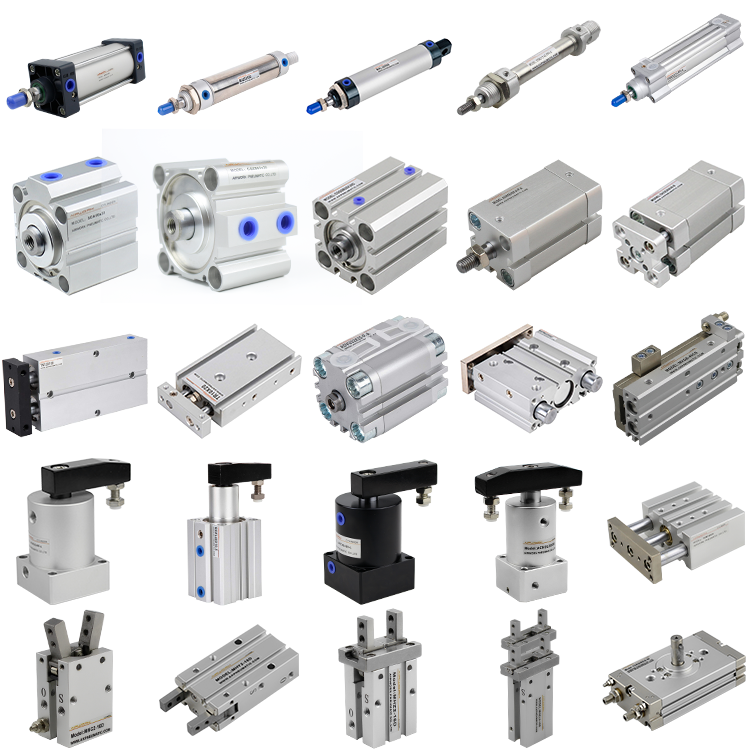
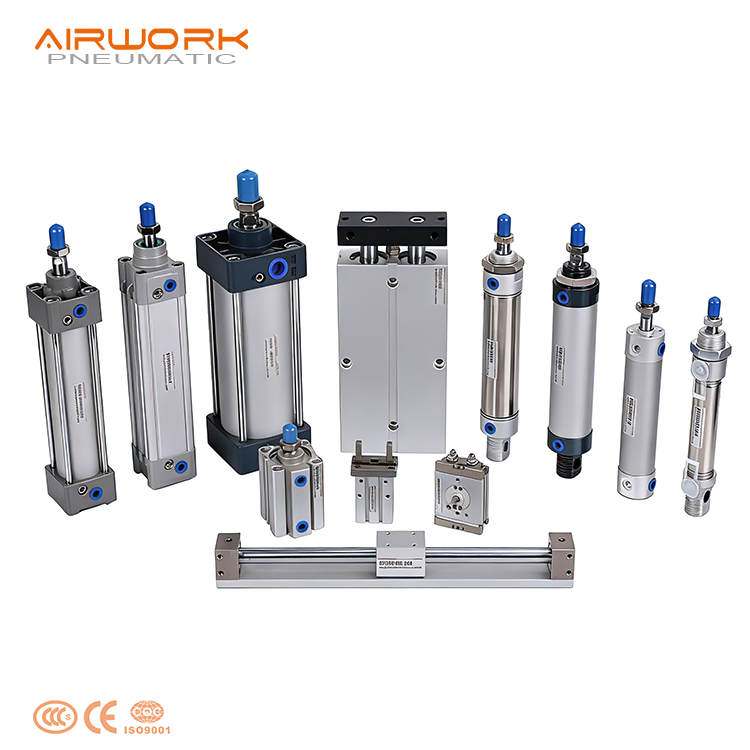
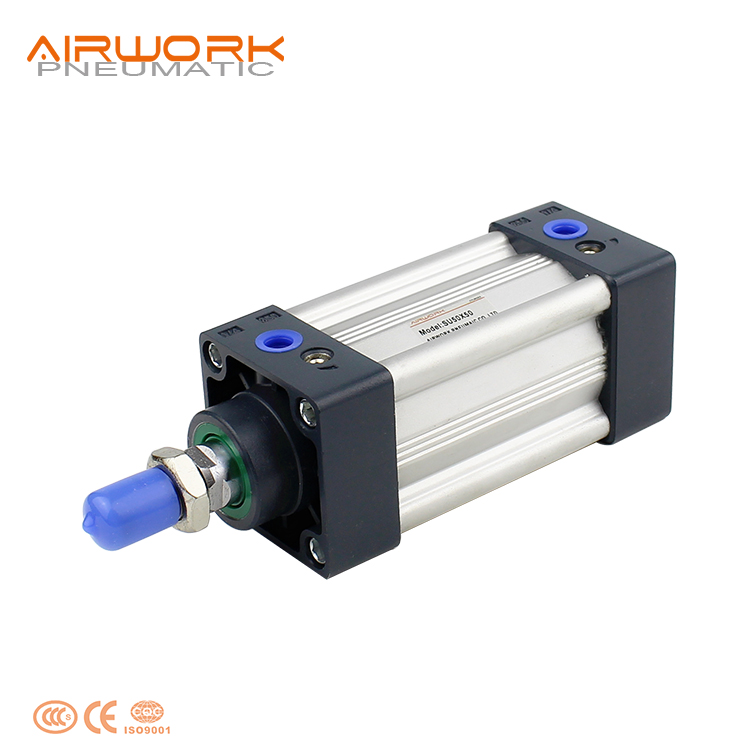
A cylinder actuator represents a fundamental mechanical device that converts various forms of energy into linear or rotary motion to perform work in countless industrial applications. This versatile component serves as the driving force behind numerous automated systems, providing precise control over movement and positioning tasks. The cylinder actuator operates through different mechanisms, including hydraulic, pneumatic, and electric systems, each offering distinct advantages for specific operational requirements. At its core, the cylinder actuator consists of a cylindrical chamber housing a piston that moves back and forth or rotates to generate the desired motion output. The main functions of cylinder actuators encompass force generation, position control, speed regulation, and directional movement management. These devices excel at converting input energy into mechanical work, making them indispensable components in manufacturing, automotive, aerospace, and construction industries. Technological features of modern cylinder actuators include advanced sealing systems that prevent leakage and maintain consistent performance over extended periods. Many units incorporate sophisticated feedback mechanisms, allowing for precise position sensing and real-time monitoring of operational parameters. Temperature compensation features ensure reliable performance across varying environmental conditions, while corrosion-resistant materials extend service life in challenging industrial environments. The cylinder actuator design often includes adjustable stroke lengths, variable force outputs, and customizable mounting configurations to meet specific application demands. Smart cylinder actuators now integrate digital communication protocols, enabling seamless integration with modern automation systems and remote monitoring capabilities. Applications for cylinder actuators span across diverse sectors, from simple door opening mechanisms to complex robotic assembly lines. In manufacturing environments, these devices power conveyor systems, material handling equipment, and precision positioning stages. The automotive industry relies heavily on cylinder actuators for engine components, transmission systems, and automated assembly processes. Construction equipment utilizes heavy-duty cylinder actuators for lifting, digging, and material movement operations, while aerospace applications demand high-precision units for flight control surfaces and landing gear systems.

New Product Releases

Cylinder actuators deliver exceptional reliability that translates directly into reduced downtime and lower maintenance costs for your operations. These robust devices operate consistently across millions of cycles, providing dependable performance that keeps production lines running smoothly without unexpected interruptions. The reliable nature of cylinder actuators stems from their simple yet effective design, which minimizes the number of moving parts and reduces potential failure points. This reliability advantage means you can schedule maintenance proactively rather than dealing with costly emergency repairs that disrupt your workflow. Cost-effectiveness represents another significant advantage, as cylinder actuators offer an excellent return on investment through their long service life and minimal maintenance requirements. Unlike complex mechanical alternatives, these devices require less frequent replacement and consume fewer resources over their operational lifetime. The initial investment in quality cylinder actuators pays dividends through years of trouble-free service, making them an economically sound choice for businesses seeking to optimize their operational expenses. Energy efficiency stands out as a crucial benefit, particularly important in today's environmentally conscious business climate. Modern cylinder actuators convert input energy into useful work with impressive efficiency ratings, reducing overall energy consumption and lowering utility costs. This efficiency advantage becomes more pronounced in high-volume applications where energy savings accumulate significantly over time. Precision control capabilities enable cylinder actuators to perform tasks with remarkable accuracy, essential for maintaining product quality and meeting strict manufacturing tolerances. The ability to achieve repeatable positioning within fractions of an inch or degree ensures consistent output quality and reduces waste from defective products. This precision advantage proves particularly valuable in applications requiring exact measurements or delicate handling procedures. Versatility makes cylinder actuators suitable for an enormous range of applications, from light-duty positioning tasks to heavy industrial lifting operations. This adaptability means you can standardize on cylinder actuator technology across multiple applications, simplifying procurement, training, and maintenance procedures. The versatile nature of these devices allows for easy integration into existing systems and straightforward scaling as your operational needs evolve. Installation simplicity reduces implementation costs and minimizes disruption to ongoing operations. Most cylinder actuators feature standardized mounting interfaces and straightforward connection procedures that skilled technicians can complete quickly and efficiently. This ease of installation advantage means faster project completion times and reduced labor costs during system upgrades or expansions.

Latest News

Pneumatic fittings used in water

25

Feb

Pneumatic fittings used in water

View More
Basic knowledge of pneumatic air cylinders

25

Feb

Basic knowledge of pneumatic air cylinders

View More
Air Source Treatment Unit:The

25

Feb

Air Source Treatment Unit:The "Guardians" and Core Components of Pneumatic Systems

View More

Get a Free Quote

Our representative will contact you soon.
Email
Name
Company Name
Message
0/1000

cylinder actuator

Superior Force-to-Size Ratio Engineering

Superior Force-to-Size Ratio Engineering

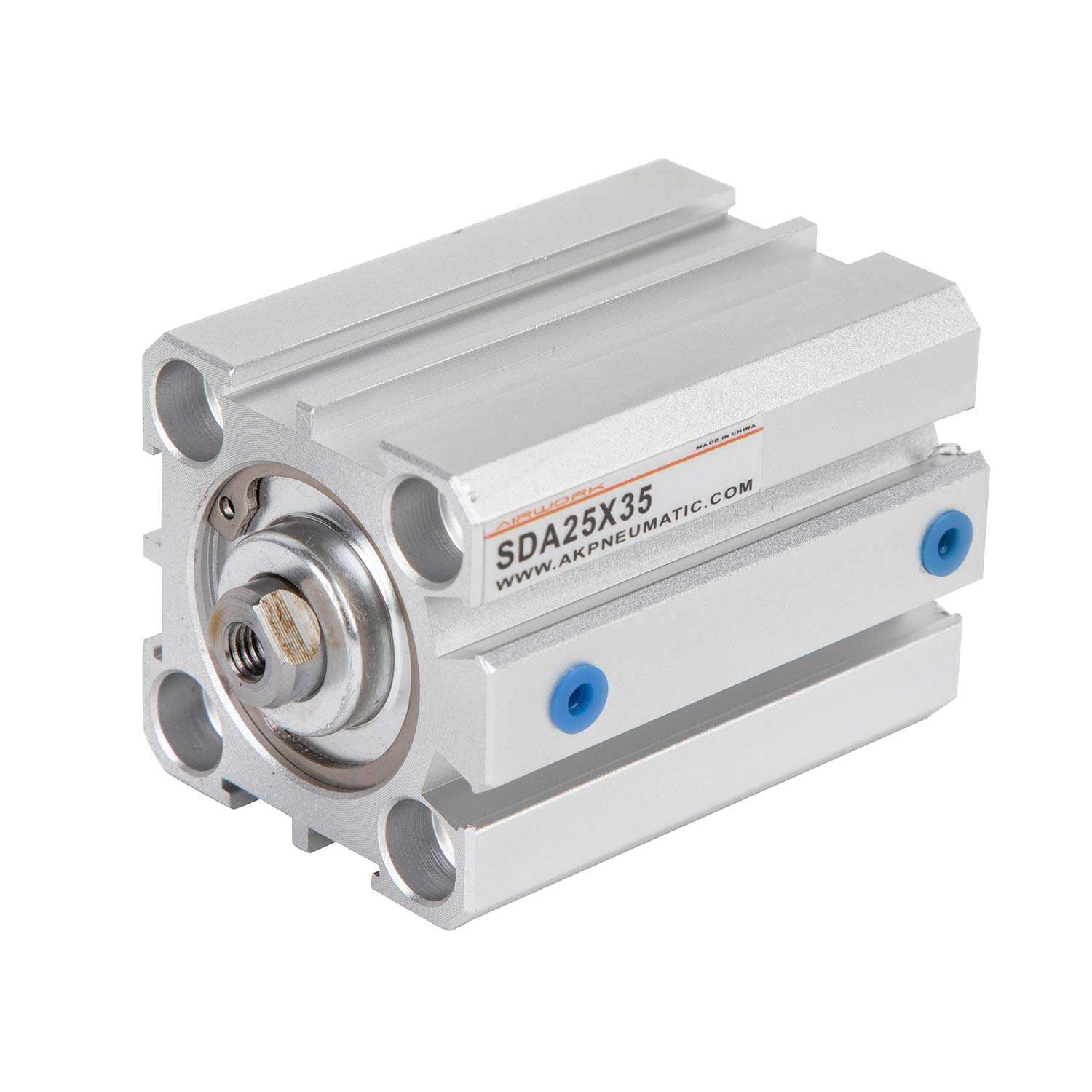
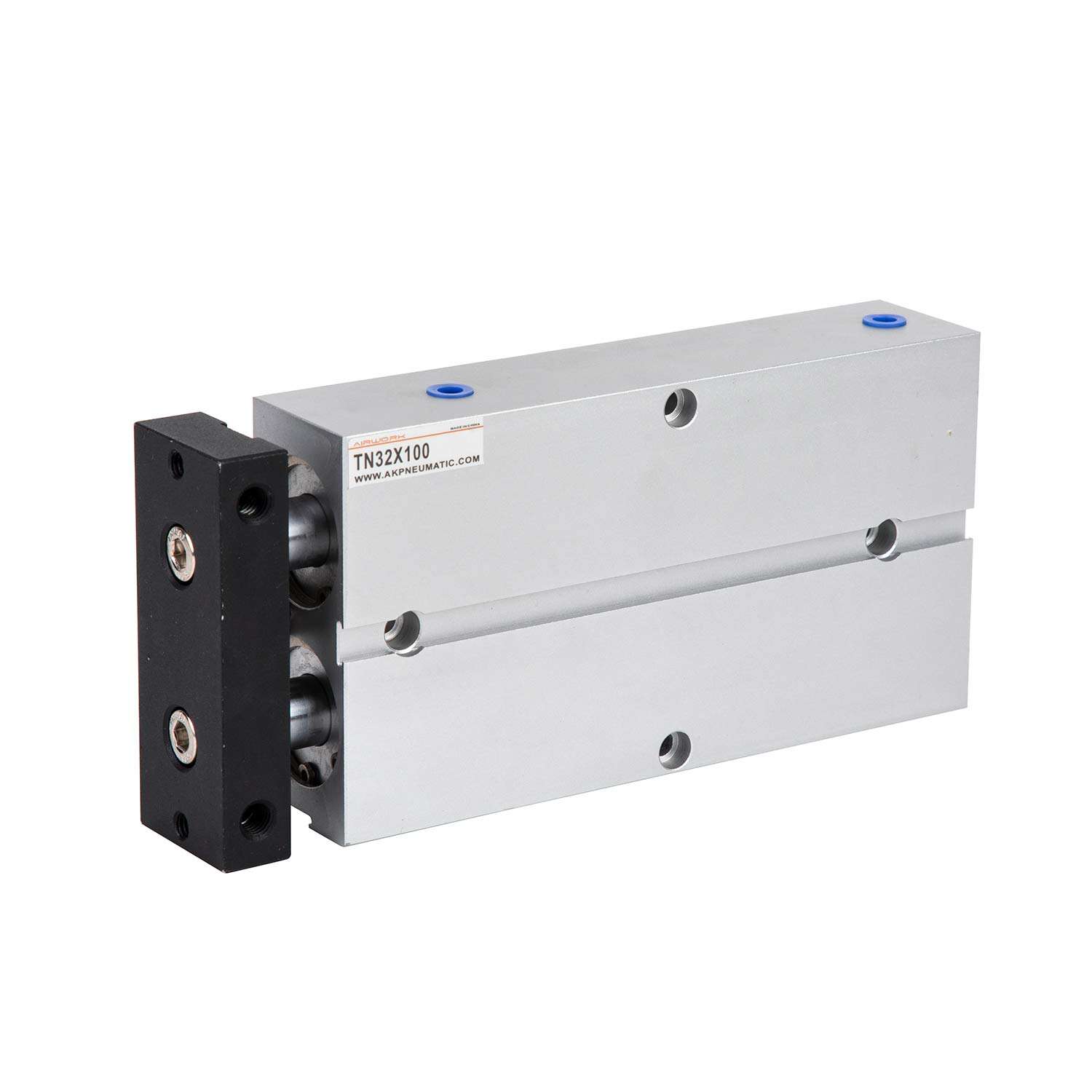
The cylinder actuator achieves an outstanding force-to-size ratio that sets it apart from alternative motion control solutions, delivering exceptional power output while maintaining compact dimensions that fit into space-constrained applications. This engineering excellence results from advanced materials science and precision manufacturing techniques that maximize the effective working area within the cylinder bore while minimizing overall device footprint. The superior force-to-size ratio translates into tangible benefits for customers who need powerful actuation in limited installation spaces, making it possible to achieve high force outputs without requiring oversized mounting structures or extensive facility modifications. Modern cylinder actuator designs incorporate high-strength aluminum alloys and composite materials that provide excellent strength-to-weight ratios, further enhancing the power density advantage. The internal piston design utilizes optimized geometry that maximizes the pressure-bearing surface area, allowing the cylinder actuator to generate substantial forces even at moderate operating pressures. This characteristic proves particularly valuable in applications where space constraints limit equipment size but performance requirements remain demanding. The compact design philosophy extends beyond mere size considerations to encompass weight optimization, making cylinder actuators ideal for mobile applications and overhead mounting situations where excessive weight would create structural challenges. Advanced sealing technologies contribute to the force-to-size advantage by maintaining pressure integrity with minimal seal bulk, allowing more of the cylinder volume to be dedicated to productive work rather than accommodation of oversized sealing components. The manufacturing precision achieved in modern cylinder actuator production ensures that dimensional tolerances remain tight, permitting optimal utilization of available space while maintaining reliable operation. This superior force-to-size ratio enables engineers to design more compact machinery and equipment, leading to material savings, reduced shipping costs, and easier installation procedures. The space efficiency also allows for higher equipment density in manufacturing facilities, maximizing productivity per square foot of floor space. Customers benefit from this engineering excellence through lower total system costs, improved equipment portability, and enhanced flexibility in equipment layout and positioning decisions that optimize workflow efficiency.
Advanced Multi-Environment Adaptability

Advanced Multi-Environment Adaptability

The cylinder actuator demonstrates remarkable adaptability across diverse operating environments, from extreme temperature conditions to corrosive atmospheres and high-vibration scenarios, ensuring reliable performance regardless of challenging environmental factors. This adaptability stems from comprehensive engineering approaches that address potential environmental stressors through material selection, protective coatings, and robust design philosophies that anticipate real-world operating conditions. Temperature tolerance represents a critical aspect of environmental adaptability, with modern cylinder actuators functioning effectively across temperature ranges spanning from sub-zero conditions to elevated industrial process temperatures. The materials used in construction undergo careful selection to maintain their mechanical properties across these temperature extremes, while specialized sealing compounds ensure leak-tight operation without degradation over time. Thermal expansion compensation features prevent binding or performance deterioration when temperature fluctuations occur during normal operation cycles. Corrosion resistance capabilities enable cylinder actuators to operate in chemically aggressive environments without premature failure or performance degradation. Advanced coating systems and corrosion-resistant alloys protect critical surfaces from chemical attack, extending service life and maintaining performance standards even when exposed to harsh industrial chemicals, salt spray, or other corrosive agents. The protective measures extend throughout the entire cylinder actuator assembly, including internal components that might otherwise suffer from chemical exposure through seal permeation or other pathways. Vibration tolerance ensures stable operation in high-dynamic applications where mechanical shock and continuous vibration could otherwise cause premature wear or operational instability. Reinforced mounting systems and internal component designs accommodate these dynamic loads without compromising accuracy or reliability. The vibration resistance features prove particularly valuable in mobile equipment applications and industrial environments where heavy machinery operation creates challenging vibrational conditions. Contamination protection mechanisms prevent dust, debris, and other particulates from interfering with cylinder actuator operation, maintaining performance standards even in dirty industrial environments. Advanced wiping systems and protective bellows arrangements exclude contaminants while allowing full operational stroke capability. This environmental adaptability provides customers with confidence that their cylinder actuator investment will deliver consistent performance across varying operational conditions without requiring frequent maintenance interventions or premature replacement due to environmental degradation.
Intelligent Diagnostic and Monitoring Integration

Intelligent Diagnostic and Monitoring Integration

Modern cylinder actuators incorporate sophisticated diagnostic and monitoring capabilities that provide real-time operational insights, predictive maintenance indicators, and comprehensive performance analytics that help customers optimize system efficiency and prevent costly unplanned downtime. These intelligent features transform traditional mechanical devices into smart system components that actively contribute to overall operational intelligence and maintenance planning strategies. The diagnostic capabilities include continuous monitoring of critical operating parameters such as pressure levels, temperature variations, stroke positions, and cycling frequencies that provide comprehensive operational visibility. Advanced sensor integration allows the cylinder actuator to detect developing issues before they result in system failures, enabling proactive maintenance scheduling that minimizes production disruptions and reduces overall maintenance costs. The monitoring systems can identify gradual performance degradation, unusual operating patterns, and potential failure modes that might otherwise go unnoticed until catastrophic failure occurs. Data logging capabilities store operational history that proves invaluable for performance analysis, warranty documentation, and optimization of operating parameters to extend service life. The stored information includes cycle counts, load histories, temperature exposures, and maintenance activities that create comprehensive service records supporting informed decision-making about replacement timing and operational adjustments. This historical data proves particularly valuable for high-reliability applications where performance predictability is essential for maintaining operational continuity. Remote monitoring capabilities enable centralized oversight of cylinder actuator performance across distributed installations, reducing the need for routine inspection visits and enabling more efficient maintenance resource allocation. The communication protocols integrate seamlessly with modern industrial automation systems, allowing cylinder actuator status information to be incorporated into comprehensive facility monitoring dashboards and maintenance management systems. Alert generation features notify operators and maintenance personnel when operating parameters exceed predetermined limits or when scheduled maintenance intervals approach, ensuring timely attention to developing issues before they impact production. The intelligent diagnostic information helps maintenance teams prioritize their efforts based on actual component condition rather than arbitrary time-based schedules, improving maintenance efficiency and reducing unnecessary interventions. Predictive analytics capabilities analyze operational trends to forecast remaining useful life and optimal replacement timing, supporting strategic maintenance planning and budget allocation decisions that maximize return on equipment investment while maintaining operational reliability standards.

Get a Free Quote

Our representative will contact you soon.
Email
Name
Company Name
Message
0/1000