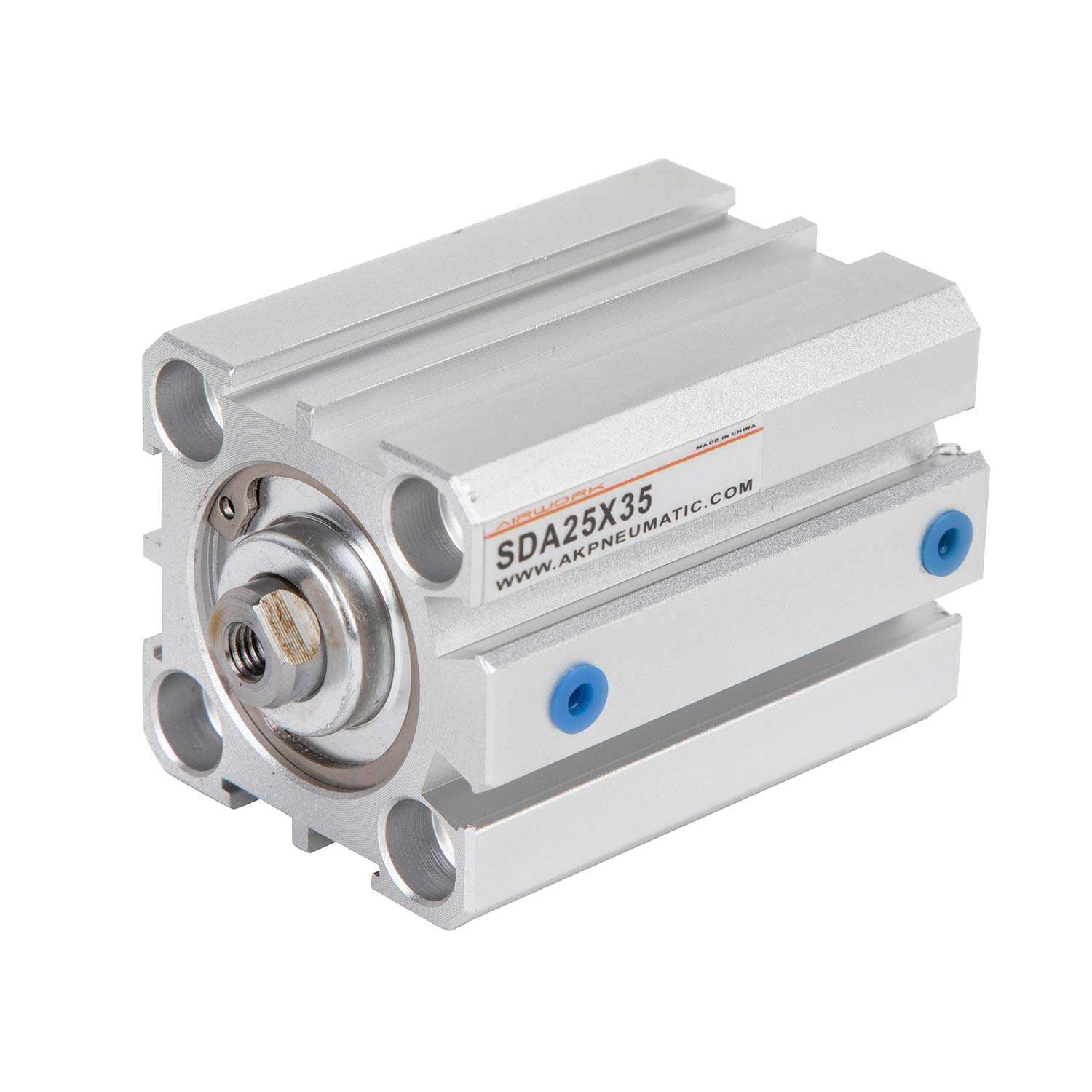
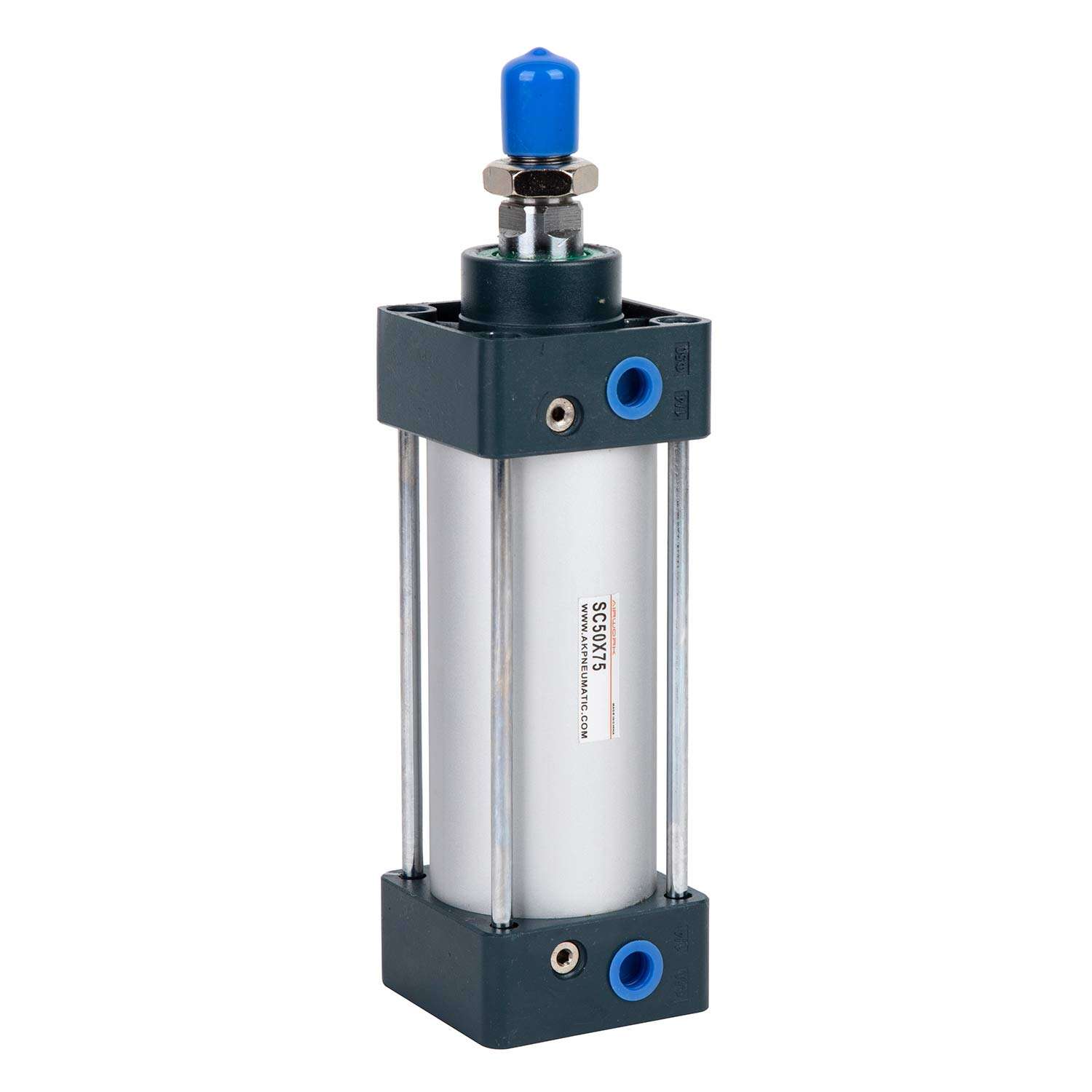
air operated valve actuators
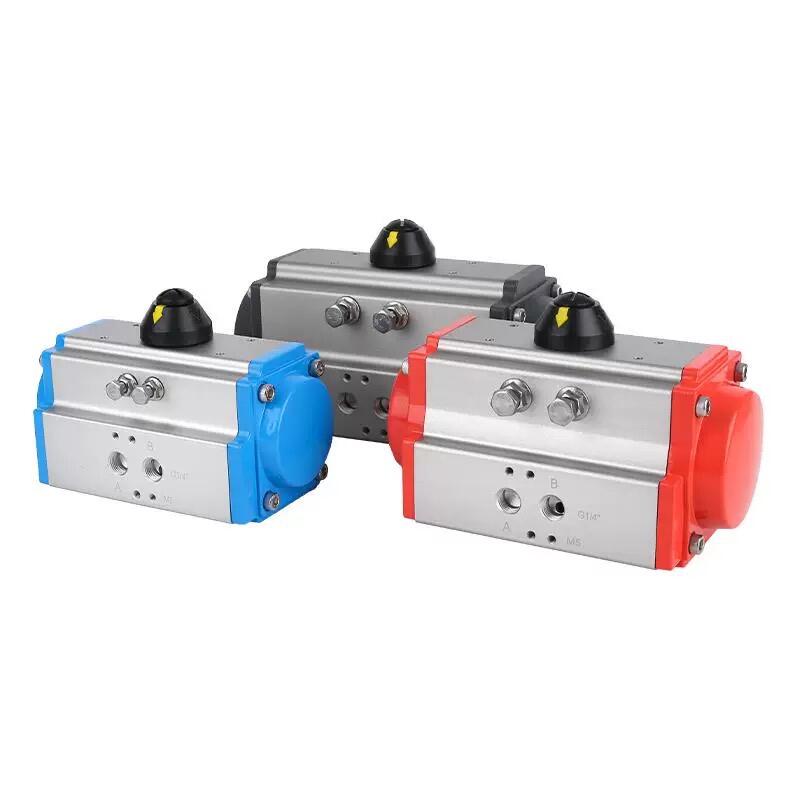
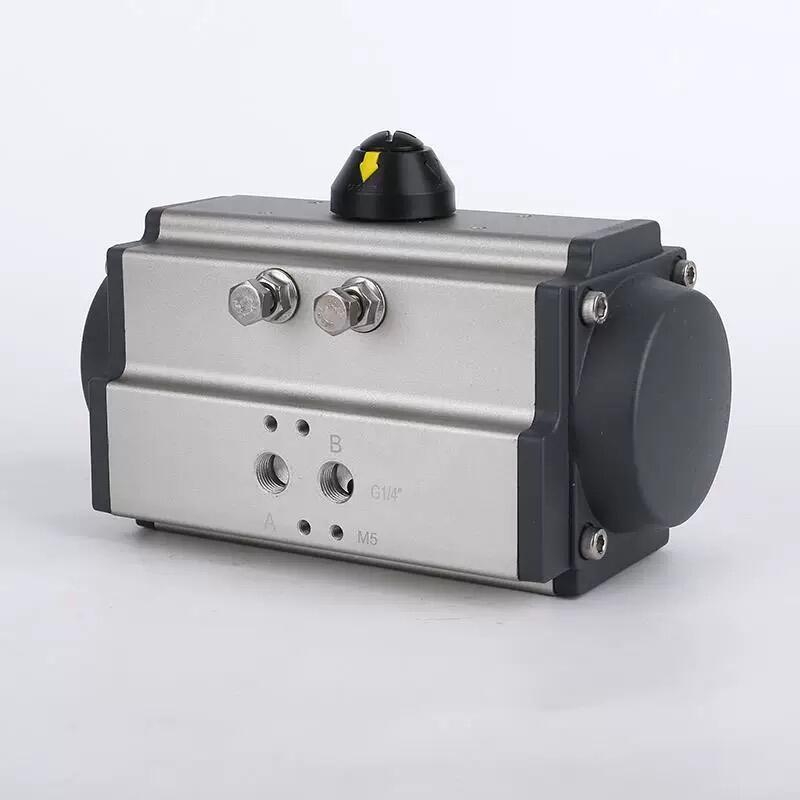
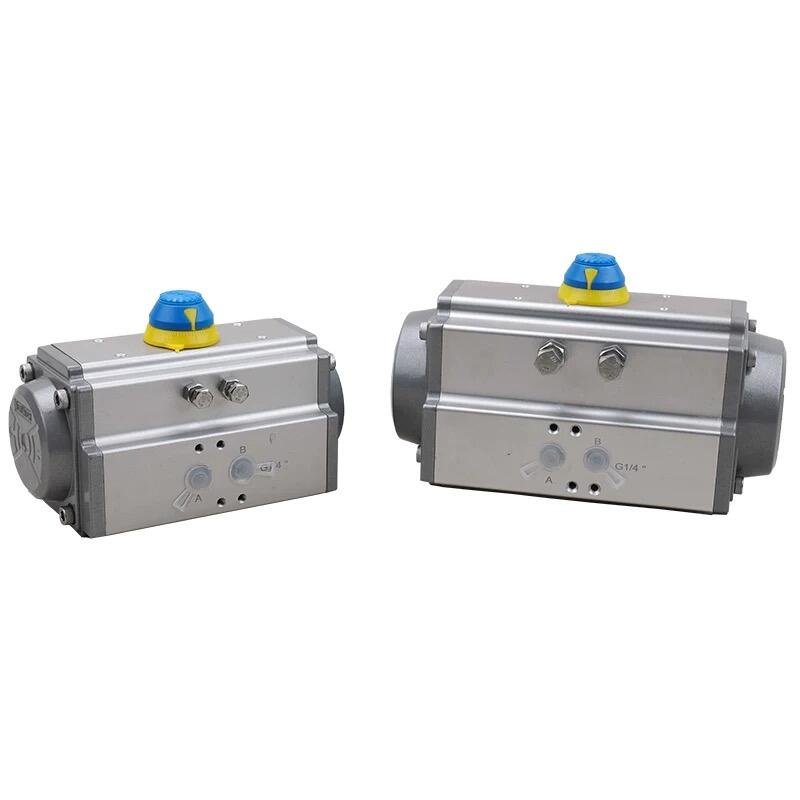
Air operated valve actuators represent sophisticated pneumatic control devices that utilize compressed air to operate valves across various industrial applications. These actuators convert compressed air pressure into mechanical motion, enabling precise control of fluid flow through pipelines and process systems. The fundamental operation relies on a diaphragm or piston mechanism that responds to air pressure changes, creating reliable valve positioning without requiring electrical power sources. Air operated valve actuators feature robust construction with materials engineered to withstand harsh industrial environments, including corrosive chemicals, extreme temperatures, and high-pressure conditions. The technological architecture incorporates precision-machined components, advanced sealing systems, and fail-safe mechanisms that ensure consistent performance over extended operational periods. These devices typically include position feedback systems, manual override capabilities, and adjustable stroke settings to accommodate diverse valve configurations. Modern air operated valve actuators integrate smart positioning technology, allowing for precise control signals and remote monitoring capabilities. The actuator housing protects internal components from environmental contaminants while maintaining accessibility for maintenance procedures. Spring-return mechanisms provide automatic valve positioning during air supply interruptions, enhancing system safety. Applications span numerous industries including oil and gas processing, chemical manufacturing, water treatment facilities, power generation plants, and pharmaceutical production. In refinery operations, air operated valve actuators control critical processes such as distillation column management, pipeline switching, and emergency shutdown procedures. Chemical plants utilize these actuators for batch processing, reactor control, and hazardous material handling. Water treatment systems depend on air operated valve actuators for filtration processes, chemical dosing, and flow regulation. The versatility of these devices enables integration with various valve types including ball valves, butterfly valves, globe valves, and gate valves, making them essential components in modern industrial automation systems.

 EN
EN