Pneumatic Actuation Systems: Reliable Industrial Automation Solutions

All Categories

pneumatic actuation system

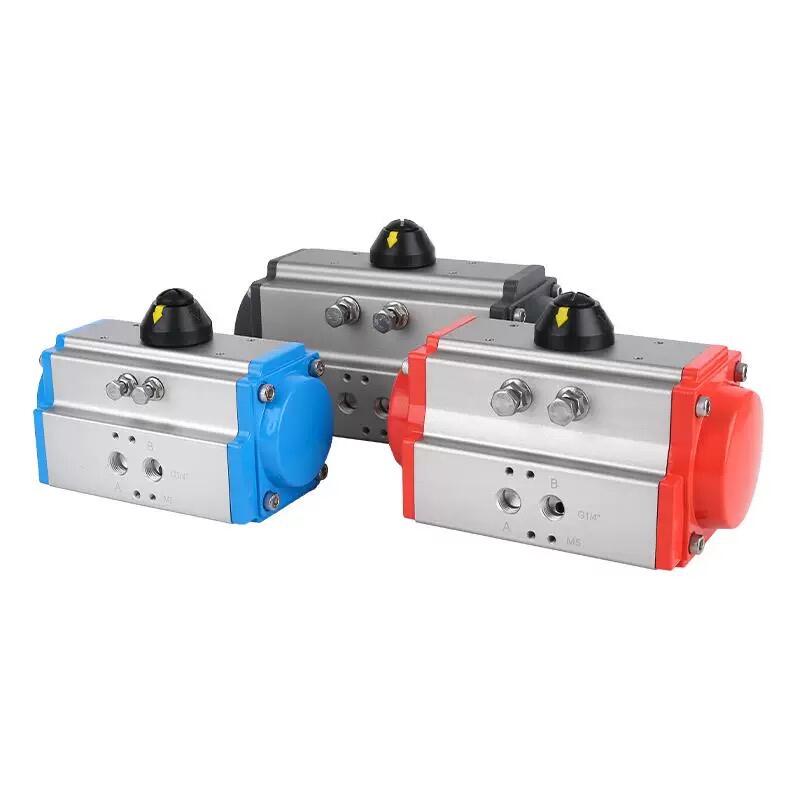
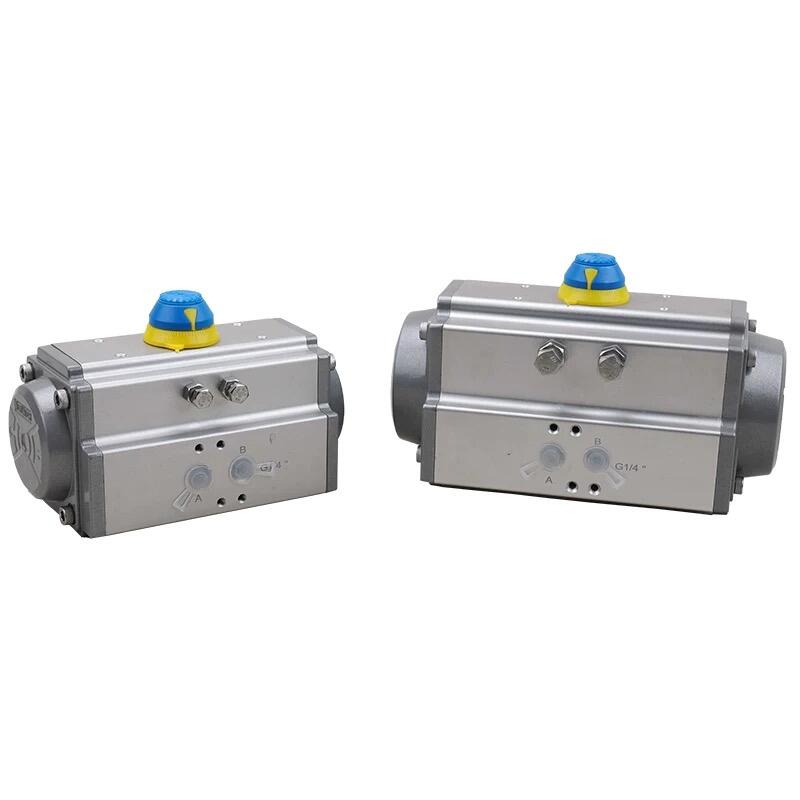
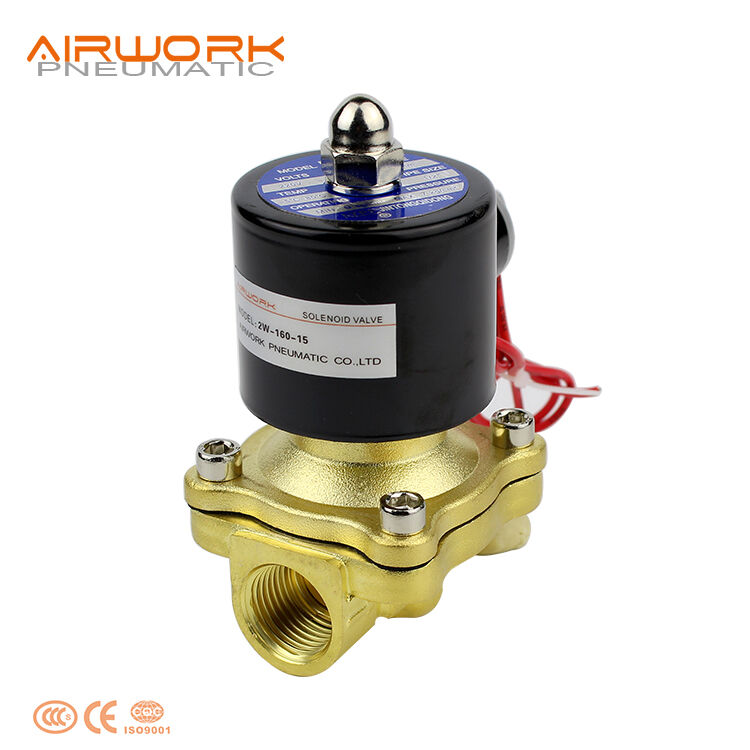
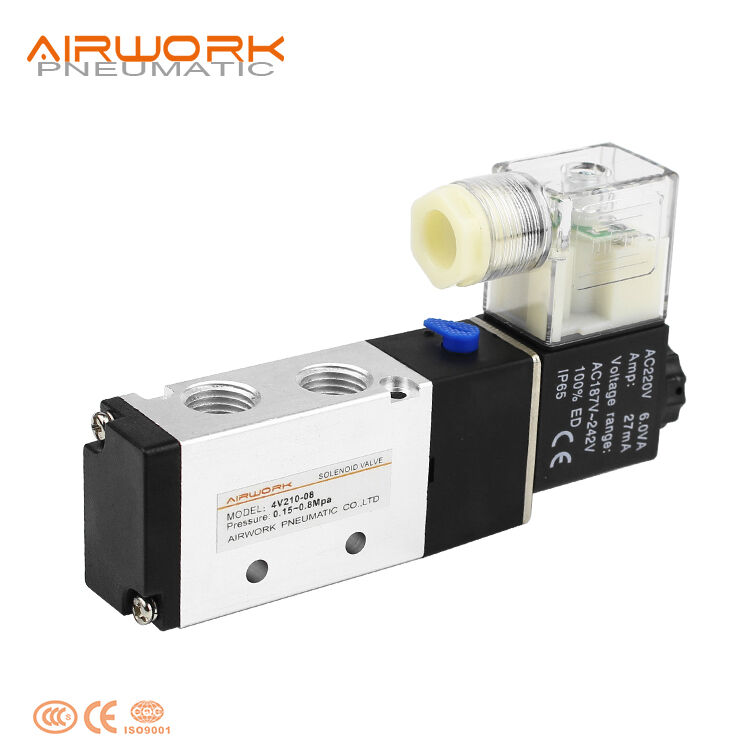
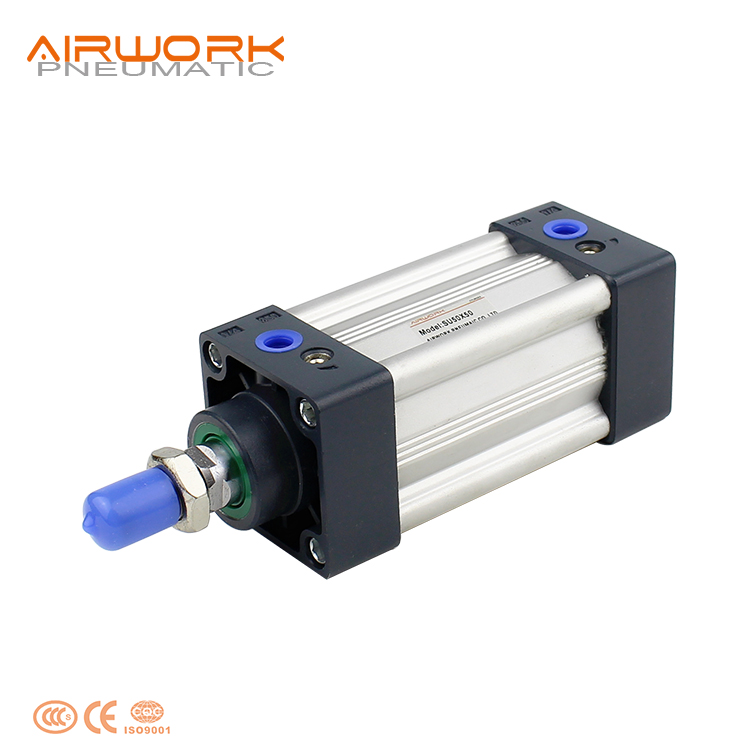
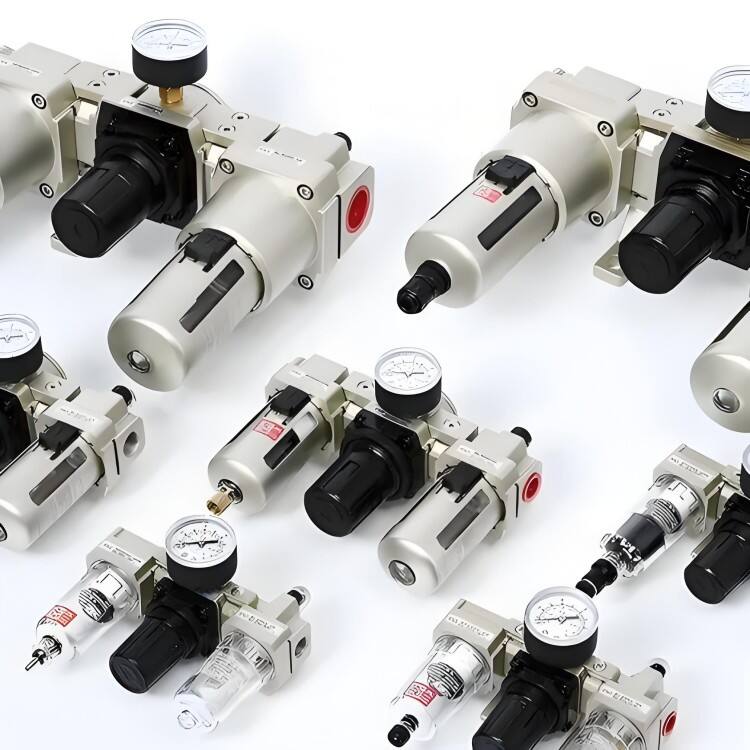
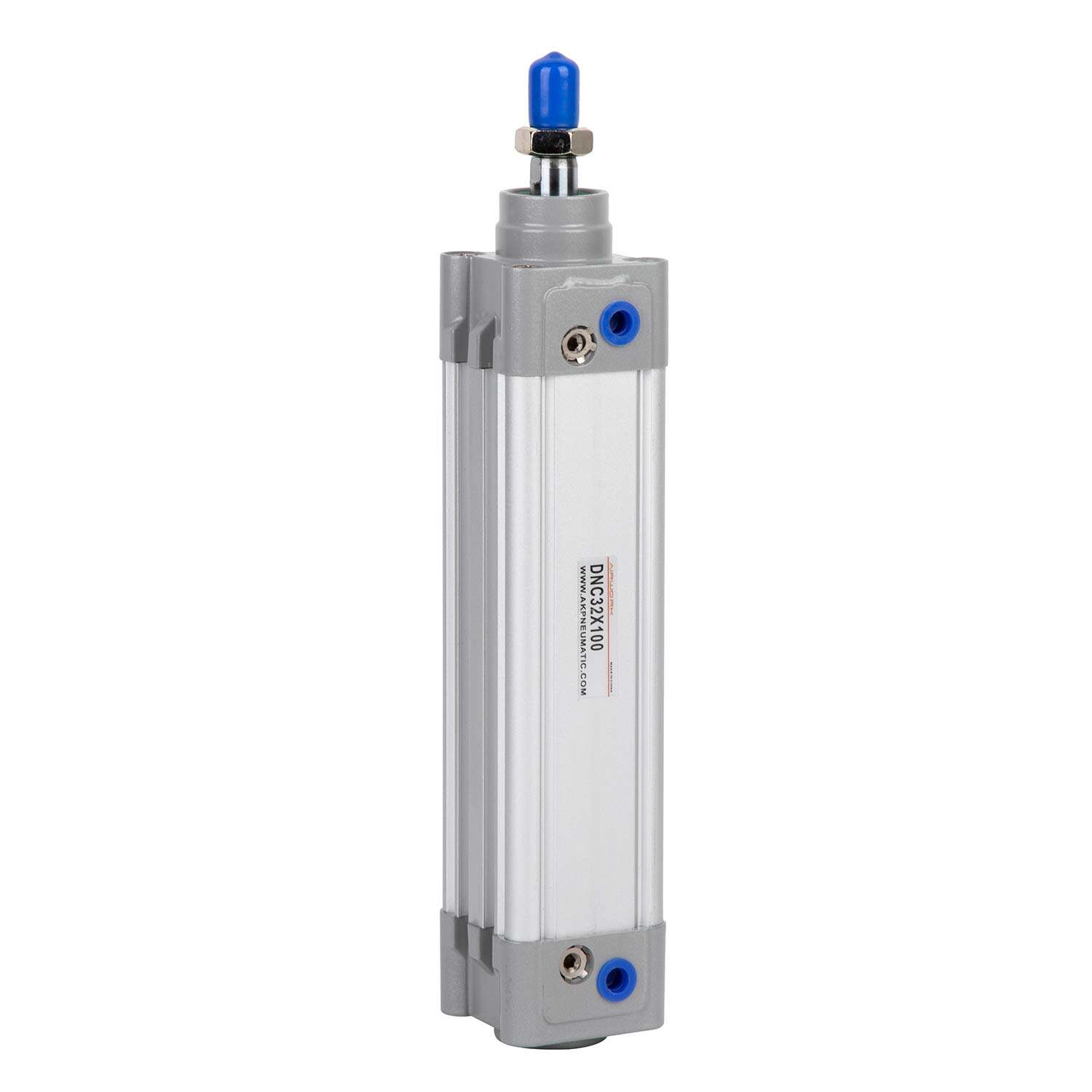
A pneumatic actuation system represents a sophisticated automation technology that harnesses compressed air to generate mechanical motion and control various industrial processes. This innovative system converts pneumatic energy into linear or rotary movement, enabling precise control of valves, dampers, and other mechanical components across diverse applications. The pneumatic actuation system operates through a network of compressed air distribution, control valves, and actuators that work harmoniously to deliver reliable performance. At its core, the system utilizes compressed air stored in reservoirs and distributed through carefully designed piping networks to power actuators positioned throughout industrial facilities. The main functions of a pneumatic actuation system encompass process automation, safety shutdown operations, and remote equipment control. These systems excel in environments where electrical equipment poses safety concerns, particularly in hazardous locations with explosive atmospheres. The technological features of modern pneumatic actuation systems include intelligent positioners, digital communication protocols, and advanced diagnostic capabilities that enhance operational efficiency. Smart positioners integrated within the pneumatic actuation system provide precise valve positioning and real-time feedback, ensuring optimal process control. The system incorporates fail-safe mechanisms that automatically position equipment in predetermined safe states during power failures or emergencies. Advanced pneumatic actuation systems feature modular designs that facilitate easy installation, maintenance, and component replacement. Digital communication interfaces enable seamless integration with distributed control systems and plant automation networks. Applications for pneumatic actuation systems span across oil and gas processing, chemical manufacturing, power generation, water treatment, and pharmaceutical production. These systems prove particularly valuable in remote locations where electrical power availability is limited or unreliable. The versatility of pneumatic actuation systems makes them suitable for controlling butterfly valves, ball valves, gate valves, and specialized process equipment requiring precise positioning and dependable operation under challenging environmental conditions.

Popular Products

Pneumatic actuation systems deliver exceptional reliability that surpasses many alternative automation technologies, making them the preferred choice for critical industrial applications. These systems operate effectively in extreme temperature conditions, from arctic environments to high-heat processing facilities, where other technologies might fail. The inherent safety characteristics of pneumatic actuation systems eliminate fire and explosion risks associated with electrical equipment, particularly crucial in oil refineries, chemical plants, and gas processing facilities. Compressed air provides clean, non-contaminating power that prevents product contamination in food processing and pharmaceutical manufacturing applications. The simplicity of pneumatic actuation systems reduces maintenance requirements and operational complexity, allowing facility personnel to perform routine servicing without specialized training. Quick response times characterize pneumatic actuation systems, enabling rapid valve positioning and emergency shutdown operations when process safety demands immediate action. Cost-effectiveness represents a significant advantage, as pneumatic actuation systems require lower initial investment compared to electric or hydraulic alternatives while delivering comparable performance. The modular construction of these systems allows for easy expansion and modification as facility requirements evolve over time. Pneumatic actuation systems operate silently, contributing to improved working conditions and compliance with noise regulations in industrial environments. The absence of electrical components eliminates concerns about electromagnetic interference, ensuring consistent operation in facilities with sensitive electronic equipment. Energy efficiency improvements result from the ability to store compressed air during off-peak periods and utilize it when electrical costs are highest. Remote operation capabilities enable centralized control of widely distributed equipment without extensive electrical infrastructure investment. The proven technology behind pneumatic actuation systems provides confidence in long-term reliability, with many installations operating successfully for decades with minimal intervention. Standardized components and widespread availability of replacement parts ensure minimal downtime and cost-effective maintenance throughout the system lifecycle. Environmental benefits include the use of clean compressed air as the power medium, eliminating concerns about hydraulic fluid leaks or electrical waste disposal.

Tips And Tricks

Pneumatic fittings used in water

25

Feb

Pneumatic fittings used in water

View More
Basic knowledge of pneumatic air cylinders

25

Feb

Basic knowledge of pneumatic air cylinders

View More
Air Source Treatment Unit:The

25

Feb

Air Source Treatment Unit:The "Guardians" and Core Components of Pneumatic Systems

View More

Get a Free Quote

Our representative will contact you soon.
Email
Name
Company Name
Message
0/1000

pneumatic actuation system

Superior Safety and Reliability in Hazardous Environments

Superior Safety and Reliability in Hazardous Environments

The pneumatic actuation system stands out as the safest automation solution for hazardous industrial environments where explosive gases, vapors, or dust particles create dangerous conditions. Unlike electrical systems that can generate sparks and ignite volatile substances, pneumatic actuation systems use compressed air as their power source, completely eliminating ignition risks. This intrinsic safety makes the pneumatic actuation system indispensable in oil refineries, gas processing plants, chemical manufacturing facilities, and mining operations where even the smallest spark could trigger catastrophic explosions. The system maintains full functionality in environments classified as Zone 1 and Zone 2 hazardous areas without requiring expensive explosion-proof enclosures or specialized electrical equipment. Additionally, the pneumatic actuation system demonstrates remarkable resilience to electromagnetic interference, power surges, and voltage fluctuations that commonly plague electrical systems in industrial settings. The compressed air power medium remains stable and consistent, ensuring predictable actuator performance regardless of external electrical disturbances. This reliability extends to extreme weather conditions where electrical systems might suffer from moisture ingress, corrosion, or temperature-induced failures. The pneumatic actuation system continues operating effectively in temperatures ranging from -40°F to 200°F, making it suitable for arctic installations and high-temperature process applications. The fail-safe design philosophy inherent in pneumatic actuation systems provides additional safety layers, automatically positioning valves and equipment in predetermined safe states when air pressure drops or control signals are lost. This feature prevents dangerous process conditions and protects both personnel and equipment from harm. The robust construction of pneumatic components withstands harsh industrial environments, including exposure to corrosive chemicals, vibration, and mechanical stress that would damage more delicate electrical equipment. Maintenance personnel appreciate the straightforward troubleshooting procedures and the ability to service pneumatic actuation systems without specialized electrical safety training or lockout procedures required for energized electrical equipment.
Cost-Effective Implementation and Operation

Cost-Effective Implementation and Operation

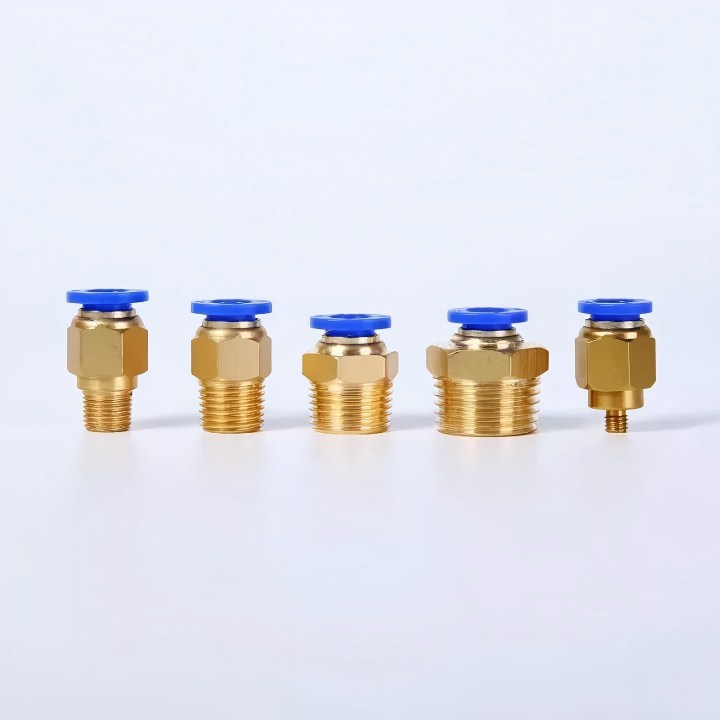
The pneumatic actuation system delivers exceptional value through lower total cost of ownership compared to electric or hydraulic alternatives, making it an economically attractive choice for industrial automation projects. Initial installation costs remain significantly lower because pneumatic actuation systems require less complex infrastructure than electrical systems, eliminating the need for extensive conduit runs, junction boxes, and electrical panels throughout industrial facilities. The compressed air distribution network supporting the pneumatic actuation system often utilizes existing plant air systems, reducing installation expenses and project timelines. Simple push-in fittings and standard piping components accelerate installation while reducing labor costs associated with complex electrical wiring and terminations. Operating expenses decrease substantially due to the energy-efficient nature of pneumatic actuation systems, particularly when facilities implement compressed air storage and management strategies. The system allows operators to generate and store compressed air during off-peak electrical rate periods, then utilize stored energy during expensive peak demand times, resulting in significant utility cost savings. Maintenance costs remain minimal because pneumatic actuation systems contain fewer moving parts and electronic components compared to electric actuators, reducing component failure rates and replacement expenses. The standardized nature of pneumatic components ensures competitive pricing and widespread availability of replacement parts from multiple suppliers, preventing vendor lock-in situations that inflate long-term costs. Training expenses are reduced because pneumatic actuation systems employ familiar compressed air technology that most maintenance personnel already understand, eliminating the need for specialized electrical or electronic training programs. The durability and longevity of pneumatic components translate into extended service intervals and reduced lifecycle replacement costs. Many pneumatic actuation systems operate reliably for fifteen to twenty years with basic preventive maintenance, while electrical systems often require component upgrades or replacements every five to ten years due to technological obsolescence or electronic component degradation. The simplicity of pneumatic controls also reduces commissioning time and startup costs, allowing facilities to achieve faster return on investment from automation projects implementing pneumatic actuation systems.
Exceptional Performance in Demanding Applications

Exceptional Performance in Demanding Applications

The pneumatic actuation system excels in demanding industrial applications where precise control, rapid response, and consistent performance are critical for process optimization and safety. These systems deliver exceptional torque output relative to their size and weight, enabling control of large valves and heavy equipment that would require significantly larger electric actuators. The high power-to-weight ratio of pneumatic actuation systems makes them ideal for applications where space constraints or structural limitations prevent installation of bulkier alternatives. Response times measured in milliseconds enable the pneumatic actuation system to execute emergency shutdown sequences faster than human operators could manually respond, preventing equipment damage and ensuring personnel safety during upset conditions. The linear force characteristics of pneumatic cylinders provide consistent performance throughout the entire stroke length, unlike electric actuators that may experience torque variations or speed changes during operation. Advanced pneumatic actuation systems incorporate intelligent positioners that provide precise valve positioning accuracy within 0.1% of full scale, meeting the stringent control requirements of modern industrial processes. The system maintains consistent performance across wide temperature ranges without the thermal drift or electronic component degradation that affects electric actuators in extreme environments. Pneumatic actuation systems demonstrate superior resistance to shock, vibration, and mechanical stress commonly encountered in heavy industrial applications such as steel mills, mining operations, and offshore platforms. The compressed air medium provides natural cushioning that absorbs impact forces and reduces wear on actuator components, extending service life beyond that achieved by rigid mechanical or electrical systems. Flexibility in control schemes allows the pneumatic actuation system to accommodate various operational modes, including manual override, automatic positioning, and emergency shutdown functions without complex programming or electronic interfaces. The modular design philosophy enables customization for specific application requirements through component selection and configuration rather than expensive custom engineering. Diagnostic capabilities integrated into modern pneumatic actuation systems provide real-time monitoring of actuator position, air pressure, and system health, enabling predictive maintenance strategies that minimize unplanned downtime and optimize maintenance scheduling for maximum operational efficiency.

Get a Free Quote

Our representative will contact you soon.
Email
Name
Company Name
Message
0/1000