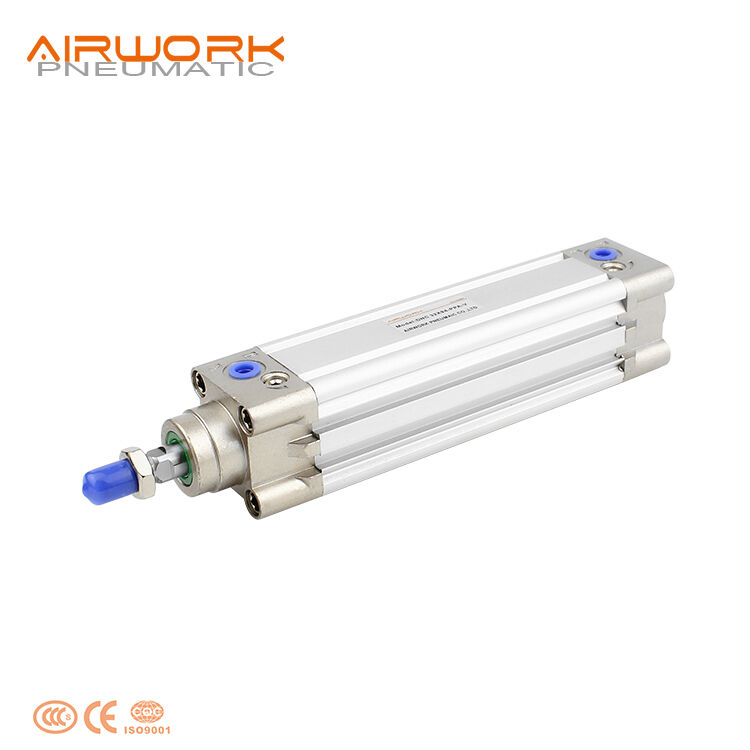
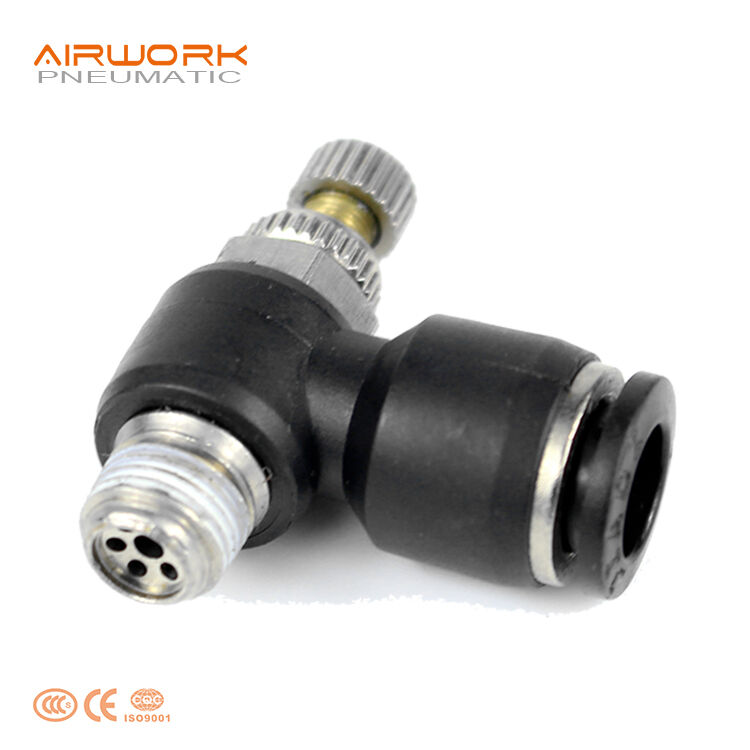
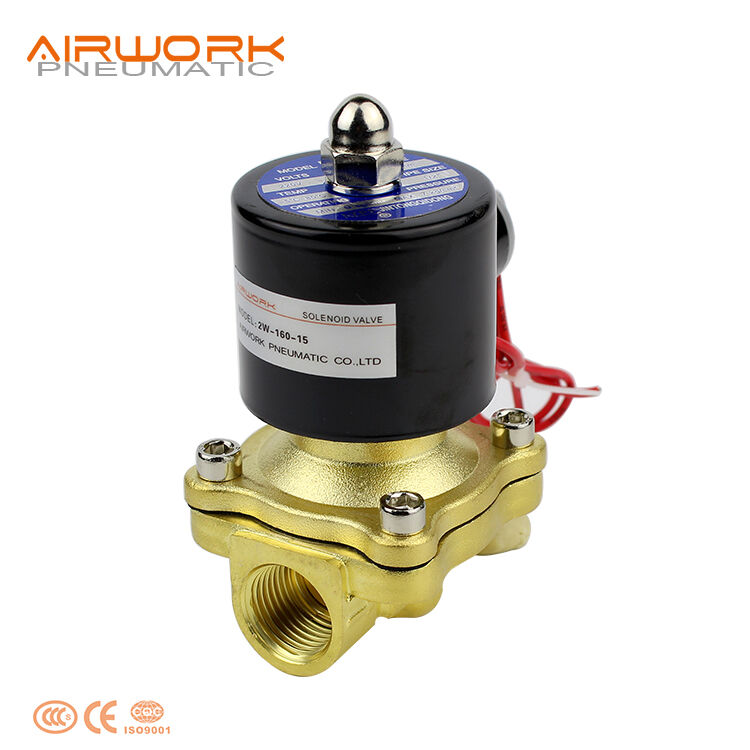
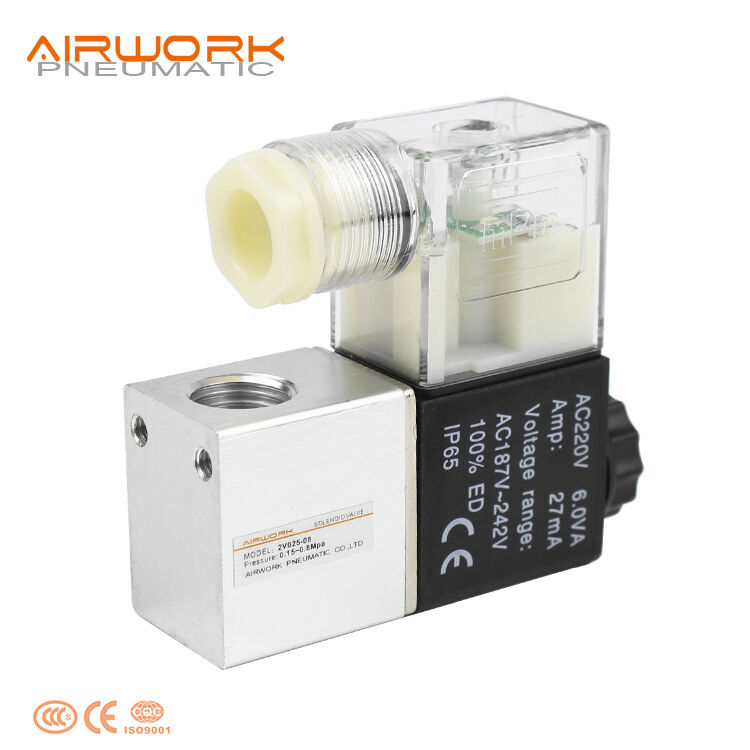
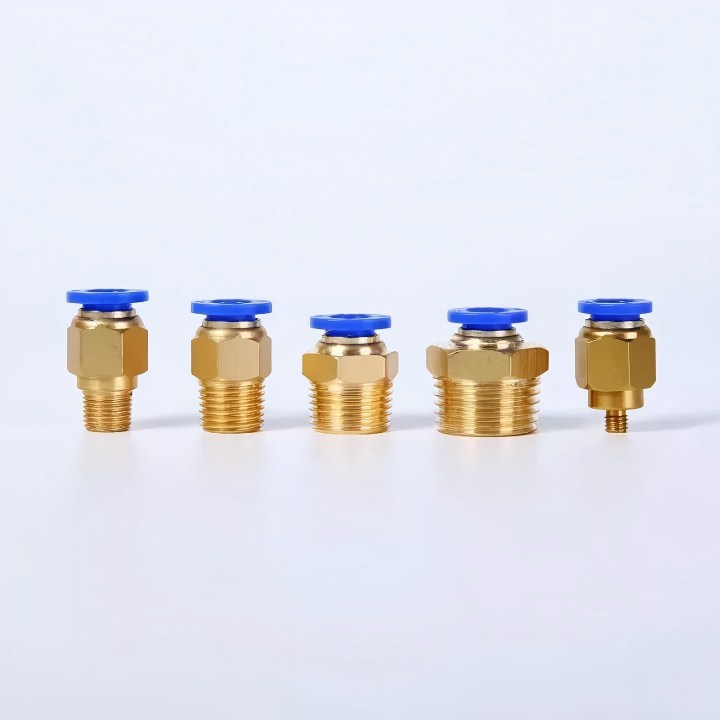
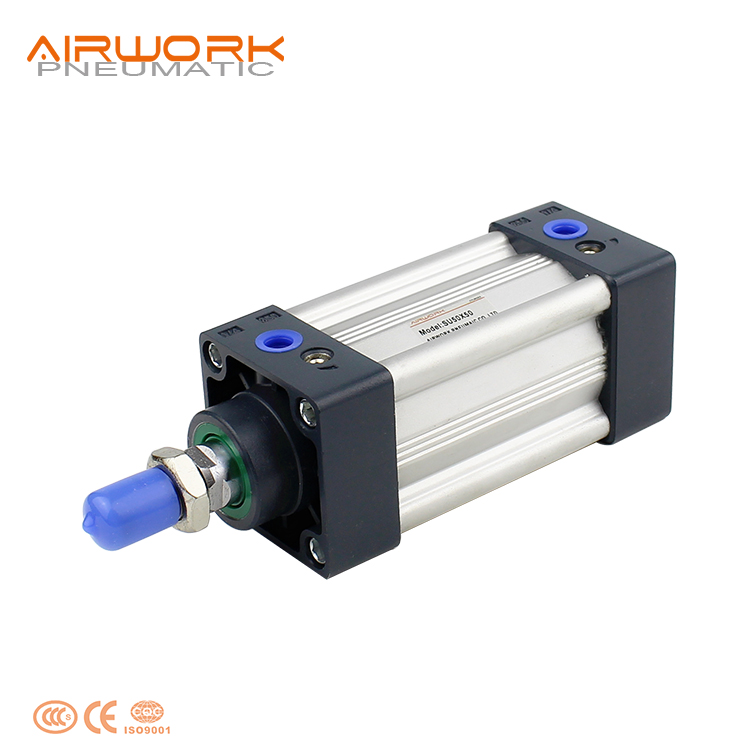
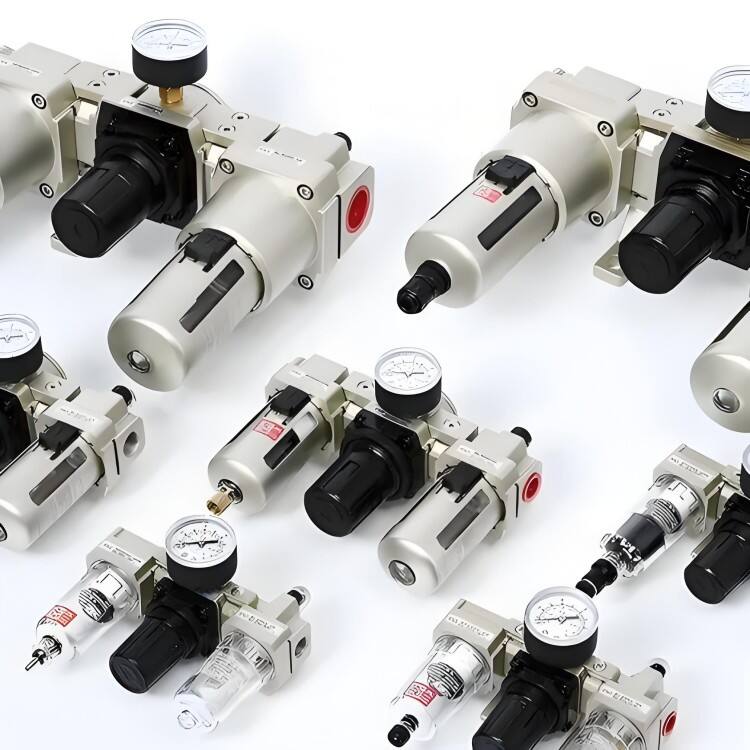
electric pneumatic actuator
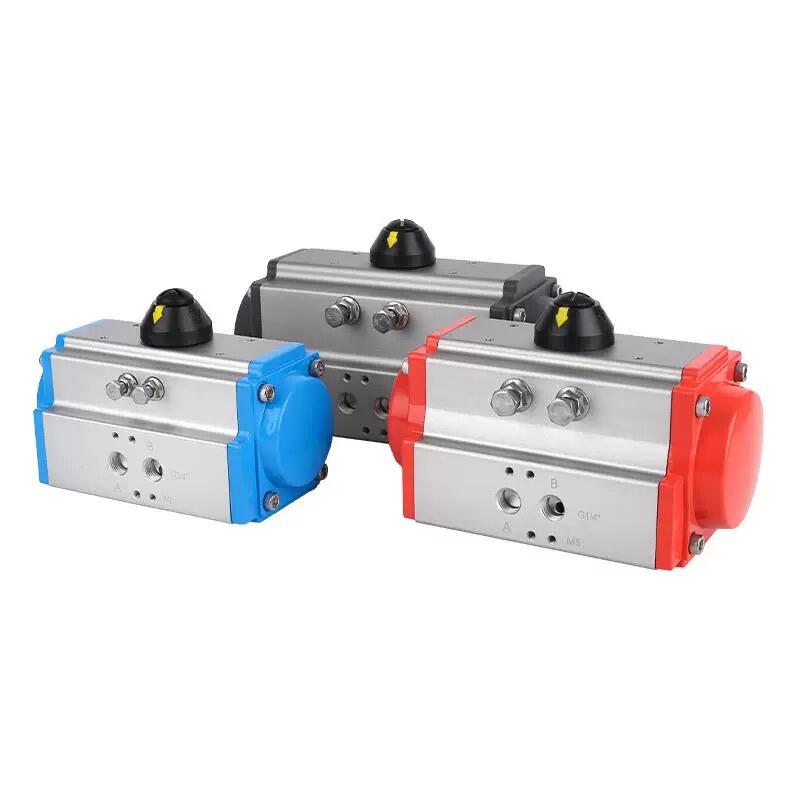
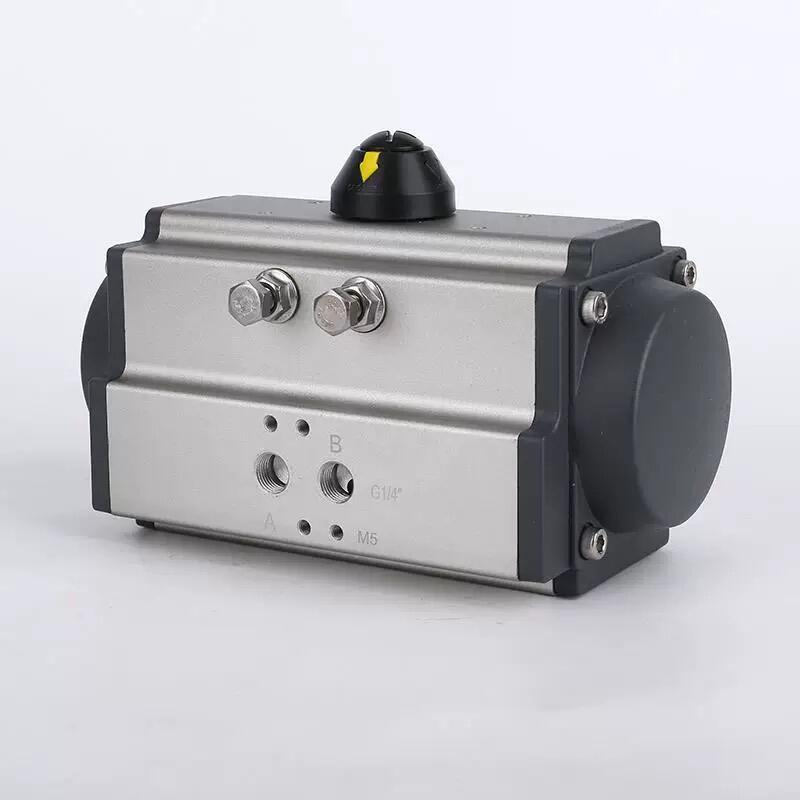
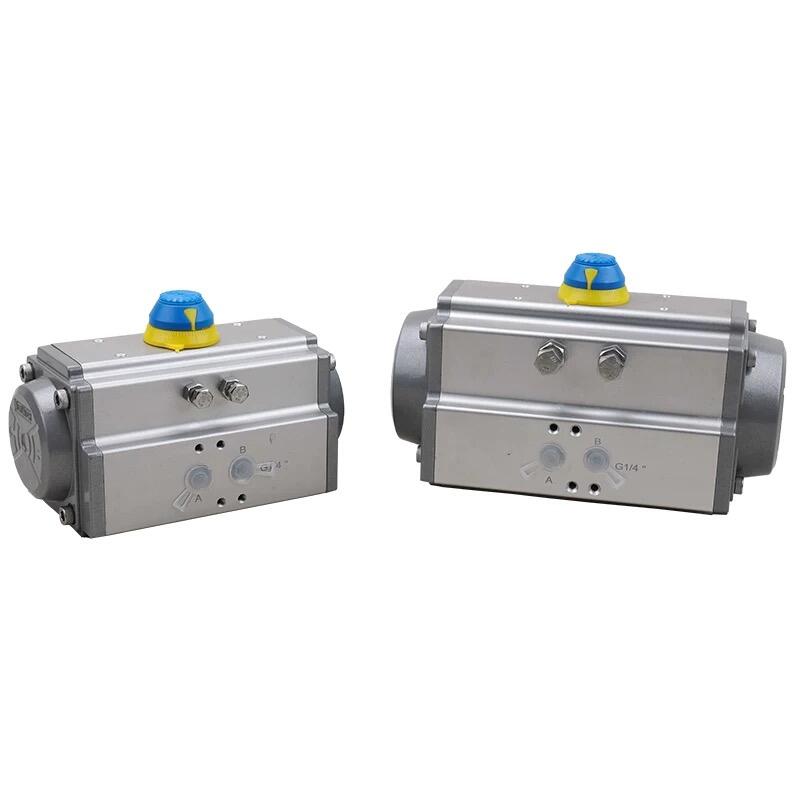
An electric pneumatic actuator represents a sophisticated control device that combines electrical control systems with pneumatic power transmission to operate valves, dampers, and other industrial equipment with precision and reliability. This innovative technology serves as the bridge between electronic control signals and mechanical movement, converting electrical inputs into controlled pneumatic force that drives various industrial processes. The electric pneumatic actuator functions by receiving electrical signals from control systems, which then activate internal mechanisms to regulate compressed air flow and pressure. This controlled pneumatic pressure creates the necessary force to position valves, dampers, or other mechanical components accurately according to system requirements. The technological framework incorporates advanced microprocessors, precise positioning sensors, and robust pneumatic components that work together seamlessly. Modern electric pneumatic actuator systems feature digital communication protocols, allowing integration with building automation systems, SCADA networks, and distributed control systems. These actuators provide exceptional positioning accuracy, typically within one percent of full stroke, making them ideal for applications requiring precise control. The response time of electric pneumatic actuator units ranges from seconds to minutes, depending on the application requirements and actuator size. Key technological features include fail-safe operation modes, manual override capabilities, and comprehensive diagnostic feedback systems. Applications span across multiple industries including HVAC systems for air handling units, water treatment facilities for valve control, power generation plants for steam and gas management, and manufacturing processes requiring automated flow control. In commercial buildings, electric pneumatic actuator systems control air dampers, water valves, and heating systems to maintain optimal environmental conditions while maximizing energy efficiency. The versatility of these devices makes them essential components in modern industrial automation, where precise control, reliability, and integration capabilities are paramount for operational success.

 EN
EN