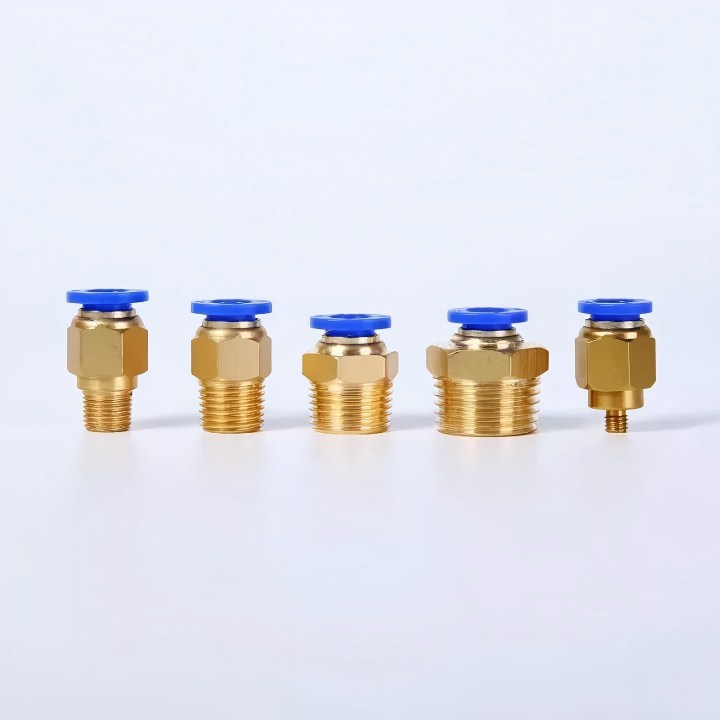
push to connect pneumatic fittings
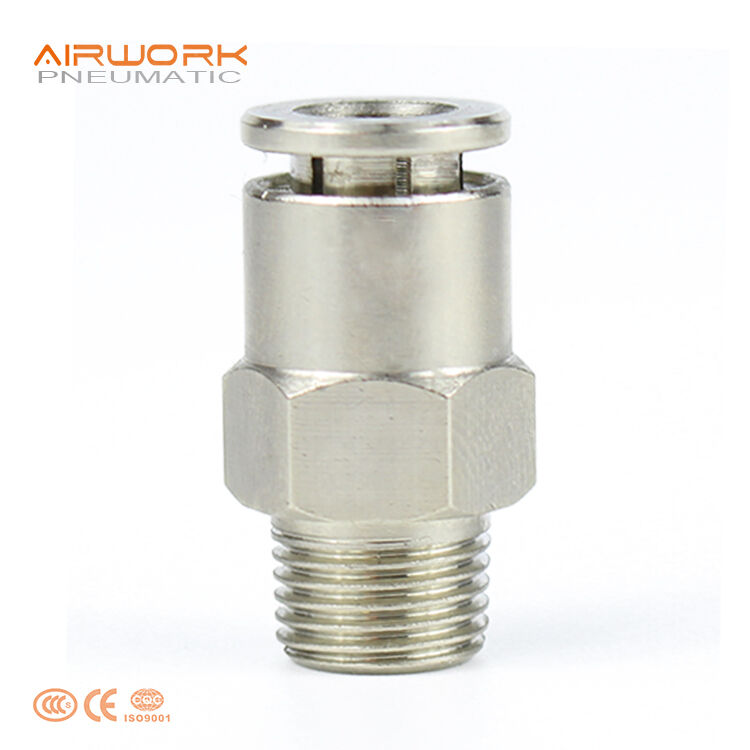
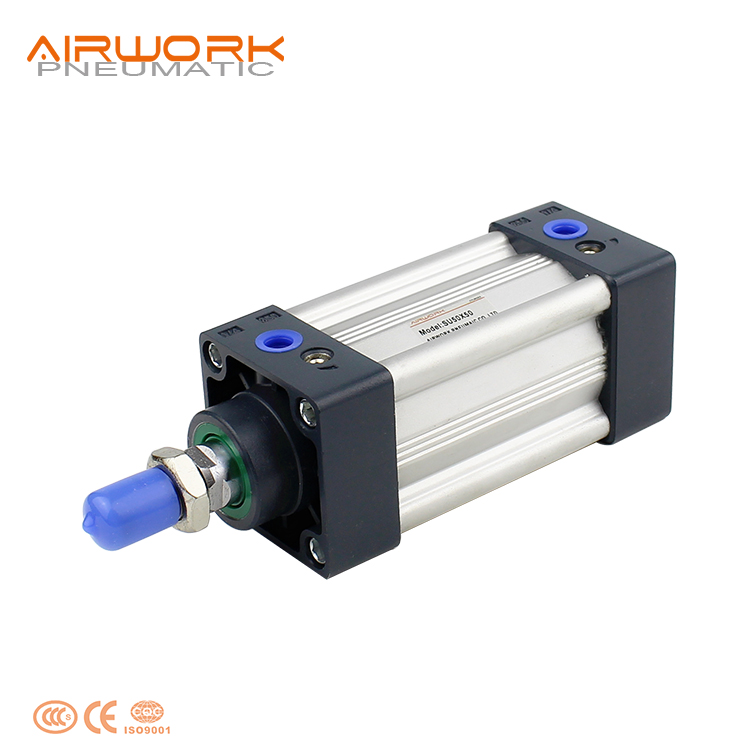
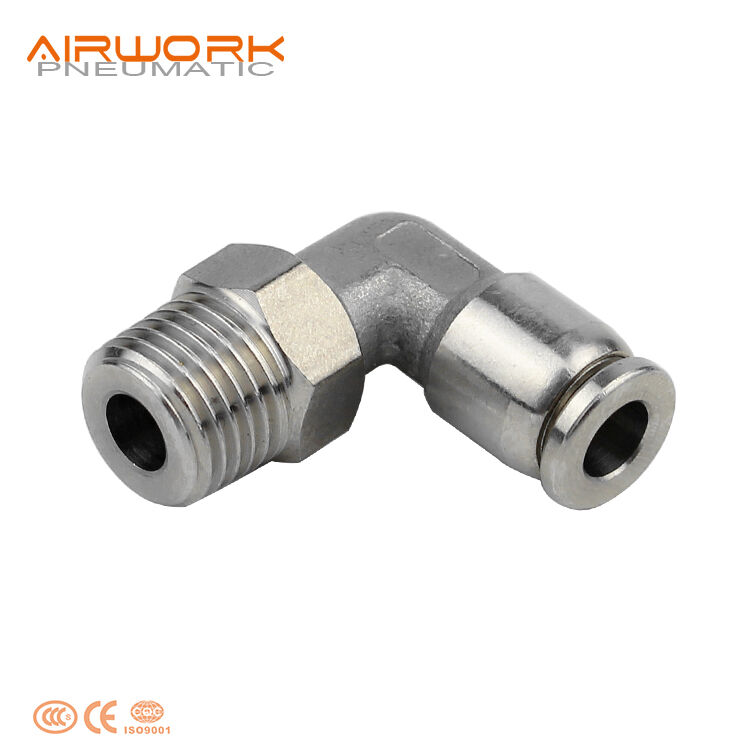
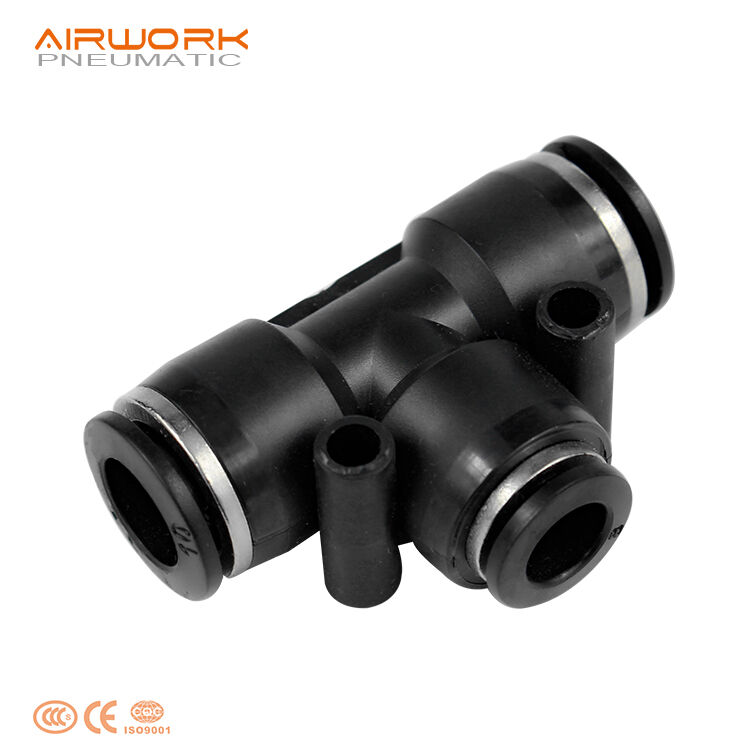
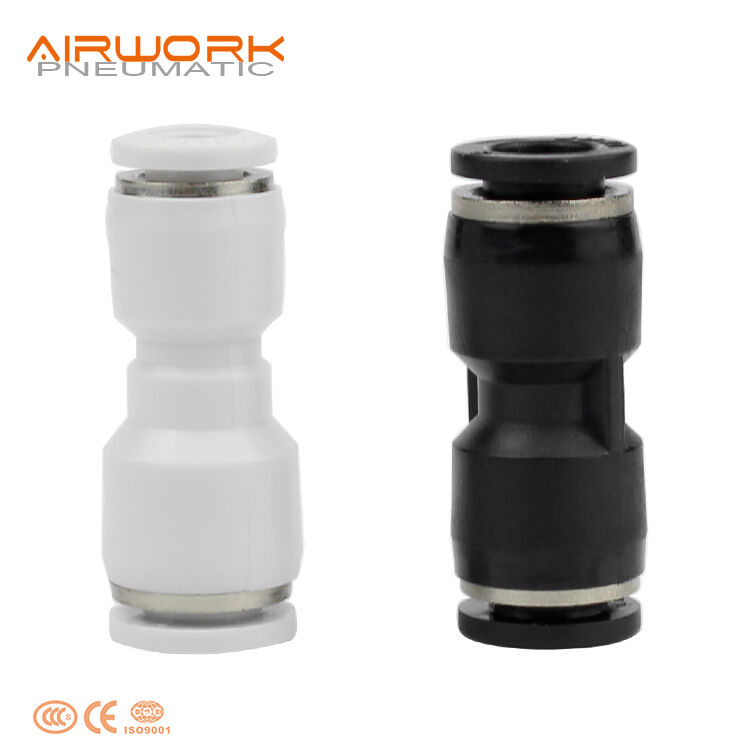
Push to connect pneumatic fittings represent a revolutionary advancement in fluid control technology, designed to streamline pneumatic system installations while maintaining exceptional reliability and performance. These innovative components eliminate the need for traditional threading, welding, or complex assembly procedures, allowing technicians to establish secure connections by simply inserting tubing into the fitting until it clicks into place. The internal mechanism features precision-engineered gripping teeth and sealing rings that automatically engage when tubing is inserted, creating an instant, leak-proof connection that can withstand substantial pressure differentials. The primary function of push to connect pneumatic fittings centers on providing quick, reliable connections between pneumatic tubing and various system components including actuators, valves, manifolds, and control devices. These fittings accommodate multiple tubing materials such as polyurethane, nylon, and fluoropolymer tubes, making them versatile solutions for diverse industrial applications. The technological features include advanced collet designs that distribute gripping forces evenly around the tubing circumference, preventing damage while ensuring secure retention. Internal O-ring seals manufactured from high-grade elastomers provide excellent chemical resistance and temperature stability, maintaining seal integrity across operating conditions ranging from sub-zero to elevated temperatures. Push to connect pneumatic fittings find extensive applications across manufacturing automation, packaging machinery, automotive assembly lines, pharmaceutical production equipment, and food processing systems. Their compact design makes them ideal for space-constrained installations where traditional fittings would prove impractical. The ability to disconnect and reconnect multiple times without compromising performance makes these fittings particularly valuable in maintenance-intensive environments where frequent system modifications are required for operational flexibility and efficiency improvements.

 EN
EN