pneumatic fittings types
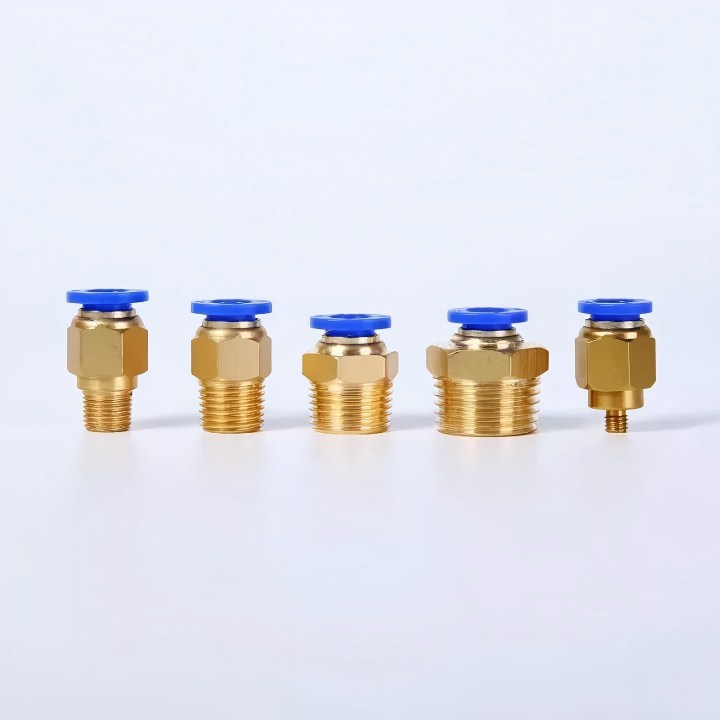
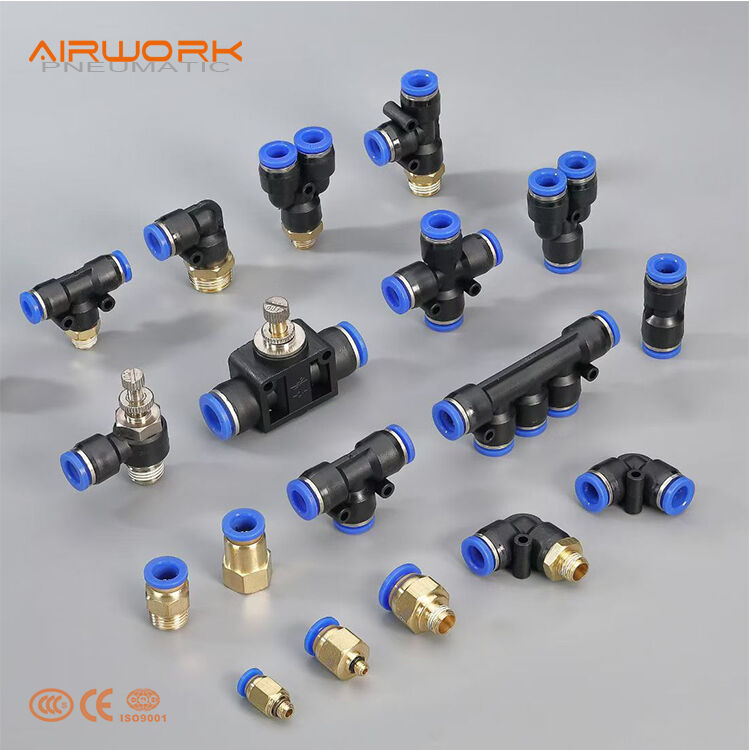
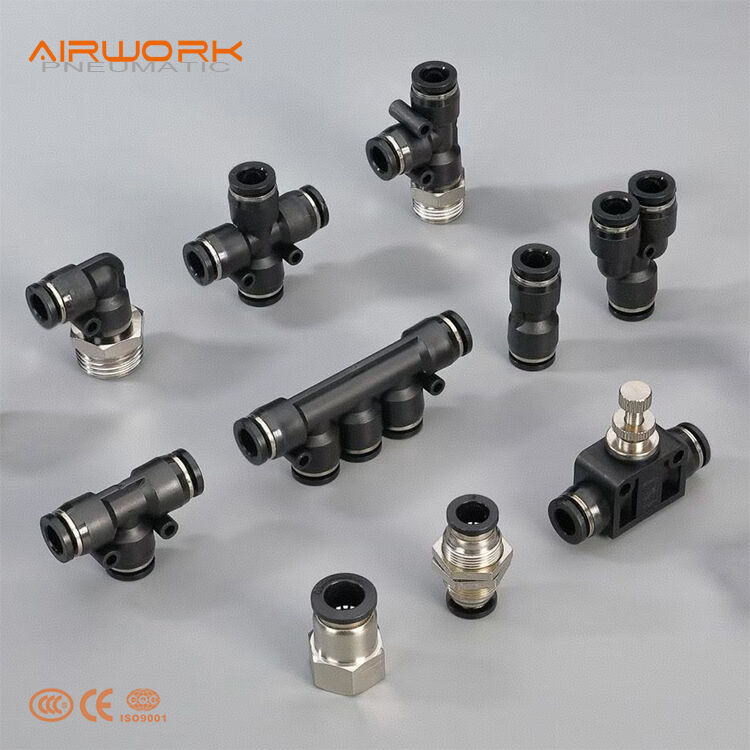
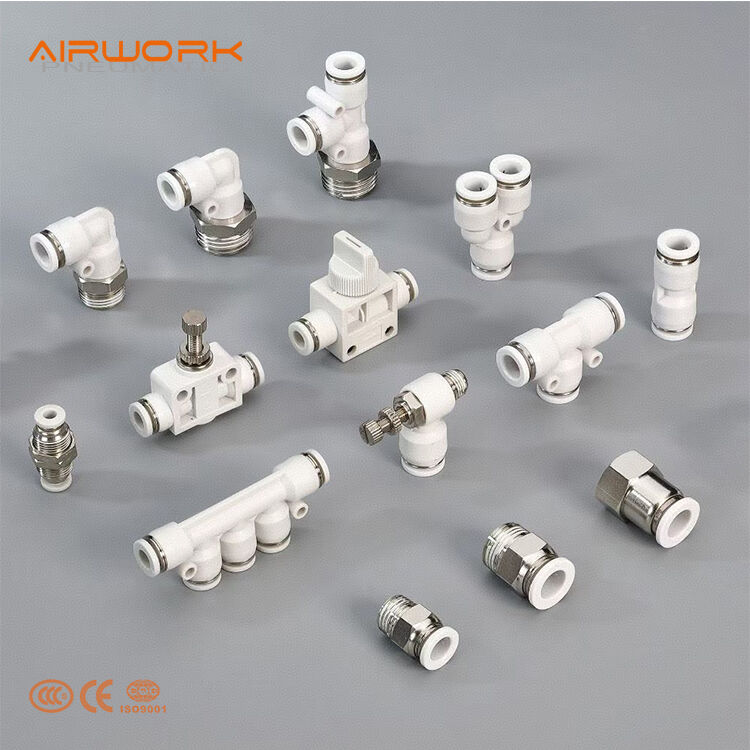
Pneumatic fittings types serve as critical connection components in compressed air systems, enabling secure and efficient fluid transfer across various industrial applications. These essential hardware pieces connect tubes, pipes, and hoses within pneumatic networks, ensuring leak-free operations and maintaining system pressure integrity. The diverse range of pneumatic fittings types includes push-to-connect fittings, threaded connections, quick-disconnect couplers, barbed fittings, and compression fittings, each designed to meet specific operational requirements and installation preferences. Push-to-connect fittings offer tool-free installation capabilities, allowing operators to insert tubing directly into the fitting body where internal mechanisms secure the connection automatically. Threaded pneumatic fittings types utilize standard thread patterns like NPT, BSPT, and metric threads, providing robust connections suitable for high-pressure applications and permanent installations. Quick-disconnect couplers enable rapid system reconfiguration and maintenance access, featuring spring-loaded mechanisms that allow instant connection and disconnection without tools or system depressurization. Barbed fittings incorporate ridged surfaces that grip flexible tubing internally, creating reliable seals when combined with hose clamps or compression sleeves. Compression fittings employ ferrules and compression nuts to create mechanical seals around tubing, offering excellent holding strength and vibration resistance. Modern pneumatic fittings types incorporate advanced materials including brass, stainless steel, aluminum, and engineered plastics, each selected for specific environmental conditions, chemical compatibility, and performance requirements. These components feature precision-machined sealing surfaces, optimized flow passages, and integrated safety mechanisms that prevent accidental disconnection during operation. The technological evolution of pneumatic fittings types has introduced innovations such as anti-vibration locking mechanisms, color-coded identification systems, and modular designs that simplify inventory management and reduce installation errors across complex pneumatic networks.

 EN
EN