pneumatic tube connector
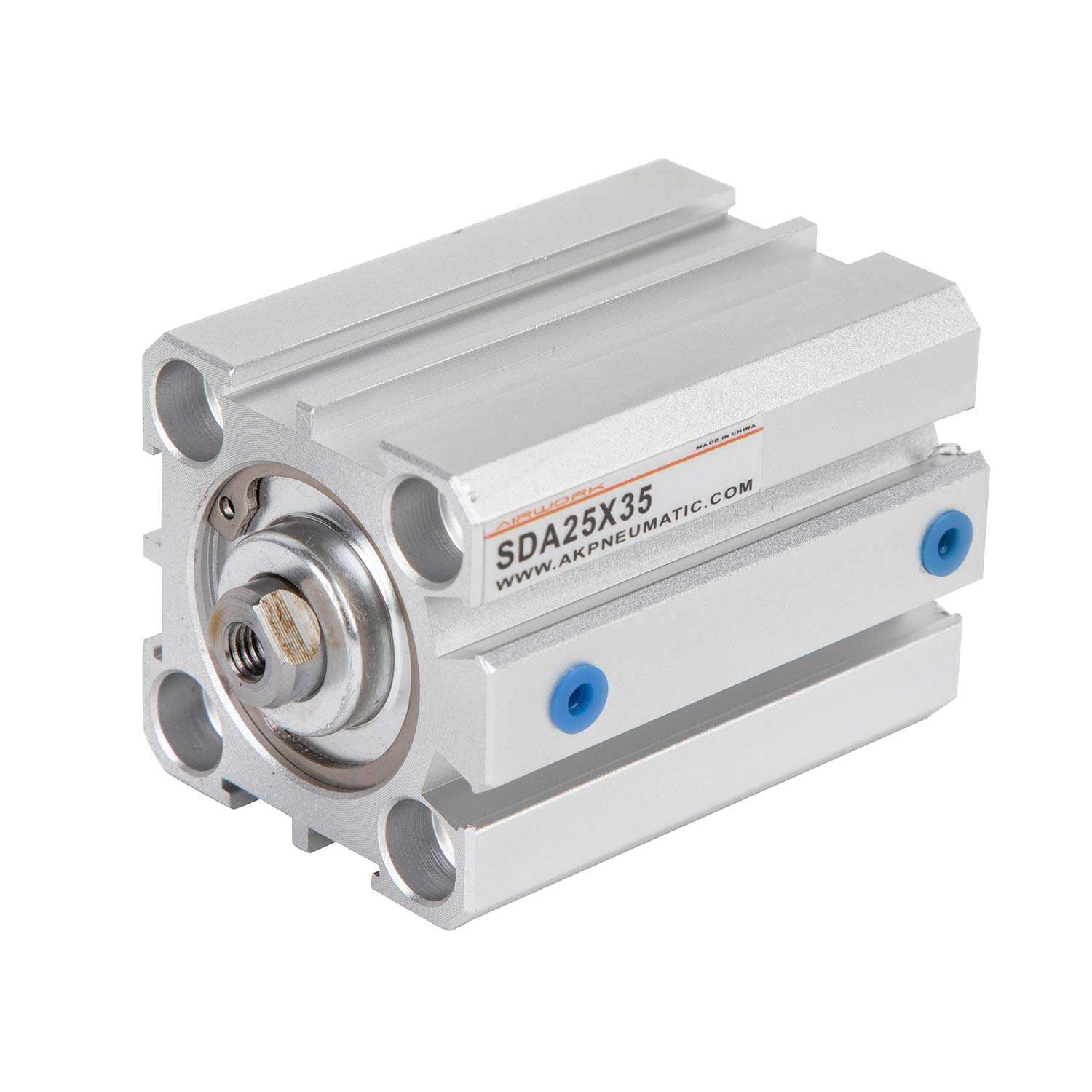
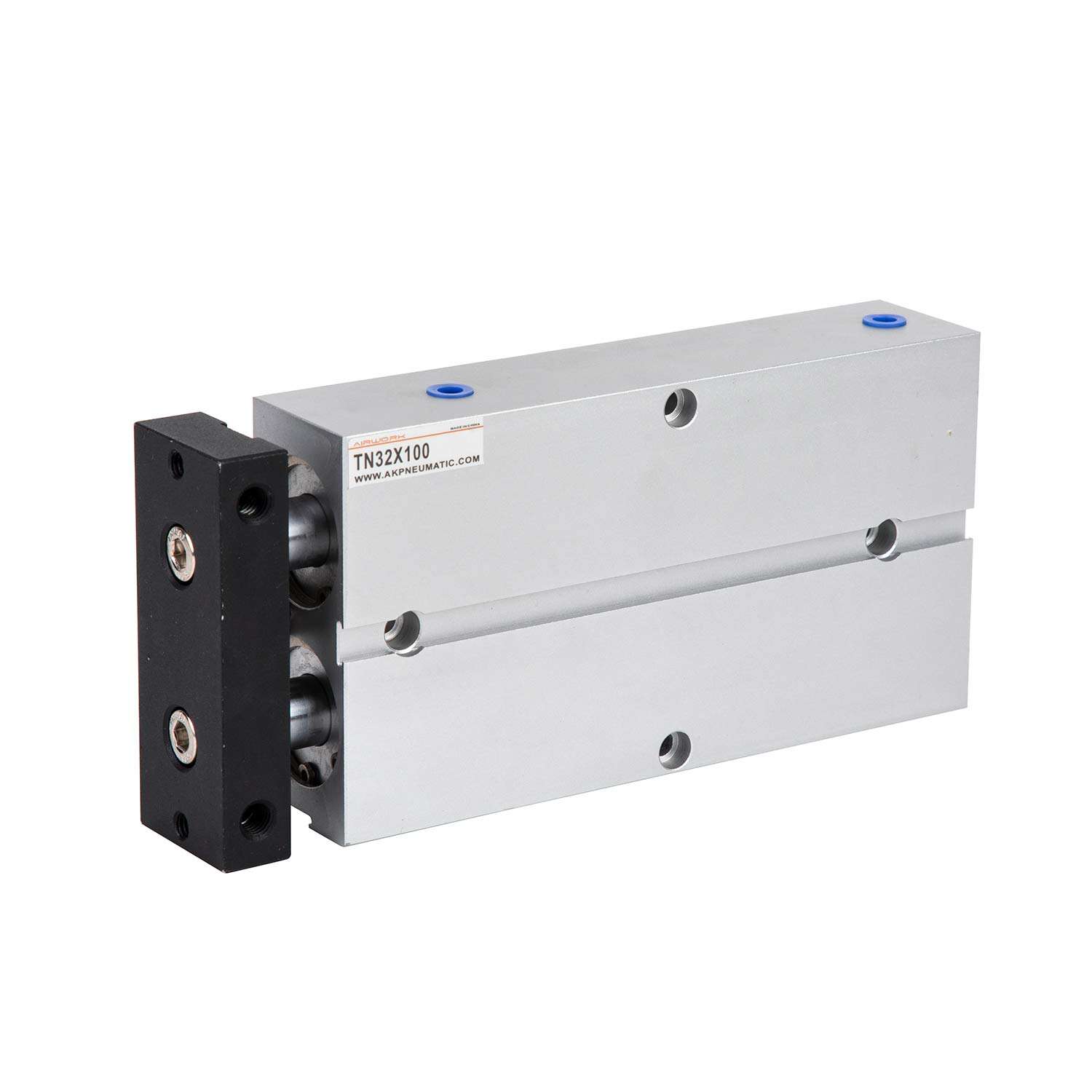
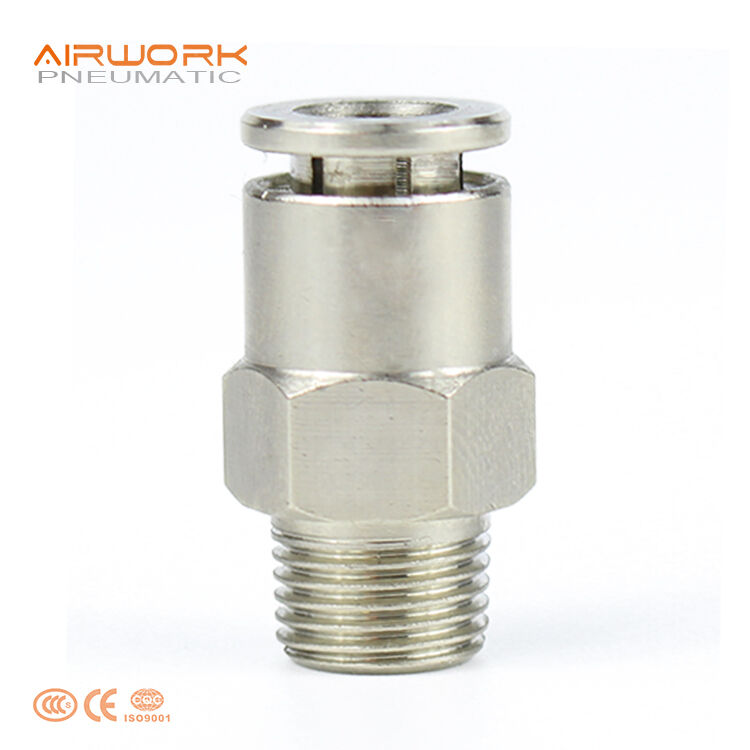
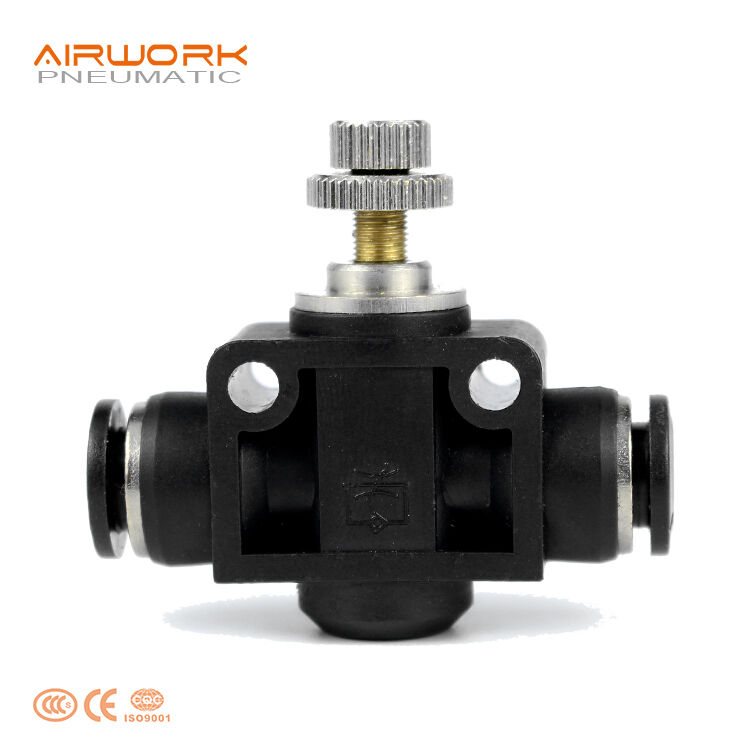
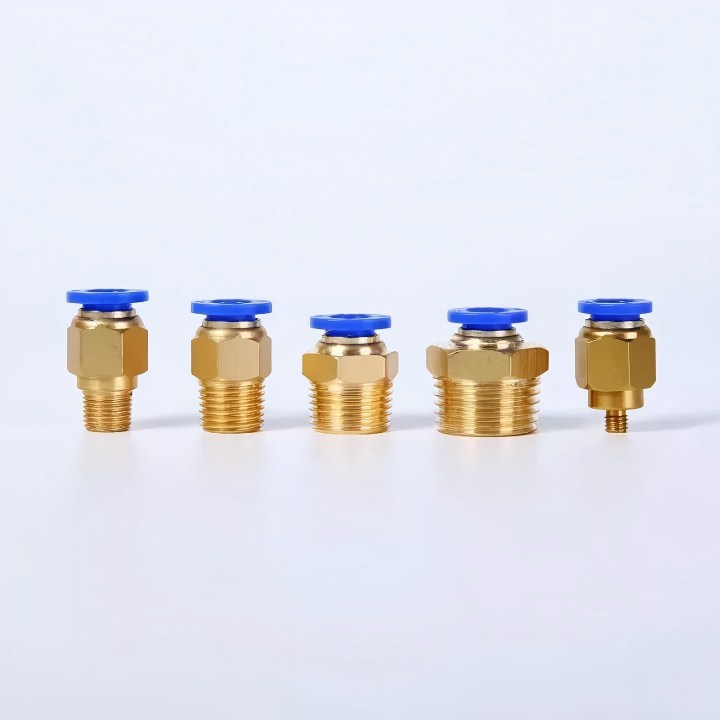
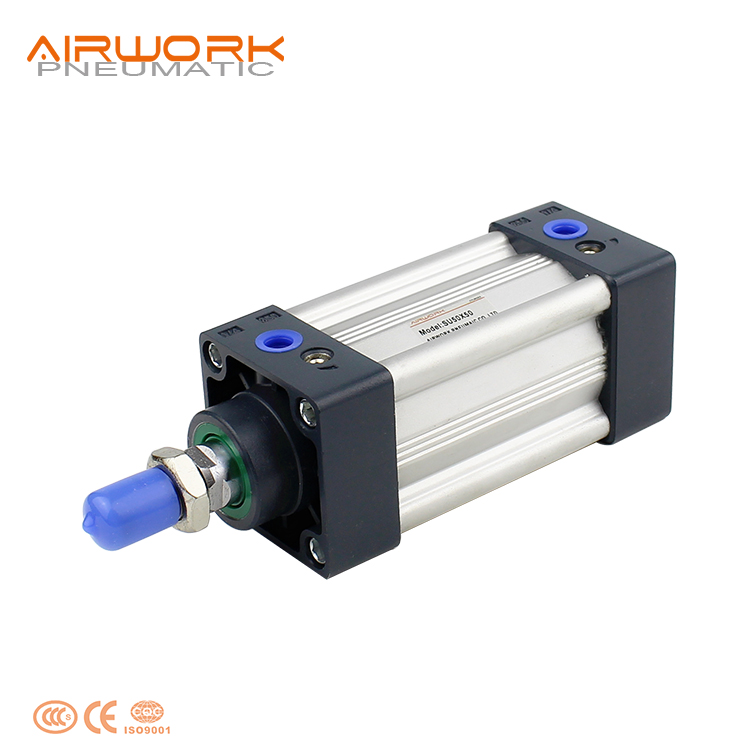
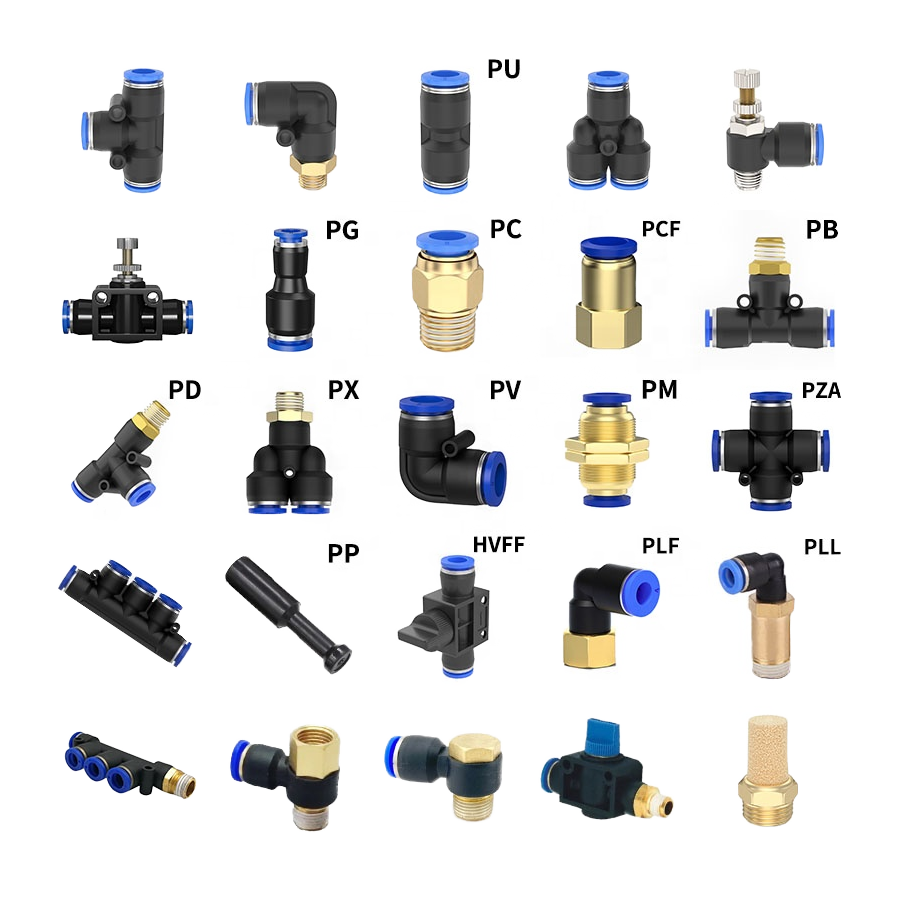
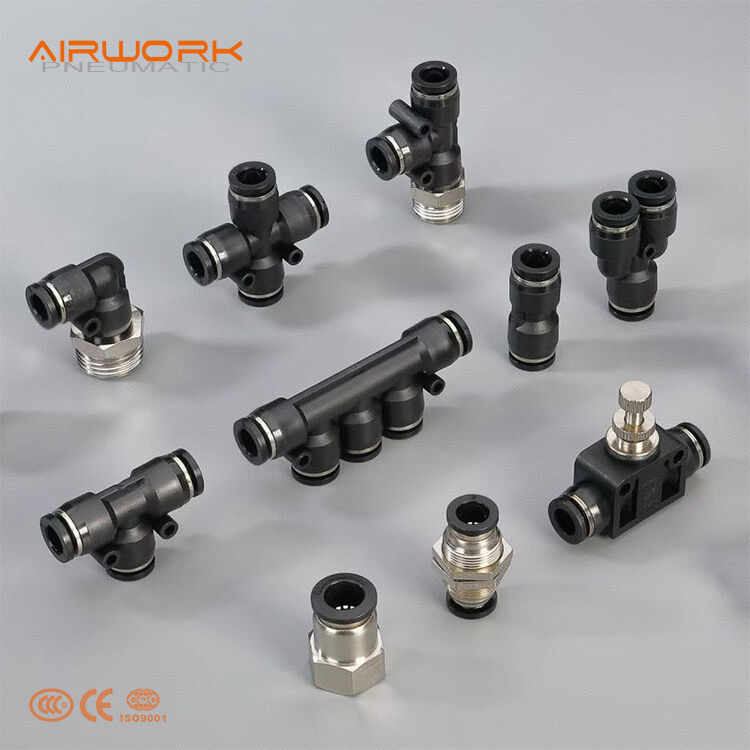
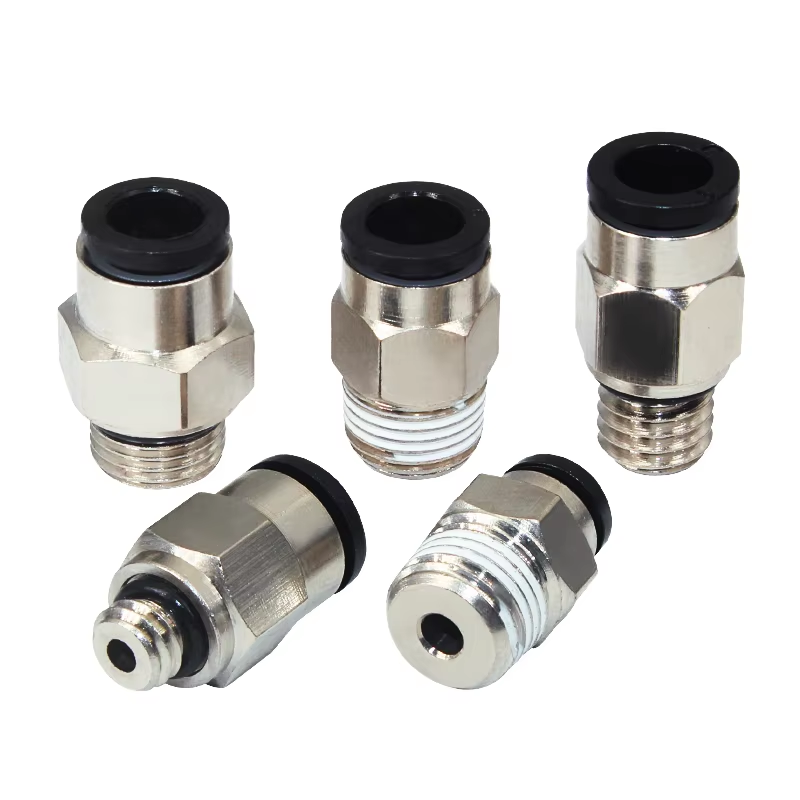
A pneumatic tube connector serves as a critical junction component in compressed air systems, facilitating the seamless connection and disconnection of pneumatic tubing networks. This essential component enables the efficient transfer of pressurized air between different sections of pneumatic circuits, making it indispensable in industrial automation, manufacturing processes, and laboratory applications. The pneumatic tube connector functions as both a mechanical fastener and a pressure-sealed interface, ensuring reliable air flow while maintaining system integrity under varying operational conditions. Modern pneumatic tube connectors incorporate advanced sealing technologies, including O-rings, gaskets, and precision-machined surfaces that prevent air leakage and maintain consistent pressure levels throughout the connected system. These connectors are engineered to accommodate different tube diameters, pressure ranges, and environmental conditions, offering versatility across diverse industrial applications. The technological features of pneumatic tube connectors include quick-connect mechanisms that allow for rapid assembly and disassembly without requiring specialized tools or extensive technical expertise. Many designs feature push-to-connect functionality, where operators simply insert the tubing into the connector body until it locks securely in place. Release mechanisms, such as collar-activated systems or button-operated releases, enable easy disconnection when maintenance or reconfiguration becomes necessary. Materials used in manufacturing pneumatic tube connectors typically include brass, stainless steel, plastic composites, or aluminum alloys, each selected based on specific application requirements such as chemical compatibility, temperature resistance, and pressure ratings. The connector body often incorporates internal threading, compression fittings, or barbed connections to ensure secure tube attachment. Applications for pneumatic tube connectors span numerous industries, including automotive manufacturing, food processing, pharmaceutical production, packaging systems, robotics, and HVAC installations. In automated assembly lines, these connectors link pneumatic actuators, cylinders, and valves to control systems, enabling precise movement and positioning of machinery components. Laboratory environments utilize pneumatic tube connectors in analytical equipment, sample handling systems, and automated testing apparatus where clean, dry air supply is essential for accurate results.

 EN
EN