All Categories

pneumatic rotating cylinder

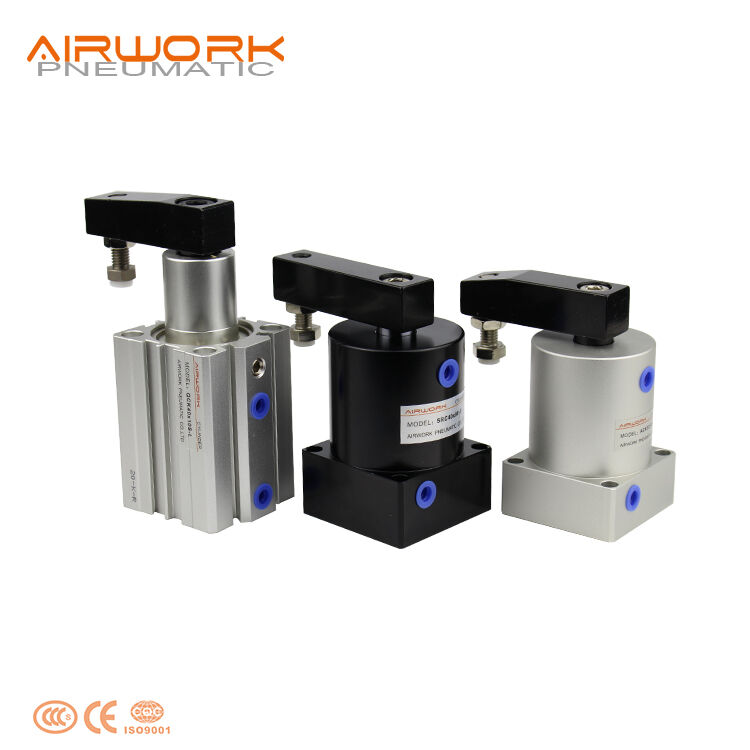
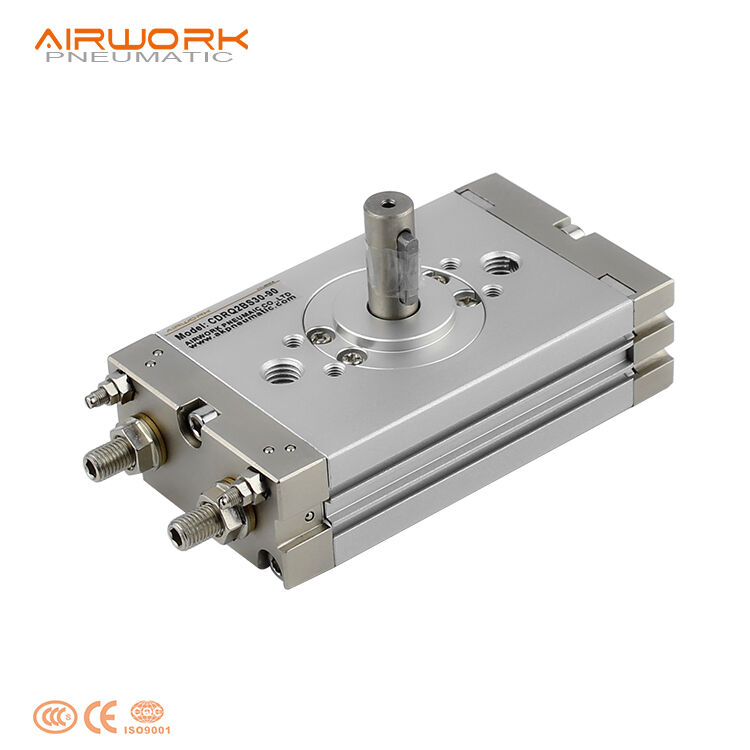
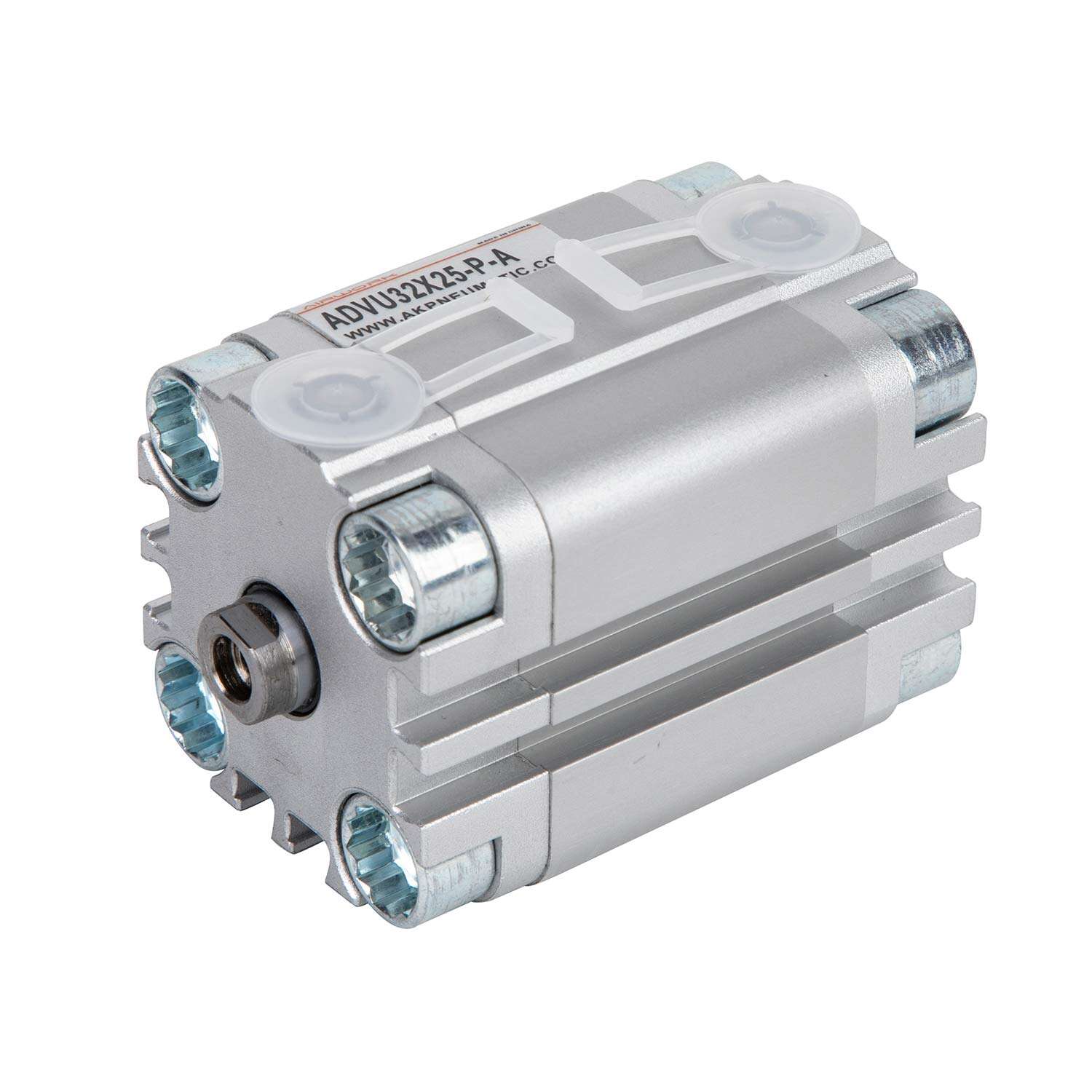
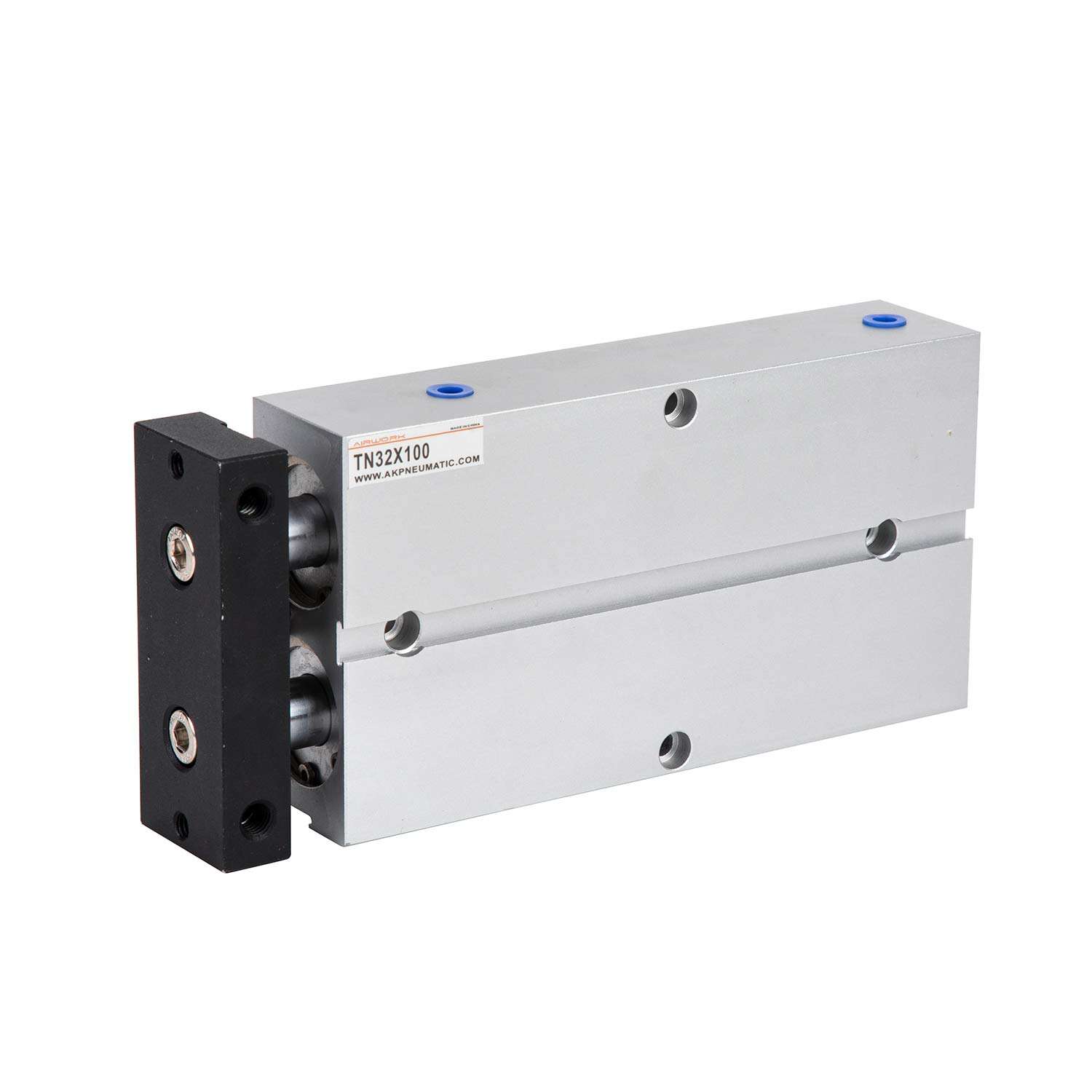
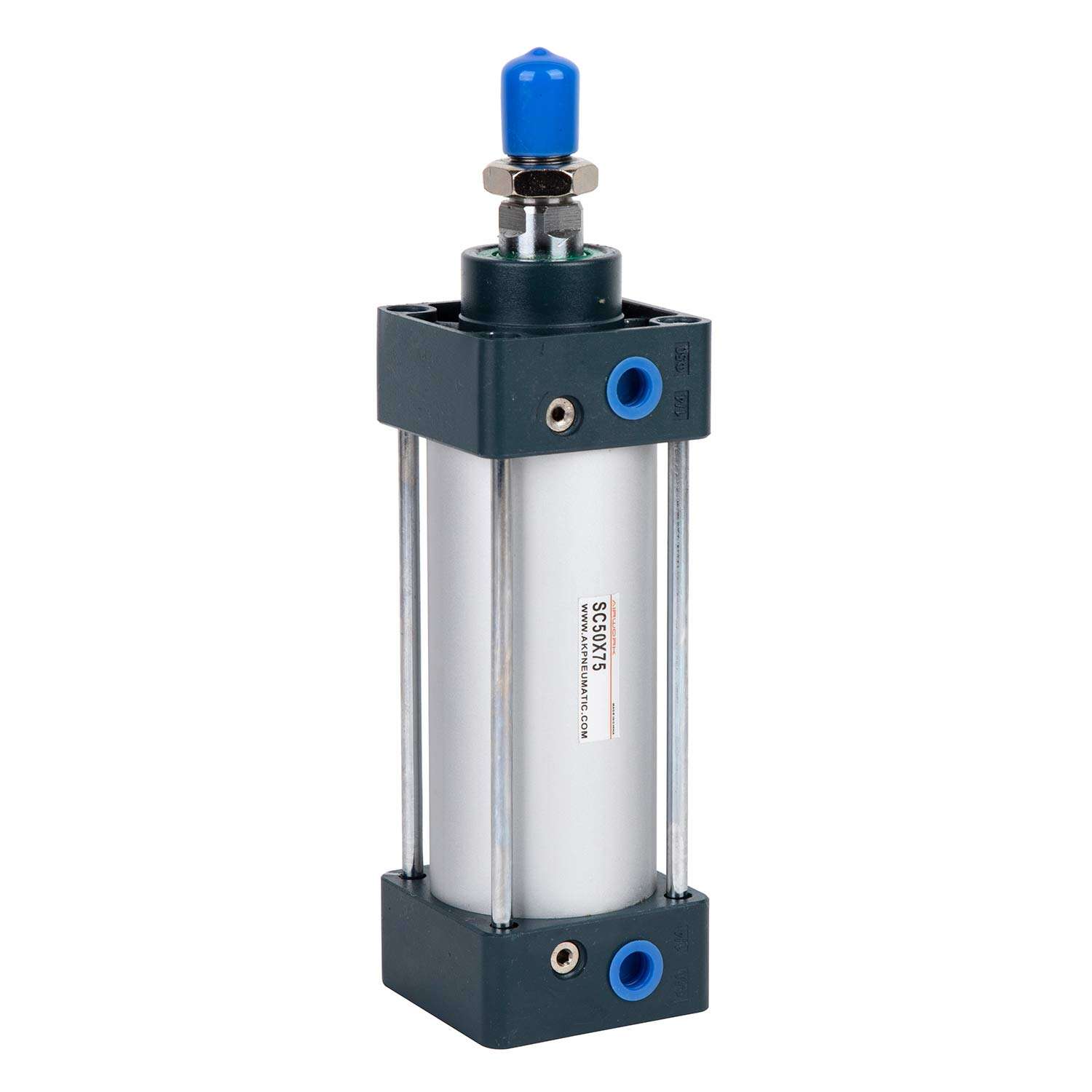
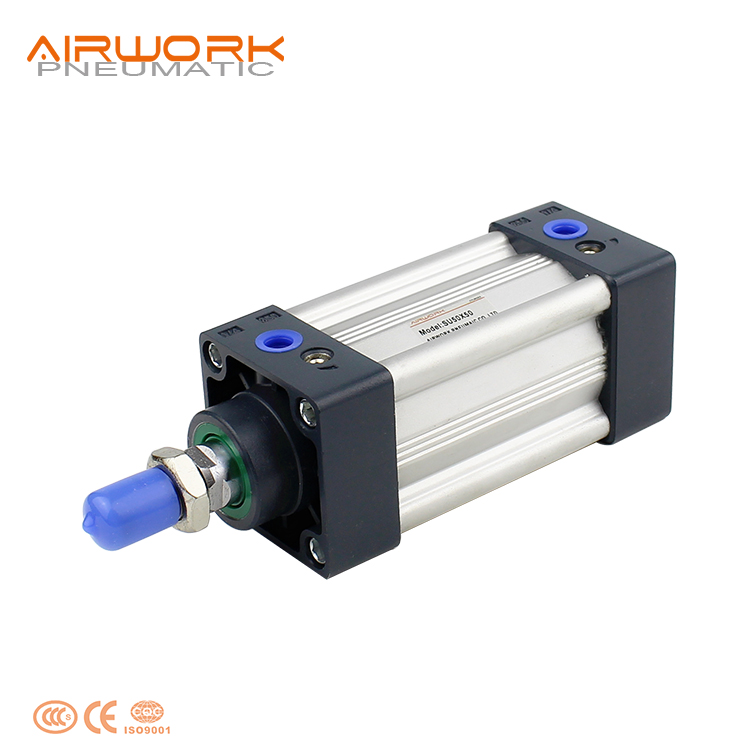
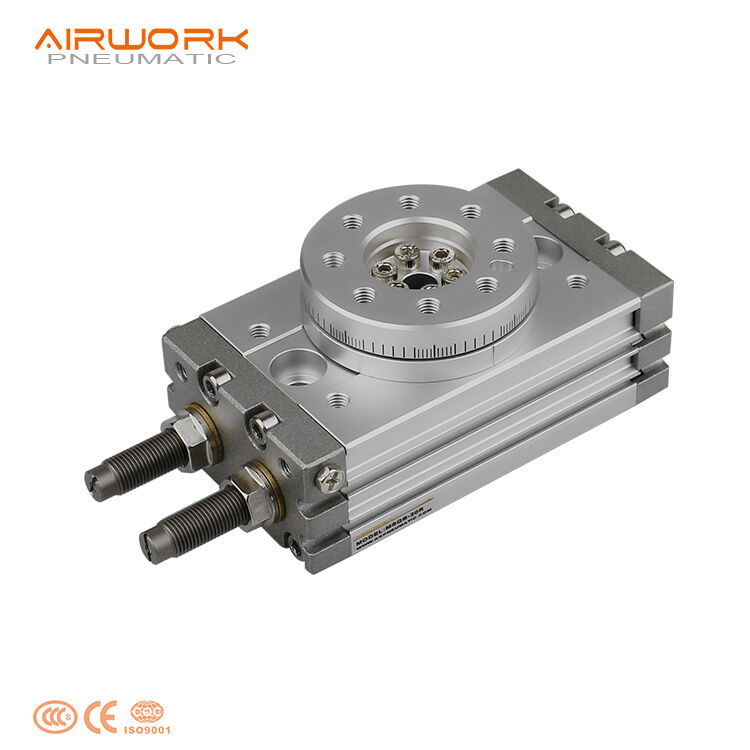
The pneumatic rotating cylinder represents a sophisticated automation component that combines linear motion with rotational capabilities in a single, compact unit. This innovative device operates using compressed air to generate both extending and retracting movements along with precise rotational positioning, making it an essential tool for modern industrial applications. The pneumatic rotating cylinder integrates traditional pneumatic cylinder functionality with rotary actuator features, delivering versatile motion control solutions that meet complex manufacturing demands. At its core, this device consists of a linear pneumatic cylinder coupled with a rotary mechanism, typically featuring a rack and pinion system or vane-type rotary actuator. The linear portion provides forward and backward movement through compressed air pressure, while the rotational component enables precise angular positioning ranging from 90 to 360 degrees depending on the specific model configuration. Advanced pneumatic rotating cylinder designs incorporate sophisticated sealing systems, durable materials, and precision-engineered components that ensure reliable operation across various industrial environments. The technological features of the pneumatic rotating cylinder include adjustable stroke lengths, multiple mounting options, integrated cushioning systems, and compatibility with standard pneumatic control systems. Many models feature built-in position sensors, allowing for precise feedback control and integration with programmable logic controllers. The construction typically utilizes high-grade aluminum alloy bodies with corrosion-resistant treatments, stainless steel rods, and specialized seals designed to withstand challenging operating conditions. These cylinders operate effectively across wide temperature ranges and can handle various pressure specifications while maintaining consistent performance. Industrial applications for the pneumatic rotating cylinder span numerous sectors including automotive manufacturing, packaging machinery, material handling systems, assembly automation, and robotics. In automotive production lines, these devices position components during welding operations, rotate parts for multi-angle processing, and facilitate complex assembly sequences. Packaging applications utilize pneumatic rotating cylinders for product orientation, labeling operations, and container manipulation. The versatility of this technology makes it invaluable for applications requiring synchronized linear and rotational movements within a single automation cycle.

New Product Releases

The pneumatic rotating cylinder offers numerous practical benefits that directly impact operational efficiency and cost-effectiveness for businesses across various industries. One primary advantage lies in space optimization, as this device combines two separate motion types into a single compact unit, eliminating the need for multiple actuators and reducing overall system footprint. This consolidation translates to lower installation costs, simplified maintenance procedures, and more efficient use of available workspace. The dual-functionality design reduces complexity in automation systems, requiring fewer components, connections, and control interfaces compared to separate linear and rotary actuators. Energy efficiency represents another significant benefit of the pneumatic rotating cylinder, as compressed air systems typically consume less energy than electric alternatives while delivering comparable performance levels. The pneumatic operation provides excellent power-to-weight ratios, making these cylinders ideal for applications requiring high force output without excessive equipment weight. Additionally, pneumatic systems inherently offer overload protection, as compressed air naturally limits force output when encountering resistance, protecting both the cylinder and connected equipment from damage. Safety considerations favor the pneumatic rotating cylinder due to its clean operation using compressed air rather than hydraulic fluids or high-voltage electrical systems. This characteristic makes it suitable for food processing, pharmaceutical manufacturing, and other applications where contamination risks must be minimized. The absence of electrical sparks during operation also makes pneumatic rotating cylinders appropriate for potentially explosive environments. Maintenance requirements remain minimal due to the robust construction and simple operating principles of compressed air systems. Regular lubrication through air line lubricators and periodic seal replacement constitute the primary maintenance tasks, resulting in lower long-term operating costs compared to more complex alternatives. The pneumatic rotating cylinder demonstrates exceptional reliability in harsh industrial environments, withstanding temperature fluctuations, dust exposure, and vibration without performance degradation. Installation flexibility represents another practical advantage, as these cylinders accommodate various mounting orientations and can be easily integrated into existing pneumatic systems using standard fittings and control valves. The response speed of pneumatic rotating cylinders excels in applications requiring rapid cycling, as compressed air provides instantaneous power delivery without warm-up periods or complex control algorithms. This quick response capability enhances overall production throughput while maintaining precise positioning accuracy throughout extended operation periods.

Practical Tips

Pneumatic fittings used in water

25

Feb

Pneumatic fittings used in water

View More
Basic knowledge of pneumatic air cylinders

25

Feb

Basic knowledge of pneumatic air cylinders

View More
Air Source Treatment Unit:The

25

Feb

Air Source Treatment Unit:The "Guardians" and Core Components of Pneumatic Systems

View More

Get a Free Quote

Our representative will contact you soon.
Email
Name
Company Name
Message
0/1000

pneumatic rotating cylinder

Precision Dual-Motion Control Technology

Precision Dual-Motion Control Technology

The most distinctive feature of the pneumatic rotating cylinder lies in its advanced dual-motion control technology, which seamlessly integrates linear extension and rotational positioning within a single actuator unit. This sophisticated mechanism employs precision-engineered internal components that coordinate both motion types through a unified compressed air supply system, delivering unprecedented control accuracy for complex automation tasks. The linear motion component utilizes a traditional piston and cylinder arrangement with enhanced sealing technology, providing smooth, consistent extension and retraction movements across the full stroke length. Simultaneously, the rotational element incorporates either rack and pinion mechanisms or vane-type rotary actuators, depending on the specific application requirements and desired angular range. This dual-motion capability eliminates the need for separate linear and rotary actuators, significantly reducing system complexity while improving overall precision and repeatability. The pneumatic rotating cylinder achieves exceptional positioning accuracy through carefully calibrated internal stops, adjustable cushioning systems, and optional integrated sensors that provide real-time position feedback. Advanced models feature programmable rotation angles, allowing operators to customize positioning requirements for specific applications without mechanical modifications. The coordination between linear and rotational movements can be precisely timed and sequenced, enabling complex manipulation tasks that would otherwise require multiple separate actuators and sophisticated control systems. This technology proves invaluable in applications such as automated assembly operations, where components must be positioned, oriented, and secured in precise sequences. The internal design incorporates specialized flow control mechanisms that ensure consistent operation regardless of load variations or environmental conditions. Quality manufacturers implement rigorous testing protocols to verify that each pneumatic rotating cylinder meets strict tolerances for both linear positioning accuracy and rotational repeatability. The result is a highly reliable automation component that consistently delivers precise dual-motion control across millions of operating cycles, making it an essential tool for high-precision manufacturing applications where accuracy directly impacts product quality and production efficiency.
Robust Construction and Environmental Adaptability

Robust Construction and Environmental Adaptability

The pneumatic rotating cylinder showcases exceptional build quality through its robust construction methodology and superior environmental adaptability, making it suitable for the most demanding industrial applications. Manufacturers utilize premium-grade materials throughout the construction process, including high-strength aluminum alloy bodies that provide excellent corrosion resistance while maintaining lightweight characteristics essential for dynamic applications. The cylinder bodies undergo specialized surface treatments such as hard anodizing or protective coatings that enhance durability and extend service life even in harsh environmental conditions. Internal components feature precision-machined surfaces with tight tolerances, ensuring smooth operation and minimal wear over extended periods. The sealing systems represent a critical aspect of the robust construction, incorporating multi-stage sealing arrangements using advanced polymer materials that maintain effectiveness across wide temperature ranges and varying pressure conditions. These sophisticated sealing solutions prevent internal air leakage while excluding external contaminants, ensuring consistent performance and extending maintenance intervals. The pneumatic rotating cylinder demonstrates remarkable environmental adaptability, operating reliably in temperature ranges from sub-zero conditions to elevated industrial temperatures without performance degradation. Specialized versions accommodate extreme environments, including food-grade applications requiring washdown capabilities, explosive atmospheres demanding intrinsically safe designs, and outdoor installations exposed to weather elements. The robust construction methodology includes reinforced mounting provisions that distribute operational loads evenly, preventing stress concentrations that could compromise long-term reliability. Internal cushioning systems utilize replaceable elements that absorb impact forces during end-of-stroke conditions, protecting both the cylinder and connected equipment from damage while reducing noise levels. Quality control procedures ensure that each pneumatic rotating cylinder undergoes comprehensive testing including pressure testing, leak detection, and performance verification under simulated operating conditions. The environmental adaptability extends to compatibility with various compressed air qualities, though proper filtration and lubrication enhance performance and longevity. This robust construction and environmental adaptability make the pneumatic rotating cylinder an ideal choice for applications ranging from clean room environments to heavy industrial settings, providing consistent performance regardless of operating conditions while minimizing maintenance requirements and maximizing operational uptime.
Cost-Effective Integration and Operational Efficiency

Cost-Effective Integration and Operational Efficiency

The pneumatic rotating cylinder delivers exceptional cost-effectiveness through streamlined integration capabilities and enhanced operational efficiency that directly benefit bottom-line performance for businesses implementing automation solutions. The integration advantages begin with standardized mounting interfaces and connection methods that facilitate rapid installation using existing pneumatic infrastructure, eliminating the need for extensive system modifications or specialized installation equipment. Standard ISO mounting patterns ensure compatibility with existing automation frameworks, while common air fitting sizes and thread specifications simplify connection procedures and reduce inventory requirements for spare parts and accessories. The pneumatic rotating cylinder integrates seamlessly with conventional pneumatic control systems, utilizing standard directional control valves, flow controls, and pressure regulators without requiring specialized control hardware or complex programming interfaces. This compatibility significantly reduces implementation costs while accelerating project timelines, as technicians can leverage existing knowledge and tools for installation and maintenance procedures. Operational efficiency benefits manifest through reduced cycle times achievable with the combined linear and rotational motions, as production sequences that previously required multiple actuators and coordination delays now complete within single, streamlined operations. The pneumatic rotating cylinder eliminates mechanical complexity associated with linking separate actuators, reducing potential failure points and improving overall system reliability. Energy efficiency characteristics contribute to operational cost savings, as compressed air systems typically demonstrate lower energy consumption compared to electric alternatives while providing comparable force output and positioning accuracy. The inherent speed advantages of pneumatic operation enable faster production cycles, directly translating to increased throughput and improved manufacturing capacity utilization. Maintenance efficiency represents another significant cost advantage, as the pneumatic rotating cylinder requires minimal routine maintenance consisting primarily of periodic lubrication through standard airline lubricators and occasional seal replacement using readily available components. The simplified maintenance requirements reduce downtime while lowering labor costs associated with complex maintenance procedures required by alternative technologies. Long-term operational costs benefit from the proven durability and reliability of pneumatic systems, which demonstrate extended service lives with minimal performance degradation when properly maintained. The cost-effective integration and operational efficiency of the pneumatic rotating cylinder make it an attractive automation solution for businesses seeking to improve productivity while controlling capital and operational expenses, providing rapid return on investment through enhanced manufacturing efficiency and reduced long-term operating costs.

Get a Free Quote

Our representative will contact you soon.
Email
Name
Company Name
Message
0/1000