All Categories

rotary air cylinder

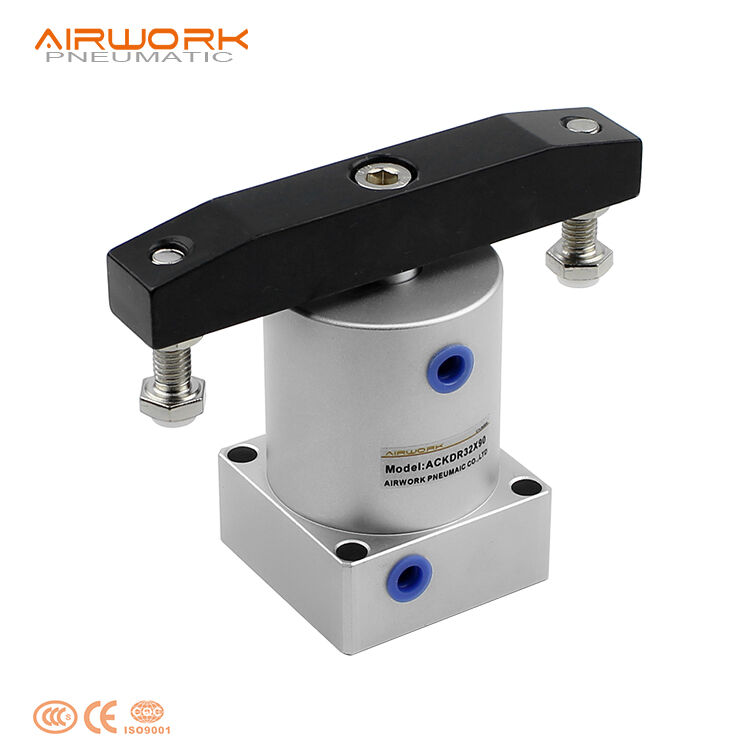
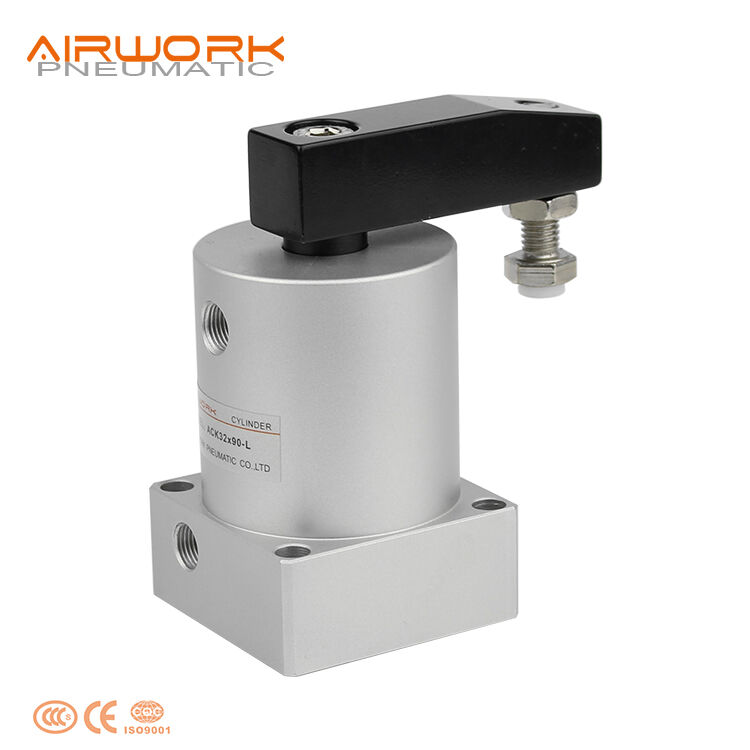
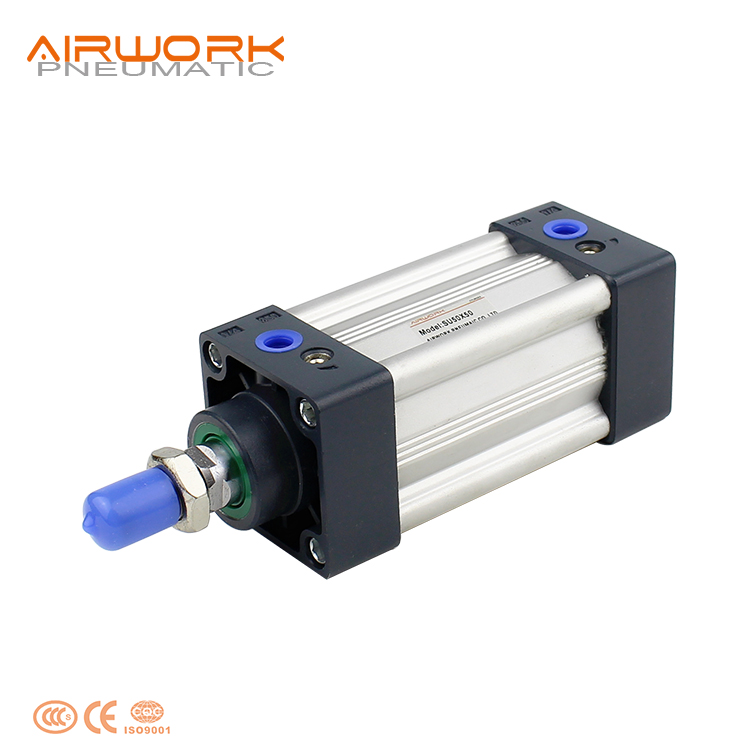
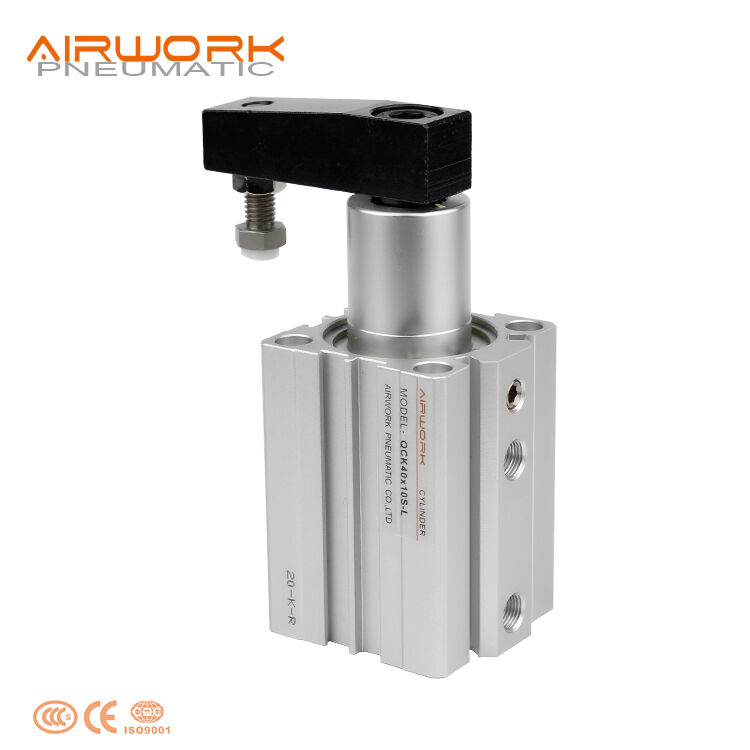
A rotary air cylinder is a pneumatic actuator that converts compressed air energy into controlled rotational motion, offering precise angular positioning and torque output for automated systems. This sophisticated device operates by utilizing compressed air to drive an internal mechanism that produces rotational movement rather than linear motion, making it an essential component in modern industrial automation. The rotary air cylinder incorporates advanced engineering principles to deliver reliable performance across diverse applications, from manufacturing assembly lines to robotic systems. Its primary function revolves around generating controlled angular displacement, typically ranging from 90 degrees to 720 degrees depending on the specific model and configuration. The technological foundation of the rotary air cylinder centers on its internal vane or gear mechanism, which transforms pneumatic pressure into smooth rotational force. This conversion process enables operators to achieve precise positioning control while maintaining consistent torque output throughout the rotation cycle. The rotary air cylinder features robust construction materials, including hardened steel components and precision-machined housings that ensure long-term durability under demanding operating conditions. Advanced sealing systems within the rotary air cylinder prevent air leakage while maintaining optimal pressure levels for consistent performance. The device integrates seamlessly with existing pneumatic control systems, allowing for easy installation and operation without requiring extensive modifications to current setups. Industrial applications for the rotary air cylinder span across multiple sectors, including automotive manufacturing, packaging equipment, material handling systems, and precision assembly operations. In automotive production lines, these cylinders enable precise part positioning and automated tool rotation for welding and assembly processes. Packaging industries utilize rotary air cylinders for container rotation, label application, and product orientation tasks that require accurate angular positioning. The rotary air cylinder proves invaluable in material handling applications where controlled rotation facilitates efficient sorting, conveying, and positioning of products throughout manufacturing processes.

New Products

The rotary air cylinder delivers exceptional precision control that significantly enhances operational efficiency in automated systems. This precision stems from its ability to provide exact angular positioning with minimal deviation, ensuring consistent results across thousands of operating cycles. Unlike electric motors or hydraulic systems, the rotary air cylinder responds instantly to control signals, enabling rapid positioning changes that increase production throughput. The immediate response capability allows operators to achieve cycle times that were previously impossible with alternative rotation solutions. Cost-effectiveness represents another major advantage of the rotary air cylinder, as it requires minimal maintenance while delivering reliable performance over extended periods. The simple pneumatic design eliminates the need for complex electrical components or hydraulic fluid systems, reducing both initial investment costs and ongoing maintenance expenses. Operators can expect years of trouble-free operation with basic preventive maintenance consisting primarily of air filter replacement and occasional lubrication. The rotary air cylinder operates efficiently on standard shop air pressure, typically requiring only 80 to 120 PSI to generate substantial torque output. This pressure requirement makes it compatible with existing compressed air systems in most facilities without requiring additional equipment upgrades. Energy efficiency stands out as a significant benefit, since the rotary air cylinder consumes compressed air only during actual rotation cycles, unlike electric motors that draw continuous power. The compact design of the rotary air cylinder allows installation in tight spaces where larger rotation mechanisms would not fit, maximizing equipment layout flexibility. This space-saving characteristic proves particularly valuable in automated assembly systems where multiple actuators must operate within confined areas. Safety features inherent in pneumatic systems make the rotary air cylinder ideal for applications where electrical hazards must be minimized. The absence of electrical components eliminates spark risks in potentially explosive environments, while the pneumatic operation provides inherent overload protection through pressure relief mechanisms. Temperature tolerance represents another practical advantage, as the rotary air cylinder functions reliably across wide temperature ranges without performance degradation. The robust construction handles temperature extremes that would damage sensitive electronic controls or cause hydraulic fluid viscosity issues. Installation simplicity allows maintenance personnel to mount and connect rotary air cylinders without specialized training, reducing setup time and labor costs. Standard pneumatic fittings and mounting hardware ensure compatibility with existing equipment and tooling systems throughout industrial facilities.

Tips And Tricks

Pneumatic fittings used in water

25

Feb

Pneumatic fittings used in water

View More
Basic knowledge of pneumatic air cylinders

25

Feb

Basic knowledge of pneumatic air cylinders

View More
Air Source Treatment Unit:The

25

Feb

Air Source Treatment Unit:The "Guardians" and Core Components of Pneumatic Systems

View More

Get a Free Quote

Our representative will contact you soon.
Email
Name
Company Name
Message
0/1000

rotary air cylinder

Superior Torque-to-Size Ratio Performance

Superior Torque-to-Size Ratio Performance

The rotary air cylinder delivers exceptional torque output relative to its compact physical dimensions, making it an ideal solution for applications requiring powerful rotation in limited installation space. This superior torque-to-size ratio stems from the advanced internal mechanism design that efficiently converts pneumatic pressure into rotational force through optimized gear ratios and precision-machined components. Unlike bulky electric motors or hydraulic rotary actuators, the rotary air cylinder achieves comparable torque output while occupying significantly less mounting space, enabling engineers to design more compact and efficient automated systems. The high power density characteristic allows a single rotary air cylinder to replace multiple conventional actuators in many applications, simplifying system design while reducing overall equipment costs. Manufacturing facilities benefit tremendously from this space efficiency, particularly in assembly line configurations where multiple rotation points must operate within confined areas. The compact profile of the rotary air cylinder enables installation in locations previously inaccessible to larger rotation mechanisms, expanding design possibilities for automation engineers. This torque advantage becomes particularly evident in demanding applications such as heavy part manipulation, where the rotary air cylinder can generate substantial rotational force while maintaining precise position control. The efficient force transmission through the internal mechanism ensures that maximum available torque reaches the output shaft without significant power losses, unlike belt-driven or chain-driven systems that experience efficiency reductions through mechanical connections. Quality construction materials and precision manufacturing tolerances contribute to the sustained torque performance throughout the operating life of the rotary air cylinder. Hardened steel gears and precision-ground surfaces maintain optimal power transmission characteristics even after millions of operating cycles, ensuring consistent performance in high-duty applications. The torque output remains stable across varying air pressure conditions, providing predictable performance that enables accurate system design calculations. This reliability factor allows engineers to specify rotary air cylinders with confidence, knowing that actual field performance will match design specifications throughout the equipment lifecycle.
Exceptional Durability and Maintenance-Free Operation

Exceptional Durability and Maintenance-Free Operation

The rotary air cylinder stands out for its remarkable durability and virtually maintenance-free operation, characteristics that translate directly into reduced operational costs and increased productivity for industrial facilities. The robust construction philosophy behind every rotary air cylinder emphasizes long-term reliability through the use of premium materials and advanced manufacturing techniques that withstand demanding industrial environments. Internal components feature hardened steel construction with precision tolerances that maintain proper clearances and smooth operation even after extensive use in harsh conditions. The sealed design prevents contamination from dust, debris, and moisture that typically plague other rotation mechanisms, ensuring consistent performance regardless of environmental challenges. Advanced sealing technology within the rotary air cylinder prevents both air leakage and external contamination, maintaining optimal pressure levels while protecting internal components from wear-causing particles. This sealed environment extends component life significantly compared to open-design alternatives that experience accelerated wear from environmental exposure. The pneumatic operation principle inherently provides overload protection, as the rotary air cylinder will stall rather than suffer damage when encountering excessive resistance, unlike electric motors that can burn out under overload conditions. This self-protecting characteristic eliminates the need for external overload protection devices while preventing costly component failures during normal operation. Lubrication requirements are minimal, with many rotary air cylinder models featuring lifetime lubrication that eliminates the need for regular maintenance schedules. When periodic lubrication is required, the process involves simple air-line lubricator adjustment rather than complex disassembly procedures. The absence of electrical components eliminates concerns about moisture damage, electromagnetic interference, or electrical failure modes that affect other actuator types. Temperature stability ensures reliable operation across industrial temperature ranges without performance degradation or accelerated component wear. Quality control processes during manufacturing include extensive testing protocols that verify performance specifications and identify potential issues before products reach customers, ensuring field reliability that meets demanding industrial standards.
Seamless Integration and Operational Flexibility

Seamless Integration and Operational Flexibility

The rotary air cylinder offers unmatched integration capabilities and operational flexibility that streamline implementation across diverse industrial applications while providing adaptable solutions for evolving automation needs. This integration advantage begins with standardized mounting interfaces that ensure compatibility with existing equipment designs and tooling systems, eliminating the need for custom brackets or specialized mounting hardware. The universal mounting patterns allow direct replacement of other actuator types without requiring mechanical modifications to existing systems, reducing conversion time and associated downtime costs. Connection simplicity extends beyond mechanical mounting to include pneumatic and control interfaces that utilize industry-standard components and protocols. Standard pneumatic fittings ensure immediate compatibility with existing compressed air systems, while optional position feedback sensors integrate seamlessly with programmable logic controllers and automation systems. The modular design philosophy of the rotary air cylinder enables easy customization for specific application requirements through various mounting options, stroke angles, and torque specifications. This flexibility allows engineers to select optimal configurations without compromising performance or requiring expensive custom solutions. Control options range from simple manual valves to sophisticated electronic positioning systems, providing scalable automation levels that match budget constraints and technical requirements. The rotary air cylinder adapts readily to both basic on-off applications and complex multi-position indexing operations through appropriate valve and control system selection. Speed control capabilities enable optimization of cycle times for different applications, with adjustable flow controls allowing fine-tuning of rotation speeds to match production requirements. Bidirectional operation provides complete flexibility for applications requiring clockwise and counterclockwise rotation, with consistent performance characteristics in both directions. The pneumatic nature of the rotary air cylinder enables safe operation in hazardous environments where electrical equipment poses unacceptable risks, expanding application possibilities into chemical processing, explosive atmospheres, and other challenging industrial settings. Multiple rotary air cylinders can be synchronized easily through pneumatic manifold systems, enabling coordinated motion control for complex automation sequences. This synchronization capability proves valuable in applications requiring simultaneous rotation of multiple components or precise timing between different rotation points throughout a production process.

Get a Free Quote

Our representative will contact you soon.
Email
Name
Company Name
Message
0/1000