Pneumatic Rotary Valve: Advanced Flow Control Solutions for Industrial Applications

All Categories

pneumatic rotary valve

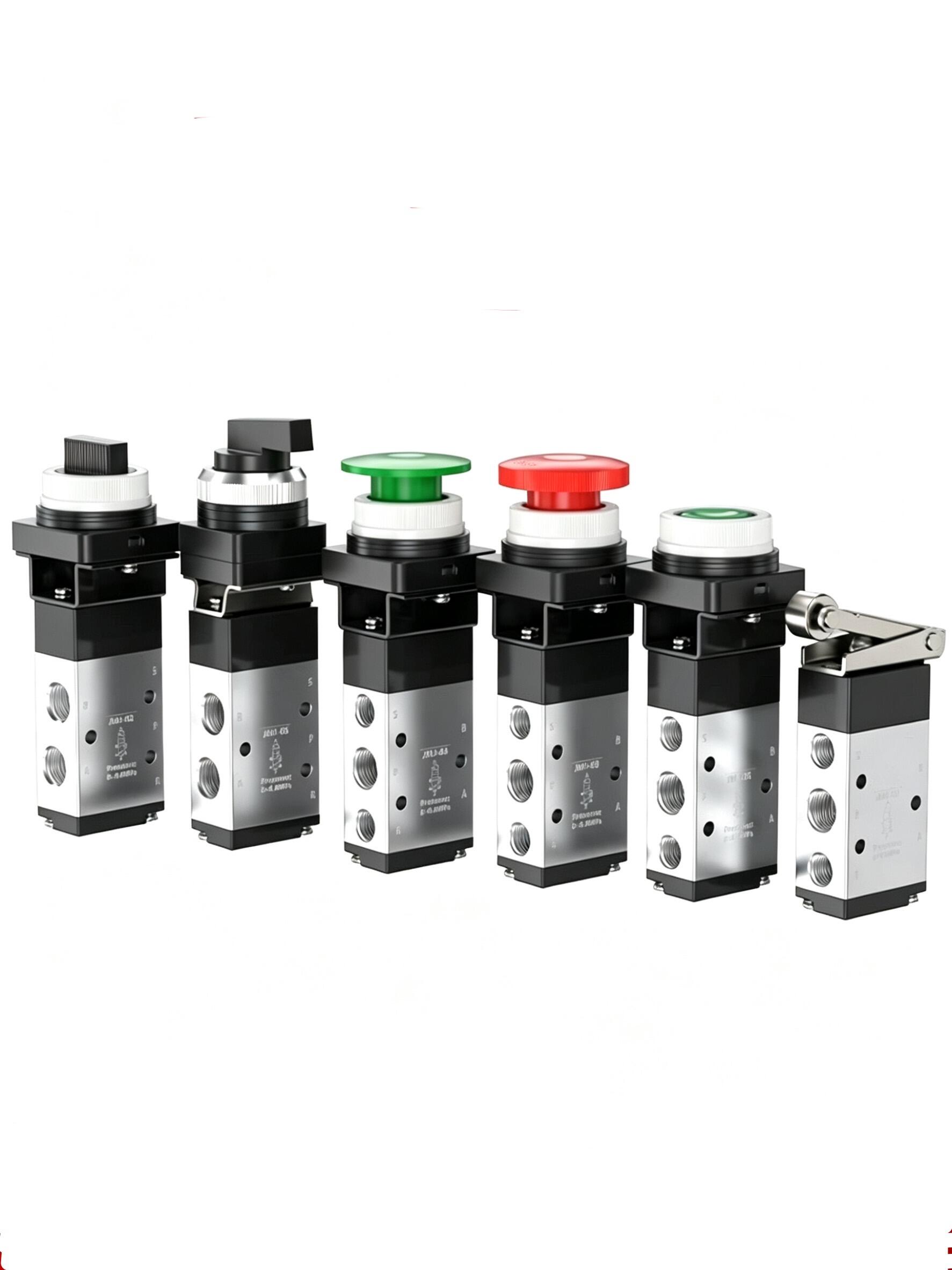
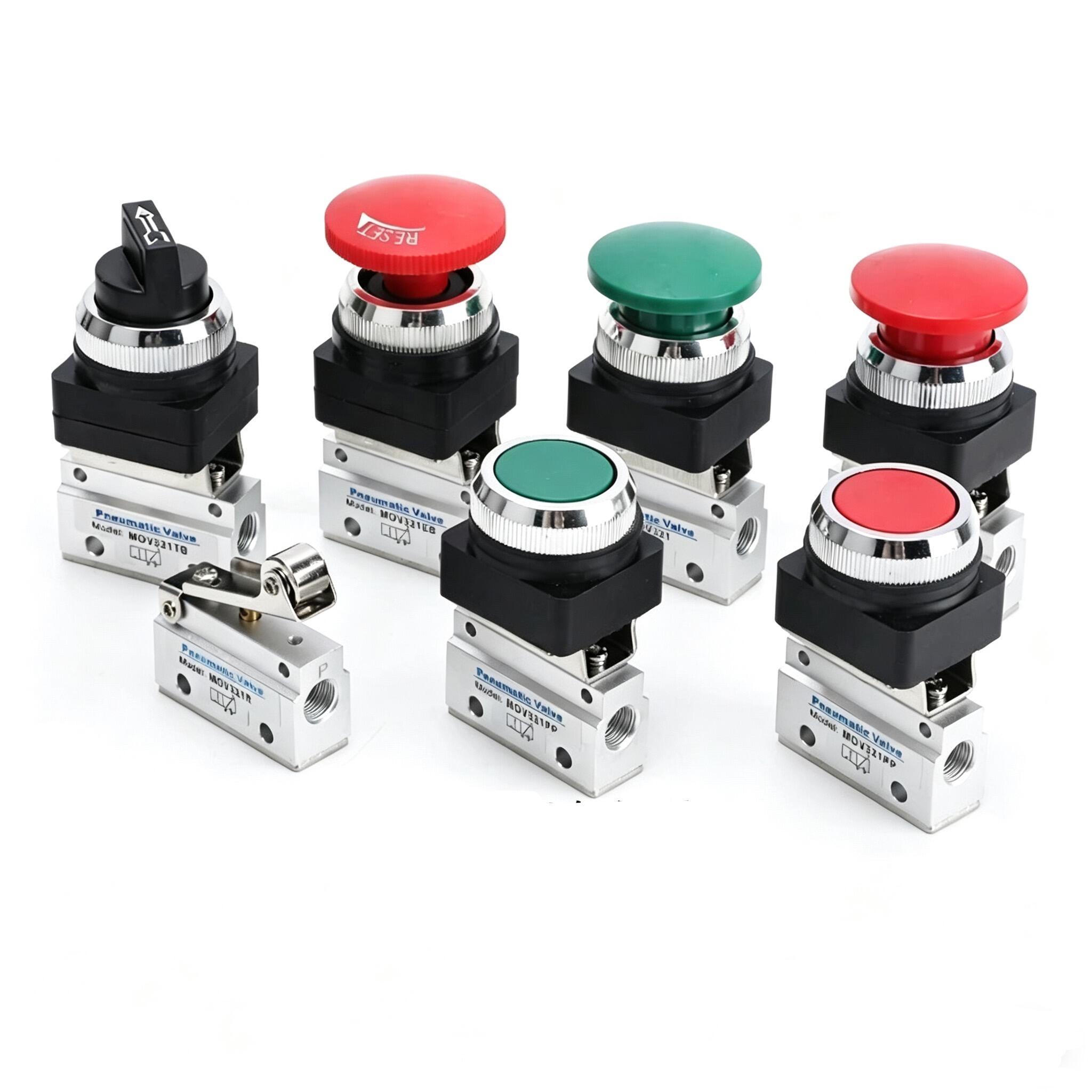
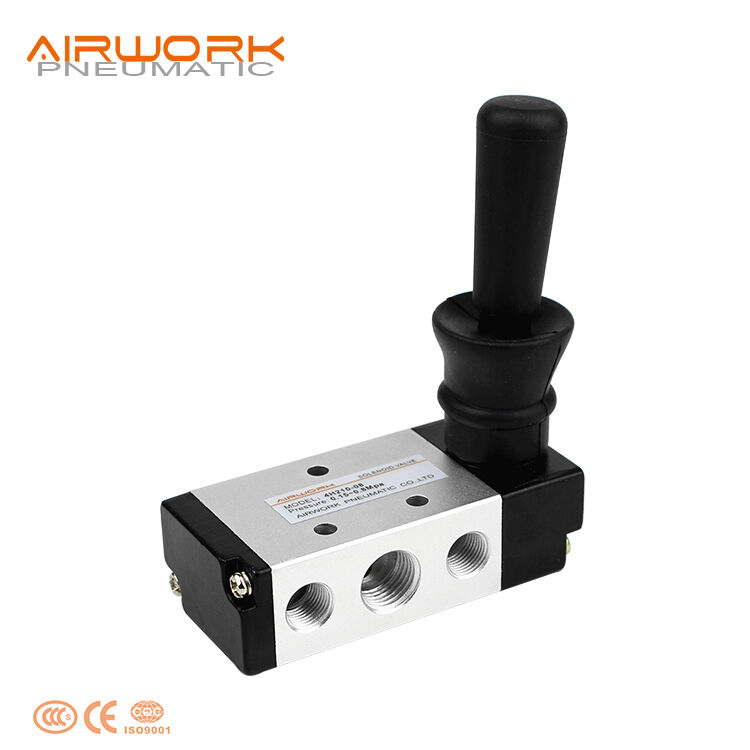
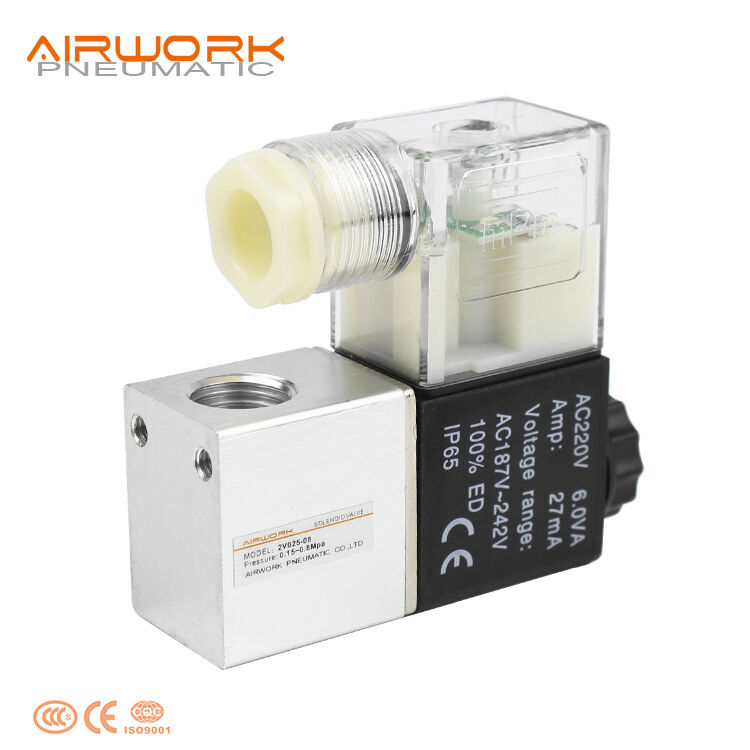
The pneumatic rotary valve represents a crucial component in modern industrial automation systems, designed to control the flow of gases and air through precise rotational movement. This advanced valve mechanism utilizes compressed air as its primary operating force, enabling smooth and reliable operation across diverse industrial applications. The pneumatic rotary valve functions through a rotating disc or ball mechanism that opens, closes, or modulates flow passages based on pneumatic actuation signals. This design principle ensures consistent performance while maintaining excellent sealing capabilities under various pressure conditions. The technological framework of pneumatic rotary valves incorporates sophisticated materials and engineering precision to deliver optimal flow control solutions. These valves feature robust construction using high-grade metals and specialized seals that withstand extreme temperatures and corrosive environments. The pneumatic actuation system provides rapid response times, typically achieving full stroke operation within seconds, making them ideal for applications requiring quick flow adjustments. Modern pneumatic rotary valve designs integrate advanced position feedback systems, enabling precise control and monitoring of valve positions throughout operation cycles. The valve body construction employs streamlined internal geometries that minimize pressure drops while maximizing flow efficiency. Applications for pneumatic rotary valves span numerous industries including chemical processing, petroleum refining, power generation, water treatment, and manufacturing operations. In chemical plants, these valves control reagent flows and maintain process safety through reliable shut-off capabilities. Power generation facilities utilize pneumatic rotary valves for steam control, combustion air regulation, and cooling system management. Water treatment operations depend on these valves for precise flow metering, filtration control, and distribution network management. The versatility of pneumatic rotary valve technology extends to specialized applications such as pharmaceutical manufacturing, food processing, and semiconductor production, where contamination prevention and precise flow control are paramount. Manufacturing processes benefit from the valve's ability to handle various media types, from clean gases to particulate-laden streams, while maintaining consistent performance standards throughout extended operation periods.

Popular Products

Pneumatic rotary valves deliver exceptional operational benefits that significantly enhance industrial process efficiency and reliability. These valves provide superior flow control accuracy compared to traditional valve designs, enabling precise regulation of gas and air streams with minimal deviation from setpoint values. The pneumatic actuation system ensures consistent torque delivery across the entire operating range, eliminating the performance variations commonly associated with manual or electric valve operations. This consistency translates directly into improved process stability and reduced product quality variations, delivering measurable cost savings through enhanced production efficiency. The rapid response characteristics of pneumatic rotary valves enable real-time process adjustments, allowing operators to maintain optimal operating conditions even during dynamic process changes. This responsiveness proves particularly valuable in applications where process parameters fluctuate rapidly, such as combustion control systems or reactive chemical processes. Maintenance requirements for pneumatic rotary valves remain minimal due to their simple mechanical design and robust construction materials. The absence of complex electronic components reduces failure points and eliminates the need for specialized maintenance expertise, resulting in lower operational costs and reduced downtime. The valve's sealed design prevents external contamination while containing process media effectively, ensuring long-term reliability and consistent performance. Energy efficiency represents another significant advantage, as pneumatic rotary valves consume minimal power during operation. The pneumatic actuation system operates using existing plant compressed air supplies, eliminating the need for dedicated electrical connections or complex control wiring. This simplicity reduces installation costs and allows flexible valve placement throughout industrial facilities. Safety benefits include fail-safe operation modes, where valves automatically return to predetermined safe positions during power failures or control system malfunctions. The pneumatic rotary valve design inherently provides fire-safe capabilities, maintaining flow control integrity even under extreme temperature conditions. Operational flexibility allows these valves to handle diverse media types, from clean instrument air to corrosive process gases, without requiring extensive modifications or specialized materials. The valve's bidirectional flow capabilities eliminate installation orientation concerns, simplifying piping design and reducing installation complexity. Cost-effectiveness emerges through extended service life, reduced maintenance intervals, and improved process efficiency, delivering strong return on investment for industrial operations seeking reliable flow control solutions.

Practical Tips

Pneumatic fittings used in water

25

Feb

Pneumatic fittings used in water

View More
Basic knowledge of pneumatic air cylinders

25

Feb

Basic knowledge of pneumatic air cylinders

View More
Air Source Treatment Unit:The

25

Feb

Air Source Treatment Unit:The "Guardians" and Core Components of Pneumatic Systems

View More

Get a Free Quote

Our representative will contact you soon.
Email
Name
Company Name
Message
0/1000

pneumatic rotary valve

Superior Sealing Technology and Leak Prevention

Superior Sealing Technology and Leak Prevention

The pneumatic rotary valve incorporates advanced sealing technology that sets new standards for leak prevention and operational reliability in industrial flow control applications. This sophisticated sealing system utilizes multiple barrier designs including primary elastomeric seals, secondary metallic seals, and tertiary packing arrangements that work collectively to prevent both internal and external leakage. The primary sealing interface features precision-engineered elastomeric components manufactured from specialized compounds that maintain flexibility and sealing effectiveness across extreme temperature ranges from -40°F to 450°F. These seals undergo rigorous testing protocols to ensure compliance with international safety standards and environmental regulations. The metallic secondary sealing system provides backup protection using spring-energized metal seals that engage automatically when primary seals experience wear or thermal cycling effects. This dual-sealing approach ensures continuous leak-tight operation throughout the valve's service life, eliminating costly product losses and environmental concerns associated with fugitive emissions. The pneumatic rotary valve design incorporates live-loaded packing systems that maintain consistent sealing pressure as components experience thermal expansion and normal wear patterns. This self-adjusting capability eliminates the need for frequent maintenance interventions while ensuring reliable sealing performance under varying operating conditions. Advanced seal materials including PTFE compounds, specialized elastomers, and metal-clad designs provide chemical compatibility with aggressive media including acids, bases, solvents, and high-temperature gases. The sealing system design prevents cross-contamination between different process streams, making these valves ideal for applications requiring high purity standards such as pharmaceutical manufacturing and semiconductor production. Quality control procedures include helium leak testing, hydrostatic pressure testing, and thermal cycling validation to verify sealing integrity before shipment. The result is a pneumatic rotary valve that consistently achieves leakage rates below 0.1% of rated flow capacity, significantly exceeding industry standards for valve tightness and providing customers with reliable, environmentally responsible flow control solutions that protect both process integrity and operational profitability.
Advanced Position Control and Monitoring Capabilities

Advanced Position Control and Monitoring Capabilities

The pneumatic rotary valve features state-of-the-art position control and monitoring systems that provide unprecedented accuracy and reliability in flow regulation applications. This advanced positioning technology incorporates precision feedback devices including potentiometric sensors, magnetic proximity switches, and optical encoders that continuously monitor valve position with resolution capabilities exceeding 0.1% of full stroke travel. The integrated position control system enables both local and remote valve operation with real-time position indication displayed through digital readouts, analog gauges, and electronic communication protocols compatible with modern distributed control systems. The pneumatic rotary valve positioning system responds to control signals within milliseconds, achieving precise positioning accuracy that maintains process setpoints within tight tolerances even under varying load conditions. This exceptional responsiveness proves crucial in applications requiring rapid flow adjustments such as emergency shutdown systems, pressure relief applications, and dynamic process control scenarios. The position monitoring capabilities include both absolute and incremental position tracking, ensuring accurate valve position knowledge regardless of power interruptions or control system resets. Advanced diagnostic features continuously monitor valve performance parameters including actuation pressure, position accuracy, and response time variations, providing early warning indicators for preventive maintenance scheduling. The control system architecture supports multiple communication protocols including 4-20mA analog signals, digital fieldbus networks, and wireless communication systems, enabling seamless integration with existing plant automation infrastructure. Position indication accuracy remains stable across environmental conditions including temperature fluctuations, vibration exposure, and electromagnetic interference commonly encountered in industrial settings. The pneumatic rotary valve incorporates fail-safe positioning features that automatically drive the valve to predetermined safe positions during control signal loss or pneumatic supply failure, ensuring process safety and equipment protection. Calibration procedures utilize digital tools that simplify setup and maintenance while maintaining long-term accuracy without drift. The positioning system includes adjustable travel limits, speed controls, and dampening settings that optimize valve response for specific applications while preventing mechanical damage from over-travel or excessive operating speeds. These comprehensive position control and monitoring capabilities transform the pneumatic rotary valve into an intelligent flow control device that enhances process efficiency while providing operators with detailed performance data for optimized system management.
Exceptional Durability and Extended Service Life

Exceptional Durability and Extended Service Life

The pneumatic rotary valve demonstrates exceptional durability through advanced materials engineering and precision manufacturing processes that ensure extended service life under demanding industrial operating conditions. The valve body construction utilizes high-strength materials including stainless steel alloys, carbon steel, and specialized metals selected for specific application requirements including corrosion resistance, temperature tolerance, and mechanical strength. Internal components undergo precision machining operations that achieve surface finishes and dimensional tolerances measured in micrometers, ensuring smooth operation and minimal wear throughout extended service cycles. The pneumatic rotary valve design incorporates hardened bearing surfaces, wear-resistant coatings, and self-lubricating materials that maintain smooth rotational movement while resisting particle abrasion and chemical attack. Quality assurance testing includes accelerated life cycle testing that simulates years of operation within compressed timeframes, validating component durability and identifying potential wear patterns before product release. The actuator mechanism features robust construction using aerospace-grade materials and manufacturing techniques that withstand millions of operating cycles without performance degradation. Protective coatings applied to external surfaces provide corrosion resistance in harsh environmental conditions including marine atmospheres, chemical exposure, and extreme temperature cycling. The pneumatic rotary valve incorporates redundant design features that prevent catastrophic failures even when individual components experience wear or damage, ensuring continued operation and process safety. Field performance data demonstrates service life expectations exceeding 20 years under normal operating conditions, with many installations achieving 30+ years of reliable service through proper maintenance practices. The valve design accommodates in-service maintenance procedures that allow component replacement and refurbishment without complete valve removal, minimizing downtime and maintenance costs. Materials selection considers long-term compatibility with process media, preventing degradation from chemical exposure, temperature cycling, and mechanical stress that commonly affect industrial equipment. The manufacturing process includes stress-relief treatments, precision assembly procedures, and comprehensive testing protocols that ensure consistent quality and reliability across all production units. Environmental testing validates performance under extreme conditions including temperature cycling from -65°F to 500°F, vibration exposure, and corrosive atmosphere exposure, confirming the pneumatic rotary valve's ability to maintain reliable operation throughout its extended service life while delivering consistent performance and exceptional value for industrial flow control applications.

Get a Free Quote

Our representative will contact you soon.
Email
Name
Company Name
Message
0/1000