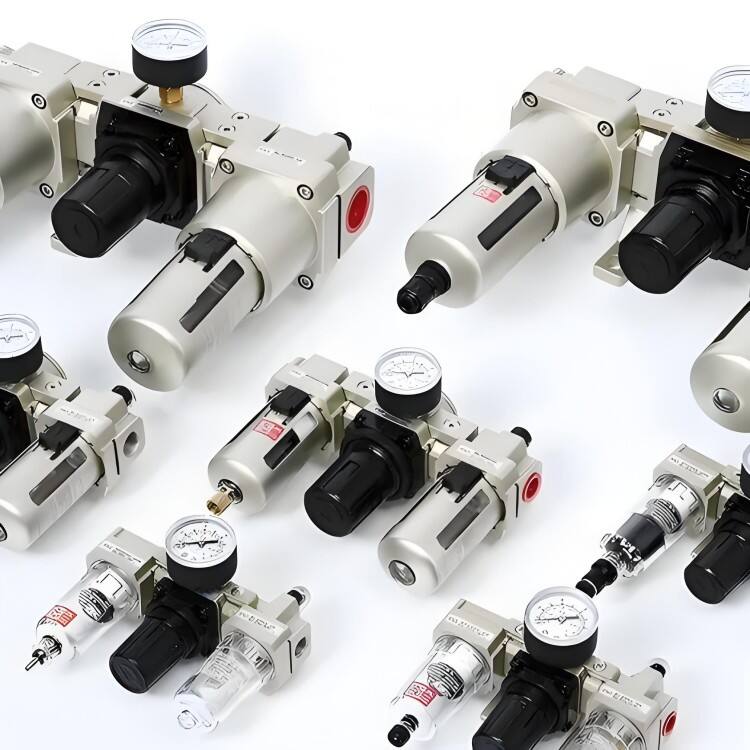
High-Performance Pneumatic Piston Actuators: Industrial Automation Solutions for Enhanced Safety and Efficiency

All Categories

pneumatic piston actuator

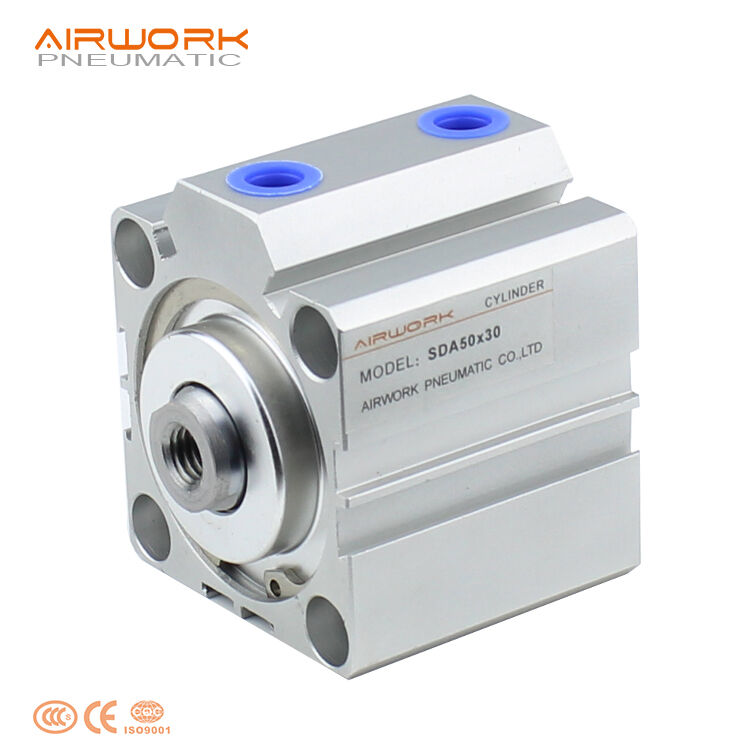
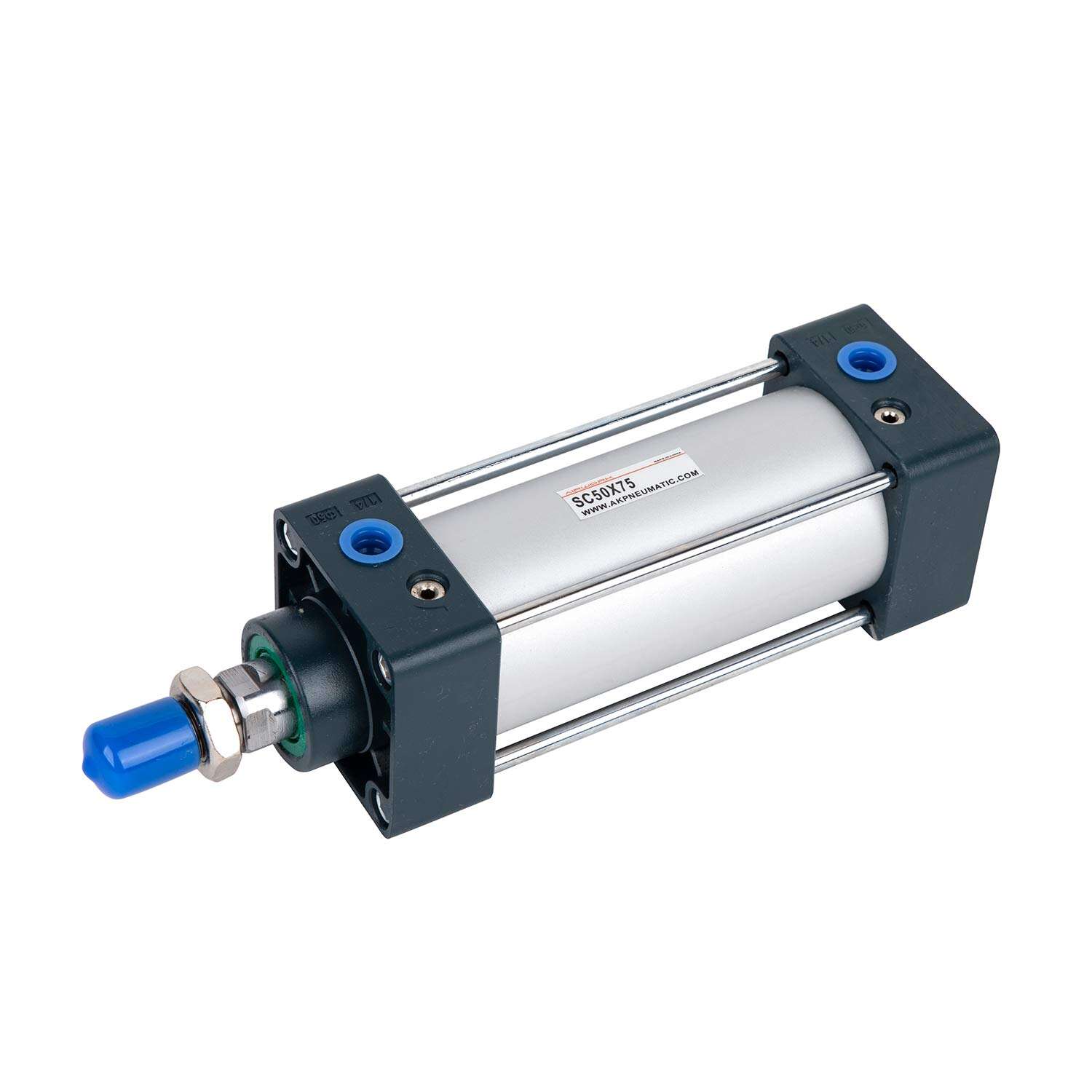
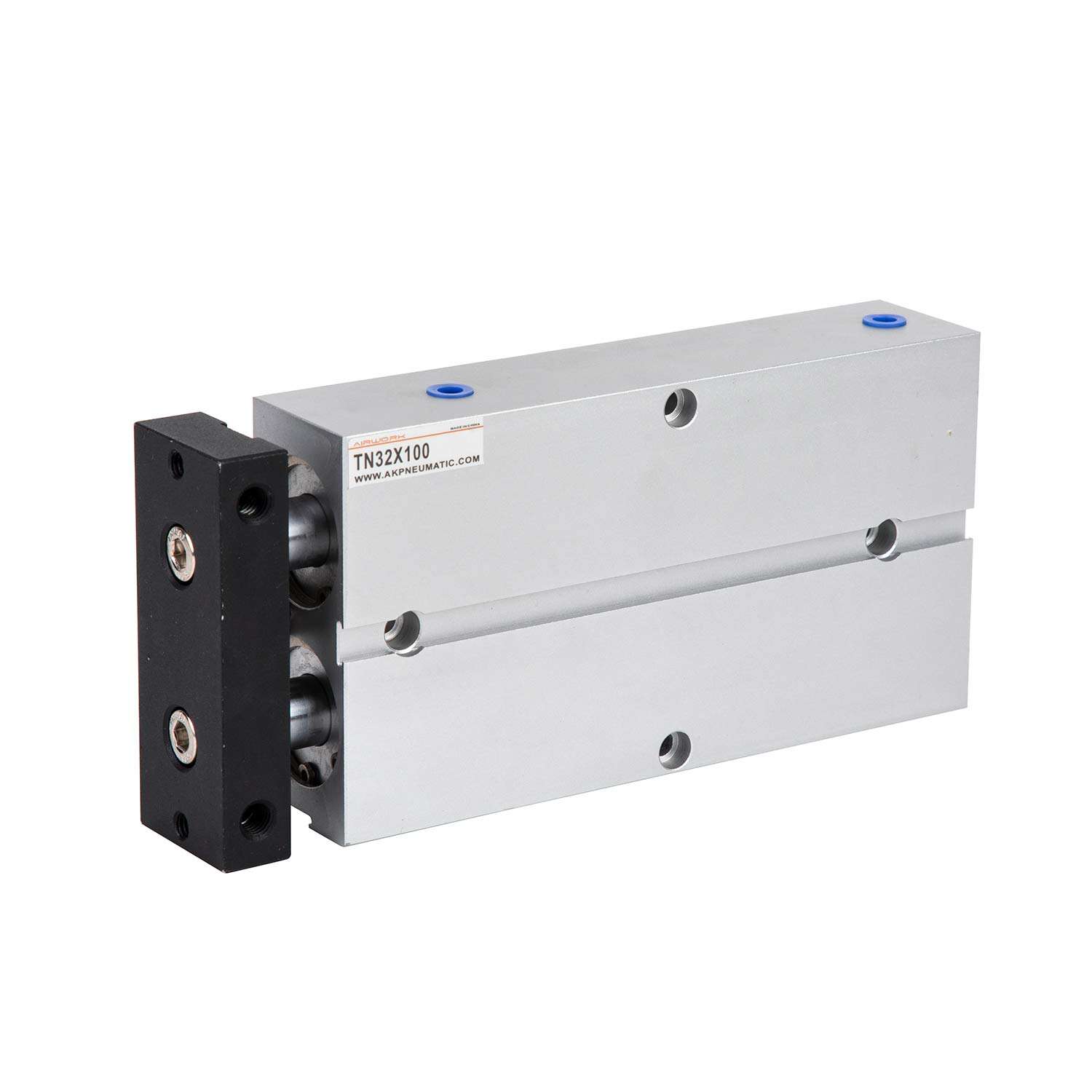
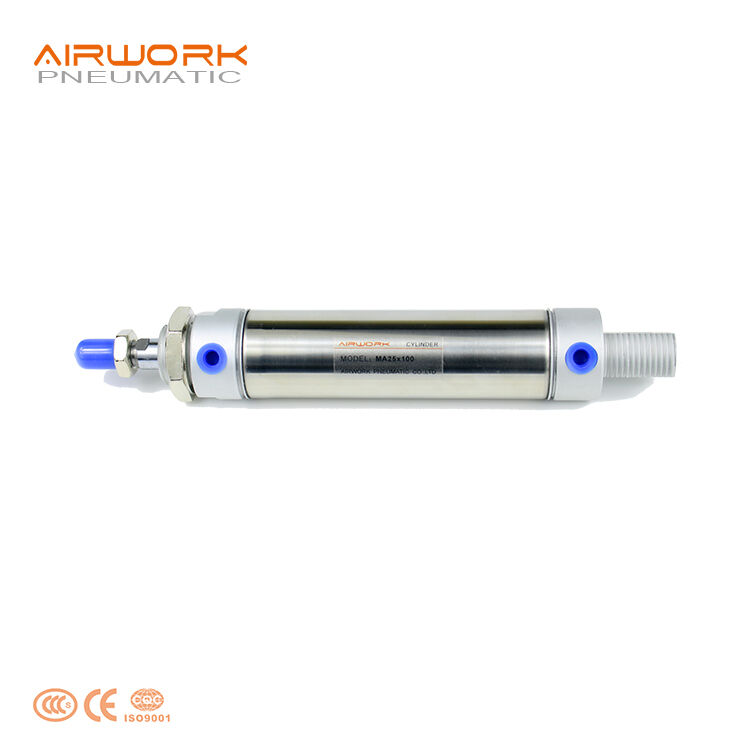
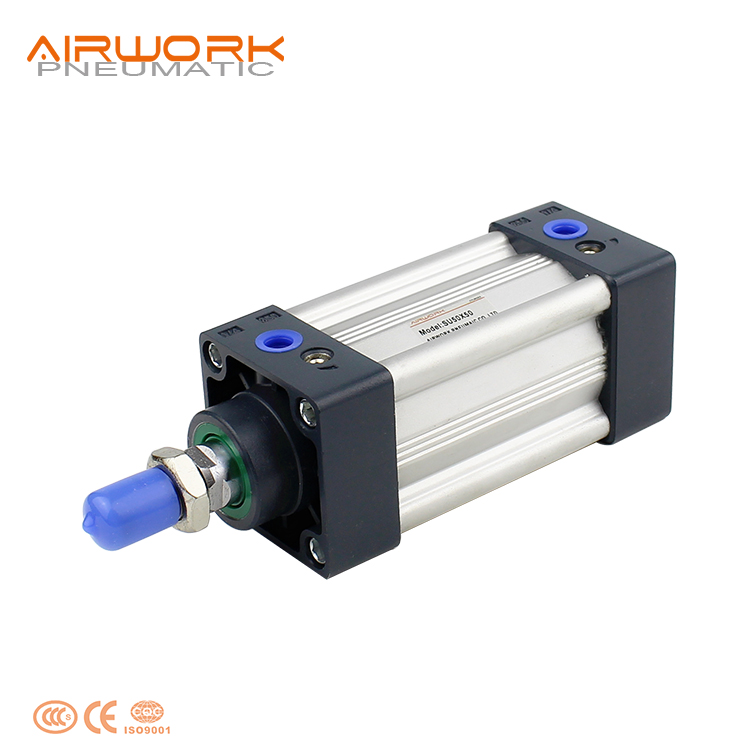
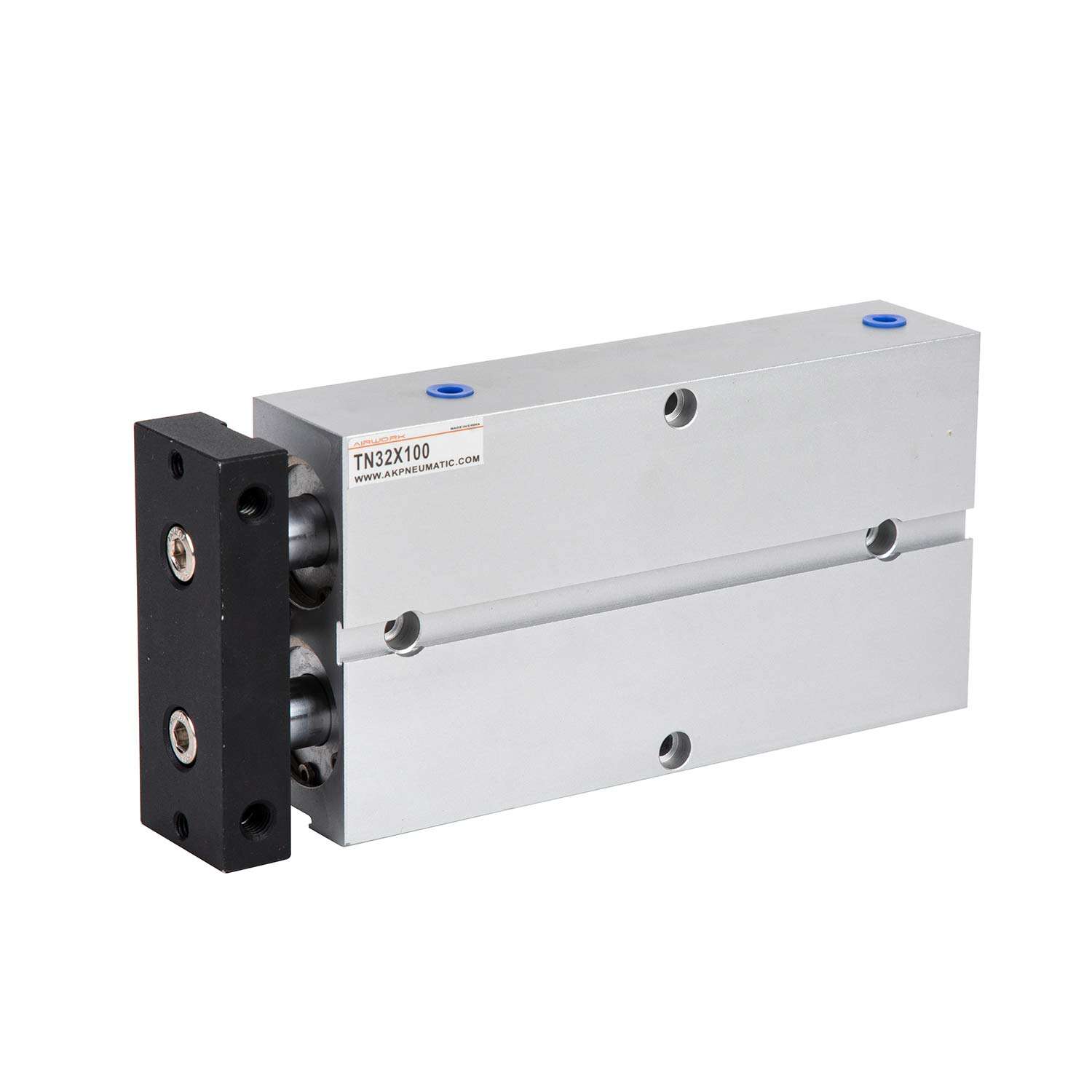
A pneumatic piston actuator represents a critical component in modern industrial automation systems, serving as a reliable power transmission device that converts compressed air energy into linear mechanical motion. This sophisticated mechanism operates through the fundamental principle of air pressure differentials, utilizing compressed air to drive a piston within a cylindrical chamber, thereby generating controlled linear movement for various industrial applications. The pneumatic piston actuator consists of several essential components including a cylinder body, piston assembly, rod mechanism, sealing elements, and air supply connections that work harmoniously to deliver consistent performance. The main functions of this versatile device encompass precise positioning control, force generation, and automated movement execution across diverse operational environments. Technologically, the pneumatic piston actuator incorporates advanced engineering features such as adjustable stroke lengths, variable speed control capabilities, and integrated cushioning systems that minimize impact forces during operation. Modern designs often include position feedback sensors, allowing for enhanced accuracy and real-time monitoring of actuator performance. The device operates efficiently across wide temperature ranges and maintains consistent functionality even in challenging environmental conditions. Key technological characteristics include corrosion-resistant materials, precision-machined components, and modular design elements that facilitate easy maintenance and customization. Applications for pneumatic piston actuators span numerous industries including manufacturing automation, packaging systems, automotive assembly lines, food processing equipment, pharmaceutical machinery, and material handling systems. These devices excel in applications requiring rapid cycling, high force output, and reliable operation over extended periods. The pneumatic piston actuator proves particularly valuable in explosive environments where electrical components pose safety risks, making it an ideal choice for chemical processing plants, oil refineries, and mining operations where spark-free operation is mandatory.

New Product Recommendations

The pneumatic piston actuator delivers exceptional value through its inherent design advantages that directly benefit operational efficiency and cost-effectiveness. Safety represents the most significant advantage, as these devices operate without electrical power at the point of actuation, eliminating spark hazards and making them perfect for explosive atmospheres where traditional electric actuators cannot operate safely. This spark-free operation protects personnel and equipment while ensuring compliance with strict safety regulations in hazardous environments. Cost efficiency emerges as another compelling benefit, with pneumatic piston actuators requiring minimal initial investment compared to hydraulic or electric alternatives while maintaining lower ongoing operational costs through reduced energy consumption and simplified maintenance requirements. The compressed air supply system typically costs less to install and operate than complex hydraulic systems or high-power electrical installations. Maintenance simplicity provides substantial long-term benefits, as these actuators feature fewer moving parts than complex mechanical systems, reducing wear points and extending service intervals. Routine maintenance involves basic lubrication and seal replacement, tasks that facility maintenance teams can perform without specialized training or expensive diagnostic equipment. This translates to reduced downtime and lower maintenance costs throughout the actuator's operational life. Speed and responsiveness offer immediate operational benefits, with pneumatic piston actuators capable of achieving rapid acceleration and deceleration cycles that enhance production throughput. The compressible nature of air allows for smooth motion profiles and excellent speed control, enabling precise timing in automated processes. Force-to-weight ratio advantages make these actuators ideal for applications where mounting weight considerations are critical, as they deliver substantial force output while maintaining relatively lightweight construction. Environmental tolerance represents another practical advantage, with pneumatic piston actuators operating reliably across extreme temperature ranges and in contaminated environments where other actuator types might fail. The robust construction withstands exposure to dust, moisture, and corrosive substances commonly found in industrial settings. Installation flexibility provides significant practical benefits, as these devices can be mounted in any orientation and easily integrated into existing systems without extensive modifications. The standardized mounting interfaces and connection methods simplify integration while reducing installation time and costs.

Practical Tips

Pneumatic fittings used in water

25

Feb

Pneumatic fittings used in water

View More
Basic knowledge of pneumatic air cylinders

25

Feb

Basic knowledge of pneumatic air cylinders

View More
Air Source Treatment Unit:The

25

Feb

Air Source Treatment Unit:The "Guardians" and Core Components of Pneumatic Systems

View More

Get a Free Quote

Our representative will contact you soon.
Email
Name
Company Name
Message
0/1000

pneumatic piston actuator

Superior Safety Performance in Hazardous Environments

Superior Safety Performance in Hazardous Environments

The pneumatic piston actuator stands out in industrial applications through its exceptional safety characteristics, particularly in environments where explosive gases, vapors, or combustible dust particles create dangerous conditions. Unlike electric actuators that generate sparks during operation, the pneumatic piston actuator operates entirely through compressed air pressure, eliminating any possibility of electrical ignition sources at the actuation point. This fundamental safety advantage makes it the preferred choice for chemical processing facilities, paint spray booths, grain handling systems, and petrochemical installations where even minimal spark generation could trigger catastrophic explosions. The intrinsic safety design extends beyond simple spark prevention, incorporating fail-safe mechanisms that ensure predictable behavior during system failures. When air supply is interrupted, the pneumatic piston actuator can be configured to either maintain position through air cushioning or return to a predetermined safe position through spring return mechanisms. This predictable failure mode allows engineers to design systems with inherent safety characteristics that protect both personnel and equipment. Furthermore, the absence of electrical components at the actuator eliminates concerns about electromagnetic interference, making these devices ideal for use near sensitive electronic equipment or in applications where EMI could disrupt critical control systems. The safety benefits extend to maintenance operations, where technicians can service pneumatic piston actuators without concern for electrical lockout procedures or high-voltage safety protocols. This simplified safety approach reduces training requirements and minimizes the risk of maintenance-related accidents. Additionally, the pneumatic piston actuator operates at relatively low pressures compared to hydraulic systems, reducing the severity of potential injuries from system failures while maintaining excellent performance characteristics.
Exceptional Durability and Reliability Under Demanding Conditions

Exceptional Durability and Reliability Under Demanding Conditions

The pneumatic piston actuator demonstrates remarkable longevity and consistent performance through its robust construction and intelligent design features that address the challenges of continuous industrial operation. Built with precision-machined components and high-grade materials, these actuators withstand millions of operating cycles while maintaining accurate positioning and force output characteristics. The cylinder bore features specialized surface treatments and precise tolerances that minimize wear while ensuring smooth piston movement throughout the actuator's service life. Advanced sealing technologies protect internal components from contamination while maintaining consistent air pressure, even in environments with high levels of dust, moisture, or chemical exposure. The modular design philosophy allows for strategic component replacement without complete system overhaul, extending operational life while minimizing maintenance costs. Quality pneumatic piston actuators incorporate self-lubricating components and materials that reduce friction and wear, eliminating the need for frequent lubrication while extending service intervals. Temperature compensation features ensure consistent performance across wide operating ranges, from freezing conditions to high-temperature industrial processes. The actuator housing typically features corrosion-resistant coatings or materials that withstand exposure to chemicals, salt spray, and other aggressive substances common in industrial environments. Internal cushioning systems protect mechanical components from impact forces during rapid cycling operations, reducing stress concentrations and extending component life. Position sensing capabilities, when integrated, provide real-time feedback on actuator condition and performance, enabling predictive maintenance strategies that prevent unexpected failures. The pneumatic piston actuator's ability to operate reliably in outdoor installations, where exposure to weather extremes and UV radiation challenges other actuator types, makes it invaluable for infrastructure applications such as water treatment facilities, mining operations, and agricultural systems where environmental protection may be limited but reliable operation remains critical.
Versatile Integration and Customization Capabilities

Versatile Integration and Customization Capabilities

The pneumatic piston actuator excels in adaptability, offering extensive customization options and integration flexibility that accommodate diverse application requirements across multiple industries. This versatility begins with comprehensive mounting configurations, including clevis mounts, flange mounts, foot mounts, and trunnion designs that enable installation in virtually any orientation or space constraint. The standardized mounting interfaces ensure compatibility with existing equipment while simplifying retrofit applications where legacy systems require modernization. Stroke length customization allows engineers to specify exact travel distances from compact 25mm strokes for precision applications to extended 2000mm strokes for large-scale material handling systems. Bore diameter options provide force output scaling from light-duty positioning applications requiring minimal force to heavy-duty industrial processes demanding substantial actuation power. Port configurations offer multiple connection options including side ports, rear ports, and through-rod designs that optimize plumbing layouts and minimize installation complexity. The pneumatic piston actuator supports various control methods, from simple manual valve operation to sophisticated electronic control systems with proportional pressure regulation and position feedback. Cushioning options include adjustable pneumatic cushioning, mechanical shock absorbers, and integrated deceleration systems that provide smooth operation while protecting connected machinery from impact forces. Specialized applications benefit from custom features such as corrosion-resistant coatings for marine environments, food-grade materials for pharmaceutical applications, and explosion-proof certifications for hazardous locations. The modular accessory system enables integration of position sensors, limit switches, flow controls, and pressure regulators directly onto the actuator body, reducing system complexity while improving reliability. Speed control capabilities range from basic flow restriction to sophisticated servo control systems that provide precise velocity profiles for demanding applications. Environmental sealing options protect internal components in washdown applications, outdoor installations, and contaminated environments where standard sealing might prove inadequate. This comprehensive customization capability ensures that each pneumatic piston actuator installation delivers optimal performance while meeting specific operational requirements and regulatory compliance standards.

Get a Free Quote

Our representative will contact you soon.
Email
Name
Company Name
Message
0/1000