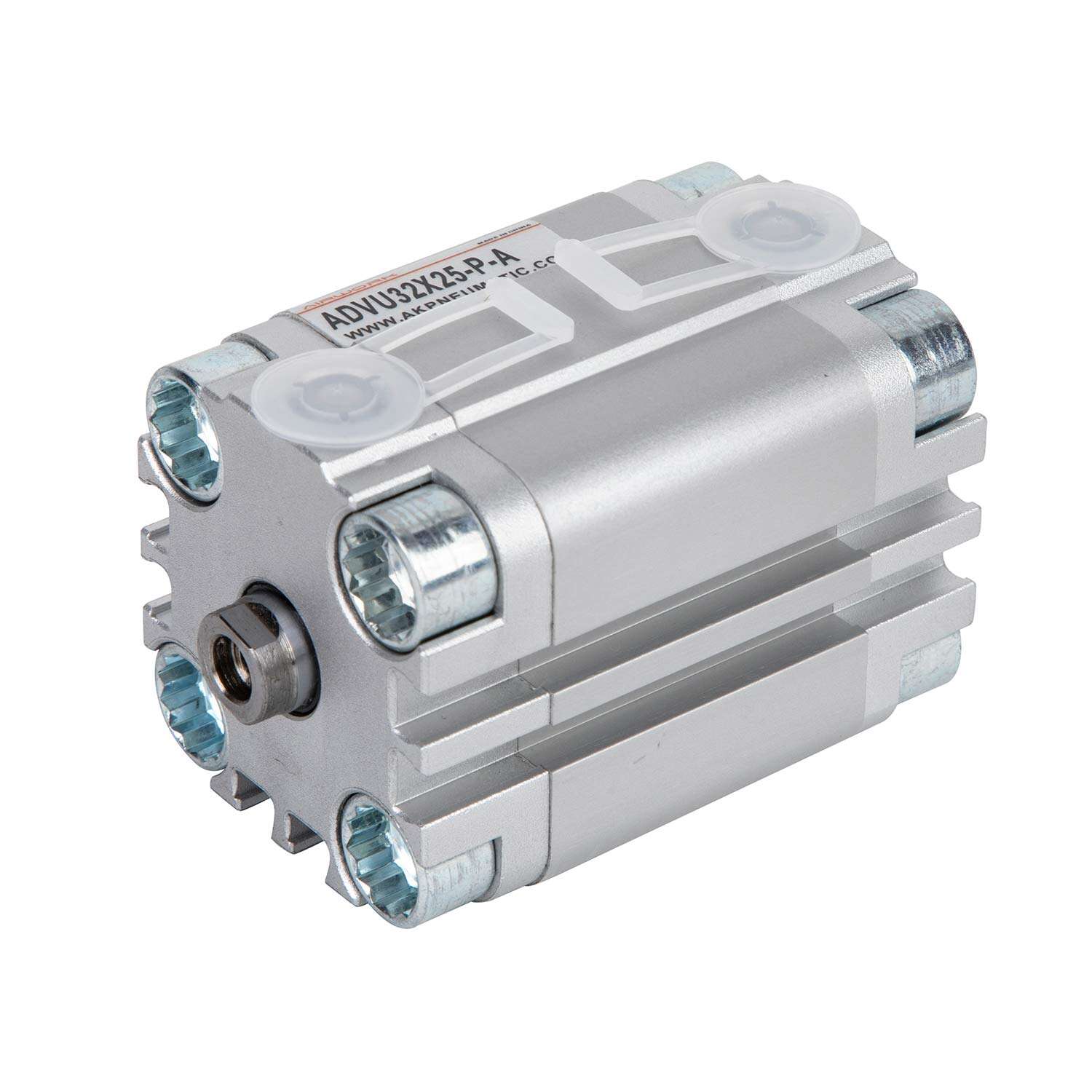
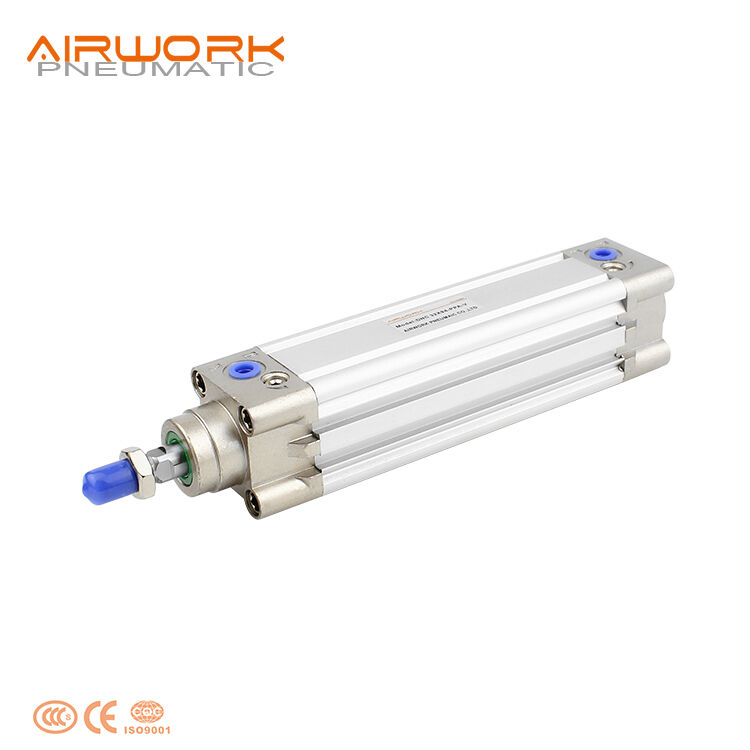
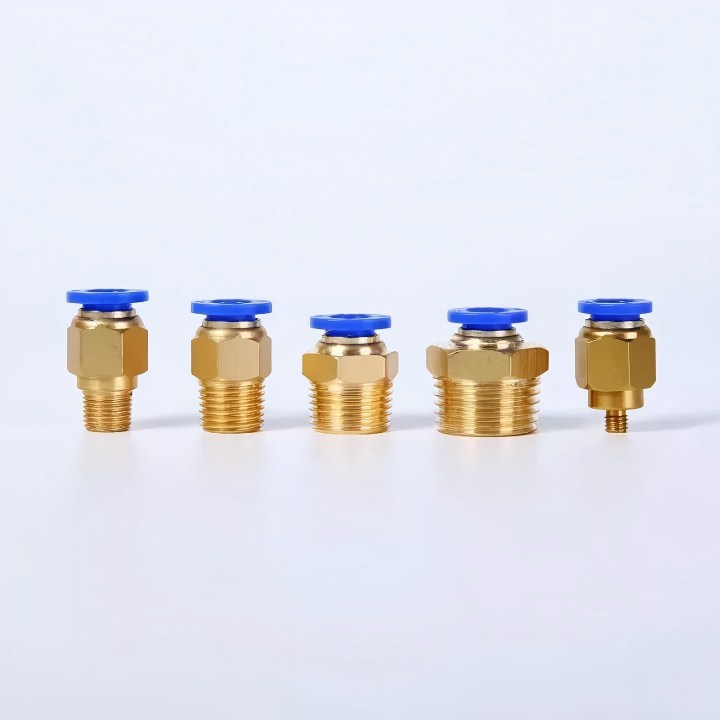
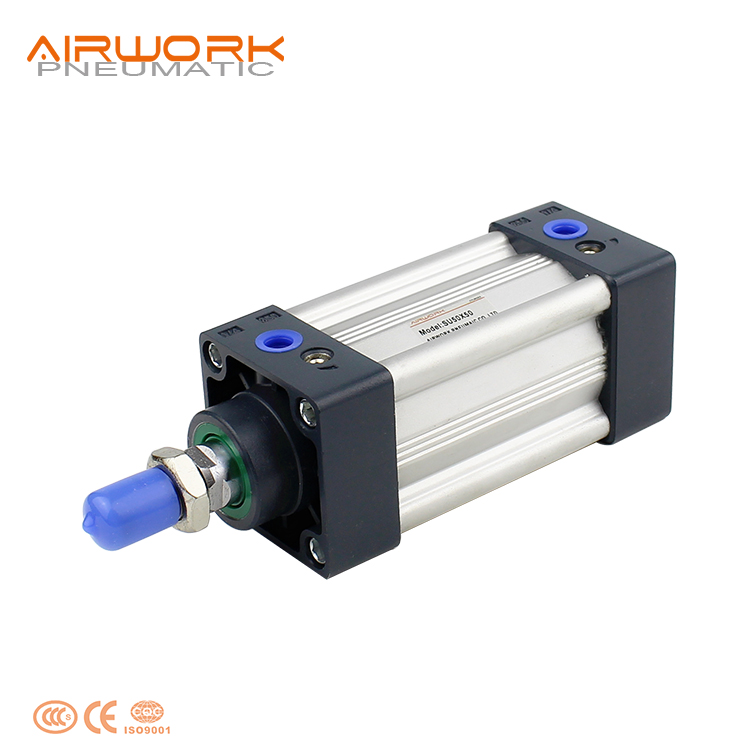
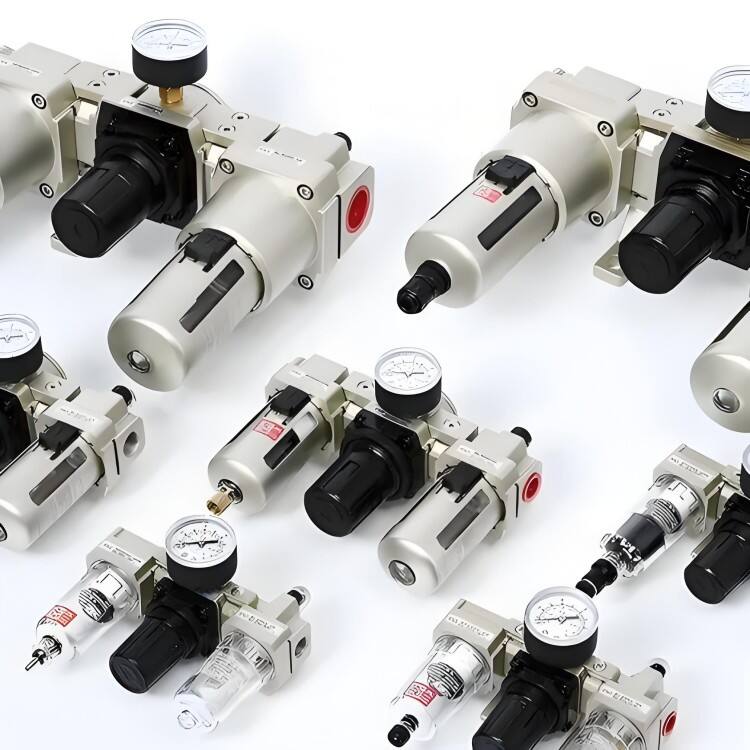
air operated piston valve
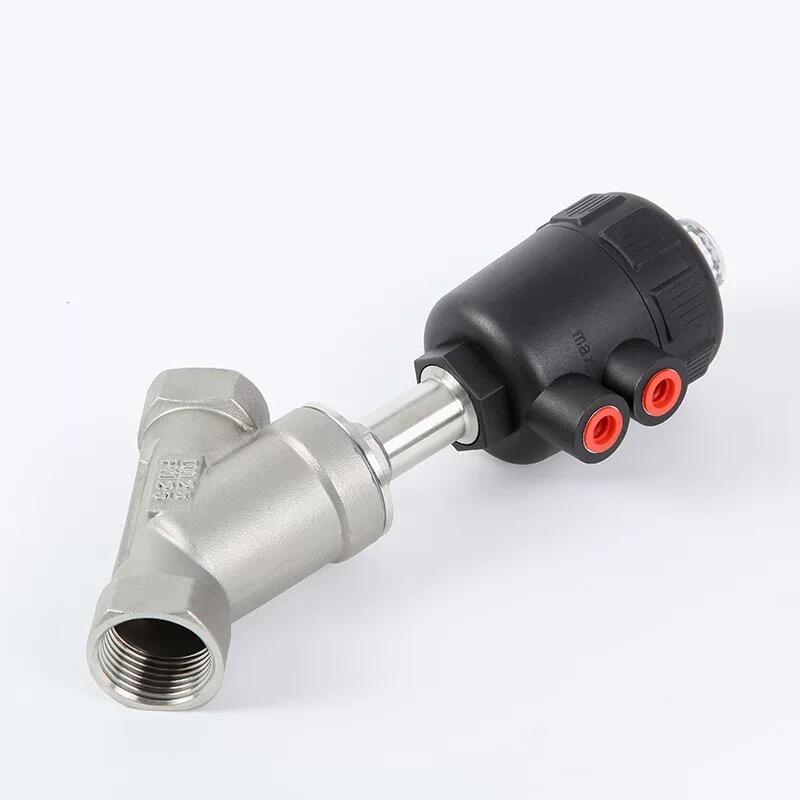
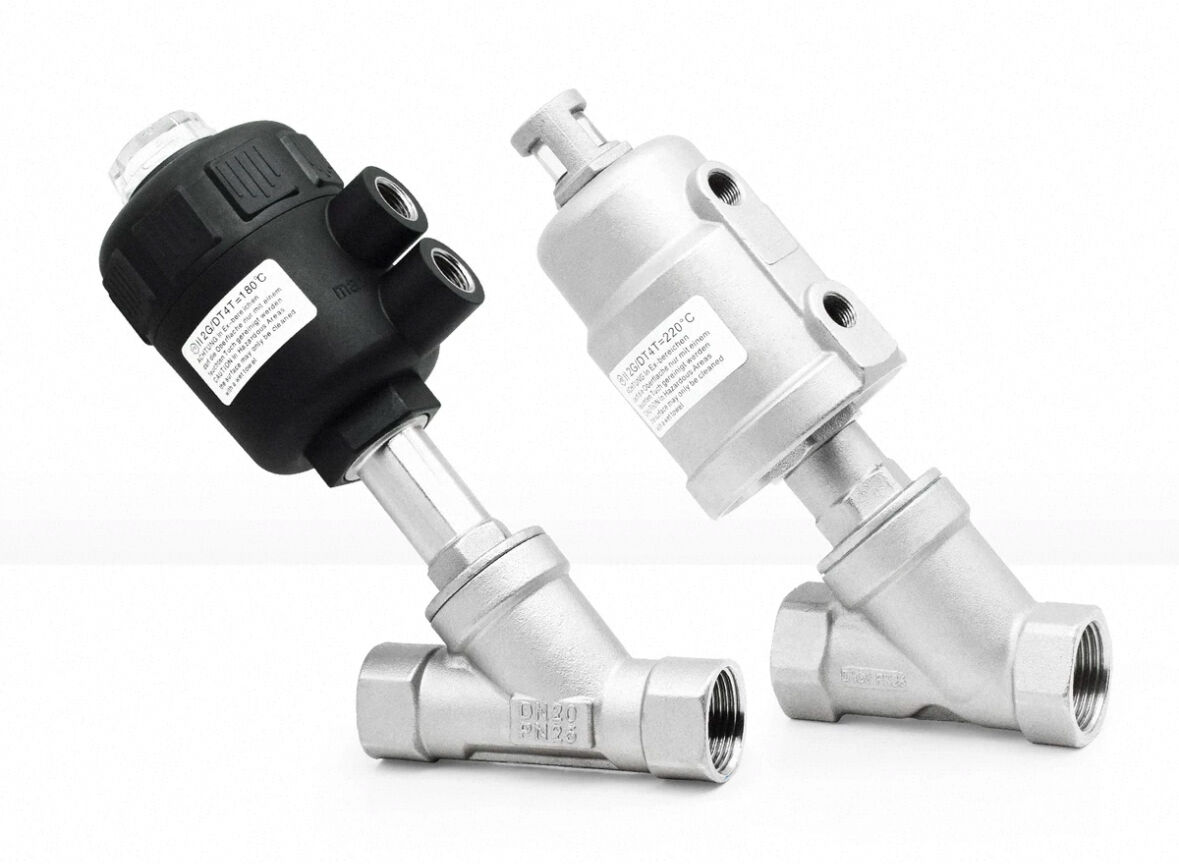
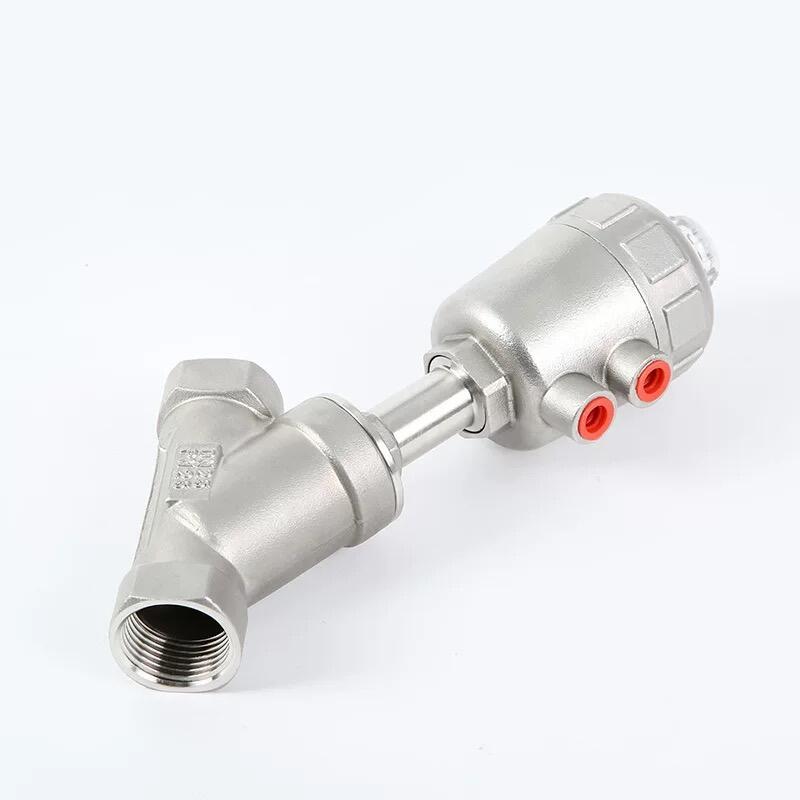
The air operated piston valve represents a crucial component in industrial automation and fluid control systems, designed to regulate the flow of liquids, gases, and other media through precise mechanical operation. This sophisticated valve system utilizes compressed air as its primary power source, converting pneumatic energy into linear motion through a piston mechanism that controls the valve's opening and closing functions. The air operated piston valve consists of several key components including the valve body, piston assembly, actuator housing, control ports, and sealing elements that work together to provide reliable flow control. The valve body houses the main flow path and contains the seat where the piston makes contact to achieve shut-off. The piston assembly serves as the moving element that responds to air pressure changes, while the actuator housing protects internal components and provides mounting points for pneumatic connections. Control ports allow for the introduction and exhaust of compressed air, enabling remote operation and automated control integration. The technological features of the air operated piston valve include rapid response times, typically measured in milliseconds, which makes it suitable for applications requiring quick shut-off or flow adjustment. The valve incorporates advanced sealing technology using materials such as PTFE, EPDM, or Viton depending on the specific application requirements and media compatibility. Many modern air operated piston valves feature position indicators that provide visual confirmation of valve status, enhancing operational safety and system monitoring capabilities. The valve design often includes fail-safe mechanisms that ensure the valve moves to a predetermined safe position in case of air supply failure, protecting downstream equipment and processes. Applications for the air operated piston valve span numerous industries including chemical processing, pharmaceutical manufacturing, food and beverage production, water treatment facilities, and oil and gas operations. These valves excel in situations where manual operation is impractical or dangerous, providing remote control capabilities that enhance worker safety and operational efficiency.

 EN
EN