pneumatische zuigeractuator
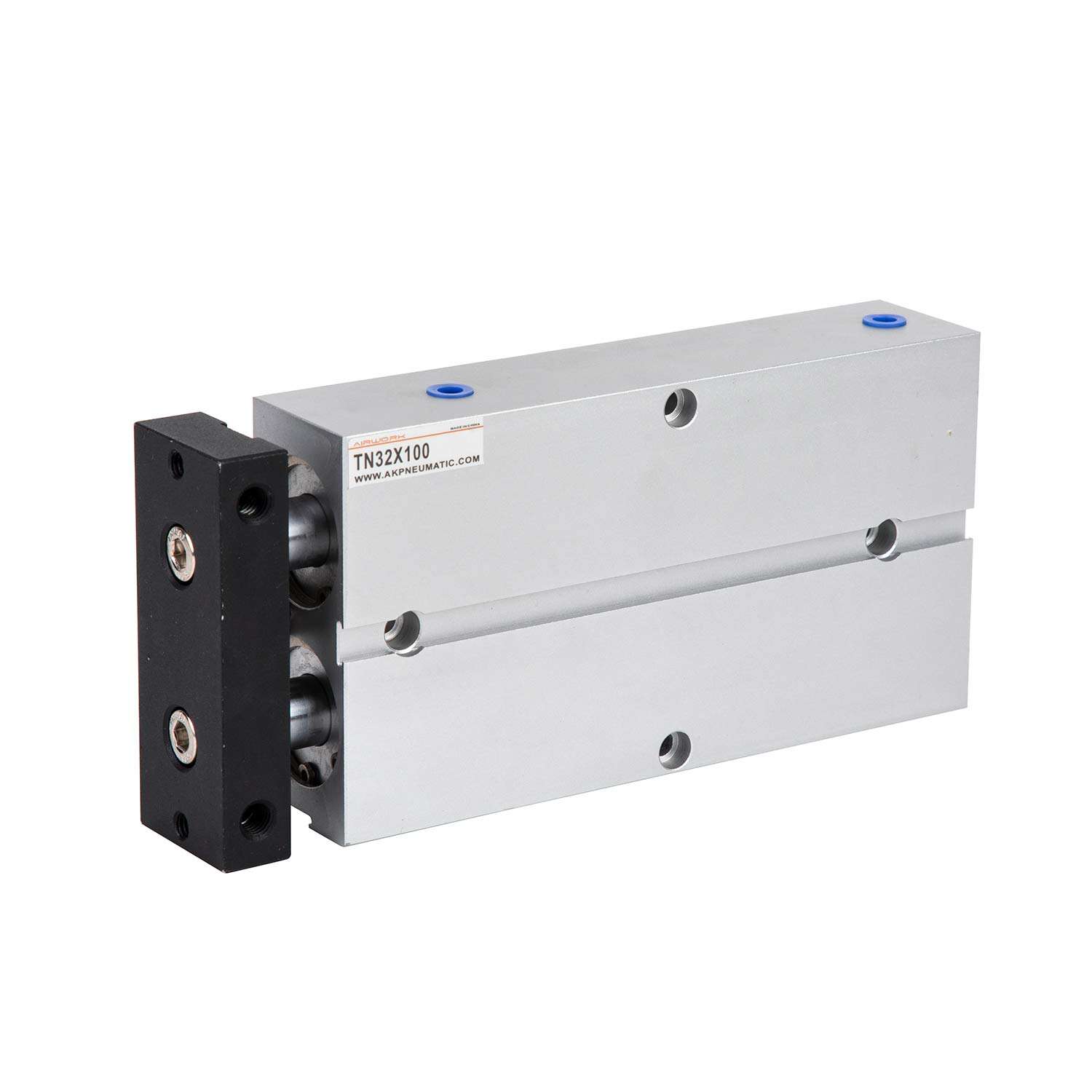
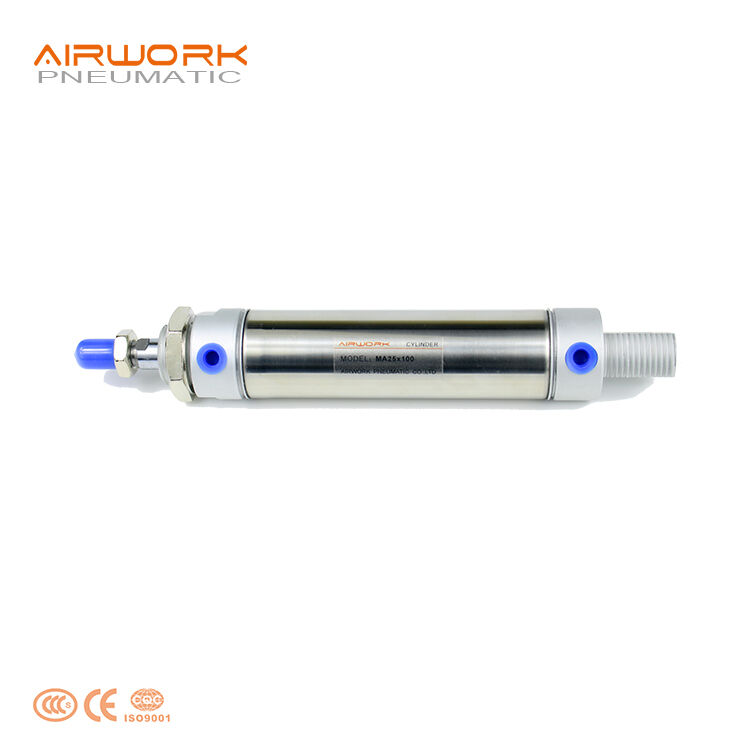
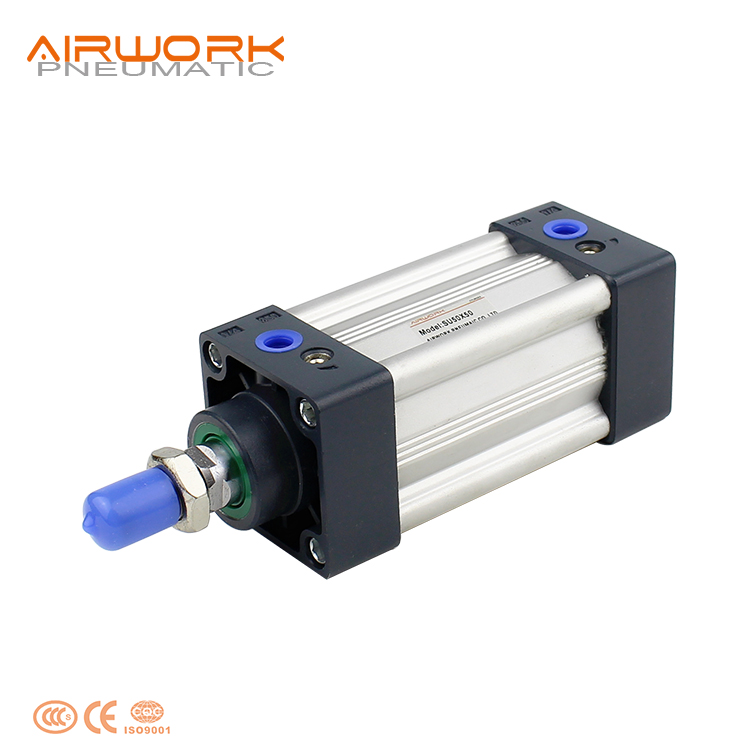
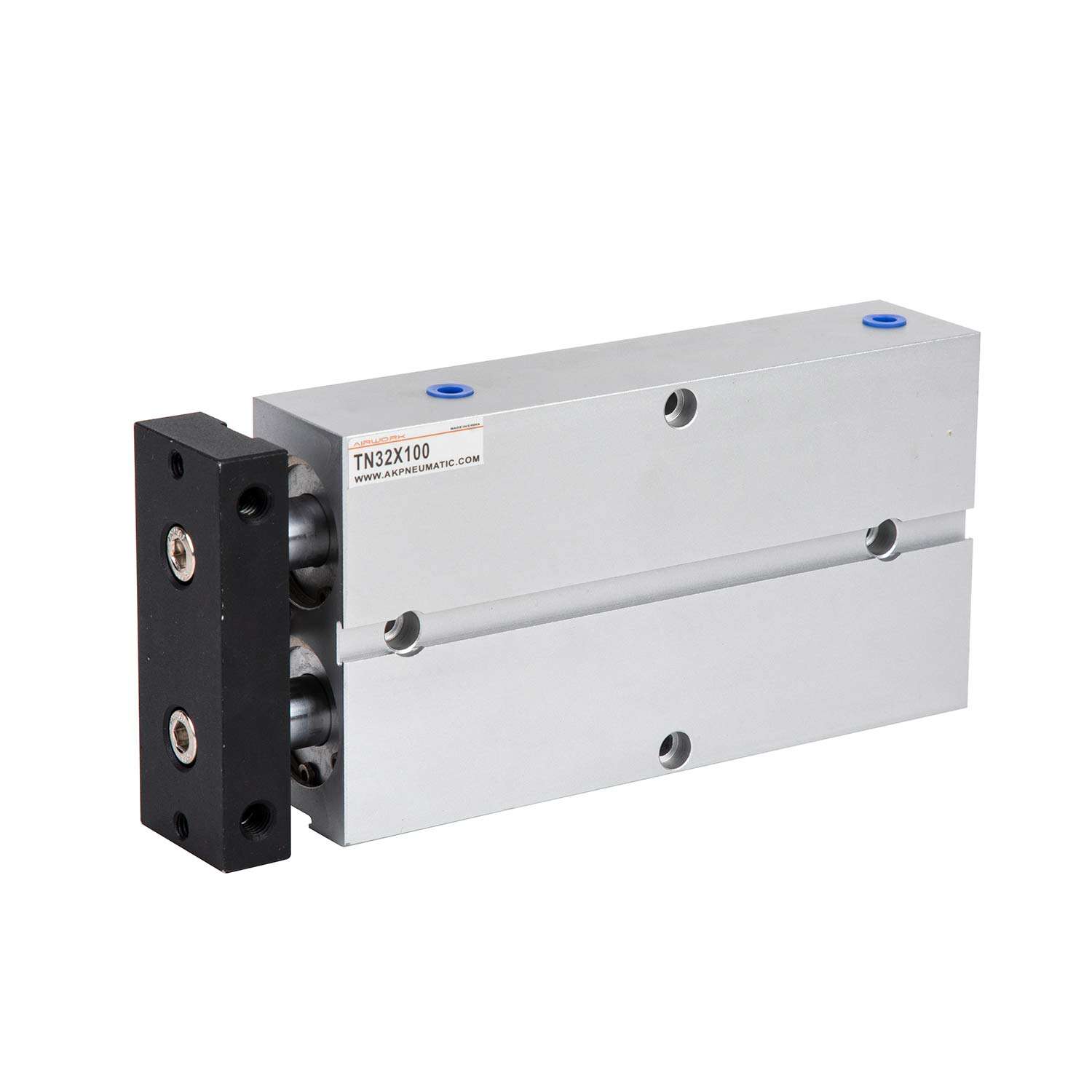
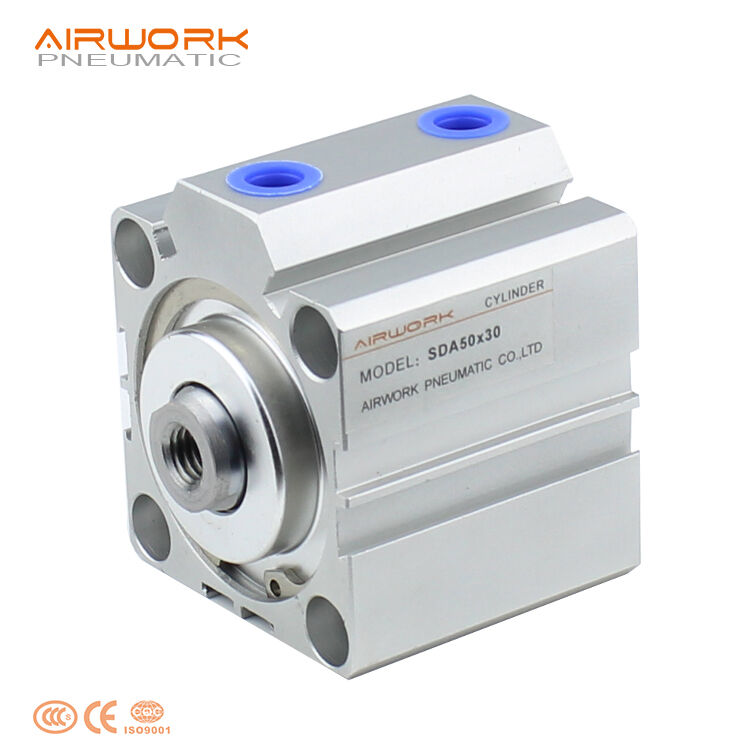
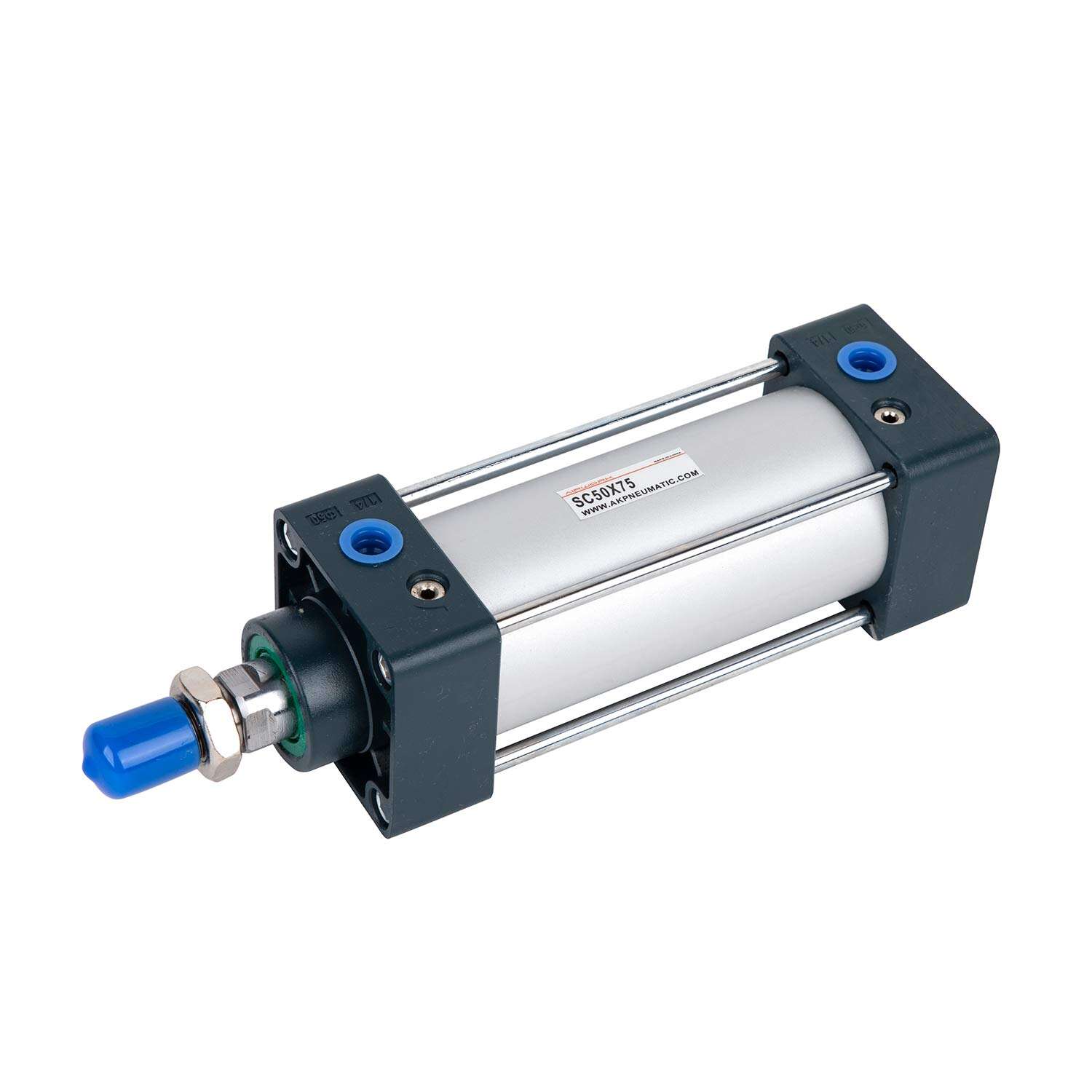
Een pneumatische zuigeractuator vormt een cruciaal onderdeel in moderne industriële automatiseringssystemen en fungeert als een betrouwbaar krachtoverdrachtsapparaat dat de energie van perslucht omzet in lineaire mechanische beweging. Dit geavanceerde mechanisme werkt volgens het fundamentele principe van drukverschillen in lucht, waarbij perslucht wordt gebruikt om een zuiger in een cilindervormige kamer te laten bewegen, waardoor een gecontroleerde lineaire beweging wordt opgewekt voor diverse industriële toepassingen. De pneumatische zuigeractuator bestaat uit verschillende essentiële onderdelen, waaronder een cilinderlichaam, een zuigerassemblage, een stangmechanisme, afdichtelementen en aansluitingen voor de luchtvoorziening, die harmonisch samenwerken om een consistente prestatie te leveren. De belangrijkste functies van dit veelzijdige apparaat omvatten nauwkeurige positieregeling, krachtgeneratie en het uitvoeren van geautomatiseerde bewegingen in uiteenlopende operationele omgevingen. Technologisch gezien zijn pneumatische zuigeractuatoren uitgerust met geavanceerde technische kenmerken zoals instelbare slaglengtes, variabele snelheidsregelingsmogelijkheden en geïntegreerde dempingssystemen die de impactkrachten tijdens bedrijf minimaliseren. Moderne ontwerpen bevatten vaak positioneringsfeedbacksensoren, wat een verbeterde nauwkeurigheid en real-time bewaking van de actuatorprestaties mogelijk maakt. Het apparaat werkt efficiënt binnen een breed temperatuurbereik en behoudt een consistente functionaliteit, zelfs onder uitdagende omgevingsomstandigheden. Belangrijke technologische kenmerken zijn onder meer corrosiebestendige materialen, precisie-gevreesde onderdelen en modulaire ontwerpelementen die eenvoudig onderhoud en aanpassing vergemakkelijken. Toepassingen van pneumatische zuigeractuatoren strekken zich uit over talloze sectoren, waaronder productieautomatisering, verpakkingsystemen, auto-assemblagelijnen, voedingsmiddelenverwerkingsapparatuur, farmaceutische machines en materialenhanteringssystemen. Deze apparaten onderscheiden zich in toepassingen die snelle cycli, een hoge krachtoutput en betrouwbare werking gedurende langere perioden vereisen. De pneumatische zuigeractuator is bijzonder waardevol in explosieve omgevingen, waar elektrische componenten veiligheidsrisico’s vormen, waardoor het een ideale keuze is voor chemische fabrieken, olieraffinaderijen en mijnbouwoperaties, waar een vonkvrije werking verplicht is.

 EN
EN