Pneumatic One Way Valve - Superior Flow Control Solutions for Industrial Applications

All Categories

pneumatic one way valve

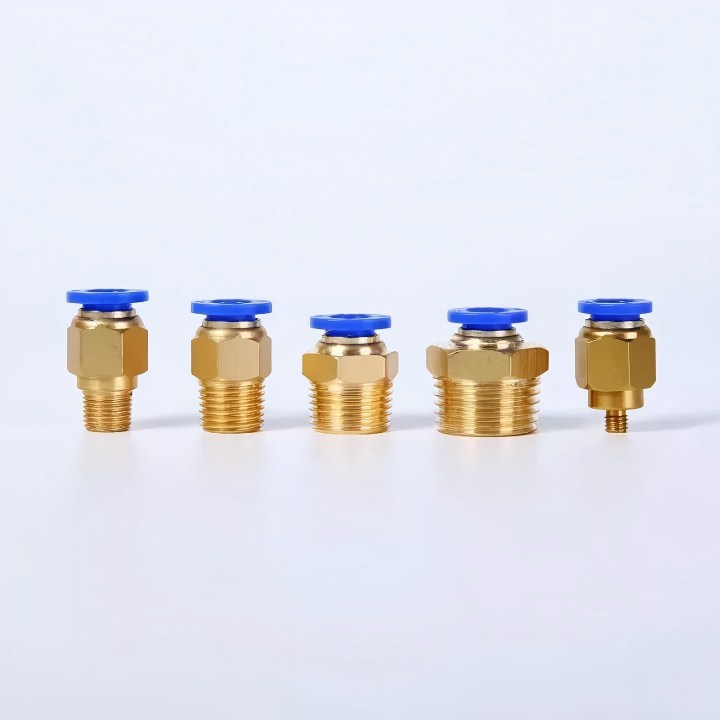
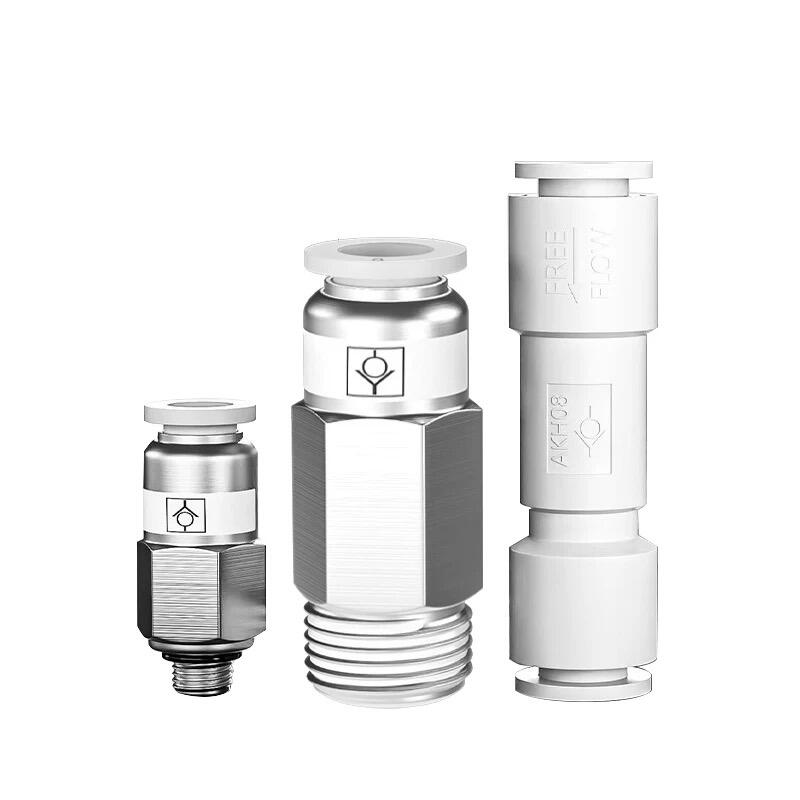
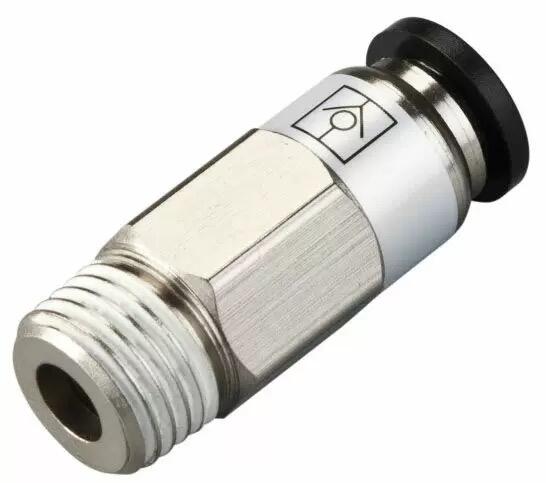
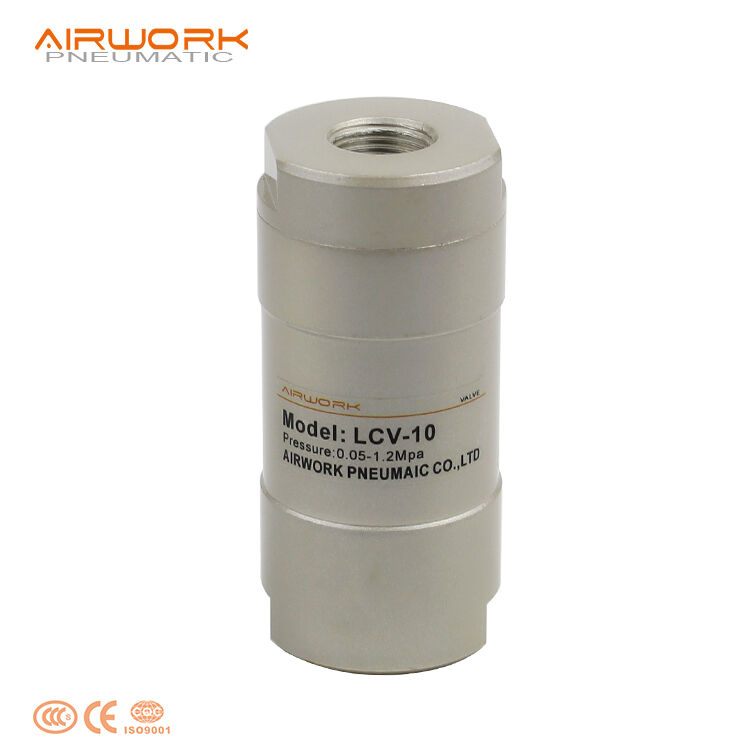
The pneumatic one way valve represents a fundamental component in compressed air systems, designed to control the directional flow of pressurized air while preventing backflow. This essential device operates on a simple yet effective principle, allowing air to pass through in one direction while automatically blocking reverse flow, ensuring system integrity and operational safety. The pneumatic one way valve consists of several key components including a valve body, spring-loaded check mechanism, and sealing elements that work together to provide reliable flow control. The valve body, typically manufactured from durable materials such as brass, stainless steel, or engineered plastics, houses the internal mechanisms and provides connection points for pneumatic lines. The spring-loaded check mechanism serves as the primary control element, utilizing spring tension to maintain a closed position when no forward pressure is applied, while opening smoothly when sufficient pressure is detected from the inlet side. Modern pneumatic one way valve designs incorporate advanced sealing technologies, including O-rings and specialized gaskets, to ensure leak-proof operation across various pressure ranges and environmental conditions. These valves find extensive applications across diverse industries, from manufacturing automation and robotics to medical equipment and automotive systems. In manufacturing environments, the pneumatic one way valve prevents pressure loss in complex pneumatic circuits, maintains system pressure during equipment shutdown, and protects sensitive components from pressure surges. The automotive industry relies on these valves for brake systems, suspension controls, and engine management applications where precise air flow control is critical. Medical applications benefit from the sterile, contamination-free operation that pneumatic one way valves provide in respiratory equipment, dental tools, and surgical instruments. The technological features of modern pneumatic one way valves include low cracking pressure for sensitive applications, high flow capacity for demanding systems, and compact designs that fit into space-constrained installations.

New Products

The pneumatic one way valve offers numerous practical benefits that directly impact system performance, operational costs, and maintenance requirements for businesses across various industries. One of the primary advantages lies in its ability to maintain system pressure integrity, which translates to significant energy savings and improved operational efficiency. When installed in pneumatic circuits, the valve prevents compressed air from escaping backwards through the system, reducing the workload on compressors and minimizing energy consumption. This pressure retention capability means that pneumatic systems can maintain their operational pressure longer, reducing the frequency of compressor cycling and extending equipment lifespan. The automatic operation of the pneumatic one way valve eliminates the need for manual intervention or complex control systems, reducing labor costs and minimizing the potential for human error. Installation simplicity represents another major advantage, as these valves require minimal setup time and can be integrated into existing pneumatic systems without extensive modifications. The robust construction of quality pneumatic one way valves ensures long-term reliability, reducing maintenance costs and system downtime. Many models feature self-cleaning designs that prevent debris accumulation, further reducing maintenance requirements and ensuring consistent performance over extended periods. The versatility of pneumatic one way valves allows them to function effectively across wide pressure ranges, making them suitable for both high-pressure industrial applications and low-pressure precision systems. Cost-effectiveness becomes evident through reduced air consumption, lower maintenance expenses, and decreased equipment replacement frequency. Safety improvements result from the valve's ability to prevent dangerous pressure surges and maintain system stability during emergency shutdowns. The compact size of most pneumatic one way valve designs allows for flexible installation options, enabling system designers to optimize space utilization and improve overall system layout. Quick response times ensure that the valve opens and closes rapidly in response to pressure changes, maintaining system responsiveness and preventing performance delays. The compatibility of pneumatic one way valves with various air qualities, from clean instrument air to slightly contaminated shop air, makes them adaptable to different operational environments without requiring extensive filtration systems.

Tips And Tricks

Pneumatic fittings used in water

25

Feb

Pneumatic fittings used in water

View More
Basic knowledge of pneumatic air cylinders

25

Feb

Basic knowledge of pneumatic air cylinders

View More
Air Source Treatment Unit:The

25

Feb

Air Source Treatment Unit:The "Guardians" and Core Components of Pneumatic Systems

View More

Get a Free Quote

Our representative will contact you soon.
Email
Name
Company Name
Message
0/1000

pneumatic one way valve

Superior Pressure Control and System Efficiency

Superior Pressure Control and System Efficiency

The pneumatic one way valve delivers exceptional pressure control capabilities that directly enhance system efficiency and operational performance across diverse industrial applications. This advanced flow control mechanism operates with remarkable precision, responding instantly to pressure differentials while maintaining tight sealing when reverse flow conditions occur. The valve's sophisticated internal design incorporates precision-engineered springs and sealing elements that work in harmony to provide consistent performance across varying pressure ranges, from low-pressure applications requiring minimal cracking pressure to high-pressure systems demanding robust flow capacity. The pressure control excellence of the pneumatic one way valve becomes particularly evident in complex pneumatic circuits where multiple components must operate in coordination. By preventing backflow, the valve ensures that each circuit segment maintains its designated pressure level, eliminating pressure drops that could compromise system performance. This pressure stability translates to improved actuator response times, more precise positioning accuracy, and enhanced overall system reliability. Manufacturing facilities benefit significantly from this pressure control capability, as it enables consistent production quality and reduces product defects caused by pressure variations. The energy efficiency gains achieved through proper pressure control can result in substantial cost savings, with some installations reporting energy consumption reductions of up to twenty percent when pneumatic one way valves are strategically deployed throughout their systems. The valve's ability to maintain pressure during system shutdown periods proves invaluable for operations requiring quick restart capabilities, as stored pressure eliminates the time and energy required for complete system repressurization. Advanced pneumatic one way valve designs incorporate features such as adjustable cracking pressure and variable flow rates, allowing system designers to optimize performance for specific applications. The pressure control accuracy of these valves supports the implementation of lean manufacturing principles by minimizing waste and maximizing resource utilization, contributing to both environmental sustainability and operational profitability.
Enhanced Durability and Maintenance-Free Operation

Enhanced Durability and Maintenance-Free Operation

The pneumatic one way valve stands out in the marketplace due to its exceptional durability and virtually maintenance-free operation, characteristics that provide substantial long-term value for industrial users. Engineering excellence in materials selection and manufacturing processes ensures that these valves withstand demanding operational conditions while maintaining consistent performance over extended service periods. High-grade materials such as corrosion-resistant stainless steel, aerospace-quality aluminum alloys, and advanced polymer composites contribute to the valve's ability to resist wear, corrosion, and environmental degradation. The internal components of quality pneumatic one way valves undergo precise manufacturing processes, including computer-controlled machining and specialized heat treatments, resulting in components that maintain dimensional stability and sealing integrity throughout their operational lifespan. The self-cleaning action inherent in the valve's operation prevents the accumulation of contaminants that could compromise performance, effectively extending service intervals and reducing maintenance requirements. Many pneumatic one way valve designs incorporate redundant sealing systems and fail-safe mechanisms that ensure continued operation even under adverse conditions, providing peace of mind for critical applications where system failure could result in significant operational or safety consequences. The maintenance-free operation of these valves stems from their simple yet robust mechanical design, which eliminates the need for external power sources, complex control systems, or regular lubrication. This simplicity translates to reduced total cost of ownership, as facilities can allocate maintenance resources to other critical systems while relying on the pneumatic one way valve to operate autonomously. Field testing and real-world applications have demonstrated that high-quality pneumatic one way valves can operate for years without requiring service or replacement, even in challenging environments characterized by temperature extremes, vibration, and contaminated air supplies. The durability advantage extends beyond the valve itself, as the protection provided by proper flow control helps preserve downstream components, reducing overall system maintenance requirements and extending the service life of expensive pneumatic equipment.
Versatile Application Range and Easy Integration

Versatile Application Range and Easy Integration

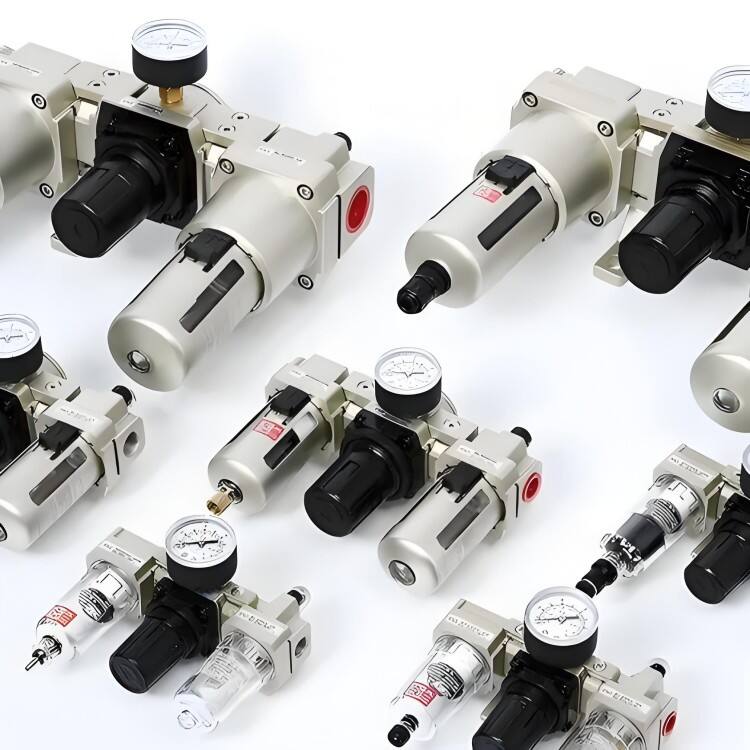
The pneumatic one way valve demonstrates remarkable versatility in its application range, making it an indispensable component for system designers and engineers across numerous industries and specialized applications. This adaptability stems from the valve's fundamental design principles, which can be scaled and modified to meet diverse operational requirements while maintaining core functionality and performance characteristics. In automotive manufacturing, the pneumatic one way valve plays crucial roles in assembly line automation, paint booth operations, and quality control systems, where precise air flow control ensures consistent product quality and operational efficiency. The medical device industry relies heavily on these valves for respiratory equipment, dental tools, and laboratory instruments, where the valve's ability to provide contamination-free operation and precise flow control proves essential for patient safety and diagnostic accuracy. Food and beverage processing facilities utilize pneumatic one way valves in packaging equipment, conveyor systems, and cleaning operations, benefiting from the valve's sanitary design options and resistance to cleaning chemicals. The integration ease of pneumatic one way valves significantly reduces installation time and complexity, as these components typically feature standard connection interfaces that are compatible with existing pneumatic infrastructure. Thread standards such as NPT, BSPT, and metric options ensure compatibility with global piping systems, while quick-connect fittings and push-to-connect interfaces enable rapid installation and maintenance access. The compact form factor of most pneumatic one way valve designs allows for installation in space-constrained environments, enabling system designers to optimize layouts and minimize installation footprints. Modular design concepts permit the combination of multiple valves to create custom flow control solutions for complex applications, providing flexibility that static flow control devices cannot match. The pneumatic one way valve's compatibility with various air treatment systems, including filters, regulators, and lubricators, ensures seamless integration into comprehensive pneumatic systems regardless of complexity or performance requirements. Installation flexibility extends to orientation options, as many valve designs operate effectively in any mounting position, simplifying system design and reducing installation constraints that might otherwise limit system optimization opportunities.

Get a Free Quote

Our representative will contact you soon.
Email
Name
Company Name
Message
0/1000