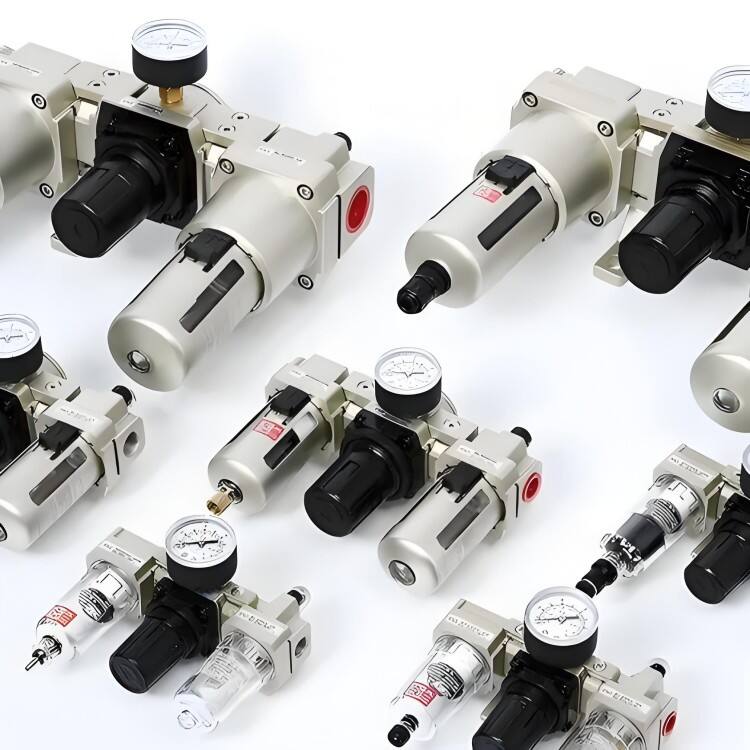
Advanced Electro Pneumatic Components: Precision Control Solutions for Industrial Automation

All Categories

electro pneumatic components

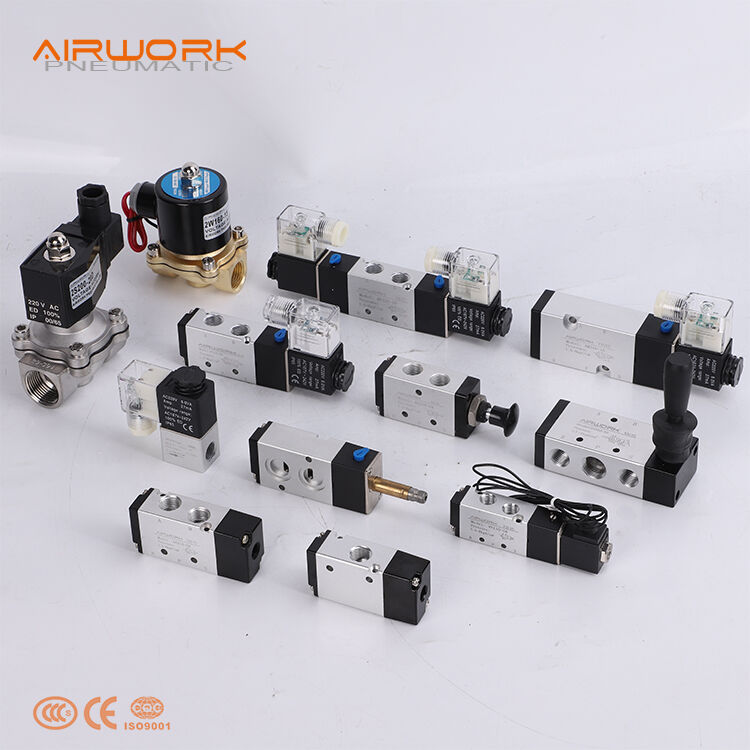
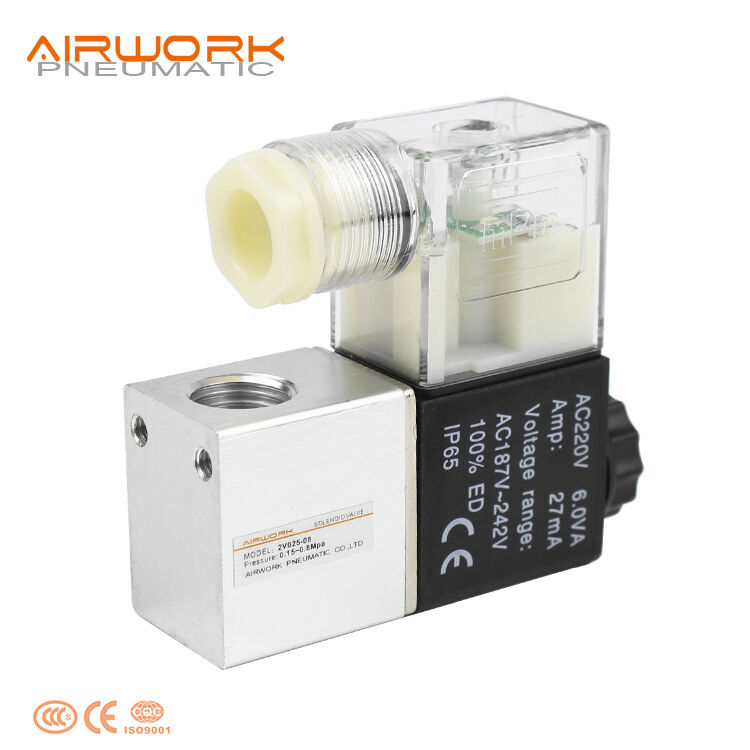
Electro pneumatic components represent a revolutionary fusion of electrical control systems and pneumatic power transmission, creating sophisticated automation solutions for modern industrial applications. These innovative devices combine the precision of electronic control with the robust power delivery capabilities of compressed air systems, offering unparalleled performance in manufacturing environments. The core functionality of electro pneumatic components centers around their ability to convert electrical signals into precise pneumatic actions, enabling automated control of valves, cylinders, and actuators with exceptional accuracy. These systems utilize advanced solenoid valves, electronic pressure regulators, and intelligent control modules that respond instantaneously to digital commands from programmable logic controllers or computer-based control systems. The technological architecture incorporates state-of-the-art sensors and feedback mechanisms that continuously monitor system performance, ensuring optimal operation under varying load conditions. Modern electro pneumatic components feature integrated diagnostic capabilities, allowing real-time monitoring of pressure levels, flow rates, and operational status through digital communication protocols. The versatility of these systems makes them indispensable across diverse industries, including automotive manufacturing, packaging machinery, food processing equipment, and pharmaceutical production lines. In automotive applications, electro pneumatic components control assembly line robots, pneumatic presses, and quality testing equipment with microsecond precision. The packaging industry relies on these systems for high-speed filling operations, sealing processes, and product handling mechanisms that require consistent repeatability. Food processing facilities utilize electro pneumatic components in conveyor systems, sorting equipment, and packaging lines where hygiene standards demand non-contact operation methods. Pharmaceutical manufacturing benefits from the sterile operation capabilities of these components, particularly in tablet pressing, capsule filling, and sterile packaging processes where contamination prevention is critical.

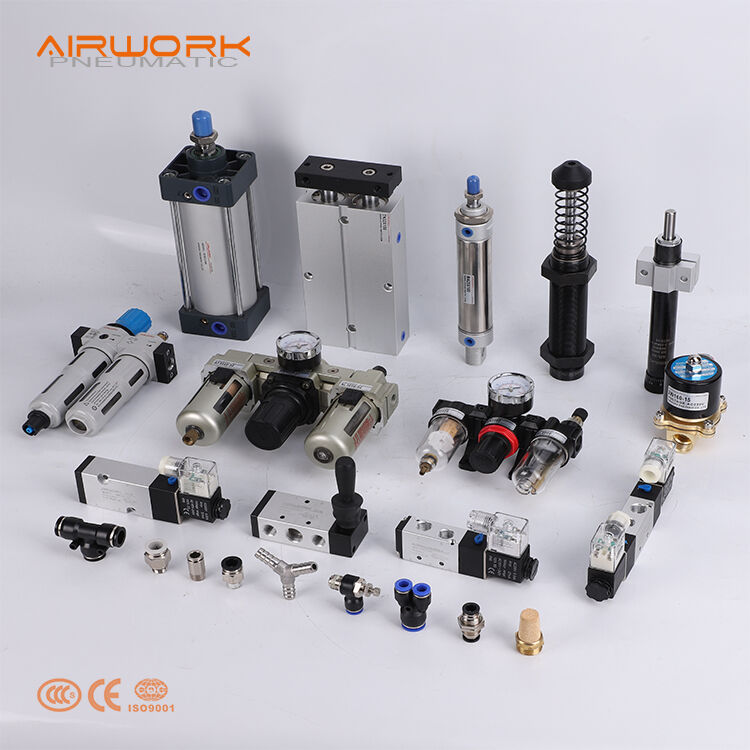
New Product Recommendations

Electro pneumatic components deliver significant operational benefits that directly impact productivity and cost-effectiveness in industrial settings. The primary advantage lies in their exceptional response speed, with switching times measured in milliseconds, enabling rapid cycle times that increase production throughput substantially. This quick response capability allows manufacturers to achieve higher output rates while maintaining consistent quality standards across all production runs. Energy efficiency represents another major benefit, as electro pneumatic components consume power only during switching operations, unlike traditional hydraulic systems that require continuous pump operation. This selective power consumption translates to reduced electricity costs and lower environmental impact, making these systems an eco-friendly choice for sustainable manufacturing practices. The modular design of electro pneumatic components simplifies installation and maintenance procedures, reducing downtime and labor costs associated with system modifications or repairs. Technicians can quickly replace individual components without dismantling entire pneumatic circuits, minimizing production interruptions and maximizing equipment availability. Precise control capabilities enable manufacturers to achieve tight tolerances and consistent product quality, reducing waste and rework expenses while improving customer satisfaction. The integration of digital communication protocols allows seamless connectivity with modern factory automation systems, enabling real-time monitoring and predictive maintenance strategies that prevent unexpected failures. Cost-effectiveness extends beyond initial purchase price to include lower operating expenses, reduced maintenance requirements, and extended component lifespan compared to purely mechanical alternatives. Safety features built into electro pneumatic components include fail-safe mechanisms, emergency stop functions, and overload protection that safeguard both equipment and personnel. The compact footprint of these systems maximizes factory floor space utilization while providing powerful performance capabilities that rival much larger traditional pneumatic installations. Flexibility in programming allows rapid reconfiguration for different production requirements, enabling manufacturers to adapt quickly to changing market demands without significant equipment investments. Remote monitoring capabilities provide operators with real-time system status information, enabling proactive maintenance scheduling and optimized performance tuning for maximum efficiency.

Latest News

Pneumatic fittings used in water

25

Feb

Pneumatic fittings used in water

View More
Basic knowledge of pneumatic air cylinders

25

Feb

Basic knowledge of pneumatic air cylinders

View More
Air Source Treatment Unit:The

25

Feb

Air Source Treatment Unit:The "Guardians" and Core Components of Pneumatic Systems

View More

Get a Free Quote

Our representative will contact you soon.
Email
Name
Company Name
Message
0/1000

electro pneumatic components

Advanced Digital Control Integration

Advanced Digital Control Integration

The sophisticated digital control integration capability of electro pneumatic components revolutionizes industrial automation by providing seamless connectivity with modern manufacturing execution systems and enterprise resource planning platforms. This integration enables real-time data exchange between pneumatic actuators and central control systems, creating intelligent manufacturing environments where every component operates in perfect synchronization. The advanced microprocessor-based controllers embedded within these systems process complex algorithms that optimize performance parameters automatically, adjusting pressure levels, flow rates, and timing sequences based on real-time feedback from multiple sensors throughout the production line. This intelligent adaptation ensures consistent product quality while minimizing energy consumption and reducing wear on mechanical components. The digital communication protocols supported by electro pneumatic components include industry-standard networks such as Ethernet/IP, Profinet, and DeviceNet, enabling plug-and-play compatibility with existing factory automation infrastructure. Plant operators can monitor system performance remotely through web-based interfaces, receiving instant alerts about potential issues before they impact production schedules. The data logging capabilities capture detailed operational statistics that support continuous improvement initiatives and regulatory compliance requirements in highly regulated industries. Predictive analytics algorithms analyze historical performance data to identify patterns that indicate impending component failures, enabling scheduled maintenance during planned downtime periods rather than unexpected breakdowns that disrupt production flow. The user-friendly programming interfaces allow engineers to modify system behavior quickly without extensive retraining, reducing implementation costs and accelerating project timelines. Cloud connectivity options enable remote diagnostics and technical support, reducing service call expenses while improving response times for troubleshooting complex issues.
Superior Reliability and Durability

Superior Reliability and Durability

Electro pneumatic components demonstrate exceptional reliability and durability characteristics that significantly reduce total cost of ownership while maximizing production uptime in demanding industrial environments. The robust construction incorporates corrosion-resistant materials, sealed electrical connections, and advanced filtration systems that protect internal components from contamination, moisture, and temperature extremes commonly encountered in manufacturing facilities. Rigorous testing protocols ensure these systems operate reliably across temperature ranges from minus forty to plus eighty degrees Celsius, maintaining consistent performance in both climate-controlled clean rooms and harsh outdoor industrial settings. The sealed valve designs prevent ingress of dust, debris, and cleaning chemicals, making these components ideal for food processing and pharmaceutical applications where frequent washdown procedures are mandatory. Advanced materials engineering utilizes specialized polymers and metal alloys that resist chemical attack from aggressive cleaning agents and process fluids, extending component lifespan significantly beyond traditional pneumatic systems. The modular architecture enables predictive maintenance strategies where individual components can be monitored and replaced based on actual wear patterns rather than arbitrary time schedules, optimizing maintenance costs while preventing unexpected failures. Built-in diagnostic systems continuously monitor critical parameters such as valve response times, pressure differentials, and electrical circuit integrity, providing early warning of potential issues before they affect production quality. The fail-safe design philosophy ensures that system failures result in safe shutdown modes that protect both personnel and equipment from damage, while emergency override capabilities allow manual operation during maintenance procedures. Quality assurance processes include extensive burn-in testing and statistical process control measures that identify potential defects before components reach customer facilities, reducing warranty claims and service interruptions. The standardized interface designs facilitate easy replacement and upgrading of individual components without requiring specialized tools or extensive training, minimizing maintenance complexity and reducing spare parts inventory requirements.
Enhanced Precision and Performance Control

Enhanced Precision and Performance Control

The enhanced precision and performance control capabilities of electro pneumatic components enable manufacturers to achieve unprecedented accuracy in positioning, force application, and timing control across diverse industrial applications. Advanced servo control algorithms provide closed-loop feedback systems that continuously adjust actuator positions with sub-millimeter accuracy, ensuring consistent product dimensions and assembly tolerances that meet increasingly stringent quality requirements. The proportional control valves incorporate high-resolution position sensors and pressure transducers that deliver real-time feedback to sophisticated control algorithms, enabling smooth acceleration and deceleration profiles that minimize mechanical stress and extend equipment lifespan. Multi-axis coordination capabilities allow synchronized operation of multiple actuators with precise timing relationships, essential for complex assembly operations where sequential movements must occur within microsecond tolerances to maintain production quality. The adaptive control features automatically compensate for variations in load conditions, temperature fluctuations, and component wear, maintaining consistent performance characteristics throughout extended production runs without requiring manual adjustments. Force control capabilities enable gentle handling of delicate components while providing sufficient power for demanding applications, with programmable force profiles that can be customized for specific product requirements. The high-speed response characteristics support rapid cycling operations essential for high-volume manufacturing environments, with valve switching speeds measured in single-digit milliseconds that enable cycle times previously achievable only with expensive servo-electric systems. Integrated safety monitoring systems continuously verify that actual system performance matches programmed parameters, automatically initiating corrective actions or safe shutdown procedures when deviations exceed acceptable limits. The flexible programming options support complex motion profiles including variable speed ramping, dwell periods, and conditional logic sequences that adapt automatically to changing production requirements without manual intervention. Quality control integration capabilities enable real-time monitoring of critical process parameters such as applied forces, positioning accuracy, and cycle times, providing comprehensive data for statistical process control and continuous improvement programs that enhance overall manufacturing efficiency and product quality consistency.

Get a Free Quote

Our representative will contact you soon.
Email
Name
Company Name
Message
0/1000