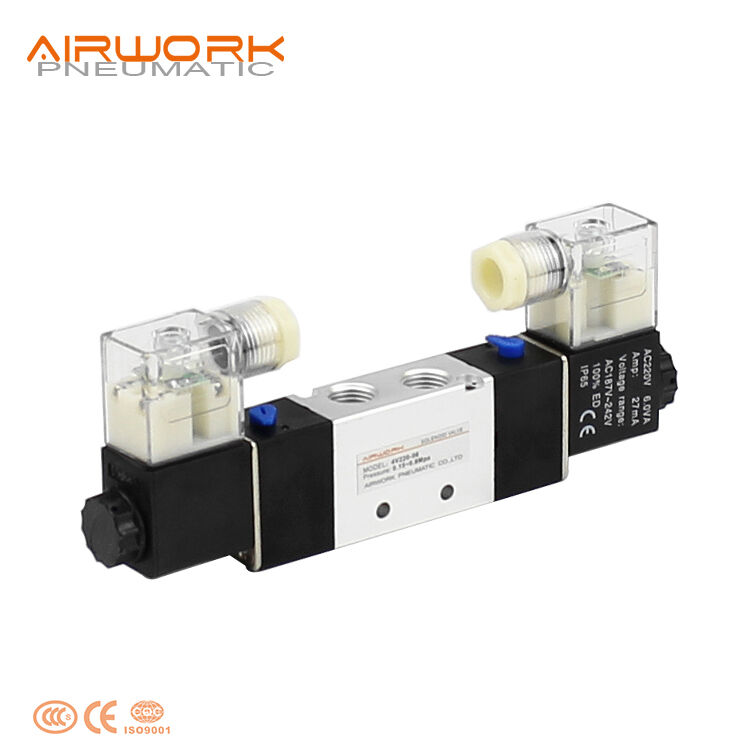
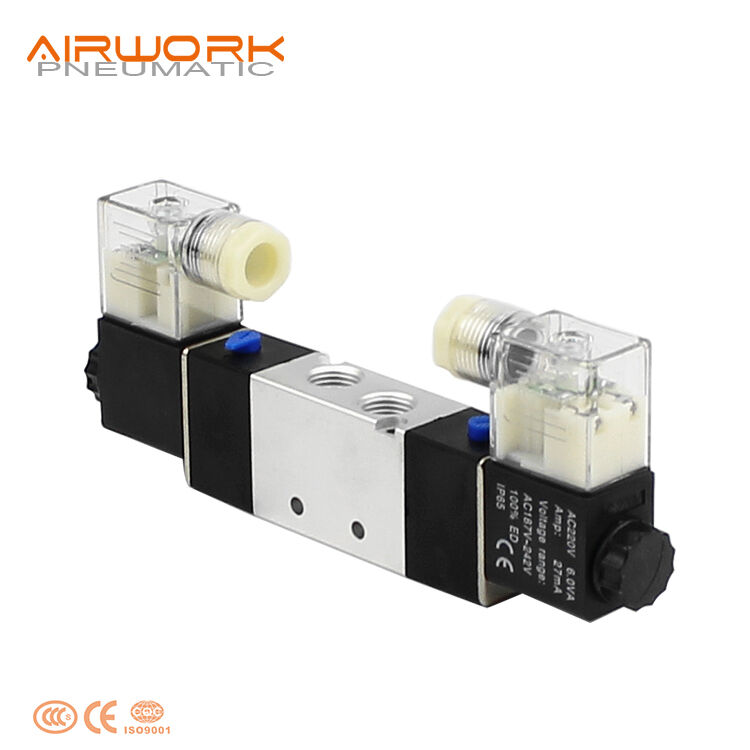
double solenoid pneumatic valve
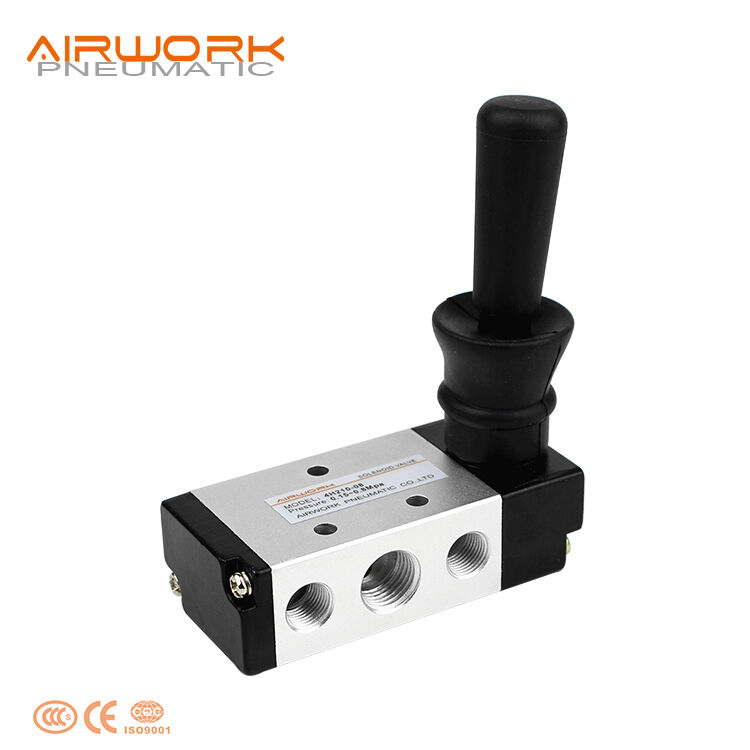
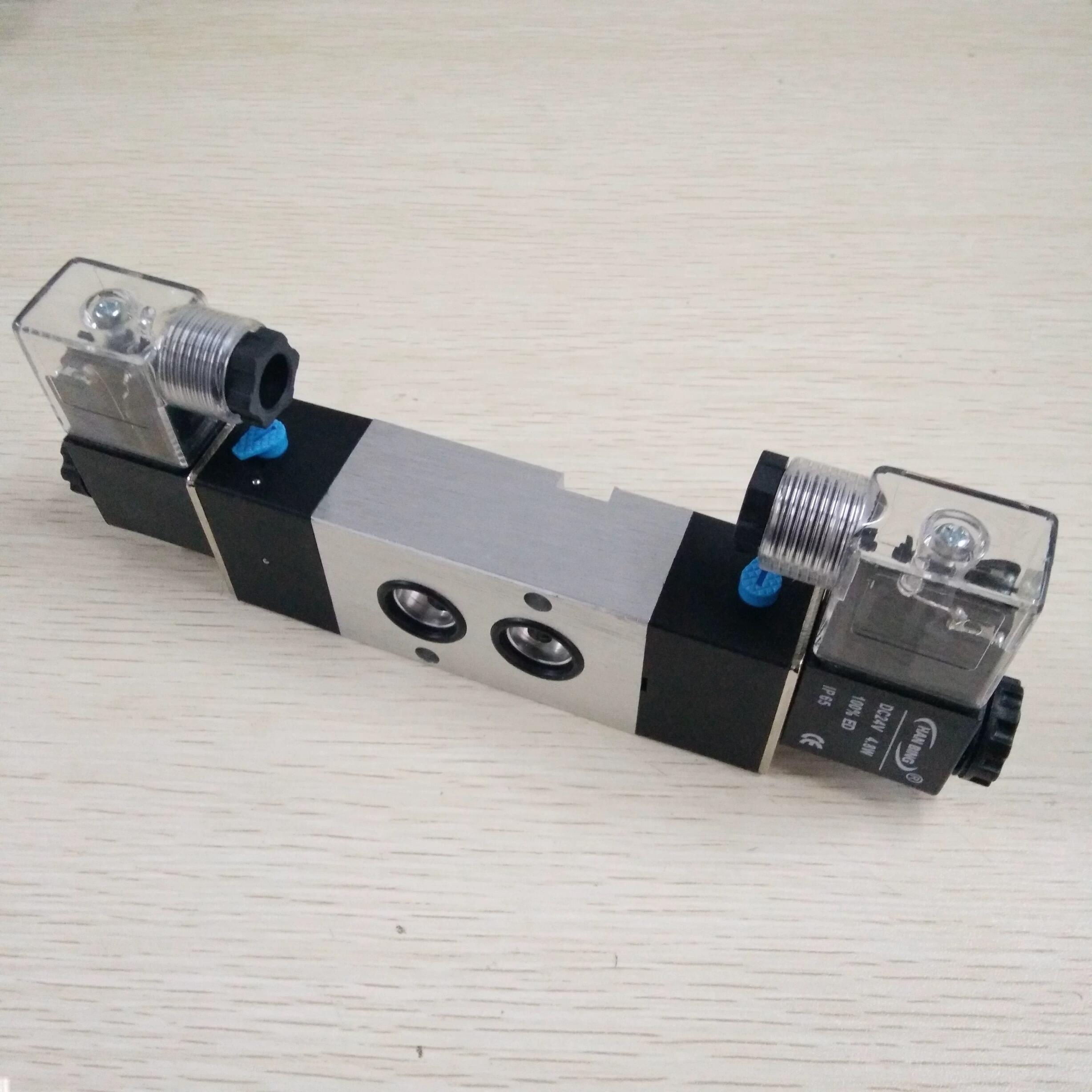
The double solenoid pneumatic valve represents a sophisticated advancement in automated fluid control technology, engineered to provide precise directional control of compressed air and other gases in industrial automation systems. This innovative valve design incorporates two independent electromagnetic solenoids that work in conjunction to control the movement of air through the valve body, offering enhanced reliability and operational flexibility compared to traditional single-solenoid configurations. The primary function of a double solenoid pneumatic valve centers on its ability to maintain secure positioning in both open and closed states, eliminating the dependency on spring-return mechanisms that characterize simpler valve designs. When electrical power activates one solenoid, it shifts the internal spool or poppet to direct airflow in a specific direction, while the opposing solenoid controls the reverse operation, creating a balanced system that ensures consistent performance across varying operational conditions. The technological features of double solenoid pneumatic valves include robust construction materials such as anodized aluminum bodies, stainless steel internal components, and high-temperature seals that withstand demanding industrial environments. These valves typically operate within pressure ranges from 0.15 to 1.0 MPa, with flow rates varying according to valve size and configuration. Advanced models incorporate position feedback sensors, manual override capabilities, and explosion-proof housings for hazardous locations. The response time of double solenoid pneumatic valves generally ranges from 10 to 50 milliseconds, making them suitable for high-speed automation applications. Industrial applications for double solenoid pneumatic valves span numerous sectors including manufacturing automation, packaging machinery, food processing equipment, pharmaceutical production lines, automotive assembly systems, and HVAC control networks. These valves excel in applications requiring fail-safe operation, precise timing control, and reliable positioning accuracy, making them indispensable components in modern automated systems where operational safety and efficiency remain paramount considerations.

 EN
EN