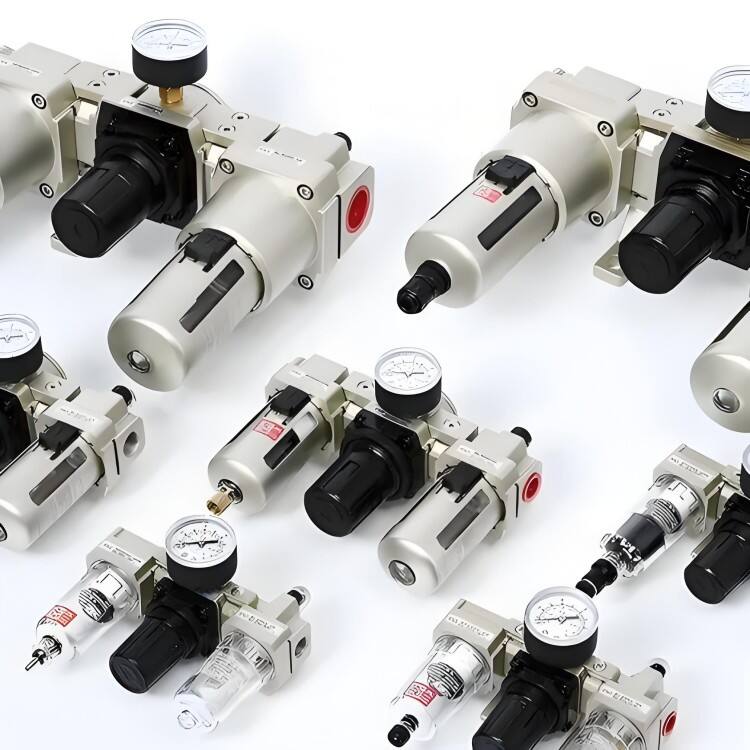
Electric Air Valve Solutions: Precision Control, Energy Efficiency & Smart Integration

All Categories

electric air valve

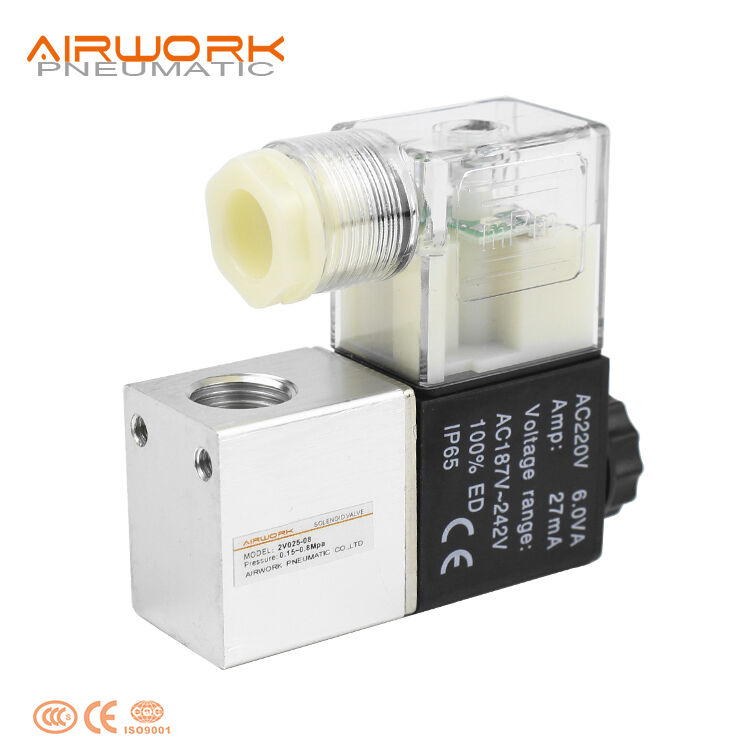
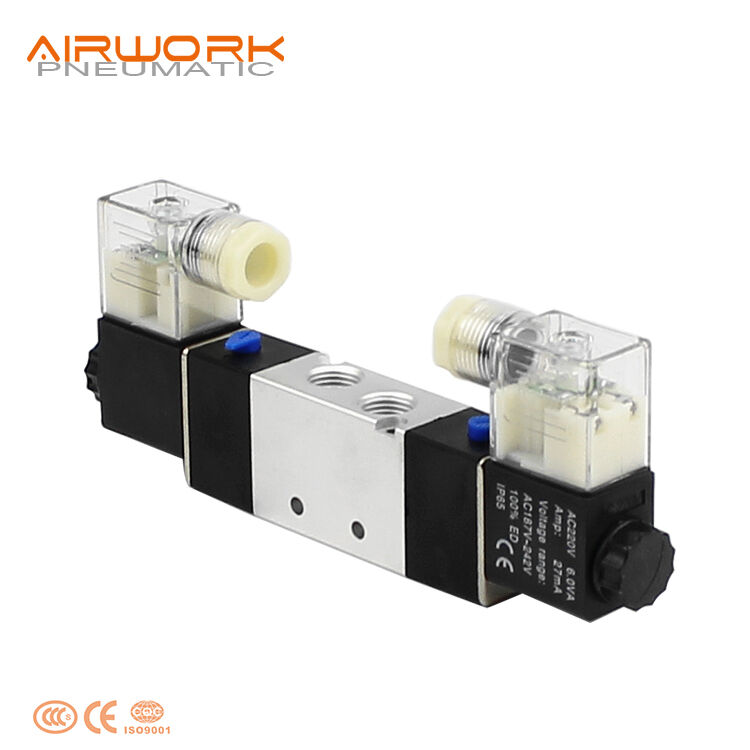
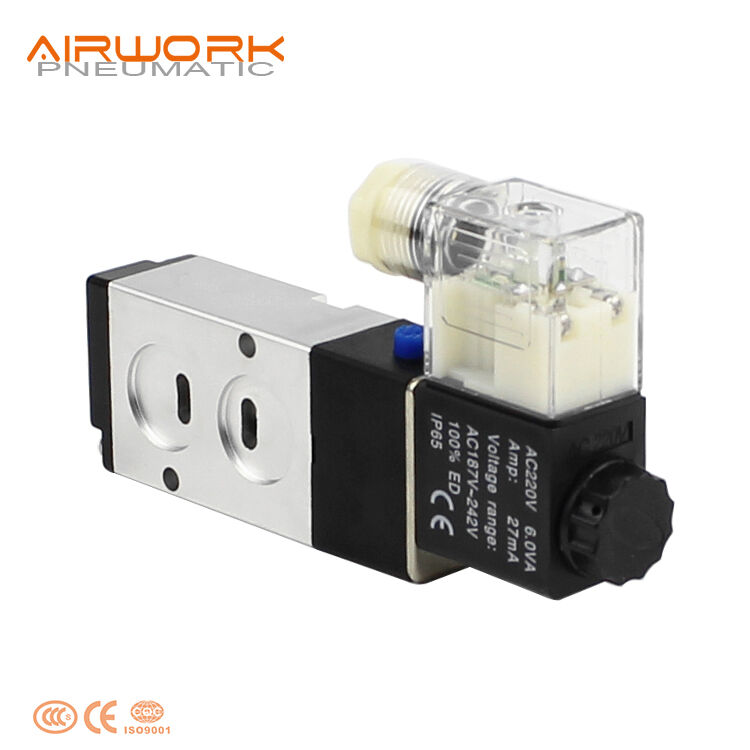
An electric air valve represents a sophisticated control device that manages airflow in pneumatic systems through electrical actuation mechanisms. This innovative component combines traditional valve functionality with modern electrical control technology, creating a versatile solution for industrial automation and fluid control applications. The electric air valve operates by receiving electrical signals that trigger internal mechanisms to open, close, or modulate air passage, providing precise control over pneumatic operations. These devices feature robust construction materials including stainless steel, brass, or engineered plastics that ensure durability in demanding industrial environments. The core functionality centers around converting electrical input signals into mechanical valve movements, enabling remote operation and integration with automated control systems. Modern electric air valve designs incorporate advanced sealing technologies that prevent air leakage while maintaining consistent performance across varying pressure ranges. The internal actuator mechanism typically employs solenoid coils, stepper motors, or servo motors that respond to electrical commands with exceptional accuracy. These valves commonly feature multiple port configurations including two-way, three-way, and four-way designs to accommodate diverse pneumatic circuit requirements. Temperature compensation features ensure reliable operation across wide thermal ranges, while corrosion-resistant coatings protect against environmental degradation. The electric air valve integrates seamlessly with programmable logic controllers, distributed control systems, and industrial communication networks through standardized electrical interfaces. Flow capacity ratings vary significantly based on valve size and design, with options ranging from micro-flow applications to high-volume industrial processes. Response times for electric air valve operation typically measure in milliseconds, enabling rapid system adjustments and enhanced process control precision. Safety features include fail-safe positioning, electrical isolation, and emergency shutdown capabilities that protect both equipment and personnel during abnormal operating conditions.

New Product Recommendations

Electric air valve systems deliver substantial operational benefits that transform pneumatic control efficiency across industrial applications. These devices eliminate the need for manual valve adjustments, reducing labor costs while improving process consistency and repeatability. The precision control capabilities allow operators to achieve exact flow rates and pressure levels that would be impossible with manual valve operation. Remote control functionality enables valve operation from centralized control rooms, enhancing safety by keeping personnel away from potentially hazardous process areas. Integration with digital control systems creates opportunities for sophisticated automation strategies including predictive maintenance, real-time monitoring, and adaptive process optimization. The electric air valve responds instantly to control signals, enabling rapid system adjustments that improve product quality and reduce waste in manufacturing processes. Energy efficiency represents another significant advantage, as these valves consume power only during position changes rather than requiring continuous pneumatic supply pressure for operation. Maintenance requirements are minimal compared to pneumatic actuators, as electric air valve systems contain fewer moving parts and do not require air filter replacements or compressed air system maintenance. Data logging capabilities built into modern electric air valve controllers provide valuable process information for quality assurance and regulatory compliance documentation. The modular design of electric air valve assemblies simplifies installation and replacement procedures, reducing system downtime during maintenance activities. Noise reduction benefits emerge from eliminating pneumatic exhaust ports and compressed air consumption, creating quieter working environments. Temperature stability ensures consistent performance across seasonal variations and process temperature fluctuations without requiring pneumatic system adjustments. The electric air valve offers superior positioning accuracy compared to pneumatic alternatives, with feedback systems providing precise position confirmation for critical control applications. Cost savings accumulate through reduced compressed air consumption, lower maintenance expenses, and improved process efficiency that maximizes production throughput. Environmental benefits include elimination of compressed air waste and reduced carbon footprint from decreased compressor operation requirements.

Latest News

Pneumatic fittings used in water

25

Feb

Pneumatic fittings used in water

View More
Basic knowledge of pneumatic air cylinders

25

Feb

Basic knowledge of pneumatic air cylinders

View More
Air Source Treatment Unit:The

25

Feb

Air Source Treatment Unit:The "Guardians" and Core Components of Pneumatic Systems

View More

Get a Free Quote

Our representative will contact you soon.
Email
Name
Company Name
Message
0/1000

electric air valve

Advanced Precision Control Technology

Advanced Precision Control Technology

The electric air valve incorporates cutting-edge precision control technology that revolutionizes pneumatic system management through sophisticated feedback mechanisms and intelligent positioning systems. This advanced technology enables operators to achieve flow control accuracy within fractions of a percent, dramatically improving process consistency and product quality outcomes. The integrated position feedback system continuously monitors valve position and automatically adjusts to maintain precise settings despite varying system pressures or external disturbances. Microprocessor-based controllers analyze input signals and execute complex control algorithms that optimize valve response characteristics for specific application requirements. The electric air valve technology includes adaptive learning capabilities that automatically adjust control parameters based on historical performance data, continuously improving system efficiency over time. Digital communication protocols enable real-time data exchange between the electric air valve and supervisory control systems, providing comprehensive process visibility and enabling advanced diagnostic capabilities. Variable speed control features allow gradual valve opening and closing sequences that prevent pressure surges and protect downstream equipment from hydraulic shock damage. The precision control technology incorporates multiple sensor inputs including pressure, temperature, and flow rate measurements that enable sophisticated control strategies impossible with conventional pneumatic valves. Customizable control profiles allow operators to program specific valve behavior patterns for different operating modes, optimizing performance for diverse process requirements. The electric air valve precision control system includes built-in safety interlocks that prevent unauthorized operation and ensure compliance with industrial safety standards. Advanced filtering algorithms eliminate control signal noise and vibration effects that could compromise positioning accuracy in harsh industrial environments. The technology platform supports remote calibration and parameter adjustment capabilities, enabling maintenance personnel to optimize valve performance without physical access to field-mounted devices.
Superior Energy Efficiency and Cost Reduction

Superior Energy Efficiency and Cost Reduction

Electric air valve systems deliver exceptional energy efficiency benefits that translate into substantial operational cost reductions across industrial facilities through innovative power management and operational optimization features. Unlike pneumatic valve systems that require continuous compressed air supply and consume significant energy through air compressor operation, the electric air valve operates on standard electrical power and consumes energy only during valve position changes. This fundamental efficiency advantage can reduce facility energy consumption by up to sixty percent compared to equivalent pneumatic valve installations, generating immediate cost savings and supporting corporate sustainability initiatives. The electric air valve eliminates compressed air waste through exhaust ports, preventing energy losses that occur when pneumatic valves vent pressurized air during operation cycles. Smart power management features automatically reduce electrical consumption during standby periods while maintaining valve position integrity and rapid response capabilities. Regenerative braking technology in advanced electric air valve designs captures energy during valve closing operations, further improving overall system efficiency and reducing electrical demand. The elimination of pneumatic infrastructure requirements including air compressors, dryers, filters, and distribution piping reduces capital investment costs while minimizing ongoing maintenance expenses associated with compressed air systems. Predictive maintenance capabilities built into electric air valve controllers optimize service intervals and prevent unexpected failures that could result in costly production downtime. Variable frequency drive integration enables the electric air valve to match power consumption precisely to process requirements, avoiding energy waste from oversized pneumatic systems. Lifecycle cost analysis consistently demonstrates significant savings from electric air valve implementation, with payback periods typically ranging from six to eighteen months depending on application intensity and local energy costs. The improved process control accuracy reduces material waste and rework costs while increasing production throughput and product quality metrics that directly impact profitability.
Seamless Integration and Smart Connectivity Features

Seamless Integration and Smart Connectivity Features

Modern electric air valve systems excel in seamless integration capabilities that connect effortlessly with existing automation infrastructure while providing advanced smart connectivity features for Industry 4.0 applications. The electric air valve supports multiple communication protocols including Modbus, Profibus, DeviceNet, and Ethernet/IP, ensuring compatibility with diverse control system architectures without requiring costly interface hardware or complex programming modifications. Plug-and-play connectivity features enable rapid installation and commissioning, with auto-discovery capabilities that automatically configure communication parameters and device addresses. Web-based configuration interfaces allow remote setup and monitoring through standard internet browsers, eliminating the need for specialized software or on-site programming equipment. The electric air valve incorporates comprehensive diagnostic capabilities that continuously monitor system health parameters including actuator performance, electrical consumption, position accuracy, and environmental conditions. Cloud connectivity options enable remote monitoring and predictive maintenance services that can identify potential issues before they impact production operations. Mobile device compatibility allows maintenance personnel to access valve status information and perform basic troubleshooting procedures using smartphones or tablets through dedicated applications. The integration architecture supports centralized control room operation with graphical user interfaces that display real-time valve status, historical performance trends, and alarm notifications. Advanced data analytics capabilities process operational information to identify optimization opportunities and recommend performance improvements. The electric air valve system includes standardized mounting interfaces and electrical connections that simplify retrofitting existing pneumatic valve installations without major system modifications. Cybersecurity features protect against unauthorized access and ensure data integrity in connected industrial environments through encrypted communication protocols and user authentication systems. Interoperability with building management systems enables coordinated operation with HVAC, lighting, and other facility systems for comprehensive energy management and operational efficiency.

Get a Free Quote

Our representative will contact you soon.
Email
Name
Company Name
Message
0/1000