Compressed Air Cylinder Solutions: Reliable Pneumatic Actuators for Industrial Applications

All Categories

compressed air cylinder

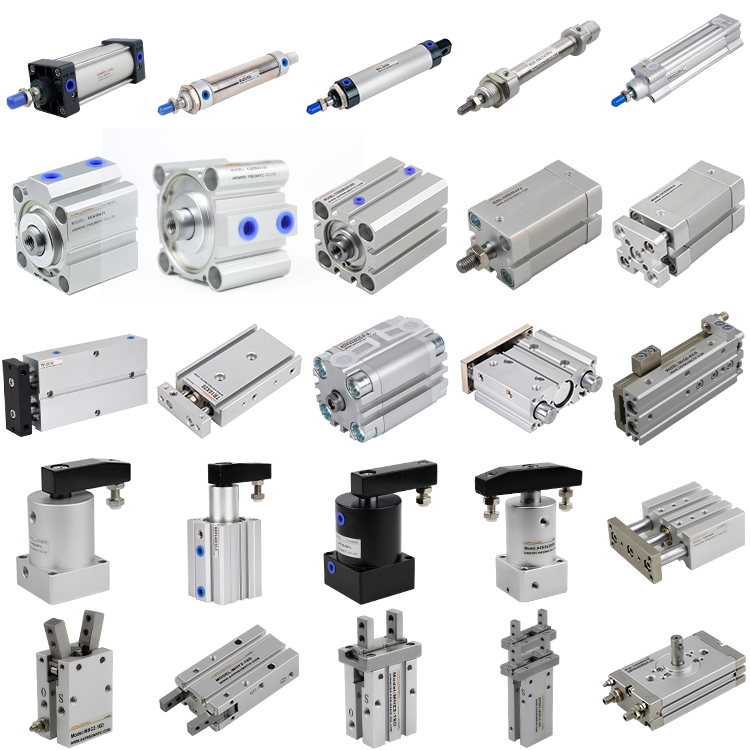
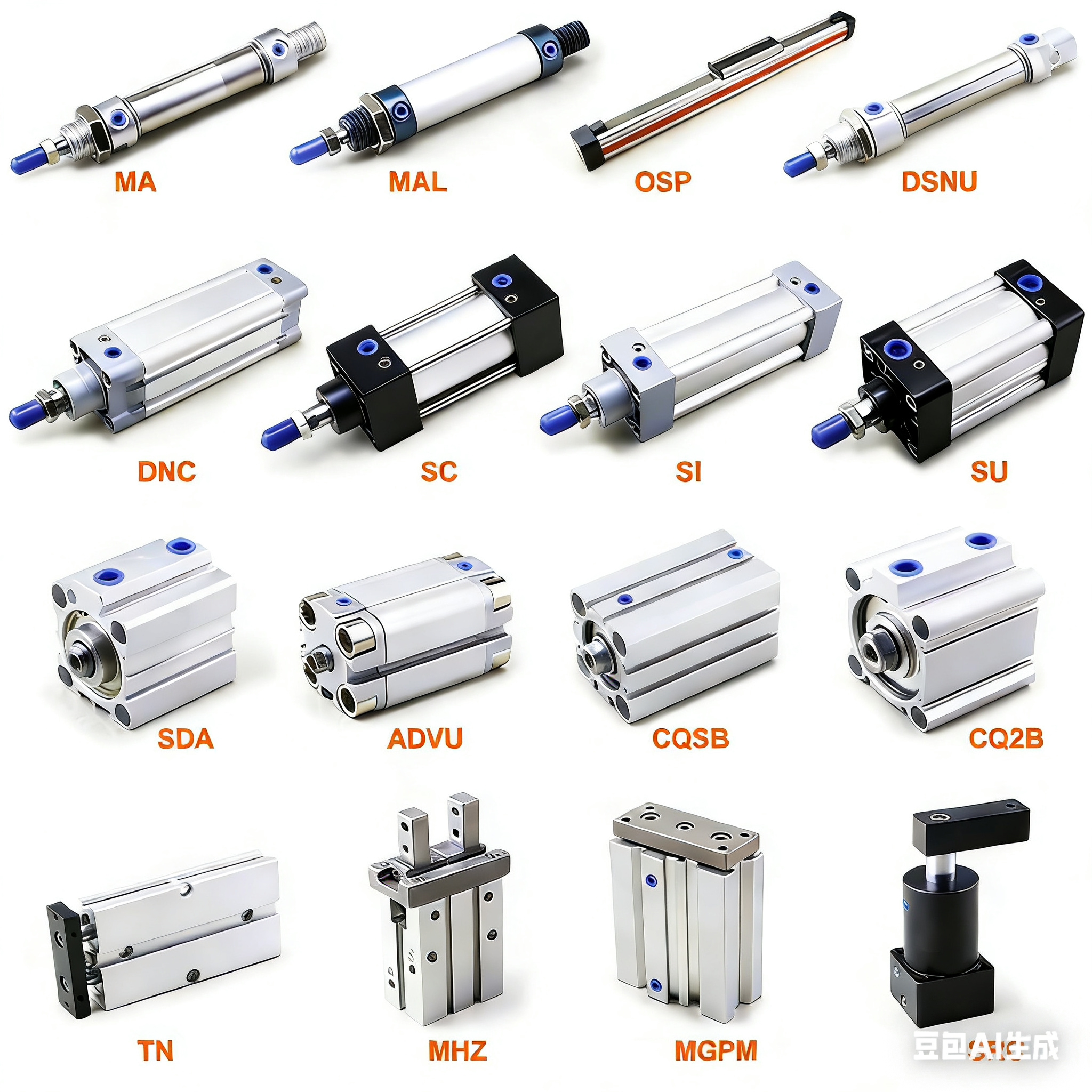
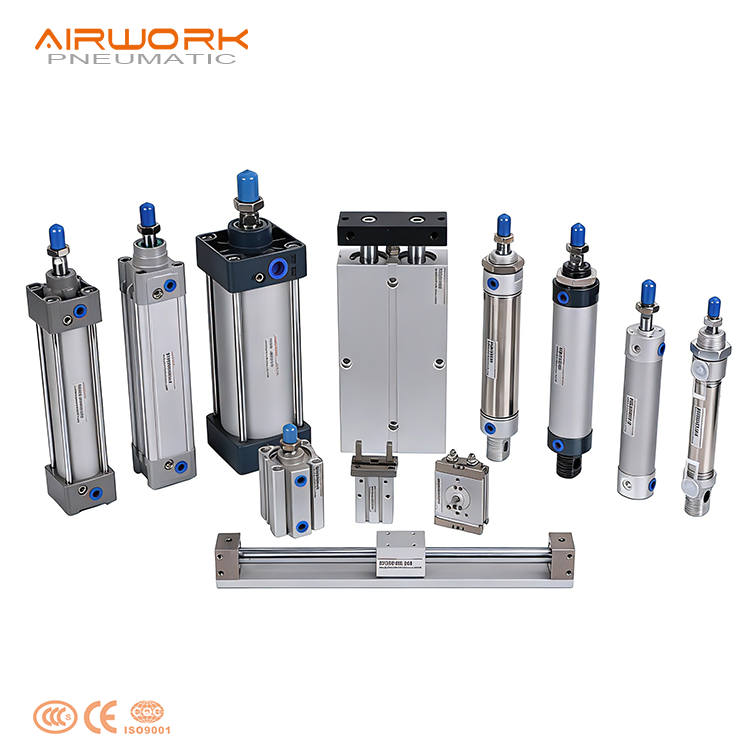
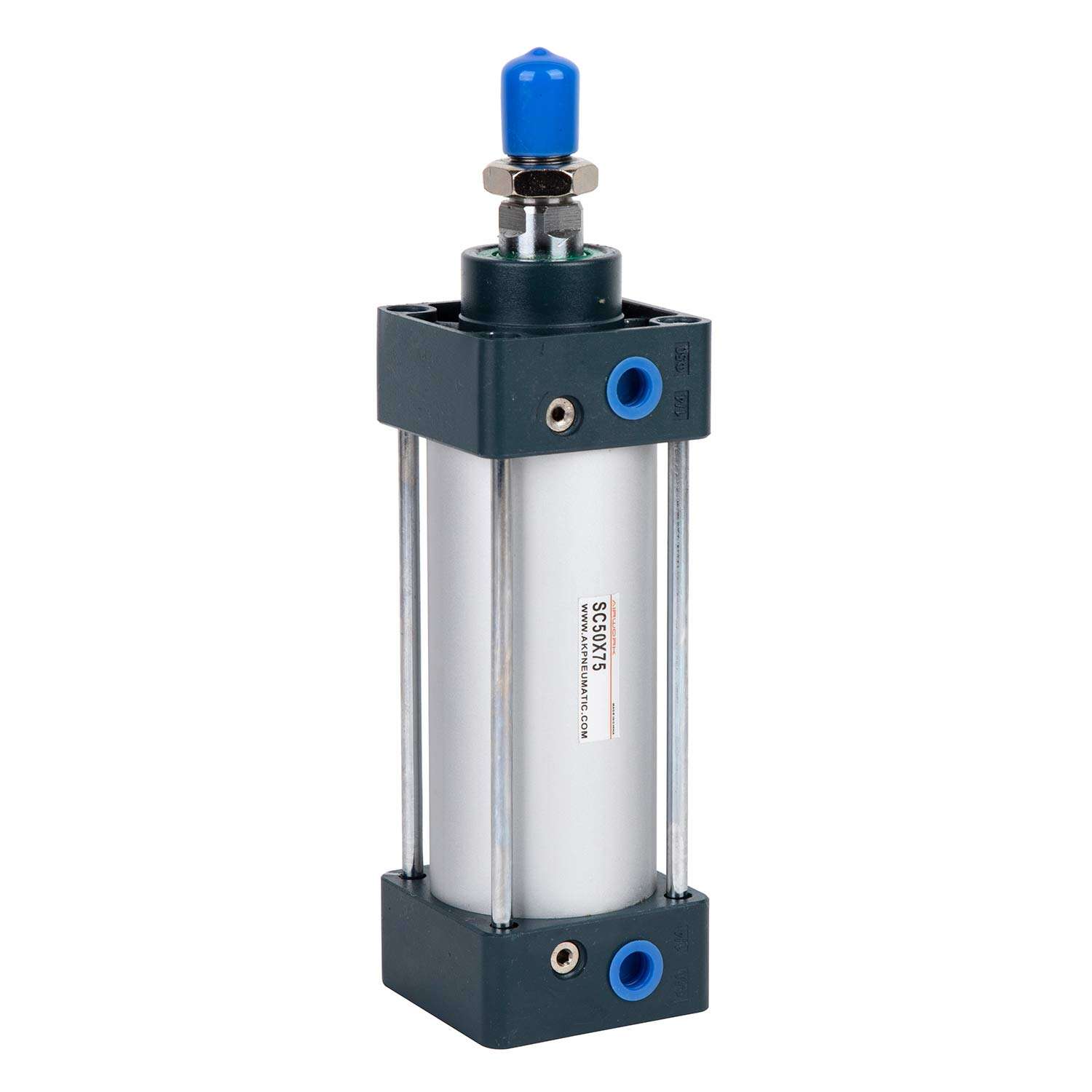
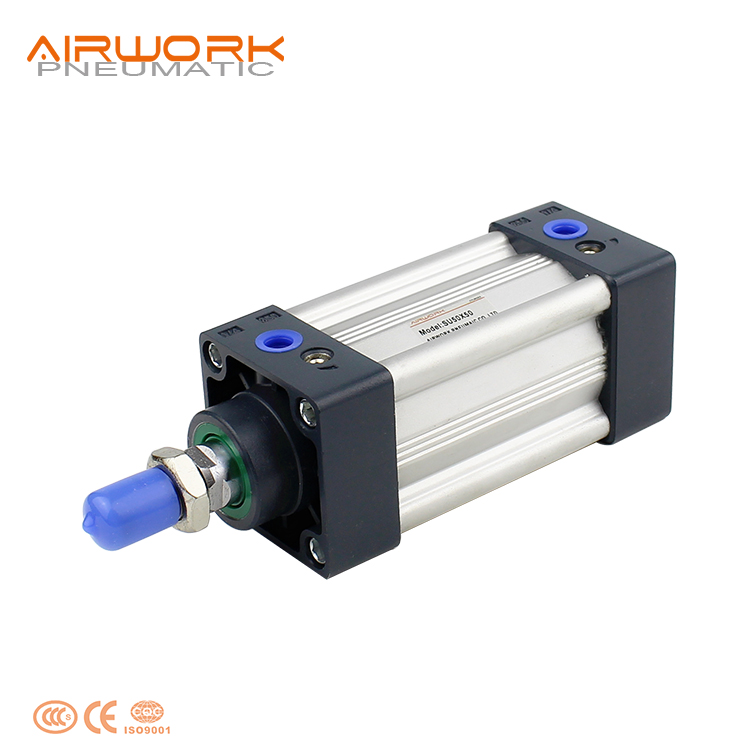
A compressed air cylinder represents a fundamental component in pneumatic systems, serving as the primary actuating device that converts compressed air energy into linear mechanical motion. These cylindrical devices operate by utilizing pressurized air to move a piston within a sealed chamber, creating controlled linear movement that powers countless industrial applications. The compressed air cylinder consists of several essential components including the cylinder barrel, piston, piston rod, end caps, and sealing elements that work together to deliver reliable performance. The basic operating principle involves introducing compressed air into one chamber while exhausting air from the opposite chamber, causing the piston to move and extend or retract the rod. Modern compressed air cylinder designs incorporate advanced materials and precision manufacturing techniques to ensure optimal performance, durability, and efficiency. These devices are available in various configurations including single-acting cylinders that use compressed air for one direction of movement and spring return for the opposite direction, and double-acting cylinders that utilize compressed air for both extension and retraction movements. The versatility of compressed air cylinder technology extends to specialized variants such as rodless cylinders, rotary cylinders, and multi-position cylinders that cater to specific application requirements. Construction materials typically include high-grade aluminum alloys, stainless steel, or composite materials depending on the operating environment and performance demands. Sealing systems employ advanced elastomeric compounds and specialized seal designs to minimize air leakage and maximize operational lifespan. The compressed air cylinder market continues to evolve with innovations in sensor integration, position feedback systems, and smart connectivity features that enable Industry 4.0 applications and predictive maintenance capabilities.

Popular Products

The compressed air cylinder offers numerous compelling advantages that make it an ideal choice for diverse industrial automation and mechanical applications. First and foremost, these devices provide exceptional reliability and consistent performance across millions of operating cycles, ensuring minimal downtime and reduced maintenance costs for manufacturing operations. The inherent safety characteristics of compressed air systems make the compressed air cylinder particularly attractive for environments where electrical hazards or explosive atmospheres present concerns. Unlike electric actuators, compressed air cylinders pose no fire or explosion risks, making them suitable for chemical processing, food production, and hazardous material handling applications. The cost-effectiveness of compressed air cylinder implementation stands out as another significant benefit, as these devices require lower initial investment compared to electric or hydraulic alternatives while delivering comparable performance levels. Installation and maintenance procedures for compressed air cylinders are straightforward, requiring basic technical knowledge and standard tools, which reduces training requirements and operational complexity. The speed and responsiveness of compressed air cylinder operation excel in high-frequency applications where rapid cycling is essential, as compressed air provides instantaneous power delivery without warm-up periods or complex control systems. Environmental adaptability represents another key strength, as compressed air cylinders function effectively across wide temperature ranges and in dusty, wet, or corrosive conditions that might compromise other actuator technologies. The force-to-weight ratio of compressed air cylinders delivers impressive power output relative to their physical size and weight, enabling compact system designs and reduced structural support requirements. Energy efficiency continues to improve through advanced design features and optimized air consumption patterns, making modern compressed air cylinders more economical to operate than previous generations. The modular nature of compressed air cylinder systems allows for easy expansion, modification, or replacement of individual components without major system overhauls, providing flexibility for changing production requirements and future upgrades.

Latest News

Pneumatic fittings used in water

25

Feb

Pneumatic fittings used in water

View More
Basic knowledge of pneumatic air cylinders

25

Feb

Basic knowledge of pneumatic air cylinders

View More
Air Source Treatment Unit:The

25

Feb

Air Source Treatment Unit:The "Guardians" and Core Components of Pneumatic Systems

View More

Get a Free Quote

Our representative will contact you soon.
Email
Name
Company Name
Message
0/1000

compressed air cylinder

Superior Durability and Longevity Performance

Superior Durability and Longevity Performance

The compressed air cylinder stands out in the industrial automation landscape due to its exceptional durability and longevity characteristics that translate directly into reduced operational costs and improved productivity for businesses. Modern compressed air cylinder designs incorporate advanced materials science and precision manufacturing techniques to deliver operating lifespans that often exceed several million cycles under proper operating conditions. The robust construction begins with high-grade aluminum alloy or stainless steel cylinder barrels that resist corrosion, wear, and deformation even under continuous high-pressure operation. These materials undergo specialized surface treatments and anodizing processes that create protective barriers against environmental contaminants and extend service life significantly. The piston and rod assemblies feature precision-machined components with tight tolerances that minimize internal friction and wear while maintaining smooth operation throughout the device's operational lifetime. Advanced sealing systems represent perhaps the most critical aspect of compressed air cylinder durability, utilizing multiple sealing elements crafted from specially formulated elastomeric compounds that resist degradation from temperature variations, pressure cycling, and chemical exposure. These sealing systems incorporate primary seals, backup rings, and wiper seals that work in concert to prevent air leakage and contamination ingress while accommodating the dynamic movements required for proper operation. The rod bearings and guides feature self-lubricating materials or integrated lubrication systems that reduce friction and prevent premature wear of moving components. Quality manufacturing processes including precision honing of cylinder bores, careful assembly procedures, and comprehensive testing protocols ensure that each compressed air cylinder meets stringent performance standards before leaving the factory. This commitment to durability translates into tangible benefits for end users including reduced replacement costs, minimized maintenance interventions, decreased system downtime, and improved overall equipment effectiveness that directly impacts bottom-line profitability and operational efficiency.
Versatile Application Adaptability and Configuration Options

Versatile Application Adaptability and Configuration Options

The compressed air cylinder demonstrates remarkable versatility through its extensive range of configuration options and adaptability to diverse application requirements across numerous industries and operational scenarios. This flexibility stems from the fundamental design principles that allow for multiple mounting configurations, stroke lengths, bore sizes, and specialized features that can be tailored to specific performance needs. Standard mounting options include front flange, rear flange, trunnion, clevis, and foot mounting arrangements that accommodate various installation constraints and load requirements. The availability of different bore diameters ranging from miniature sizes for precision applications to large diameters for heavy-duty operations ensures that the appropriate force output can be matched to specific application demands. Stroke length customization allows engineers to optimize the compressed air cylinder for exact travel requirements, eliminating unnecessary size and weight while ensuring adequate working range. Specialized variants such as guided cylinders provide enhanced lateral load capacity and improved alignment for applications requiring precise linear motion, while compact cylinders offer space-saving solutions for installations with limited clearance. The compressed air cylinder can be equipped with various rod end configurations including threaded ends, clevis connections, spherical bearings, and custom attachments that facilitate integration with existing machinery and mechanisms. Advanced options such as magnetic piston cylinders enable non-contact position sensing through reed switches or Hall effect sensors, providing precise position feedback for automated control systems. Cushioning systems can be integrated into the compressed air cylinder design to control deceleration at the end of stroke travel, reducing impact loads and noise while extending component life. Special materials and coatings can be specified for corrosive environments, food-grade applications, or extreme temperature conditions, ensuring optimal performance regardless of operating challenges. The modular approach to compressed air cylinder design allows for field modification and upgrade of many components, providing long-term adaptability as application requirements evolve or production needs change.

Cost-Effective Operation and Maintenance Benefits

Cost-Effective Operation and Maintenance Benefits

The compressed air cylinder delivers exceptional value through its cost-effective operation and maintenance characteristics that provide significant economic advantages over alternative actuator technologies throughout the product lifecycle. The initial procurement cost of compressed air cylinders typically represents a fraction of the investment required for comparable electric or hydraulic actuators, making them accessible for budget-conscious applications while still delivering professional-grade performance. Operating costs remain minimal due to the inherent efficiency of compressed air systems and the relatively low power consumption required to maintain system pressure compared to continuously energized electric actuators or complex hydraulic power units. The compressed air cylinder requires no electrical connections or complex control circuitry for basic operation, reducing installation costs and eliminating potential electrical failure points that could compromise system reliability. Maintenance procedures for compressed air cylinders are straightforward and can be performed by general maintenance personnel without specialized training or expensive diagnostic equipment, reducing labor costs and minimizing system downtime. Routine maintenance typically consists of simple inspections, basic cleaning, and periodic seal replacement using standard tools and readily available components. The compressed air cylinder design allows for easy disassembly and component access, enabling rapid troubleshooting and repair when necessary. Replacement parts and service kits are generally inexpensive and widely available, ensuring quick restoration to service without extended lead times or costly emergency procurement. The robust nature of compressed air cylinder construction means that major component failures are rare, and most issues can be resolved through preventive maintenance practices and minor adjustments. Energy efficiency improvements in modern compressed air cylinder designs include optimized porting, reduced internal volumes, and enhanced sealing systems that minimize air consumption per cycle while maintaining full performance capabilities. The long service life typical of quality compressed air cylinders spreads the initial investment over many years of reliable operation, resulting in exceptionally low cost per operating cycle compared to alternative technologies that may require more frequent replacement or major overhauls.

Get a Free Quote

Our representative will contact you soon.
Email
Name
Company Name
Message
0/1000