יכולת התאמה ותכנות רב-תכליתיות ליישומים
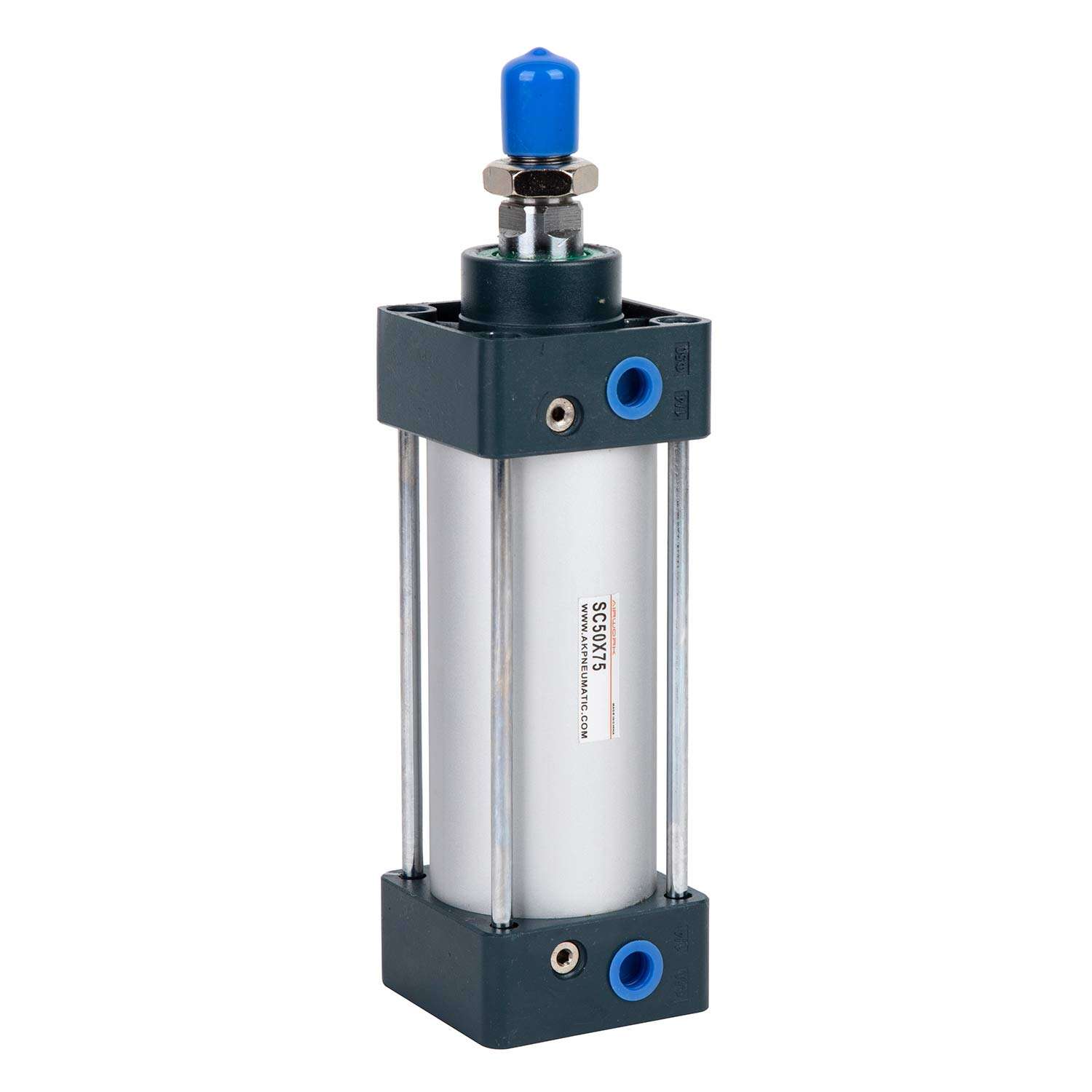
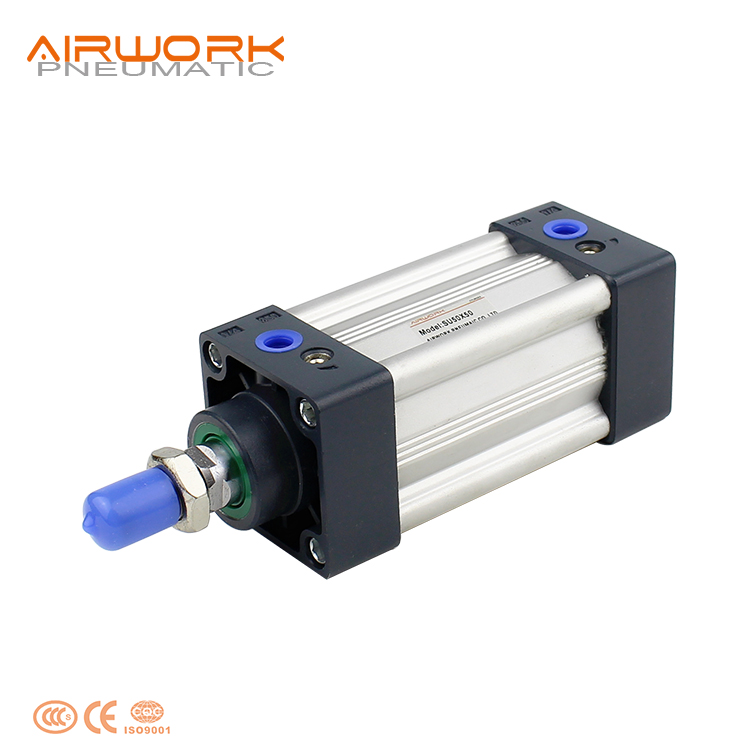
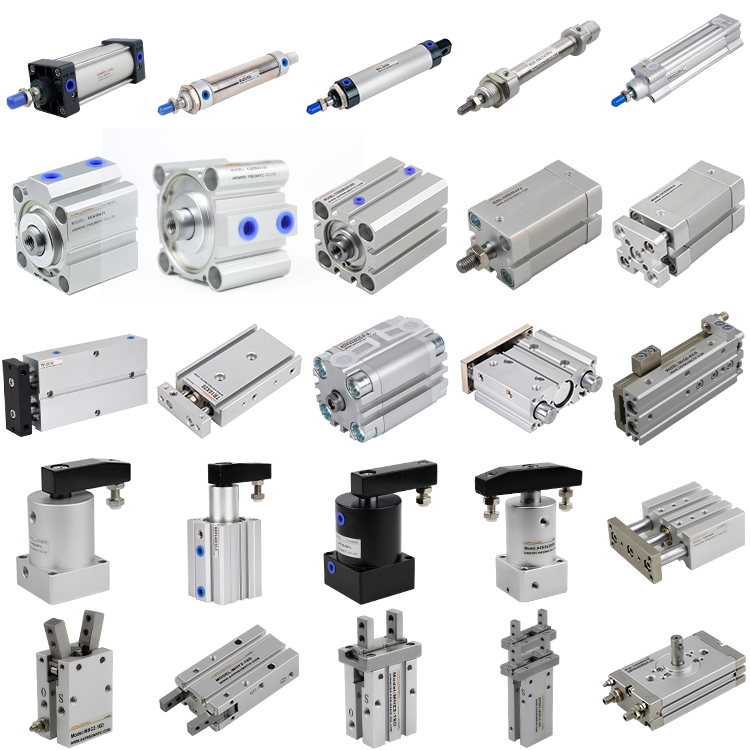
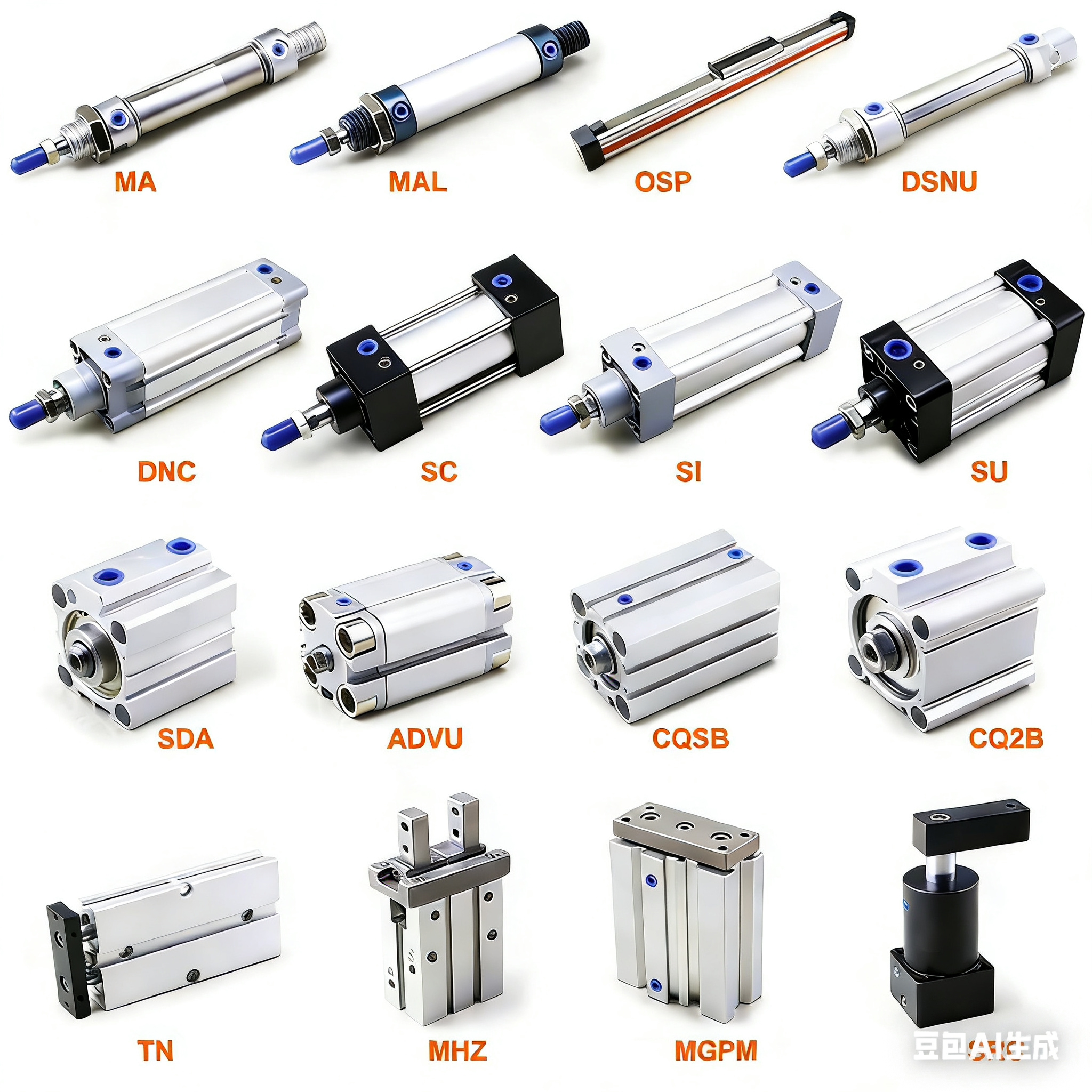
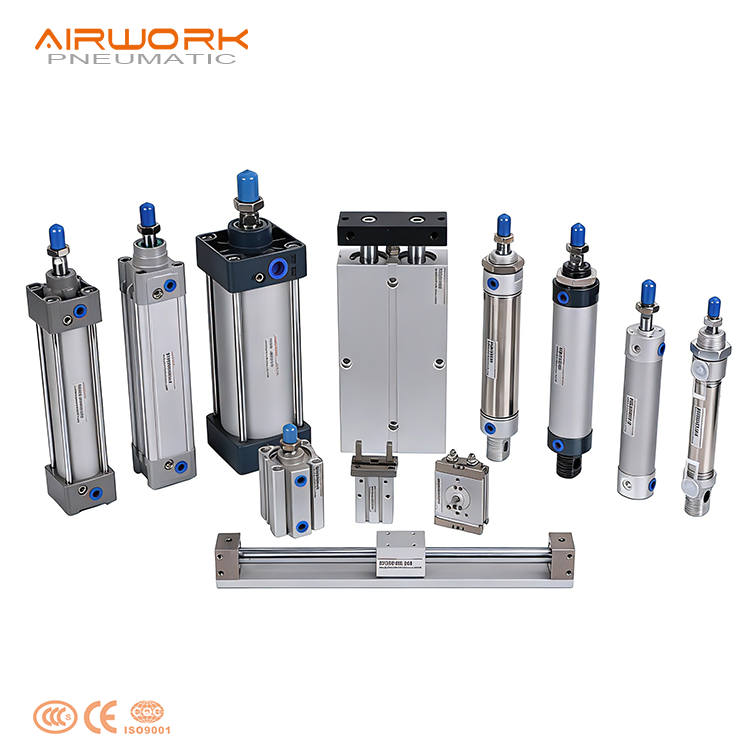
אשכול הצירקולציה המכווץ מפגין גמישות יוצאת דופן בזכות טווח הרחב של אפשרויות הרכבה שלו והתאמתו לדרישות יישום מגוונות בתחומים תעשייתיים רבים ובסcenarios מבצעיים שונים. גמישות זו נובעת מעקרונות העיצוב הבסיסיים שמאפשרים מספר אפשרויות התקנה, אורכי מהלך, קטרים של גוף הצירקולציה, ותכונות מיוחדות שניתן להתאים לצרכים הספציפיים של ביצוע. אפשרויות ההתקנה הסטנדרטיות כוללות פלנשה קדמית, פלנשה אחורית, תומך ציר (trunnion), חיבור עגול (clevis) והתקנה על בסיס. אפשרויות אלו מתאימות למגבלות התקנה שונות ולדרישות עומס שונות. זמינות קטרים שונים של הגוף, החל מקטרים מינייטוריים ליישומים המחייבים דיוק ועד לקטרים גדולים ליישומים כבדי משקל, מבטיחה שהכוח הנדרש יתאים בדיוק לדרישות היישום הספציפי. התאמה אישית של אורך המהלך מאפשרת للمהנדסים לאופטימיזציה של הצירקולציה המכווץ בהתאם לדרישות המרחק המדויק של התנועה, ובכך להימנע מגודל ומשקל מיותרים תוך שמירה על טווח עבודה מספיק. גרסת הצירקולציה המורחבות עם מדריכים מספקת עמידות משופרת לעומסי צדדיים ויישור משופר ליישומים הדורשים תנועה ליניארית מדויקת, בעוד שגרסאות הצירקולציה הקומפקטיות מציעות פתרונות לחיסכון בשטח עבור התקנות שבהן יש מעט מקום פנוי. ניתן לספק את הצירקולציה המכווץ עם מגוון סוגי חיבורי המוט, כולל קצות מושראים, חיבורים עגולים (clevis), סיביות כדוריות (spherical bearings) וחיבורים מותאמים אישית, אשר מקלים על האינטגרציה עם מכונות ומנגנונים קיימים. אפשרויות מתקדמות כגון צירקולציות עם פיסטון מגנטי מאפשרות זיהוי מיקום ללא מגע באמצעות מתגים ריד (reed switches) או חיישני אפקט הול (Hall effect sensors), ומספקות משוב מיקום מדויק למערכות בקרה אוטומטיות. ניתן לשלב במערכת הצירקולציה מנגנוני בלימה כדי לשלוט בהאטה בסיום המהלך, ובכך להפחית את עומסי הפגיעה והרעש ולהאריך את חיי המרכיבים. ניתן לציין חומרים וציפויים מיוחדים לסביבות קורוזיביות, ליישומים בתחום המזון או בתנאי טמפרטורה קיצונית, כדי להבטיח ביצוע אופטימלי גם בפני אתגרי הפעלה שונים. הגישה המודולרית לעיצוב הצירקולציה המכווץ מאפשרת שינוי ושדרוג של רכיבים רבים בשטח, ובכך מספקת התאמה לטווח ארוך כשמשתנות דרישות היישום או צרכי הייצור.

 EN
EN