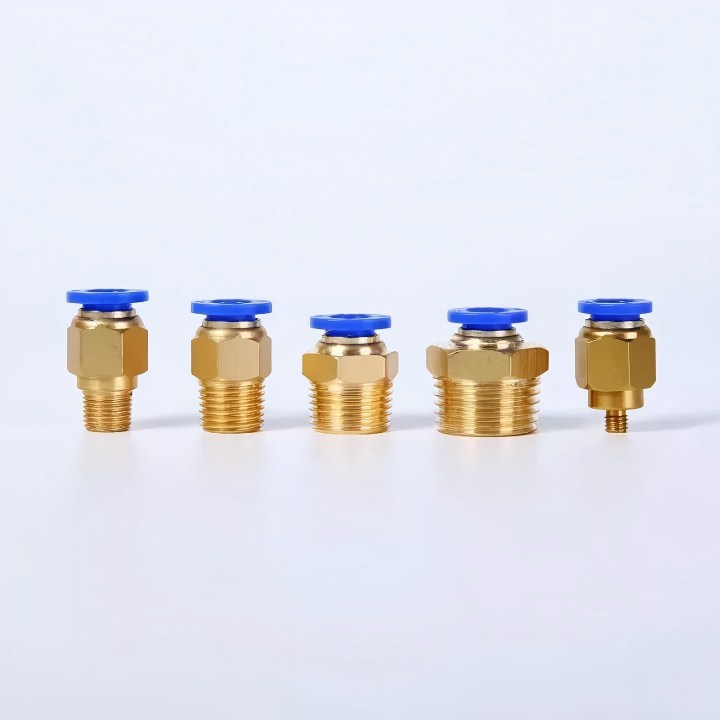
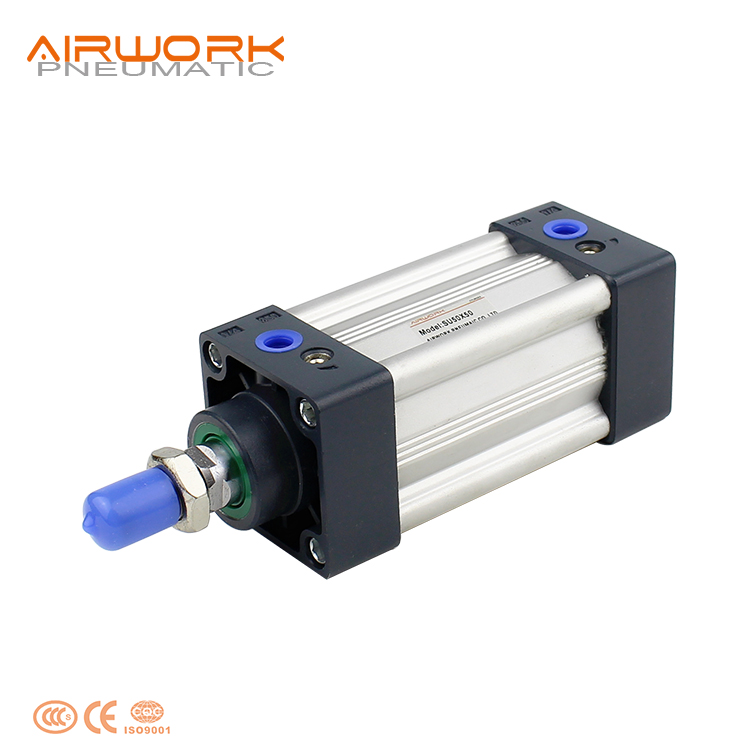
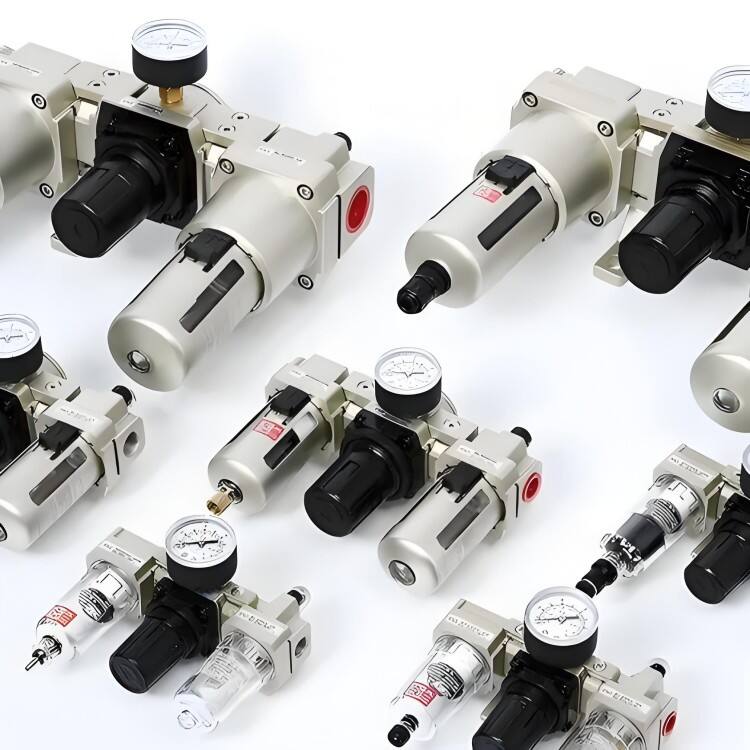
air line tubing
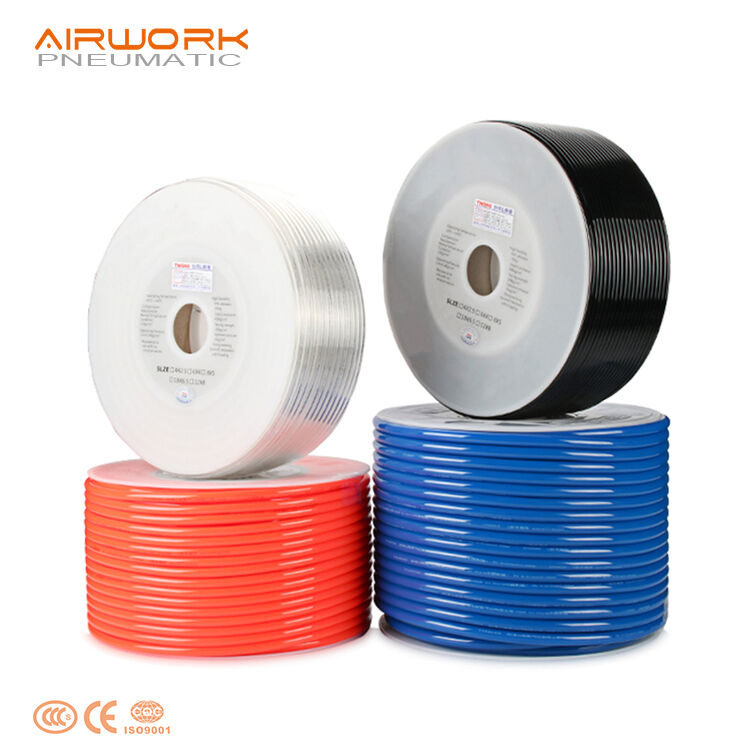
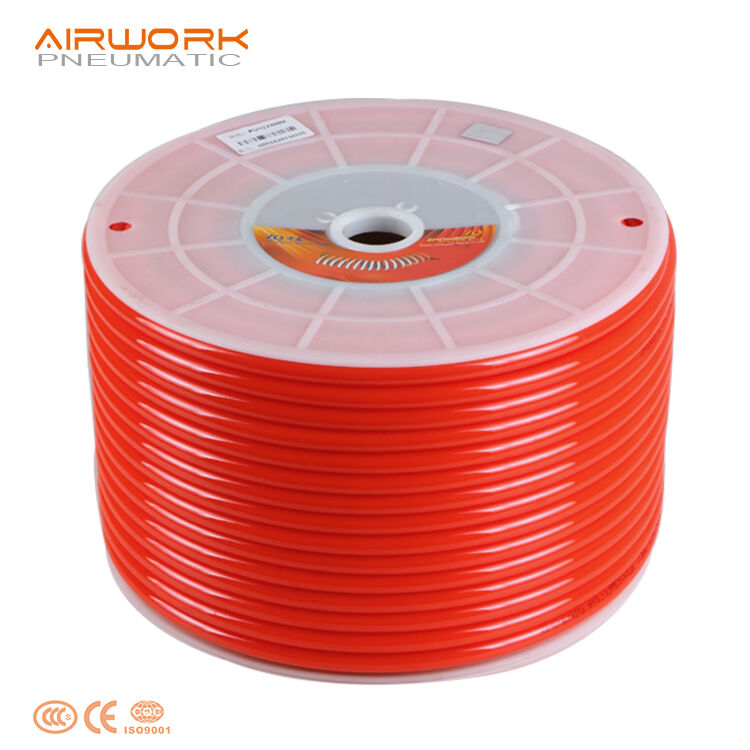
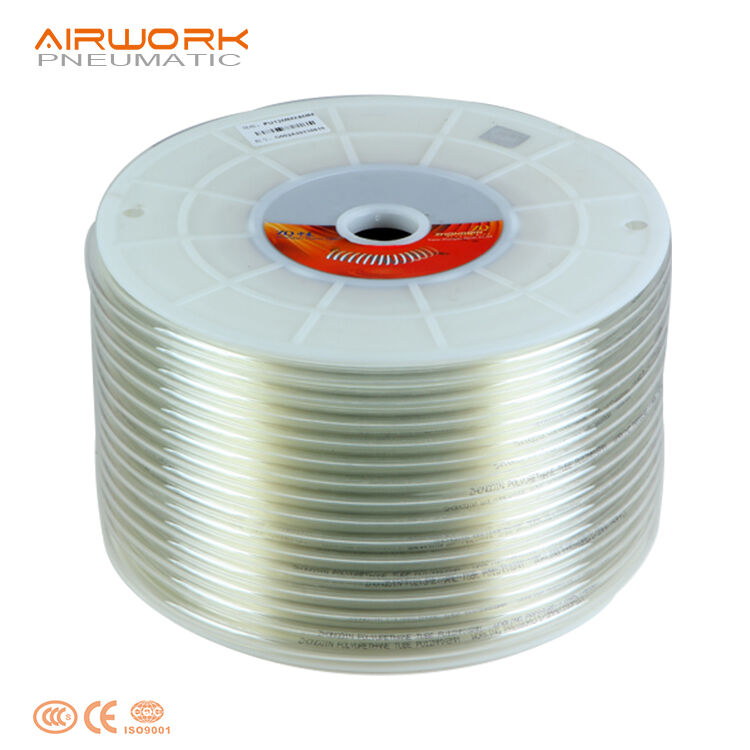
Air line tubing represents a critical component in pneumatic systems, serving as the primary conduit for compressed air transportation across various industrial and commercial applications. This specialized tubing facilitates the efficient movement of pressurized air from compressors to tools, machinery, and control systems throughout facilities. The fundamental purpose of air line tubing extends beyond simple air transport, encompassing precise pressure regulation, system reliability, and operational safety across diverse environments. Modern air line tubing incorporates advanced materials and engineering technologies to withstand extreme pressures, temperature fluctuations, and chemical exposure while maintaining consistent performance standards. The technological features of contemporary air line tubing include multi-layered construction with reinforcement materials such as braided steel, synthetic fibers, or spiral wire configurations that provide exceptional burst strength and flexibility. These tubes typically feature inner cores made from specialized rubber compounds or thermoplastic materials that resist degradation from compressed air contaminants, oils, and moisture. The outer covering provides protection against environmental factors including UV radiation, ozone, abrasion, and chemical exposure. Applications for air line tubing span numerous industries including manufacturing, automotive, construction, healthcare, food processing, and aerospace sectors. In manufacturing environments, these tubes connect pneumatic tools, actuators, and automated systems that require reliable compressed air delivery for optimal performance. Construction sites utilize air line tubing for powering pneumatic hammers, sanders, and spray equipment. Healthcare facilities depend on medical-grade air line tubing for respiratory equipment, dental tools, and laboratory instruments. The food industry employs specialized food-grade tubing that meets stringent hygiene standards for packaging machinery and processing equipment. Aerospace applications require lightweight, high-strength air line tubing that can withstand extreme altitude conditions and temperature variations while maintaining structural integrity throughout flight operations.

 EN
EN