Premium Air Line Tubing Solutions - Durable, Flexible, High-Performance Pneumatic Systems

All Categories

air line tubing

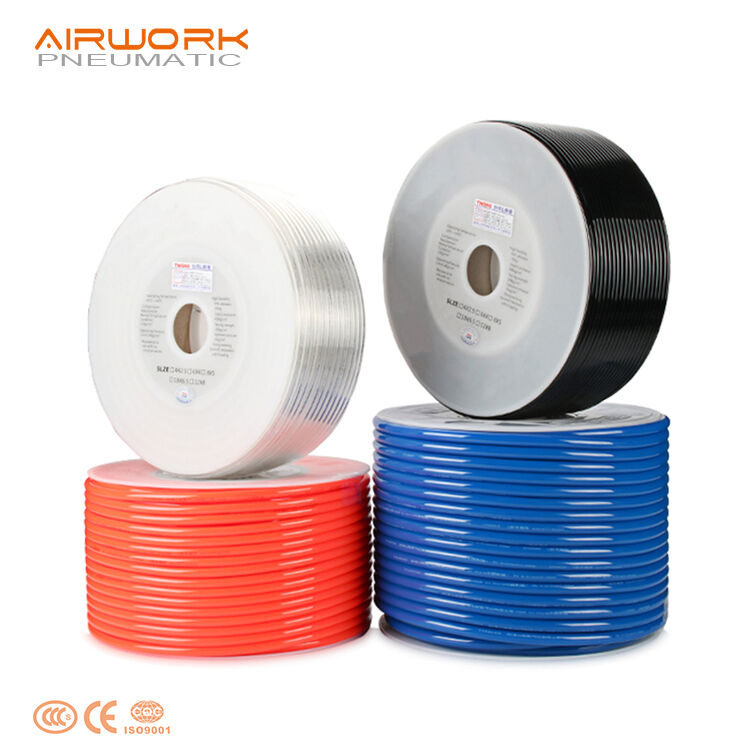
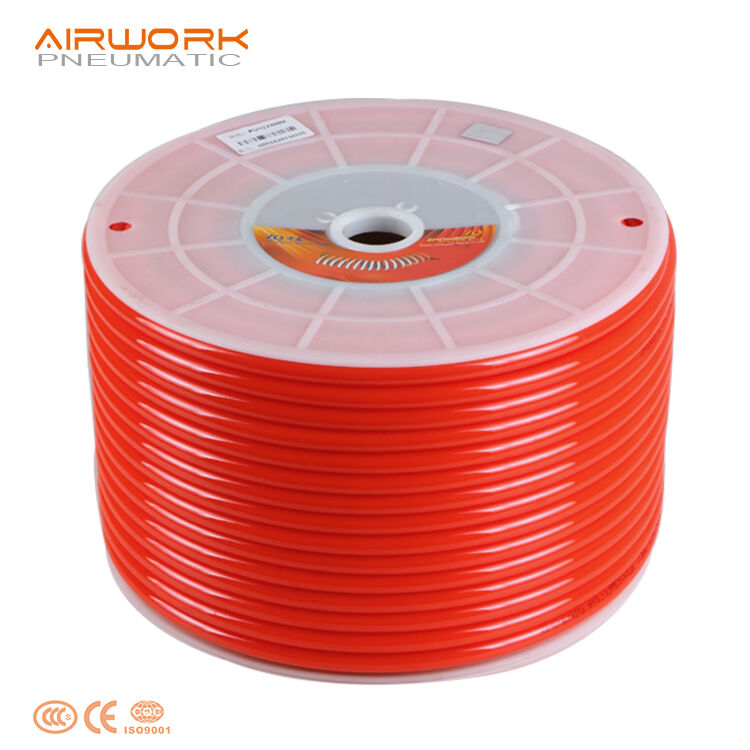
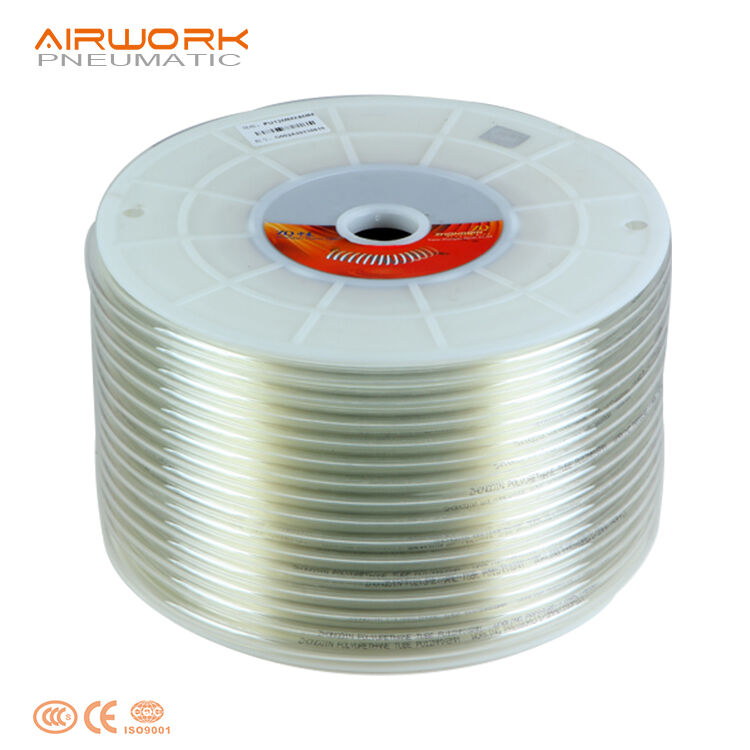
Air line tubing represents a critical component in pneumatic systems, serving as the primary conduit for compressed air transportation across various industrial and commercial applications. This specialized tubing facilitates the efficient movement of pressurized air from compressors to tools, machinery, and control systems throughout facilities. The fundamental purpose of air line tubing extends beyond simple air transport, encompassing precise pressure regulation, system reliability, and operational safety across diverse environments. Modern air line tubing incorporates advanced materials and engineering technologies to withstand extreme pressures, temperature fluctuations, and chemical exposure while maintaining consistent performance standards. The technological features of contemporary air line tubing include multi-layered construction with reinforcement materials such as braided steel, synthetic fibers, or spiral wire configurations that provide exceptional burst strength and flexibility. These tubes typically feature inner cores made from specialized rubber compounds or thermoplastic materials that resist degradation from compressed air contaminants, oils, and moisture. The outer covering provides protection against environmental factors including UV radiation, ozone, abrasion, and chemical exposure. Applications for air line tubing span numerous industries including manufacturing, automotive, construction, healthcare, food processing, and aerospace sectors. In manufacturing environments, these tubes connect pneumatic tools, actuators, and automated systems that require reliable compressed air delivery for optimal performance. Construction sites utilize air line tubing for powering pneumatic hammers, sanders, and spray equipment. Healthcare facilities depend on medical-grade air line tubing for respiratory equipment, dental tools, and laboratory instruments. The food industry employs specialized food-grade tubing that meets stringent hygiene standards for packaging machinery and processing equipment. Aerospace applications require lightweight, high-strength air line tubing that can withstand extreme altitude conditions and temperature variations while maintaining structural integrity throughout flight operations.

Popular Products

Air line tubing delivers exceptional value through multiple practical benefits that directly impact operational efficiency and cost-effectiveness for businesses across industries. The primary advantage lies in superior durability that extends equipment lifespan and reduces replacement frequency, translating to significant long-term savings. Quality air line tubing withstands continuous flexing, high-pressure operations, and harsh environmental conditions without compromising structural integrity or performance standards. This resilience eliminates unexpected downtime and maintenance costs associated with frequent tube replacements or repairs. The flexibility characteristics of modern air line tubing enable easy installation in complex routing scenarios, around obstacles, and through tight spaces where rigid piping systems prove impractical. This adaptability reduces installation time and labor costs while providing design freedom for system modifications and expansions. Temperature resistance properties ensure consistent performance across wide operating ranges, from frigid outdoor construction sites to high-temperature industrial environments, maintaining air flow efficiency regardless of ambient conditions. Chemical resistance protects against degradation from oils, solvents, and other contaminants commonly present in industrial compressed air systems, preserving tube integrity and preventing contamination of downstream equipment. The lightweight nature of air line tubing compared to metal piping systems reduces structural support requirements and simplifies handling during installation and maintenance procedures. This weight advantage becomes particularly valuable in mobile applications, overhead installations, and situations where portability matters. Cost-effectiveness emerges through lower material costs, reduced installation expenses, and minimal maintenance requirements compared to traditional hard piping alternatives. The quick-connect compatibility of many air line tubing systems enables rapid connections and disconnections, improving workflow efficiency and reducing setup times for temporary installations or equipment changes. Pressure ratings of quality air line tubing exceed typical system requirements, providing safety margins that protect against pressure spikes and ensure reliable operation under demanding conditions. The smooth inner bore construction minimizes pressure drop and turbulence, maximizing air flow efficiency and reducing compressor energy consumption. Kink resistance prevents flow restrictions that could impair tool performance or system efficiency, maintaining consistent air delivery even when tubes experience tight bends or external pressure. These combined advantages create substantial operational benefits including improved productivity, reduced maintenance overhead, enhanced safety, and lower total cost of ownership for compressed air systems.

Practical Tips

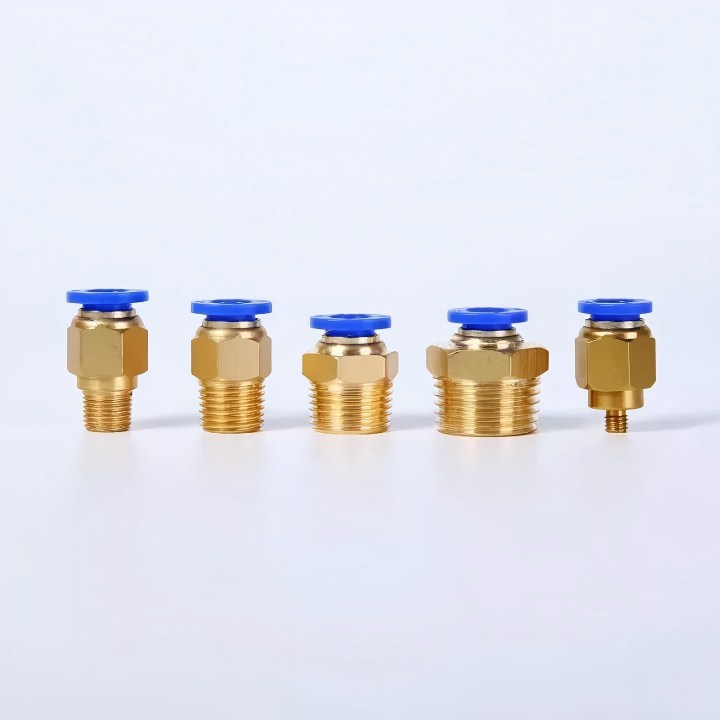
Pneumatic fittings used in water

25

Feb

Pneumatic fittings used in water

View More
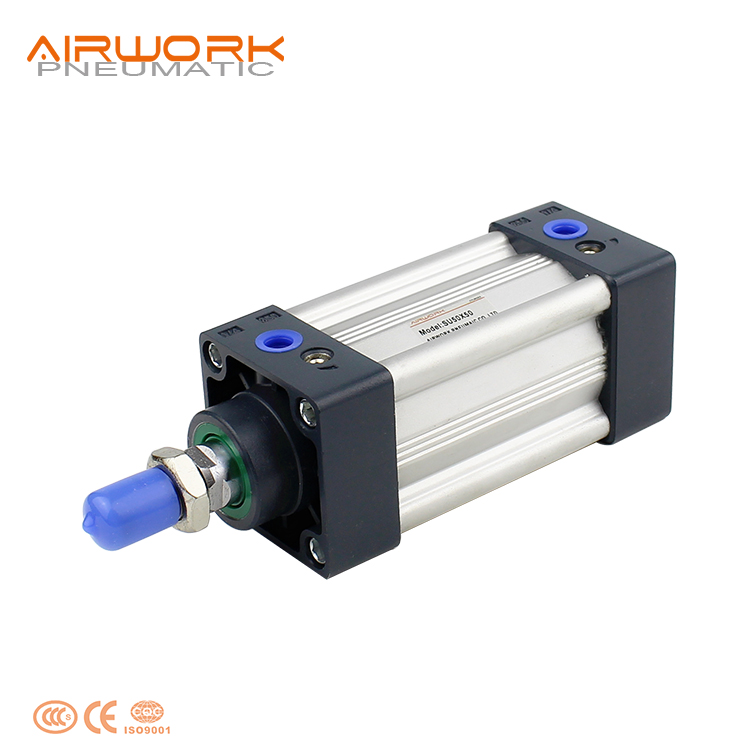
Basic knowledge of pneumatic air cylinders

25

Feb

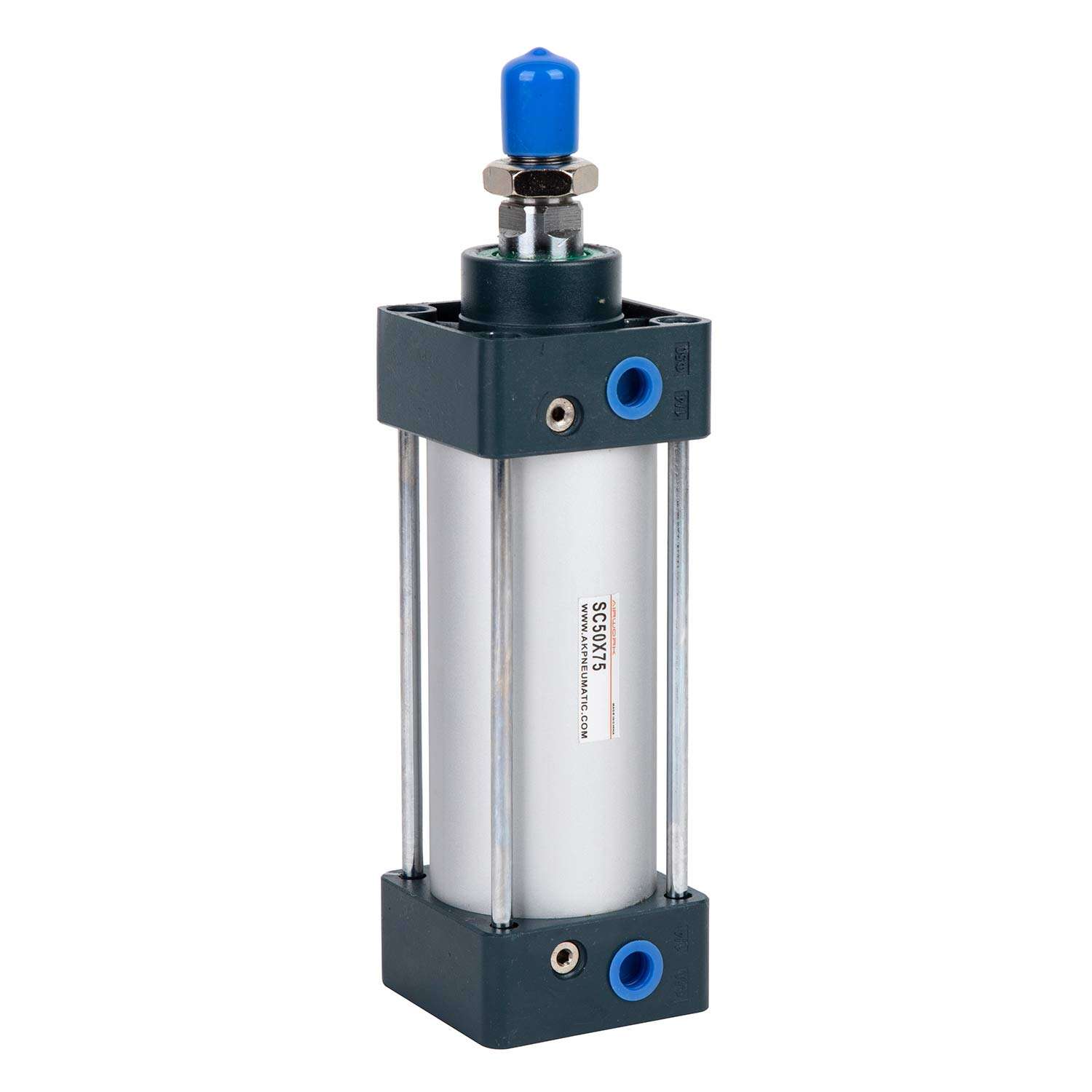
Basic knowledge of pneumatic air cylinders

View More
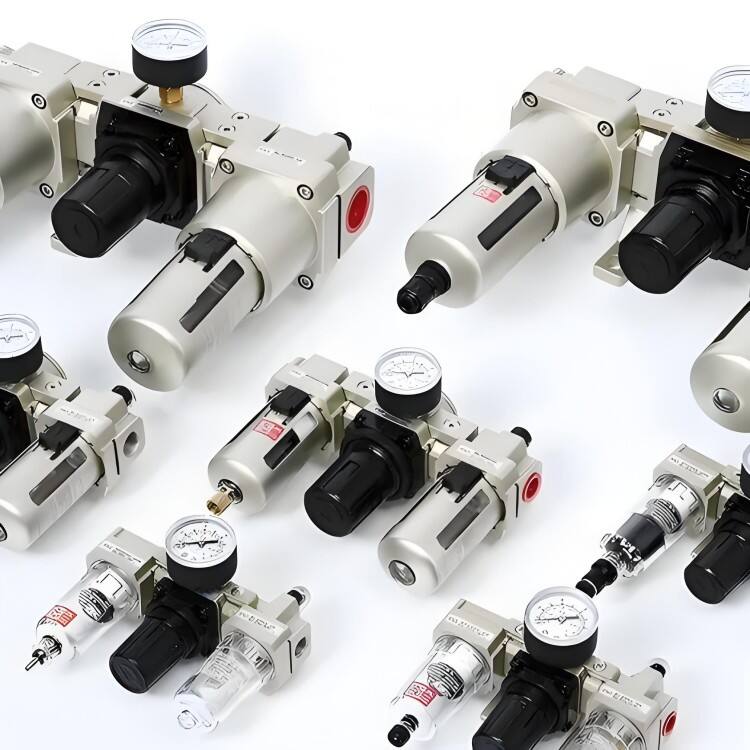
Air Source Treatment Unit:The

25

Feb

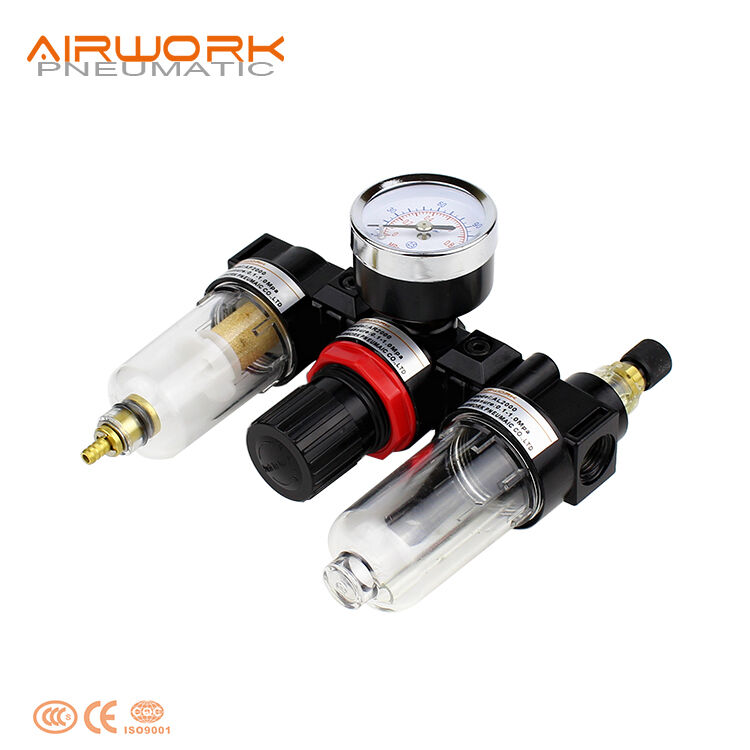
Air Source Treatment Unit:The "Guardians" and Core Components of Pneumatic Systems

View More

Get a Free Quote

Our representative will contact you soon.
Email
Name
Company Name
Message
0/1000

air line tubing

Advanced Multi-Layer Construction Technology

Advanced Multi-Layer Construction Technology

The sophisticated engineering behind modern air line tubing centers on advanced multi-layer construction technology that delivers unmatched performance, durability, and reliability in demanding industrial environments. This innovative design approach utilizes multiple specialized layers, each serving specific functions to create a comprehensive solution that exceeds traditional single-layer tubing capabilities. The innermost layer, typically constructed from premium synthetic rubber compounds or specialized thermoplastic materials, provides direct contact with compressed air while resisting degradation from moisture, oils, and airborne contaminants that commonly occur in pneumatic systems. This inner tube maintains smooth surface characteristics that minimize friction and pressure loss, ensuring optimal air flow efficiency throughout the system. The reinforcement layer represents the structural backbone of the air line tubing, incorporating high-strength materials such as braided steel wire, synthetic fiber mesh, or spiral-wound textile reinforcement that provides exceptional burst strength and pressure resistance. This reinforcement technology enables the tubing to withstand operating pressures far exceeding typical system requirements while maintaining flexibility for easy installation and routing. The outer cover layer serves as the primary defense against environmental hazards, featuring specialized compounds formulated to resist UV radiation, ozone exposure, chemical contact, abrasion, and extreme temperatures. This protective barrier ensures long-term performance consistency regardless of installation environment, whether indoor industrial settings or harsh outdoor construction sites. The multi-layer construction also incorporates engineered bonding techniques that create seamless integration between layers, preventing delamination or separation under pressure cycling and temperature fluctuations. This bonding technology ensures that each layer functions as part of an integrated system rather than independent components, maximizing overall performance and reliability. The precision manufacturing processes used in multi-layer construction enable tight dimensional tolerances that ensure consistent internal diameter, wall thickness, and external dimensions throughout the entire length of air line tubing. This consistency translates to predictable performance characteristics, reliable fitting connections, and uniform pressure ratings that system designers can depend upon for critical applications requiring precise air flow control and pressure regulation.
Superior Flexibility and Installation Efficiency

Superior Flexibility and Installation Efficiency

The exceptional flexibility characteristics of premium air line tubing revolutionize installation processes and system design possibilities, delivering substantial time savings, reduced labor costs, and enhanced operational versatility compared to rigid piping alternatives. This superior flexibility stems from carefully engineered material formulations and construction techniques that maintain bend radius capabilities while preserving structural integrity under pressure and environmental stress. The ability to navigate complex routing paths, around obstacles, through tight spaces, and along irregular surfaces eliminates the need for multiple fittings, joints, and directional changes required with rigid piping systems. This routing flexibility significantly reduces installation complexity, minimizes potential leak points, and streamlines maintenance accessibility throughout the compressed air system. The bend radius performance of quality air line tubing allows sharp directional changes without kinking or flow restriction, maintaining full internal diameter and air flow capacity even in challenging installation scenarios. This characteristic proves particularly valuable in retrofit applications where existing infrastructure limits routing options, enabling system upgrades without extensive structural modifications or equipment relocation. The lightweight properties combined with flexibility enable single-person installation for most applications, reducing labor requirements and improving installation efficiency. The coiling and uncoiling characteristics allow easy transport and storage of long lengths, reducing shipping costs and simplifying on-site handling compared to rigid piping materials that require special transportation and handling equipment. Quick-connect fitting compatibility enhances installation speed and provides reliable, leak-free connections that can be assembled without specialized tools or extensive technical training. This connection simplicity enables rapid system modifications, temporary installations, and equipment relocations that support dynamic operational requirements. The flexibility advantage extends to maintenance and service operations, allowing easy access to components and equipment without system disassembly or extensive downtime. Vibration resistance inherent in flexible air line tubing reduces stress on connections and equipment, extending system lifespan and reducing maintenance frequency. The ability to absorb movement and thermal expansion prevents stress concentration that could lead to premature failure in rigid systems, ensuring consistent performance throughout varying operational conditions and environmental changes.
Exceptional Durability and Cost-Effectiveness

Exceptional Durability and Cost-Effectiveness

The remarkable durability profile of premium air line tubing establishes it as a superior long-term investment that delivers exceptional cost-effectiveness through extended service life, minimal maintenance requirements, and consistent performance reliability across diverse operating conditions. This durability foundation rests on advanced material science and engineering innovations that address common failure modes including pressure fatigue, environmental degradation, abrasion wear, and chemical attack that typically limit the lifespan of conventional tubing solutions. The fatigue resistance characteristics enable air line tubing to withstand millions of pressure cycles without degradation, supporting continuous operation in demanding applications where pressure fluctuations occur regularly. This fatigue resistance stems from carefully selected elastomeric compounds and reinforcement materials that maintain molecular integrity under repeated stress, preventing the micro-crack formation that leads to premature failure in inferior products. Weather resistance properties ensure consistent performance across extreme temperature ranges, from arctic outdoor installations to high-temperature industrial environments, without hardening, cracking, or loss of flexibility that could compromise system integrity. UV stabilization technology protects against photodegradation that causes rubber deterioration and reduces service life in outdoor applications, maintaining material properties for extended periods under direct sunlight exposure. Chemical resistance capabilities protect against degradation from oils, hydraulic fluids, cleaning solvents, and other industrial chemicals commonly encountered in compressed air systems, preventing swelling, softening, or chemical attack that could lead to failure or contamination issues. Abrasion resistance characteristics enable installation in harsh environments where contact with rough surfaces, vibrating equipment, or moving machinery could cause wear damage to conventional tubing materials. This resistance extends service life in applications involving frequent handling, dragging across surfaces, or contact with sharp edges. The ozone resistance properties prevent cracking and deterioration in environments with high ozone concentrations, such as those found near electrical equipment or in certain industrial processes. The combination of these durability factors creates substantial cost advantages through reduced replacement frequency, lower maintenance costs, decreased system downtime, and improved operational reliability that translates to enhanced productivity and profitability for users across all application sectors.

Get a Free Quote

Our representative will contact you soon.
Email
Name
Company Name
Message
0/1000