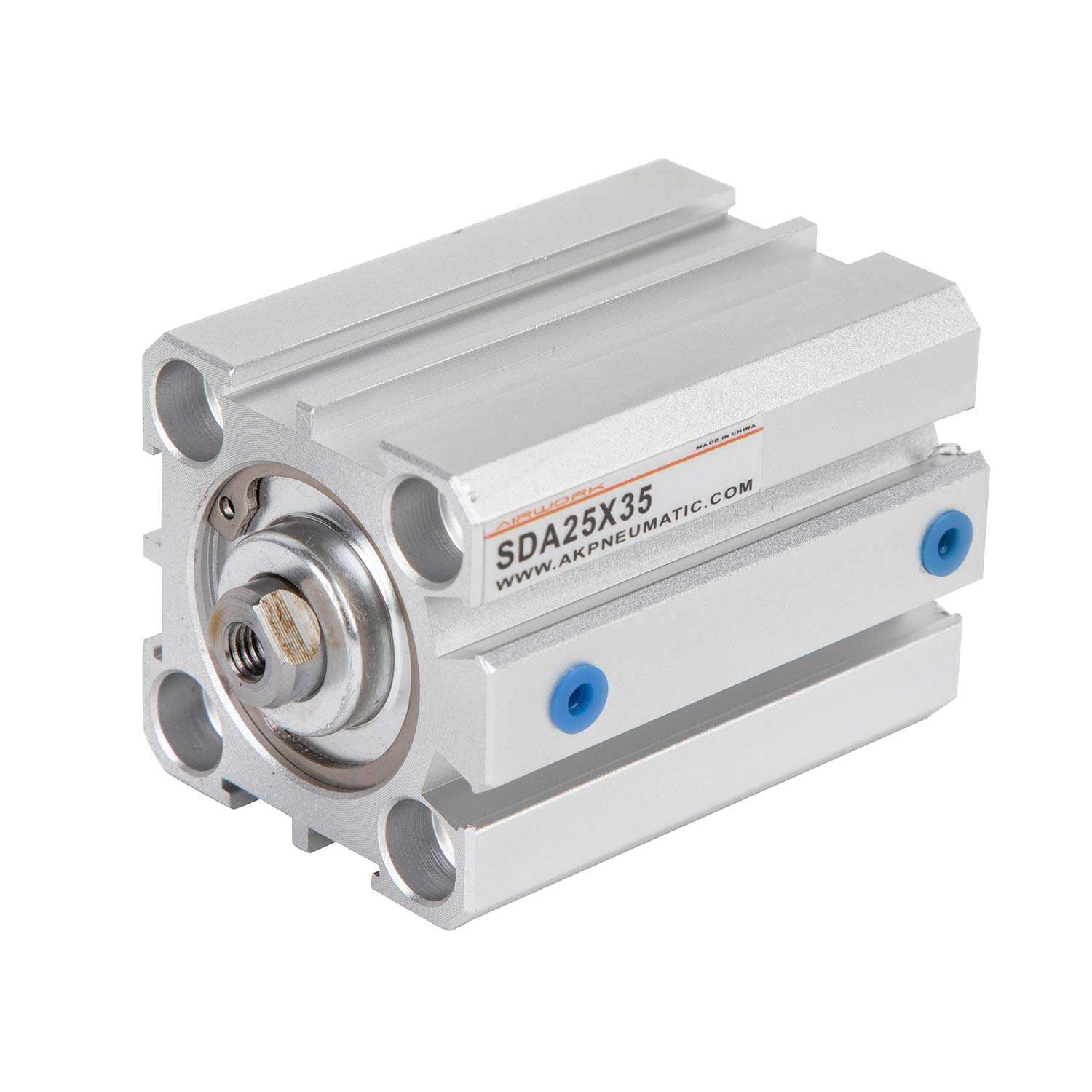
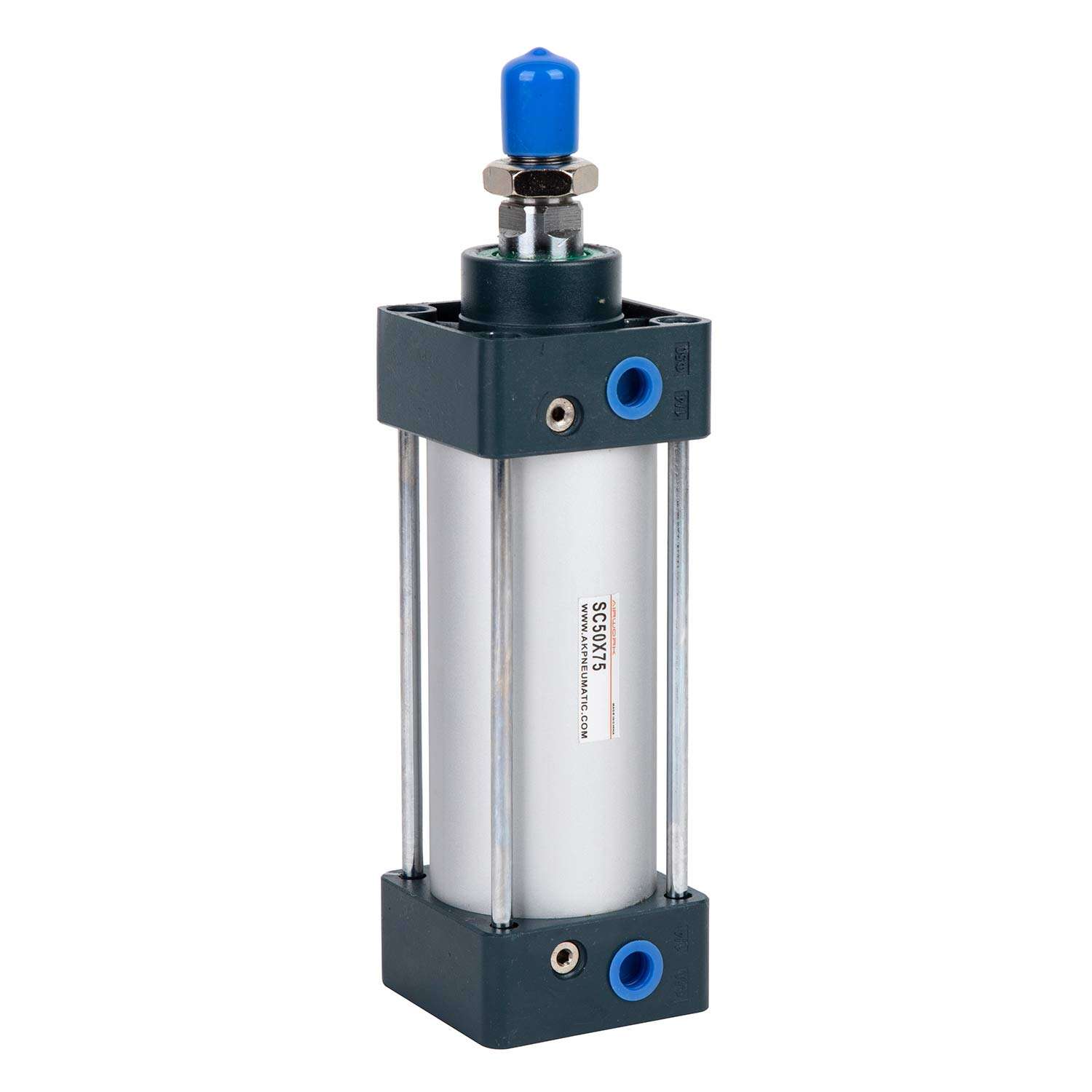
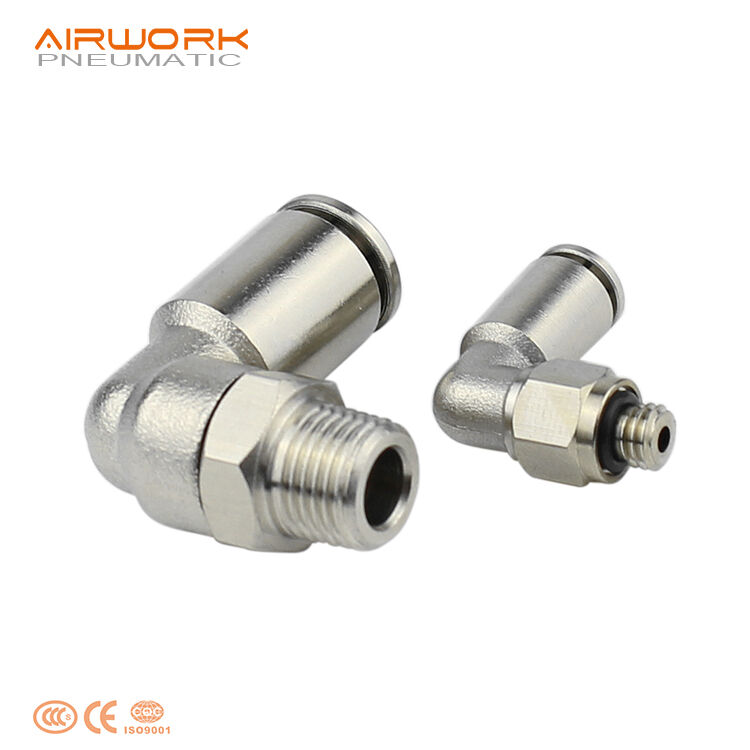
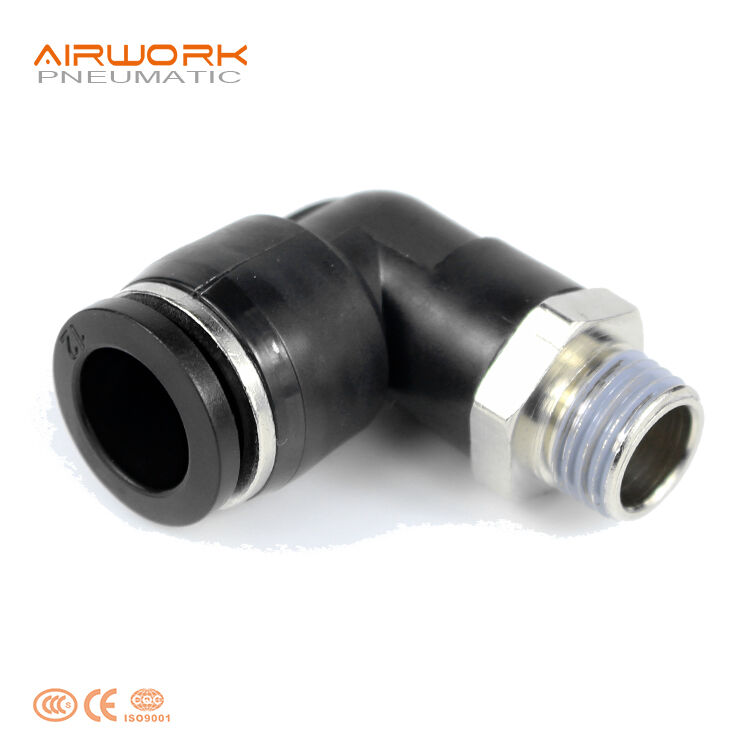
tubi pneumatici ad deligendum
Tubuli pneumatici ad vehicula sunt systema transportis revolutionarium quod aerem compressum utitur ad materiales per rete clausum efficaciter movendas. Haec systemata subtilia operantur creando differentias pressionis intra rete tubulorum, impellentia vectores qui documenta, specimen, aut parva objecta continere possunt ad velocitates mirabiles inter stationes designatas. Technologia principalis innititur pressioni pneumaticae generatae a ventilatoribus et compressoribus specialibus, creans ambientes regulatos ubi vectores cylindrici per vias tubulares sine impedimento navigare possunt. Tubuli pneumatici moderni incorporant systemata controlis provecta quae includunt directionem computatricem, mechanismos automaticos commutandi, et facultates observationis in tempore reale quae certificant exactam advectionem ad destinata loca. Infrastructura typice constat ex tubulis duris ex aluminio vel ex accipitro inox, diametris a quattuor ad sex pollices, strategice positos per aedificia vel fabricas ut multa officia efficaciter coniungant. Terminalia stationum, quae munita sunt unitatibus mittendi et accipiendi, utuntur ut vectores mittantur et accipiantur minimo labore; dum unitates centrales systematis praestantiam observant et fluxum trafici regunt. Haec systemata optime funguntur in locis ubi celeris et securus translatio materiarum temporis-sensitivarum requiritur, ut in laboratoriis medicis, aedificiis hospitalium, bancis, emporiis, et fabricis. Technologia multum evoluta est ab antiquis systematibus mechanicis ut nunc functiones sapientes includat, ut scilicet lectio codicum barum, notatio electronica, programmatio destinati, et integratio cum systematibus administrationis aedificiorum. Mechanismi tutelae in tubulis pneumaticis ad vehicula inclusi sunt technologia molli-terrestris, sensoria detegendi obstacula, et functiones arrestus urgentis quae tam vectores quam materias translatas protegunt. Designatio modularis permittit expansionem et adaptationem systematis secundum peculiares necessitates operationales, faciens tubulos pneumaticos ad vehicula adaptabiles ad varia schemata aedificiorum et formas fluxus operis. Efficiens usus energiae manet consideratio principalis, cum systemata moderna utantur impulsoribus variabilis velocitatis et ratione prudente potestatis ut impensae operationales minuantur dum normae optimae praestantiae serventur.

 EN
EN