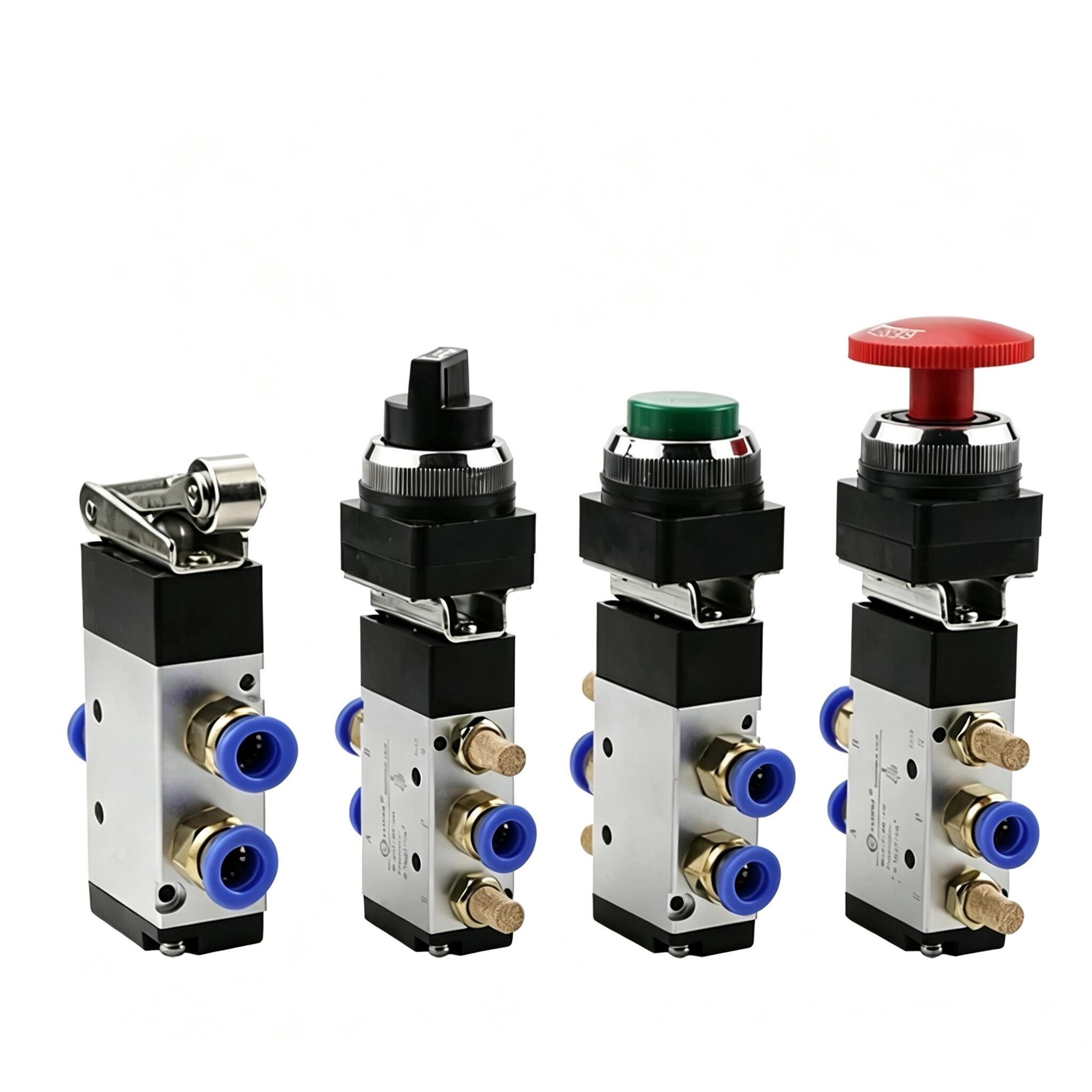
Mechanical Pneumatic Valve: Precision Flow Control Solutions for Industrial Applications

All Categories

mechanical pneumatic valve

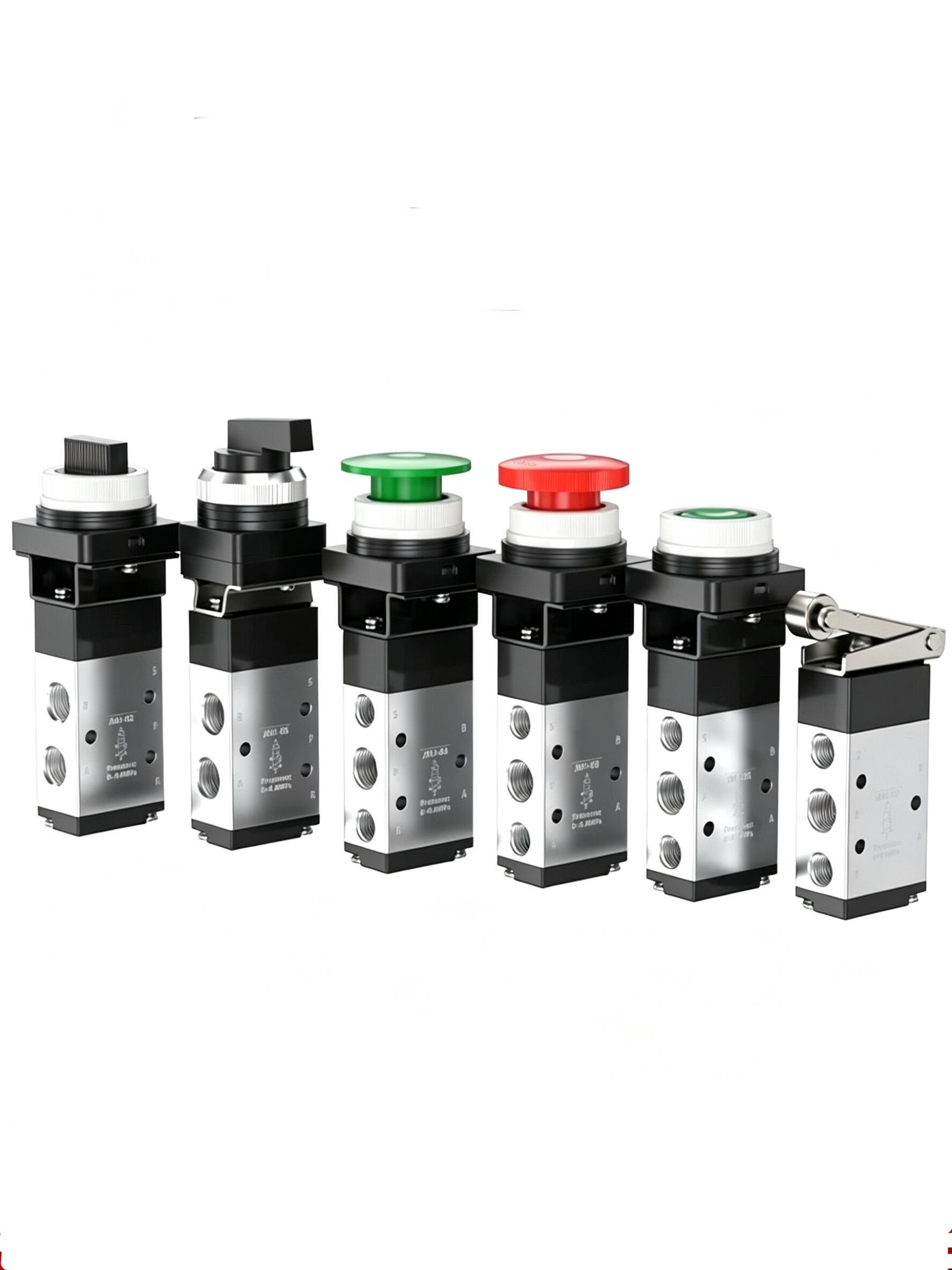
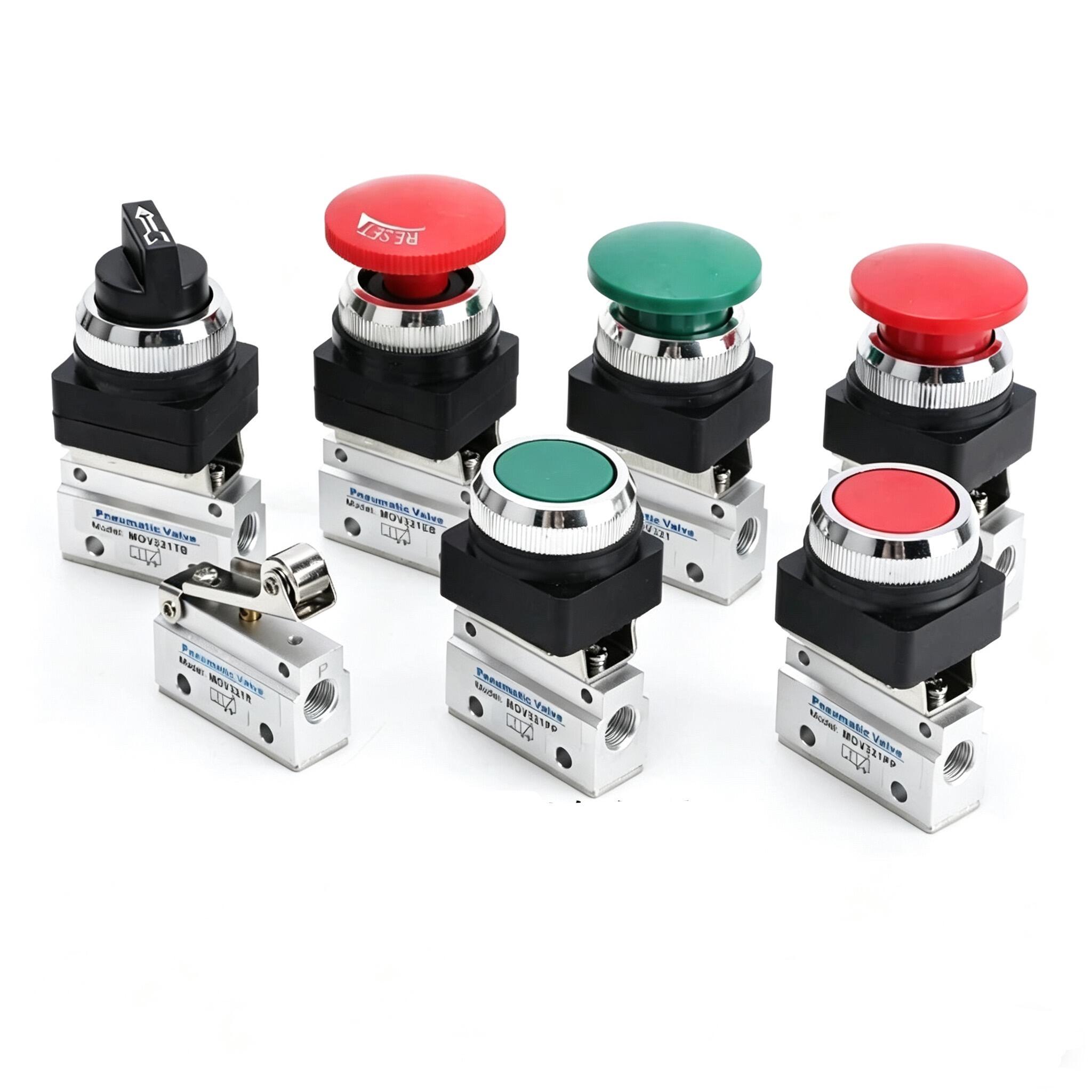
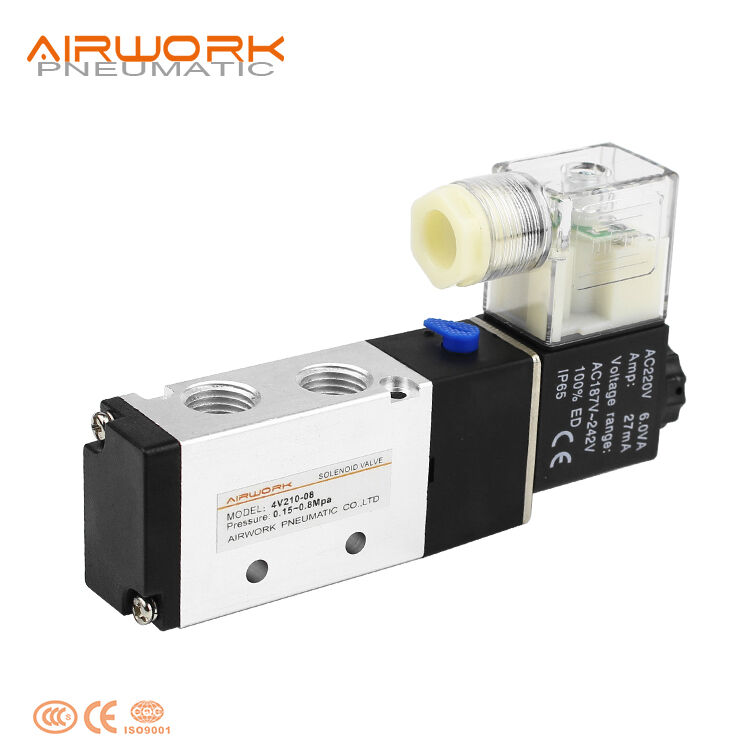
A mechanical pneumatic valve represents a sophisticated control device that harnesses compressed air to regulate the flow of fluids, gases, or other media through industrial piping systems. This innovative component combines mechanical engineering principles with pneumatic technology to deliver precise, reliable, and efficient flow control solutions across diverse industrial applications. The mechanical pneumatic valve operates through a unique mechanism where compressed air actuates the valve's opening and closing functions, eliminating the need for manual operation or electrical power sources in many configurations. The fundamental design incorporates a pneumatic actuator connected to the valve body, creating a seamless integration between air pressure control and mechanical movement. When compressed air enters the actuator chamber, it generates force against a piston or diaphragm, which then translates into linear or rotary motion to operate the valve stem. This mechanism enables operators to achieve precise positioning and consistent performance across varying operational conditions. The mechanical pneumatic valve excels in environments where electrical components might pose safety risks or where remote operation becomes essential for operational efficiency. These valves feature robust construction materials, including stainless steel, carbon steel, or specialized alloys, ensuring longevity and resistance to corrosion, temperature fluctuations, and pressure variations. The pneumatic actuation system provides rapid response times, typically ranging from milliseconds to seconds, depending on the valve size and application requirements. Modern mechanical pneumatic valve designs incorporate advanced sealing technologies, precision-machined components, and sophisticated control interfaces that enhance overall system reliability. The versatility of these valves extends to numerous industrial sectors, including oil and gas processing, chemical manufacturing, water treatment facilities, power generation plants, and automotive production lines. Their ability to handle extreme temperatures, high pressures, and corrosive media makes them indispensable components in critical process control applications where safety, reliability, and performance cannot be compromised.

New Product Recommendations

The mechanical pneumatic valve delivers exceptional operational benefits that directly translate into improved productivity and reduced operational costs for industrial facilities. These valves provide superior reliability compared to electrically operated alternatives, particularly in hazardous environments where electrical sparks could pose significant safety risks. The pneumatic operation eliminates concerns about electrical failures, power outages, or electromagnetic interference, ensuring continuous operation even during challenging conditions. Safety represents a paramount advantage, as the mechanical pneumatic valve design inherently reduces fire and explosion risks in volatile environments such as chemical processing plants or petroleum refineries. The absence of electrical components means these valves can operate safely in explosive atmospheres without requiring costly explosion-proof enclosures or specialized electrical installations. Cost-effectiveness emerges as another significant benefit, as mechanical pneumatic valve systems typically require lower initial investment compared to sophisticated electronic alternatives while maintaining superior performance standards. Maintenance requirements remain minimal due to the robust mechanical construction and fewer moving parts compared to complex electronic systems. The simplicity of pneumatic operation reduces training requirements for maintenance personnel, enabling faster troubleshooting and repair procedures. Energy efficiency becomes apparent through the valve's ability to maintain positions without continuous power consumption, as compressed air systems can hold valve positions indefinitely without additional energy input. The mechanical pneumatic valve responds rapidly to control signals, providing precise flow control that enhances overall process efficiency and product quality. Temperature tolerance represents another crucial advantage, as these valves operate effectively across extreme temperature ranges without performance degradation, unlike electronic components that may fail under thermal stress. The mechanical design ensures consistent performance across varying ambient conditions, including high humidity, dust, and corrosive atmospheres. Versatility in installation configurations allows these valves to adapt to diverse piping systems and operational requirements without extensive modifications. The proven technology behind mechanical pneumatic valve operation provides operators with confidence in long-term reliability and predictable maintenance schedules. These advantages combine to deliver measurable improvements in operational efficiency, safety compliance, and total cost of ownership across industrial applications.

Latest News

Pneumatic fittings used in water

25

Feb

Pneumatic fittings used in water

View More
Basic knowledge of pneumatic air cylinders

25

Feb

Basic knowledge of pneumatic air cylinders

View More
Air Source Treatment Unit:The

25

Feb

Air Source Treatment Unit:The "Guardians" and Core Components of Pneumatic Systems

View More

Get a Free Quote

Our representative will contact you soon.
Email
Name
Company Name
Message
0/1000

mechanical pneumatic valve

Fail-Safe Operation and Emergency Response Capabilities

Fail-Safe Operation and Emergency Response Capabilities

The mechanical pneumatic valve incorporates sophisticated fail-safe mechanisms that ensure optimal safety and operational continuity during emergency situations or system failures. This critical feature distinguishes these valves from other control technologies by providing predetermined responses when air supply interruptions occur or when system parameters exceed safe operating limits. The fail-safe design typically employs spring-return actuators or stored energy systems that automatically position the valve in a predetermined safe state, whether fully open, fully closed, or at a specific intermediate position, depending on the application requirements. This automatic safety response occurs without external intervention or power sources, relying solely on mechanical energy storage and release mechanisms. The engineering behind this fail-safe operation involves precise spring calculations, actuator sizing, and valve torque requirements to ensure reliable performance across the valve's entire service life. The mechanical pneumatic valve's emergency response capabilities extend beyond basic fail-safe positioning to include rapid closure or opening functions that can be activated through pilot valve systems or emergency shutdown circuits. These capabilities prove essential in critical applications such as gas pipeline systems, where rapid isolation may be necessary to prevent environmental damage or safety hazards. The fail-safe mechanism operates independently of control system status, providing an additional layer of protection that complements rather than replaces existing safety systems. The mechanical design ensures that fail-safe operation remains effective even after extended periods of normal operation, as spring mechanisms and stored energy systems do not degrade significantly over time when properly maintained. This reliability becomes particularly valuable in remote installations or unmanned facilities where immediate human intervention may not be possible during emergency conditions. The predetermined fail-safe position can be configured during installation to match specific process safety requirements, allowing engineers to optimize the valve's emergency response for each unique application. The mechanical pneumatic valve's fail-safe capabilities extend the overall safety profile of industrial processes while reducing the complexity and cost associated with external emergency shutdown systems.
Precise Flow Control and Positioning Accuracy

Precise Flow Control and Positioning Accuracy

The mechanical pneumatic valve delivers exceptional precision in flow control applications through advanced actuator technology and sophisticated positioning mechanisms that enable accurate regulation of fluid flow rates, pressures, and system parameters. This precision stems from the linear relationship between pneumatic signal pressure and valve position, creating predictable and repeatable control characteristics that operators can rely upon for consistent process performance. The positioning accuracy typically achieves tolerances within one percent of full scale, enabling fine-tuned control that meets stringent process requirements in applications such as chemical dosing, blending operations, or pressure regulation systems. The mechanical design incorporates precision-machined components, including actuator pistons, valve stems, and sealing surfaces, that minimize internal clearances and eliminate backlash or hysteresis effects that could compromise positioning accuracy. Advanced pneumatic actuator designs feature integrated positioners or feedback systems that continuously monitor valve position and automatically correct for any deviations from the desired setpoint. The mechanical pneumatic valve maintains this positioning accuracy across varying process conditions, including fluctuating temperatures, pressures, and flow rates that might affect other control technologies. The responsiveness of pneumatic actuation enables rapid adjustments to changing process demands, with typical response times measured in fractions of seconds for most industrial applications. This quick response capability allows the mechanical pneumatic valve to participate in advanced control strategies, including cascade control loops, feed-forward compensation, and dynamic process optimization schemes. The precision extends to both incremental positioning adjustments and full-range travel operations, ensuring consistent performance whether making minor trim adjustments or major operational changes. The mechanical design inherently provides smooth, vibration-free operation that prevents process disturbances or product quality variations that might result from erratic valve movement. The positioning accuracy remains stable over extended operational periods, as mechanical wear patterns develop predictably and can be compensated through routine calibration procedures. This long-term stability reduces the need for frequent recalibration and maintains process control quality throughout the valve's service life, contributing to overall operational efficiency and product consistency.
Robust Construction and Environmental Durability

Robust Construction and Environmental Durability

The mechanical pneumatic valve features exceptional construction quality and environmental durability that enables reliable operation in the most demanding industrial conditions, from extreme temperatures and corrosive atmospheres to high-vibration environments and contaminated process media. The robust design philosophy emphasizes material selection, manufacturing precision, and proven engineering principles that have been refined through decades of industrial application and continuous improvement. The valve body construction typically utilizes high-grade materials such as stainless steel, carbon steel, or specialized alloys that resist corrosion, erosion, and thermal stress while maintaining structural integrity under high-pressure conditions. The mechanical components undergo rigorous quality control processes, including precision machining, heat treatment, and surface finishing operations that enhance durability and extend service life. The sealing systems incorporate advanced materials and designs that maintain leak-tight performance across temperature cycles, pressure fluctuations, and exposure to aggressive process chemicals. The pneumatic actuator housing features weather-resistant coatings and seal configurations that protect internal components from moisture, dust, and corrosive atmospheres commonly encountered in industrial environments. The mechanical pneumatic valve design accommodates thermal expansion and contraction through engineering features such as flexible connections, expansion joints, and temperature-compensated sealing arrangements that prevent binding or leakage during thermal cycling. The robust construction extends to the internal components, where hardened surfaces, wear-resistant materials, and optimized geometries minimize maintenance requirements and maximize operational availability. The environmental durability encompasses resistance to vibration, shock, and mechanical stress that may result from piping system dynamics, equipment operation, or external forces. The valve design incorporates safety factors that exceed typical operating conditions, providing reliable performance even during upset conditions or emergency situations. The construction quality ensures consistent performance across the valve's rated service life, typically measured in years or decades depending on the application severity and maintenance practices. The mechanical pneumatic valve maintains its performance characteristics despite exposure to process variables such as entrained solids, temperature excursions, or chemical contamination that might degrade other valve technologies. This durability translates directly into reduced maintenance costs, improved operational reliability, and extended equipment life cycles that enhance the overall return on investment for industrial facilities.

Get a Free Quote

Our representative will contact you soon.
Email
Name
Company Name
Message
0/1000