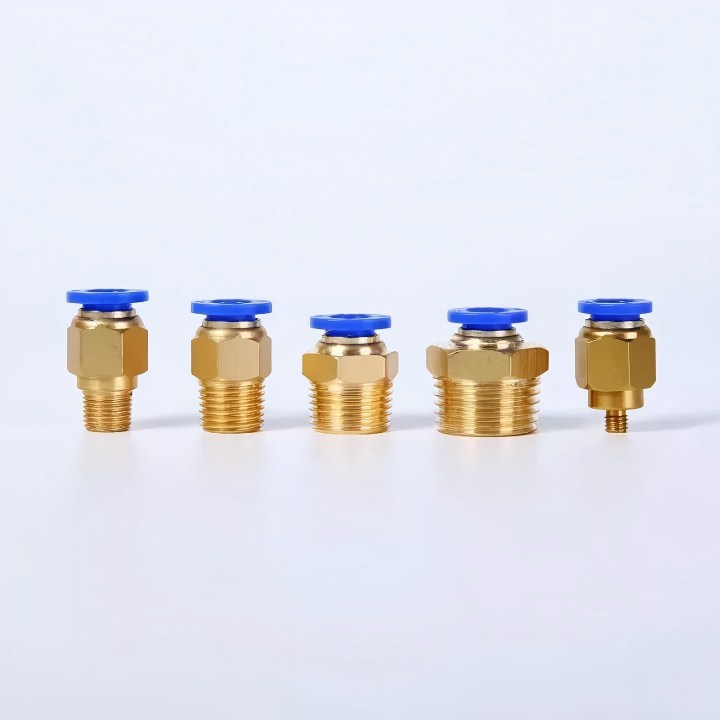
push fit pneumatic fittings
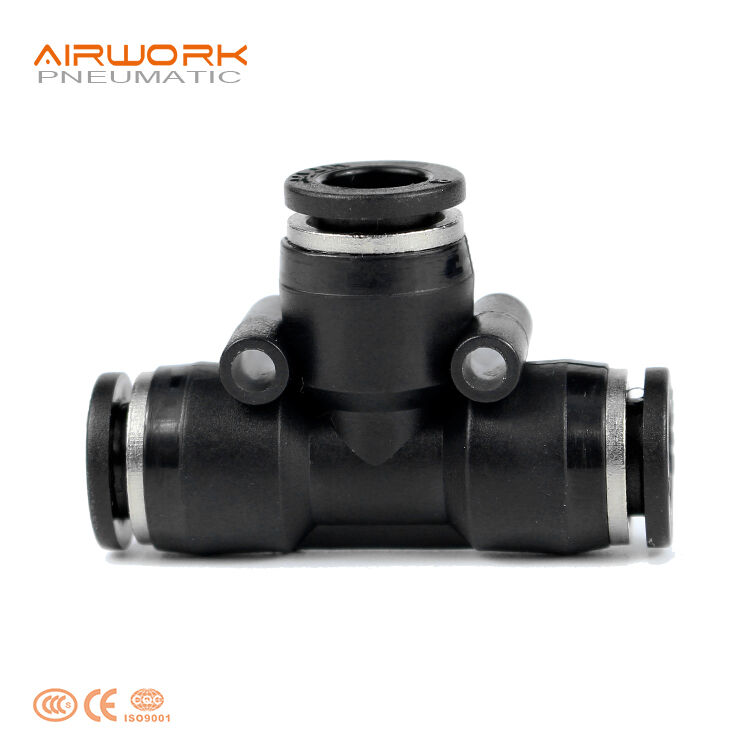
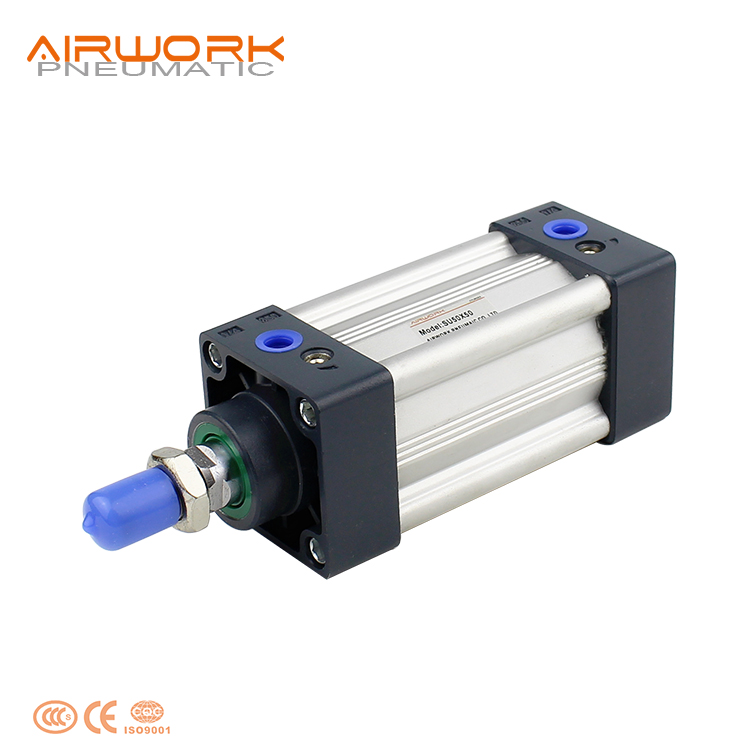
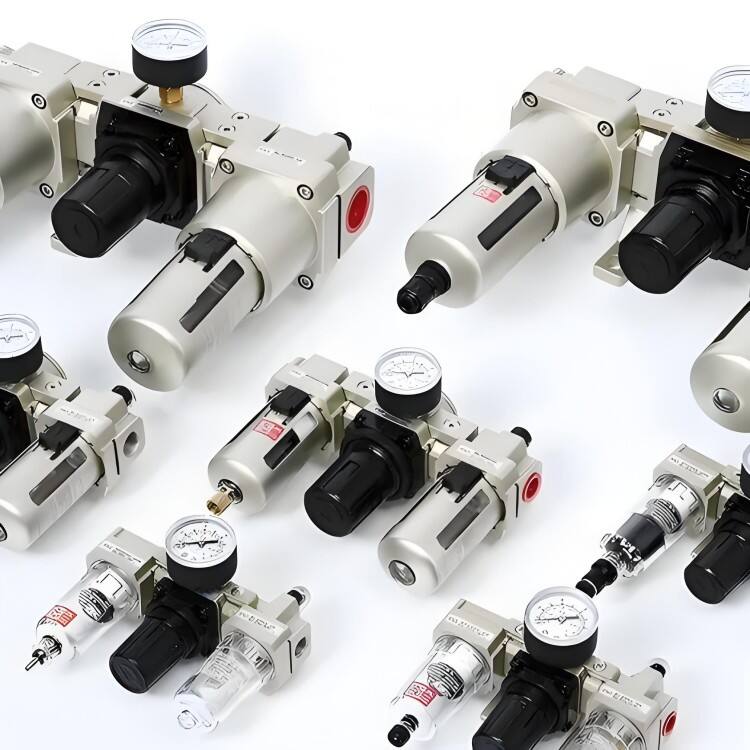
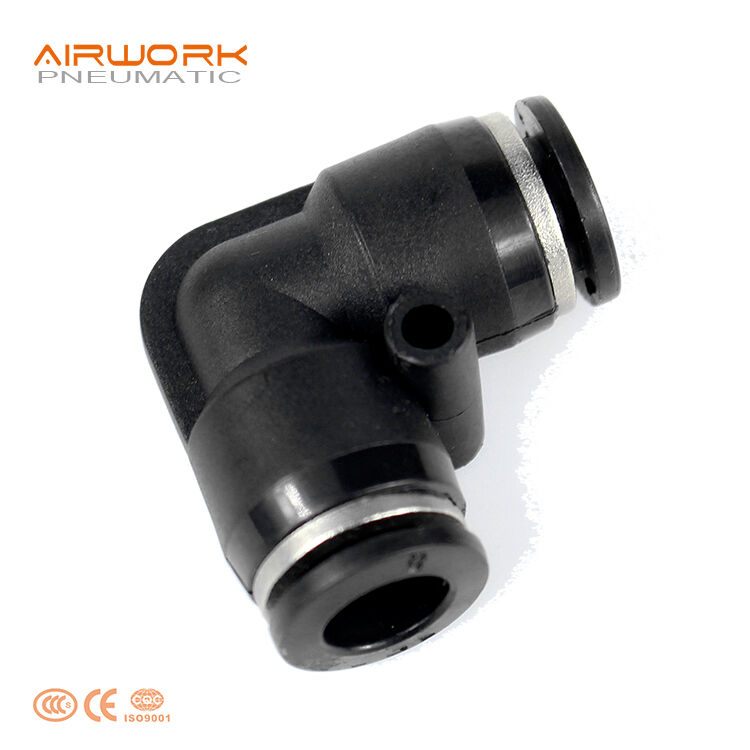
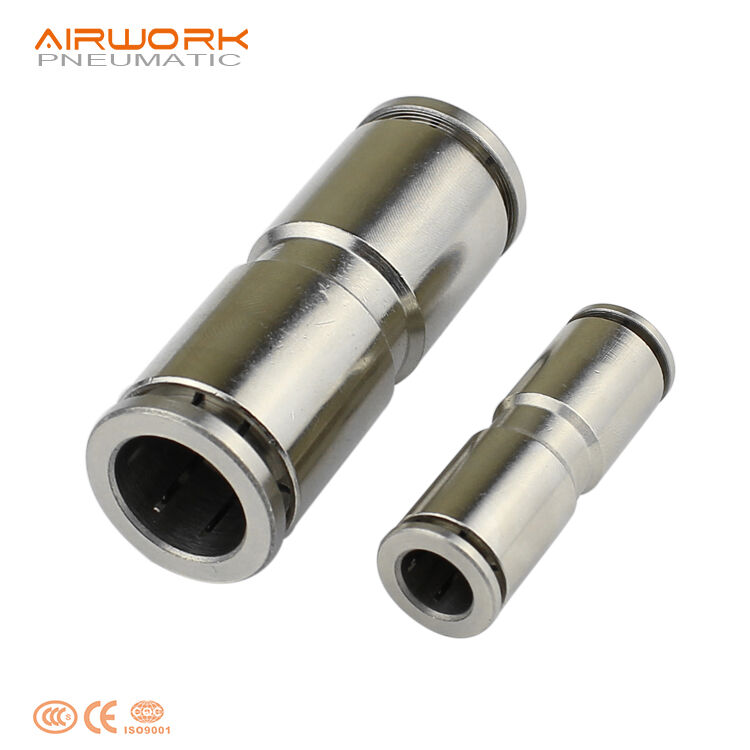
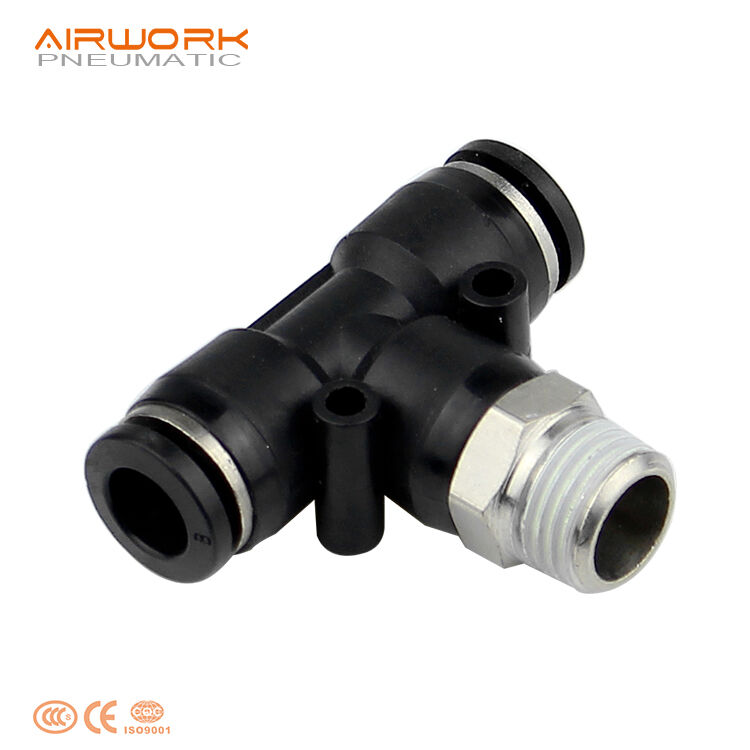
Push fit pneumatic fittings represent a revolutionary advancement in compressed air system connectivity, offering unparalleled convenience and reliability for industrial applications. These innovative components utilize a sophisticated push-to-connect mechanism that eliminates the need for threading, welding, or specialized tools during installation. The core technology behind push fit pneumatic fittings involves precision-engineered gripper rings and O-ring seals that create secure, leak-proof connections when tubing is simply pushed into the fitting body. This design philosophy transforms traditional pneumatic system assembly from a time-consuming, skill-intensive process into a straightforward operation that can be completed by operators with minimal training. The main functions of push fit pneumatic fittings include creating reliable connections between pneumatic tubing, facilitating quick disconnection for maintenance purposes, and maintaining consistent air pressure throughout the system. Technologically, these fittings incorporate advanced materials such as nickel-plated brass bodies for corrosion resistance, high-grade NBR seals for superior sealing performance, and hardened steel gripper teeth for secure tube retention. The internal mechanism features a release collar that, when pressed, allows for easy tube removal without damaging the fitting or tubing material. Push fit pneumatic fittings accommodate various tubing materials including polyurethane, nylon, and polyethylene tubes with diameters ranging from 3mm to 16mm in most standard configurations. Applications span across diverse industries including manufacturing automation, robotics, packaging machinery, food processing equipment, pharmaceutical manufacturing, and automotive assembly lines. These fittings excel in environments requiring frequent system modifications, rapid prototyping, or maintenance accessibility. The versatility of push fit pneumatic fittings makes them indispensable for pneumatic cylinders, air valves, pressure regulators, and compressed air distribution networks where reliability and ease of use are paramount considerations for operational efficiency.

 EN
EN