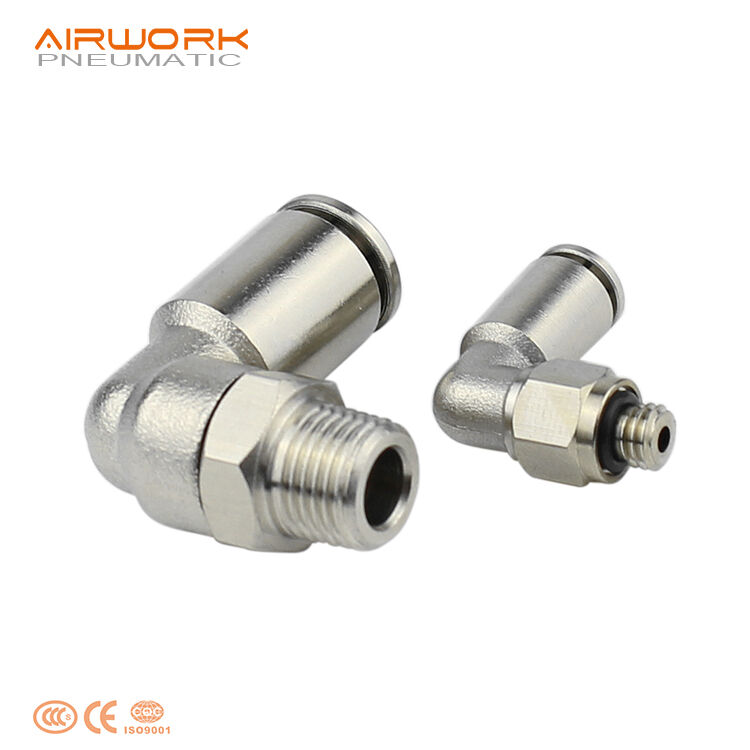
pneumatic fitting elbow
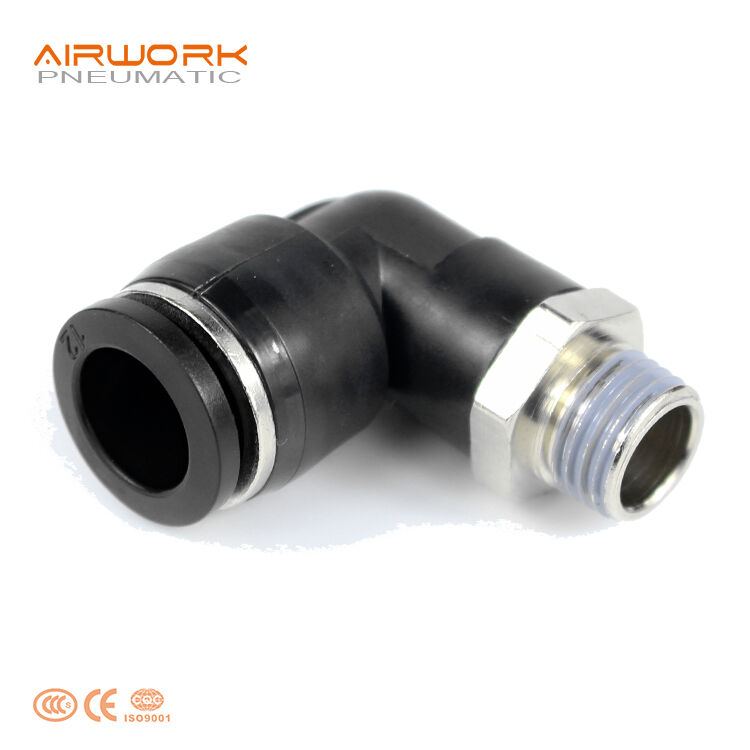
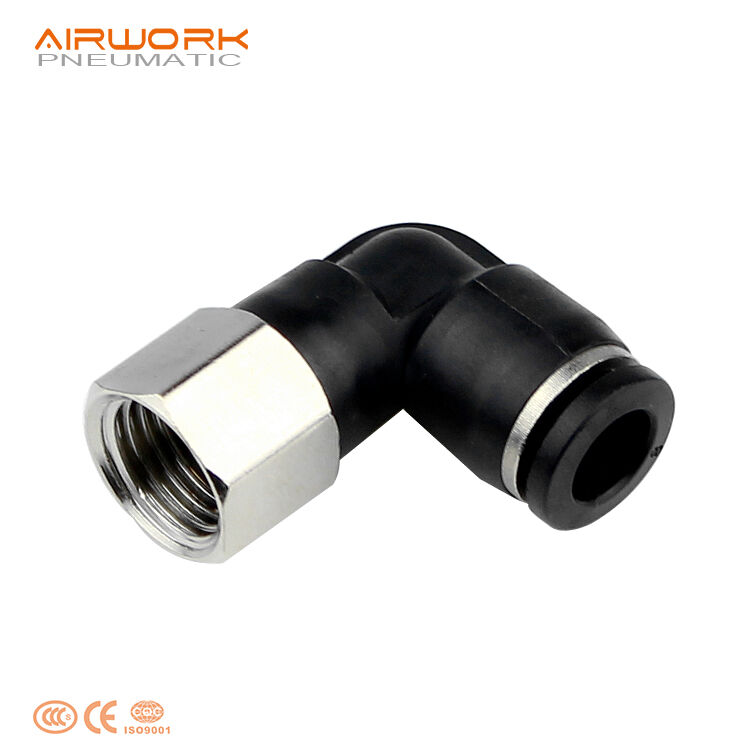
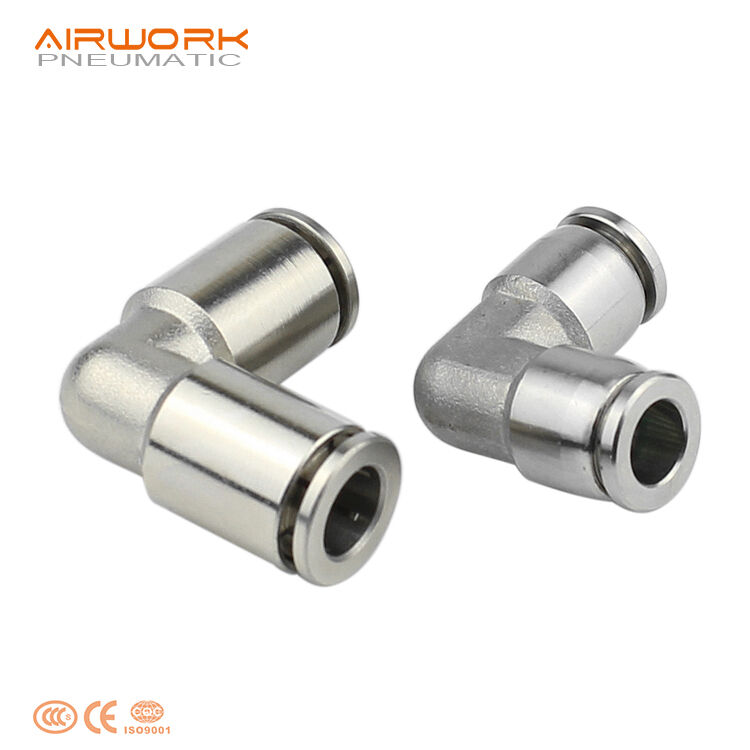
A pneumatic fitting elbow represents a crucial component in compressed air systems, designed to redirect airflow at specific angles while maintaining optimal pressure and flow characteristics. These specialized fittings serve as connection points where pneumatic tubing or hoses need to change direction, typically at 90-degree or 45-degree angles. The pneumatic fitting elbow functions as a bridge between different sections of pneumatic circuits, ensuring seamless air transmission throughout industrial automation systems. Modern pneumatic fitting elbows incorporate advanced engineering principles to minimize pressure drops and turbulence that can occur when air changes direction. The primary function involves creating smooth transitions in pneumatic lines, preventing sharp bends that could restrict airflow or damage flexible tubing. These components feature precision-machined internal passages that guide compressed air efficiently around corners without significant energy loss. Technological features of pneumatic fitting elbows include quick-connect mechanisms that enable rapid installation and removal without tools. Many models incorporate push-to-connect technology, allowing technicians to insert tubing directly into the fitting where internal gripping mechanisms secure the connection. Advanced sealing systems within pneumatic fitting elbows prevent air leaks, utilizing O-rings, gaskets, or integrated sealing surfaces that maintain pressure integrity under varying operating conditions. Materials used in pneumatic fitting elbow construction include brass, stainless steel, aluminum, and high-grade plastics, each selected based on specific application requirements such as temperature resistance, chemical compatibility, and pressure ratings. Applications span across manufacturing automation, robotics, packaging machinery, automotive assembly lines, and medical equipment where precise pneumatic control is essential. The pneumatic fitting elbow enables complex routing configurations in tight spaces, allowing designers to create efficient pneumatic circuits that navigate around obstacles and equipment constraints while maintaining system performance and reliability standards.

 EN
EN