Cylinder Rodless Technology: Advanced Pneumatic Solutions for Space-Efficient Industrial Automation

All Categories

cylinder rodless

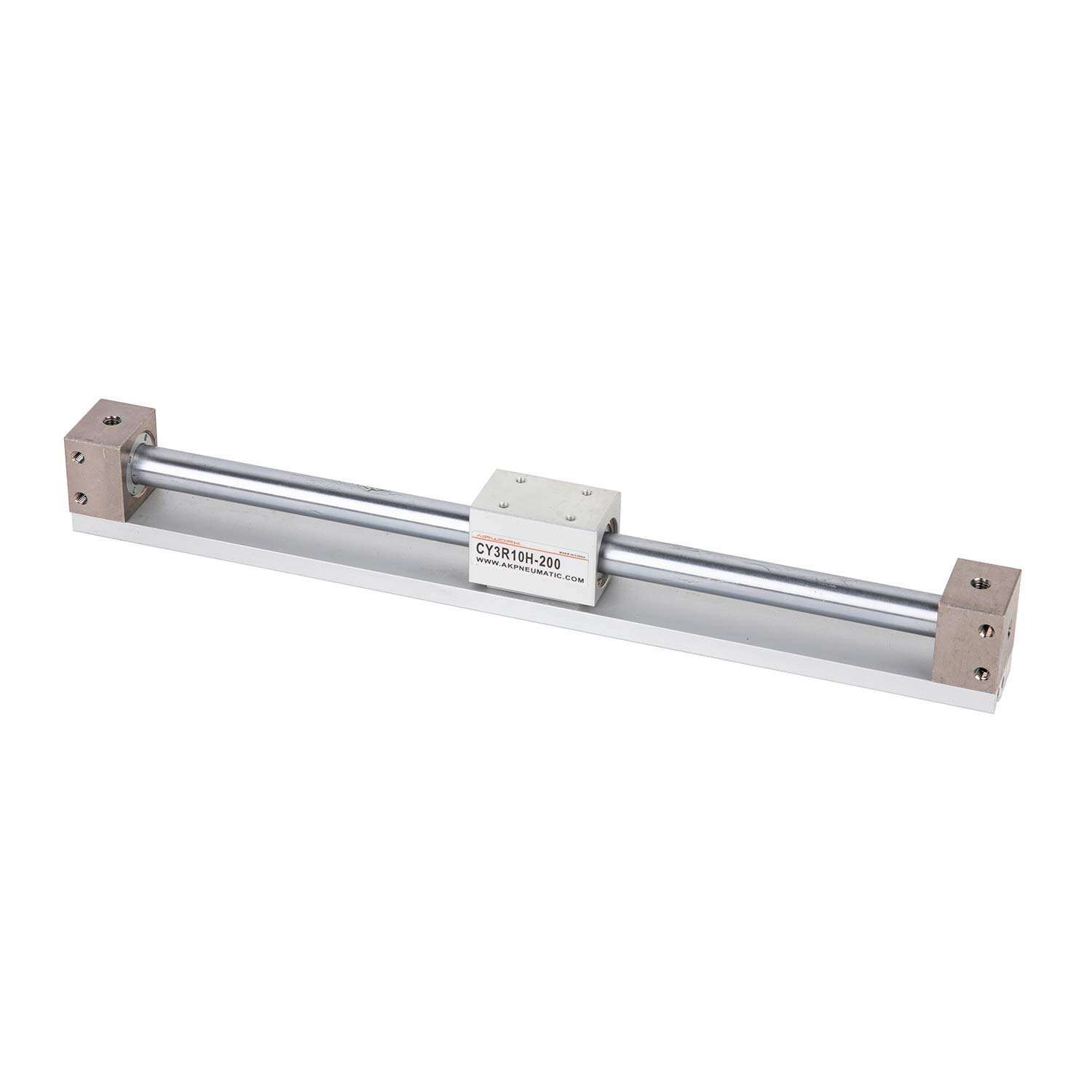
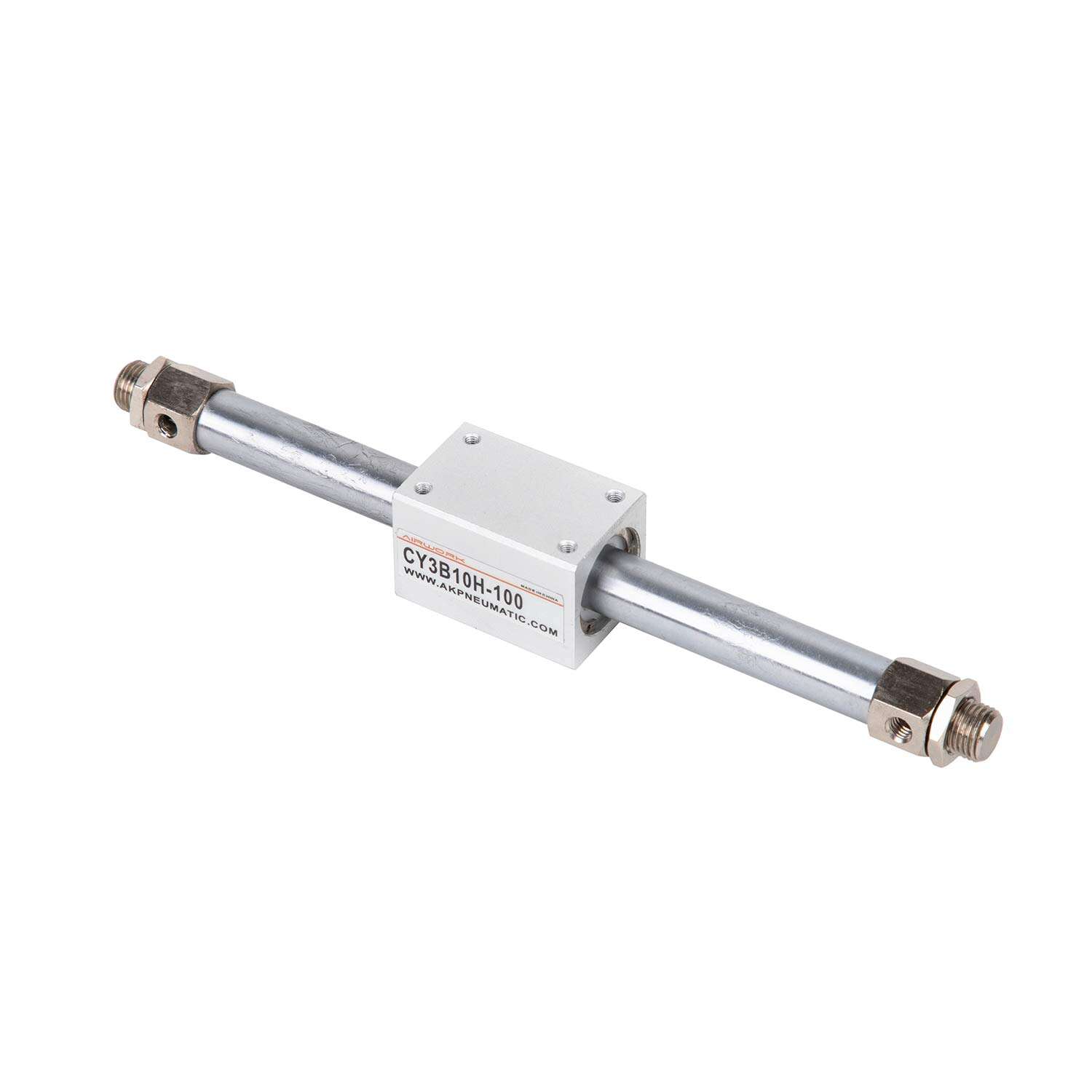
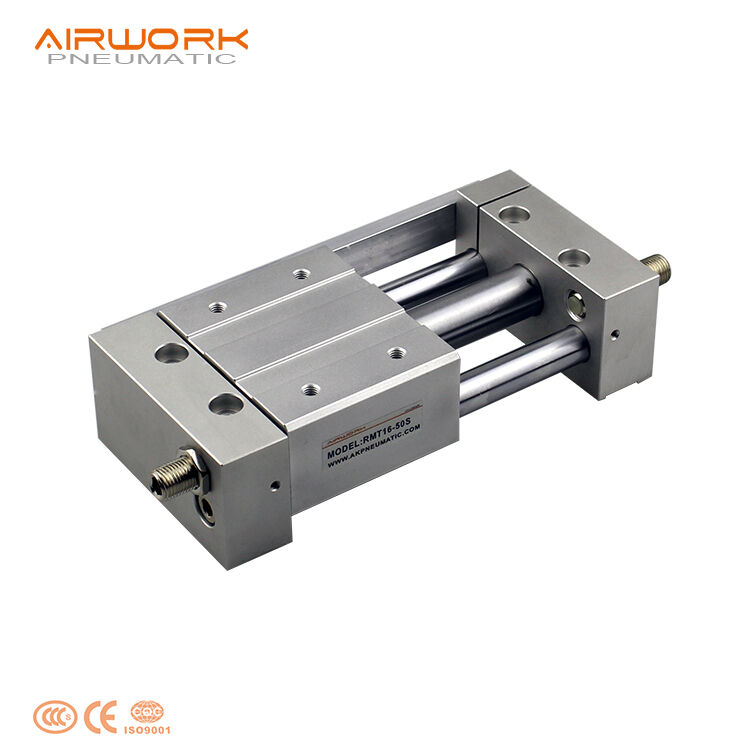
The cylinder rodless represents a revolutionary advancement in pneumatic automation technology, designed to deliver linear motion without the traditional extending rod mechanism found in conventional pneumatic cylinders. This innovative actuator system operates through a unique internal carriage mechanism that travels along a sealed track, providing precise linear movement while maintaining compact dimensions. The cylinder rodless utilizes compressed air to drive an internal piston that connects to an external carriage through magnetic coupling or mechanical slot mechanisms. This design eliminates the need for a protruding rod, making it ideal for applications where space constraints are critical. The technology features advanced sealing systems that ensure reliable operation while maintaining optimal air pressure throughout the stroke length. Modern cylinder rodless units incorporate precision-machined aluminum extrusions with integrated guide rails, ensuring smooth operation and extended service life. The internal mechanism includes specially designed magnetic couplings that transfer force from the internal piston to the external carriage without physical connection, eliminating potential leak points. These systems can achieve stroke lengths ranging from compact 100mm units to extended 6000mm configurations, accommodating diverse industrial requirements. The cylinder rodless operates efficiently across various pressure ranges, typically from 2 to 10 bar, providing consistent force output throughout the entire stroke. Advanced models feature integrated position sensors and feedback systems, enabling precise position control and monitoring capabilities. The modular construction allows for easy maintenance and component replacement, reducing downtime and operational costs. Temperature resistance characteristics enable operation in environments ranging from -20°C to +80°C, making these units suitable for demanding industrial applications. The cylinder rodless technology continues to evolve with smart connectivity features, including digital interfaces for Industry 4.0 integration and remote monitoring capabilities.

New Products

The cylinder rodless offers significant space-saving benefits that make it superior to traditional pneumatic cylinders in confined installations. Unlike conventional cylinders that require additional clearance for rod extension, the cylinder rodless maintains constant external dimensions throughout its operation cycle. This compact design allows engineers to create more efficient machine layouts and reduces overall equipment footprint. The absence of an extending rod eliminates concerns about rod buckling under load, enabling applications requiring long stroke lengths without structural support requirements. Manufacturing facilities benefit from increased floor space utilization when implementing cylinder rodless technology in automated production lines. The sealed design provides enhanced contamination resistance compared to traditional rod-style cylinders, making it ideal for clean room environments and food processing applications. Maintenance requirements are substantially reduced because the cylinder rodless eliminates rod seal wear, a common failure point in conventional pneumatic systems. This translates to lower replacement part costs and reduced scheduled maintenance intervals. The magnetic coupling system in many cylinder rodless designs prevents mechanical wear between internal and external components, extending operational lifespan significantly. Installation flexibility increases dramatically because the cylinder rodless can be mounted in any orientation without affecting performance or reliability. The integrated guide system eliminates the need for external linear bearings or guide rods, simplifying system design and reducing component count. Speed capabilities often exceed traditional cylinders because the cylinder rodless design reduces moving mass and eliminates rod deflection issues. Force transmission remains consistent throughout the entire stroke length, unlike conventional cylinders that may experience force variations due to rod flexing. The cylinder rodless design supports multiple carriages on a single actuator, enabling synchronized multi-point operations that would require multiple conventional cylinders. Energy efficiency improves because the optimized internal airflow design reduces compressed air consumption compared to equivalent traditional cylinder systems. Digital integration capabilities built into modern cylinder rodless units provide real-time performance monitoring and predictive maintenance insights, helping facilities optimize their automation systems and prevent unexpected downtime.

Tips And Tricks

Pneumatic fittings used in water

25

Feb

Pneumatic fittings used in water

View More
Basic knowledge of pneumatic air cylinders

25

Feb

Basic knowledge of pneumatic air cylinders

View More
Air Source Treatment Unit:The

25

Feb

Air Source Treatment Unit:The "Guardians" and Core Components of Pneumatic Systems

View More

Get a Free Quote

Our representative will contact you soon.
Email
Name
Company Name
Message
0/1000

cylinder rodless

Magnetic Coupling Technology

Magnetic Coupling Technology

The magnetic coupling system in cylinder rodless technology represents a breakthrough in pneumatic actuator design, eliminating physical connections between internal pistons and external carriages. This innovative approach uses powerful permanent magnets arranged in opposing configurations to transfer force through the cylinder wall without creating additional seal points. The magnetic coupling ensures zero air leakage while maintaining precise force transmission throughout the entire stroke length. Engineering teams benefit from this technology because it eliminates the primary failure mode of traditional pneumatic cylinders - rod seal deterioration. The magnetic system operates through carefully calculated magnetic field strengths that provide consistent coupling force across varying loads and operating conditions. Manufacturing precision in magnet placement and cylinder wall thickness ensures optimal magnetic coupling efficiency while maintaining structural integrity under high-pressure operations. The cylinder rodless magnetic coupling system resists contamination effects that commonly plague mechanical coupling mechanisms, making it ideal for harsh industrial environments. Temperature stability of modern rare-earth magnets used in cylinder rodless designs ensures consistent performance across wide operating temperature ranges. The non-contact force transmission eliminates mechanical wear between coupling components, dramatically extending service intervals and reducing maintenance costs. Quality control measures in cylinder rodless manufacturing include magnetic field strength verification and coupling force testing under various load conditions. The magnetic coupling design allows for easy carriage replacement without cylinder disassembly, enabling quick maintenance and reducing system downtime. Advanced cylinder rodless models incorporate magnetic coupling strength monitoring to provide early warning of potential performance degradation. The sealed magnetic coupling system prevents lubricant loss and contamination ingress, maintaining optimal internal conditions throughout the cylinder's operational life. Installation advantages include elimination of coupling alignment procedures required with mechanical systems, simplifying setup and reducing installation time. The magnetic coupling technology in cylinder rodless systems enables precise position holding without compressed air consumption, improving overall energy efficiency in automated systems.
Extended Stroke Capabilities

Extended Stroke Capabilities

The cylinder rodless design excels in applications requiring extended stroke lengths that would be impractical or impossible with conventional rod-type cylinders. Traditional pneumatic cylinders face significant limitations due to rod buckling and deflection when stroke lengths exceed certain thresholds, but cylinder rodless technology eliminates these constraints entirely. The absence of an extending rod means that stroke lengths can reach several meters without structural support requirements or performance degradation. Manufacturing applications benefit tremendously from this extended stroke capability, particularly in material handling systems, automated storage solutions, and large-scale assembly operations. The cylinder rodless maintains consistent speed and force characteristics throughout extremely long strokes, unlike conventional cylinders that may experience performance variations due to rod weight and deflection. Engineering calculations for cylinder rodless installations are simplified because designers no longer need to account for rod support structures or buckling factors. The internal carriage system distributes loads evenly across the cylinder body, enabling reliable operation even with extended stroke lengths under substantial loads. Quality assurance in cylinder rodless manufacturing includes extensive stroke length testing to verify performance consistency from minimum to maximum extension points. The guide system integrated into cylinder rodless designs provides superior lateral load resistance compared to conventional cylinders, especially important in long-stroke applications where side loading is common. Installation flexibility increases significantly with extended stroke cylinder rodless units because mounting points can be positioned optimally without considering rod extension clearances. The sealed design maintains internal lubrication throughout extended strokes, ensuring smooth operation and preventing premature wear that might occur in long conventional cylinders. Maintenance scheduling for extended stroke cylinder rodless systems often involves longer intervals between service requirements compared to equivalent conventional cylinder installations. The cylinder rodless technology enables synchronized operation of multiple carriages on extended stroke lengths, creating complex motion profiles impossible with traditional cylinder arrangements. Cost effectiveness improves with extended stroke cylinder rodless applications because single units can replace multiple shorter conventional cylinders, reducing system complexity and maintenance requirements.
Compact Installation Design

Compact Installation Design

The cylinder rodless delivers unmatched installation efficiency through its compact design that eliminates the space penalties associated with traditional extending rod cylinders. Manufacturing facilities face increasing pressure to maximize production capacity within limited floor space, making the cylinder rodless an essential solution for modern automation challenges. The constant external dimensions throughout the operating cycle allow engineers to position equipment closer together, dramatically improving production line density and workflow efficiency. Unlike conventional cylinders that require clearance zones for rod extension, the cylinder rodless enables tight integration into existing machinery without modification or relocation of surrounding equipment. The streamlined profile reduces collision risks in automated systems where multiple moving components operate in proximity, enhancing overall system safety and reliability. Installation planning becomes significantly simpler because engineers can focus on optimizing process flow without accommodating rod extension requirements that limit conventional cylinder placement options. The cylinder rodless design supports multiple mounting configurations including overhead, vertical, and inverted installations without performance compromise, providing exceptional design flexibility. Space utilization improvements often reach 40-50% compared to equivalent conventional cylinder installations, translating to substantial cost savings in facility expansion and equipment layout optimization. The integrated guide system in cylinder rodless technology eliminates external guide rod requirements, further reducing installation space and component count. Retrofit applications particularly benefit from cylinder rodless compact design because existing machine frames rarely need modification to accommodate the streamlined actuator profile. The sealed construction prevents contamination accumulation that might occur with exposed rod systems, reducing cleaning requirements and maintaining consistent performance in tight installation spaces. Maintenance access improves dramatically because service technicians can reach cylinder rodless components without creating additional clearance zones required for conventional cylinder rod maintenance. The compact installation design enables creative automation solutions such as nested actuator arrangements and multi-axis systems that would be impossible with traditional extending rod cylinders. Quality manufacturing standards ensure that cylinder rodless units maintain precise dimensional tolerances essential for tight integration applications, supporting reliable operation in space-constrained installations.

Get a Free Quote

Our representative will contact you soon.
Email
Name
Company Name
Message
0/1000