Electric Actuated Cylinders - Precision Automation Solutions for Industrial Applications

All Categories

electric actuated cylinder

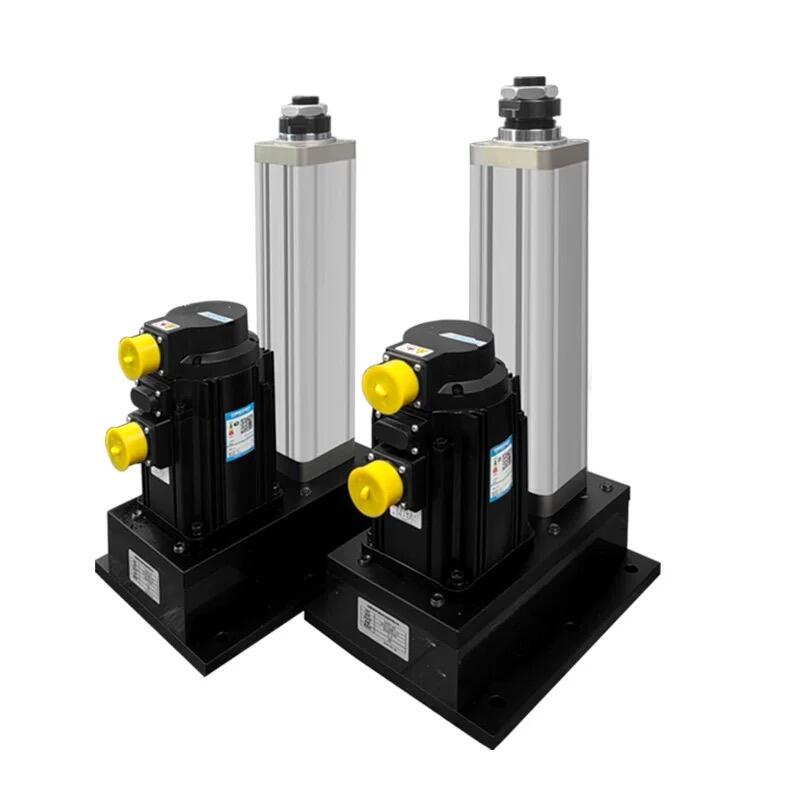
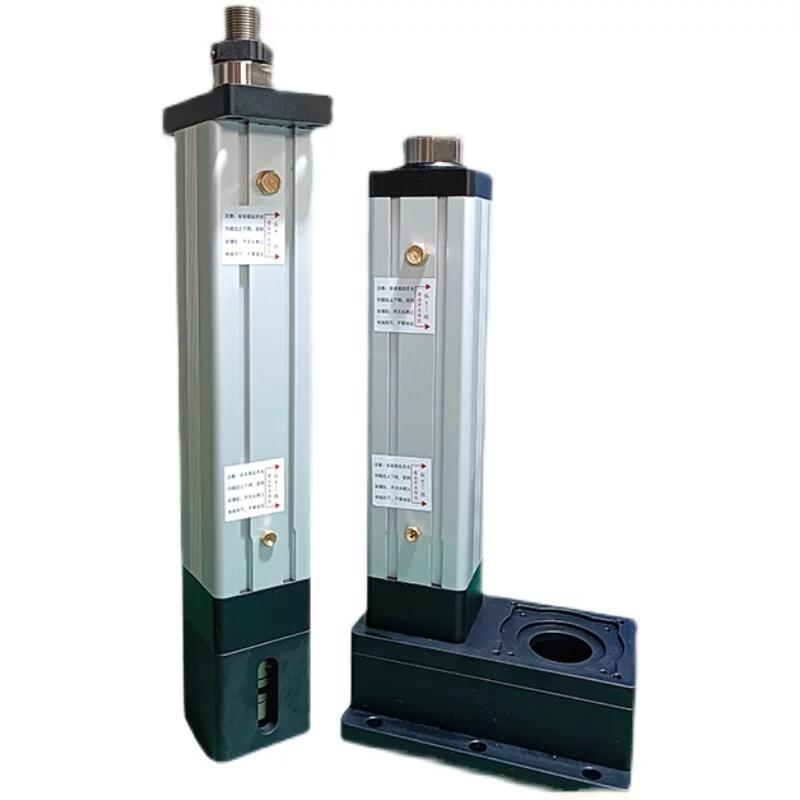
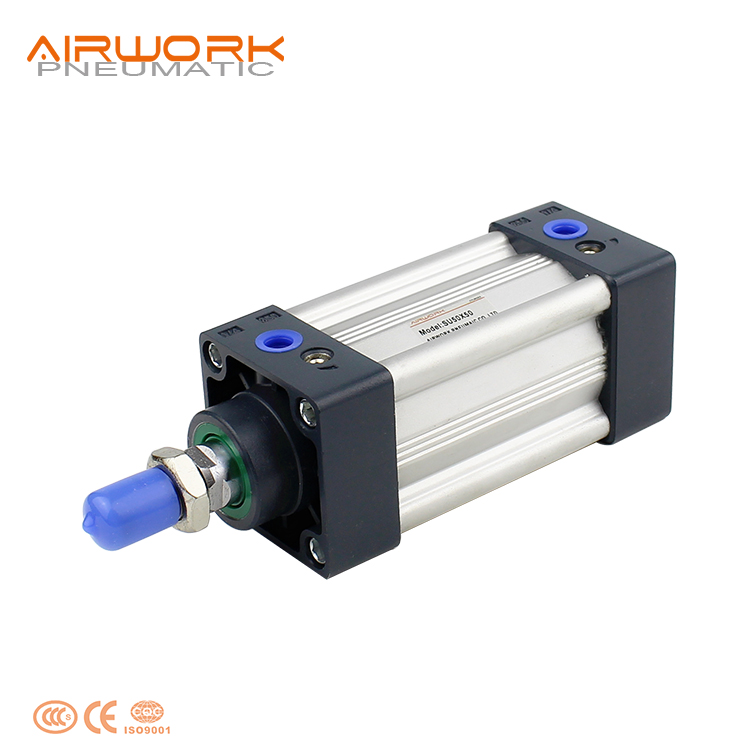
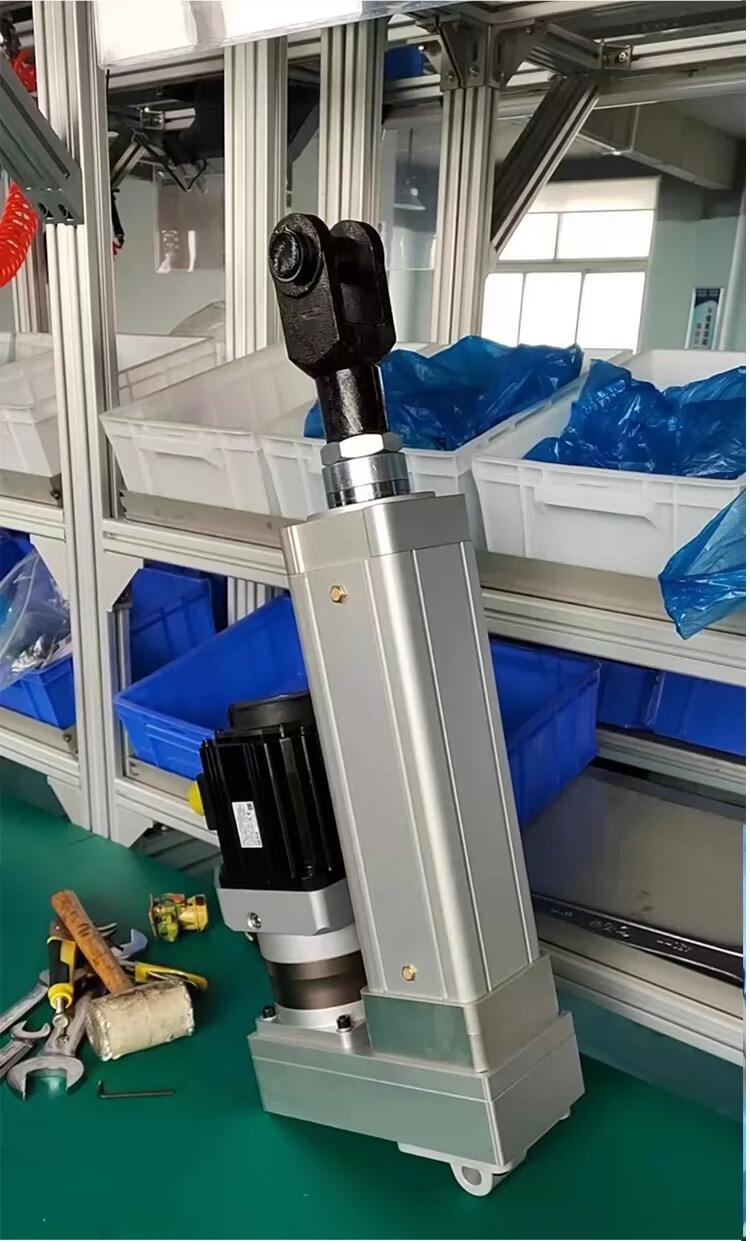
The electric actuated cylinder represents a sophisticated automation solution that transforms electrical energy into precise linear motion. This advanced mechanical device combines the reliability of traditional cylinders with the precision and control capabilities of modern electrical systems. At its core, the electric actuated cylinder utilizes an electric motor, typically a servo or stepper motor, connected to a ball screw or lead screw mechanism that converts rotational motion into linear displacement. The system operates through electronic control signals, allowing for exact positioning, variable speed control, and programmable motion profiles. Key technological features include integrated feedback systems such as encoders or potentiometers that provide real-time position information, enabling closed-loop control for exceptional accuracy. Modern electric actuated cylinder designs incorporate advanced materials and manufacturing techniques, resulting in compact form factors with high force-to-size ratios. The electrical control interface allows seamless integration with PLCs, industrial computers, and distributed control systems through various communication protocols including Ethernet, CAN bus, and fieldbus networks. These cylinders feature adjustable acceleration and deceleration profiles, enabling smooth operation and reduced mechanical stress. Built-in safety features include overload protection, emergency stop functionality, and position monitoring to prevent equipment damage. Applications span across numerous industries including automotive manufacturing for assembly line operations, packaging machinery for precise product positioning, medical equipment for patient positioning systems, aerospace for flight control surfaces, and semiconductor manufacturing for wafer handling. The electric actuated cylinder excels in applications requiring precise positioning, repeatable movements, programmable stroke lengths, and integration with sophisticated control systems. Food and beverage processing facilities utilize these devices for sanitary operations, while pharmaceutical companies rely on their precision for dosing and filling applications.

Popular Products

Electric actuated cylinders deliver exceptional precision that surpasses traditional pneumatic and hydraulic alternatives, making them ideal for applications demanding exact positioning and repeatable performance. The integrated feedback systems provide position accuracy within micrometers, ensuring consistent quality in manufacturing processes. This precision translates directly into improved product quality and reduced waste, delivering significant cost savings over time. Energy efficiency represents another major advantage, as electric actuated cylinders consume power only during movement, unlike pneumatic systems that require constant air pressure or hydraulic systems with continuous pump operation. This efficiency reduces operational costs and supports sustainability initiatives. The programmable nature of electric actuated cylinders enables customization of motion profiles, allowing engineers to optimize speed, acceleration, and positioning for specific applications. Users can easily adjust parameters through software interfaces without mechanical modifications, providing flexibility that traditional systems cannot match. Maintenance requirements are substantially lower compared to pneumatic and hydraulic alternatives. Electric actuated cylinders eliminate the need for air compressors, filters, lubricators, hydraulic pumps, and fluid management systems. This reduction in auxiliary equipment decreases maintenance schedules, minimizes downtime, and lowers total cost of ownership. The clean operation of electric actuated cylinders makes them particularly suitable for food processing, pharmaceutical, and cleanroom environments where contamination must be avoided. Unlike hydraulic systems that risk fluid leaks or pneumatic systems that may introduce particles, electric systems operate without such contamination risks. Integration capabilities are superior with electric actuated cylinders, as they communicate directly with modern control systems through digital interfaces. This connectivity enables remote monitoring, diagnostic capabilities, and predictive maintenance scheduling. The ability to network multiple cylinders creates coordinated motion systems for complex automation tasks. Force control is precise and adjustable, allowing applications to apply exact pressure or handle delicate materials without damage. The responsive control enables immediate adjustments to changing conditions, improving process reliability. Noise levels are significantly lower than pneumatic alternatives, creating better working environments and enabling operation in noise-sensitive applications. The compact design of electric actuated cylinders saves valuable floor space while delivering high performance, making them ideal for modern manufacturing facilities where space optimization is crucial.

Practical Tips

Pneumatic fittings used in water

25

Feb

Pneumatic fittings used in water

View More
Basic knowledge of pneumatic air cylinders

25

Feb

Basic knowledge of pneumatic air cylinders

View More
Air Source Treatment Unit:The

25

Feb

Air Source Treatment Unit:The "Guardians" and Core Components of Pneumatic Systems

View More

Get a Free Quote

Our representative will contact you soon.
Email
Name
Company Name
Message
0/1000

electric actuated cylinder

Unmatched Precision and Control for Critical Applications

Unmatched Precision and Control for Critical Applications

The electric actuated cylinder delivers unprecedented precision that revolutionizes industrial automation processes. Unlike conventional pneumatic or hydraulic systems that rely on fluid pressure and are subject to variations, temperature fluctuations, and compressibility issues, the electric actuated cylinder utilizes advanced servo motor technology combined with precision ball screw mechanisms to achieve positioning accuracy within micrometers. This exceptional precision stems from the integration of high-resolution encoders and sophisticated control algorithms that continuously monitor and adjust cylinder position in real-time. The closed-loop feedback system ensures that the electric actuated cylinder maintains exact positioning even under varying load conditions or external disturbances. This capability is particularly valuable in applications such as semiconductor manufacturing, where wafer positioning must be precise to nanometer levels, or in medical device assembly where component alignment directly affects patient safety. The programmable control features allow operators to define custom motion profiles, including variable speed curves, acceleration ramps, and deceleration patterns that optimize both performance and mechanical longevity. Advanced electric actuated cylinder systems can store multiple positioning programs, enabling quick changeover between different product configurations without manual recalibration. The precision extends beyond simple positioning to include force control, where the cylinder can apply exact pressure levels for applications such as press-fitting, testing procedures, or delicate material handling. This force feedback capability prevents over-compression of sensitive materials while ensuring adequate pressure for secure connections. The repeatability of electric actuated cylinders exceeds traditional systems by orders of magnitude, with position repeatability often better than ±0.01mm across millions of cycles. This consistency eliminates the need for frequent recalibration and reduces quality control costs. The smooth motion characteristics of electric actuated cylinders, achieved through advanced motor control algorithms, minimize vibration and mechanical shock, extending the life of both the cylinder and connected equipment while improving overall system performance.
Superior Energy Efficiency and Environmental Benefits

Superior Energy Efficiency and Environmental Benefits

The electric actuated cylinder represents a paradigm shift toward sustainable industrial automation through its exceptional energy efficiency and environmental advantages. Traditional pneumatic systems continuously consume compressed air, requiring constant operation of energy-intensive compressors even when cylinders are stationary, while hydraulic systems maintain pressure through continuously running pumps that generate heat and consume significant electrical power. In contrast, the electric actuated cylinder consumes energy only during actual movement, achieving energy savings of 60-80% compared to pneumatic alternatives and 40-60% compared to hydraulic systems. This efficiency improvement translates into substantial cost reductions over the equipment lifecycle, with many installations achieving return on investment within 12-18 months solely through energy savings. The regenerative braking capability of modern electric actuated cylinders captures energy during deceleration phases, feeding power back to the electrical system and further improving overall efficiency. This feature is particularly beneficial in applications with frequent cycling or heavy loads where significant kinetic energy can be recovered. Environmental benefits extend beyond energy consumption to include elimination of compressed air leakage, which typically results in 20-30% energy waste in pneumatic systems, and hydraulic fluid disposal concerns. The electric actuated cylinder operates without consumable fluids, eliminating the environmental impact and costs associated with hydraulic oil changes, disposal, and potential leak remediation. The clean operation makes electric actuated cylinders ideal for food processing, pharmaceutical, and medical device manufacturing where environmental contamination must be prevented. Carbon footprint reduction is significant, as the improved energy efficiency directly correlates to reduced greenhouse gas emissions from power generation. Many electric actuated cylinder installations contribute to corporate sustainability goals and may qualify for energy efficiency incentives or green building certifications. The longevity of electric actuated cylinders, often exceeding 10 million cycles with minimal maintenance, reduces material consumption and waste generation compared to systems requiring frequent component replacement. Smart power management features allow electric actuated cylinders to enter low-power standby modes during idle periods, further reducing energy consumption while maintaining position holding capability through mechanical locking mechanisms.
Advanced Integration and Industry 4.0 Connectivity

Advanced Integration and Industry 4.0 Connectivity

The electric actuated cylinder serves as a cornerstone of modern Industry 4.0 initiatives, offering unprecedented connectivity and integration capabilities that transform traditional manufacturing processes into intelligent, data-driven operations. Built-in communication interfaces including Ethernet/IP, Profinet, DeviceNet, and CAN bus protocols enable seamless integration with enterprise resource planning systems, manufacturing execution systems, and cloud-based analytics platforms. This connectivity allows the electric actuated cylinder to participate in comprehensive factory automation networks where real-time data exchange optimizes production efficiency and quality control. Advanced diagnostic capabilities continuously monitor cylinder performance parameters including position accuracy, motor current, temperature, and cycle counts, transmitting this information to central monitoring systems for predictive maintenance scheduling. The electric actuated cylinder can detect anomalies such as increased friction, bearing wear, or alignment issues before they result in equipment failure, enabling proactive maintenance that minimizes unplanned downtime. Remote access capabilities allow technicians to monitor and adjust cylinder parameters from anywhere in the world, reducing service costs and enabling rapid response to operational issues. The programmable nature of electric actuated cylinders facilitates rapid product changeovers through software configuration rather than mechanical adjustments, supporting flexible manufacturing strategies and mass customization initiatives. Multi-axis coordination enables synchronized motion control across multiple electric actuated cylinders, creating complex automation sequences for assembly, packaging, and material handling applications. The integration extends to quality control systems where cylinder position data correlates with measurement results to identify process variations and automatically adjust parameters to maintain product specifications. Machine learning algorithms can analyze historical performance data from electric actuated cylinders to optimize motion profiles, reduce cycle times, and extend equipment life. The standardized communication protocols ensure compatibility with existing factory automation infrastructure while providing scalability for future expansion. Security features including encrypted communication and user authentication protect industrial networks from cyber threats while maintaining operational efficiency. The electric actuated cylinder supports both centralized and distributed control architectures, adapting to various manufacturing philosophies and system requirements while providing consistent performance and reliability across diverse industrial applications.

Get a Free Quote

Our representative will contact you soon.
Email
Name
Company Name
Message
0/1000