Pneumatic Automation Components: Advanced Industrial Solutions for Safe, Efficient Manufacturing

All Categories

pneumatic automation components

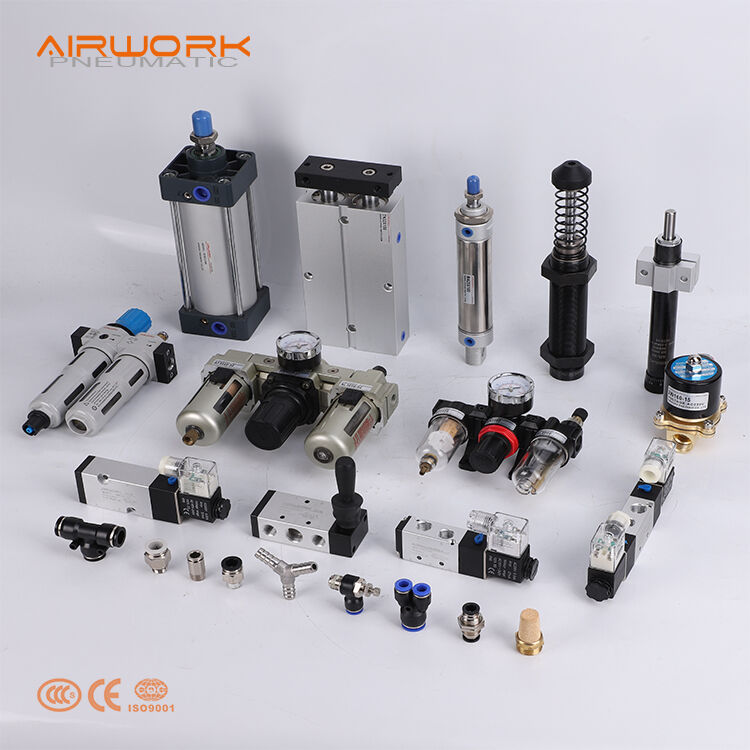
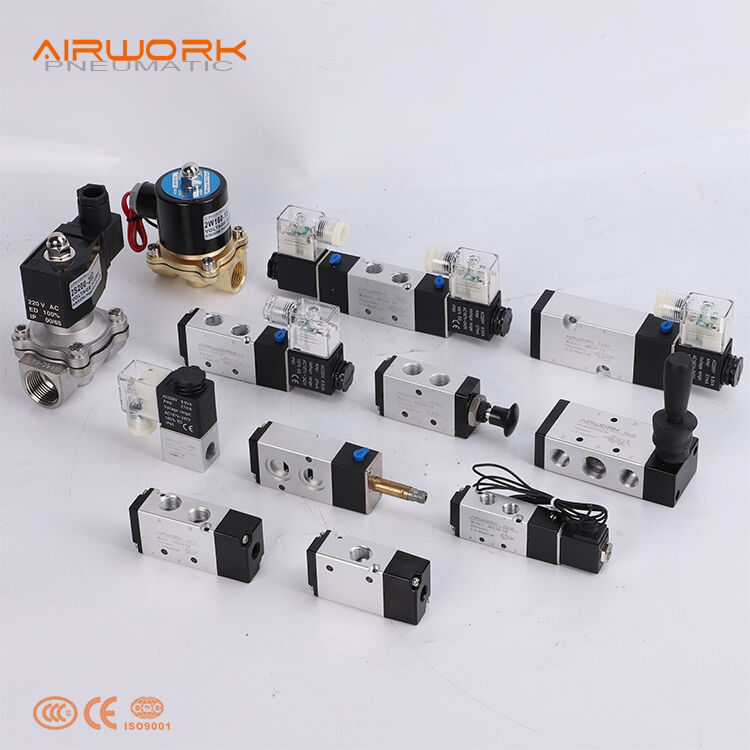
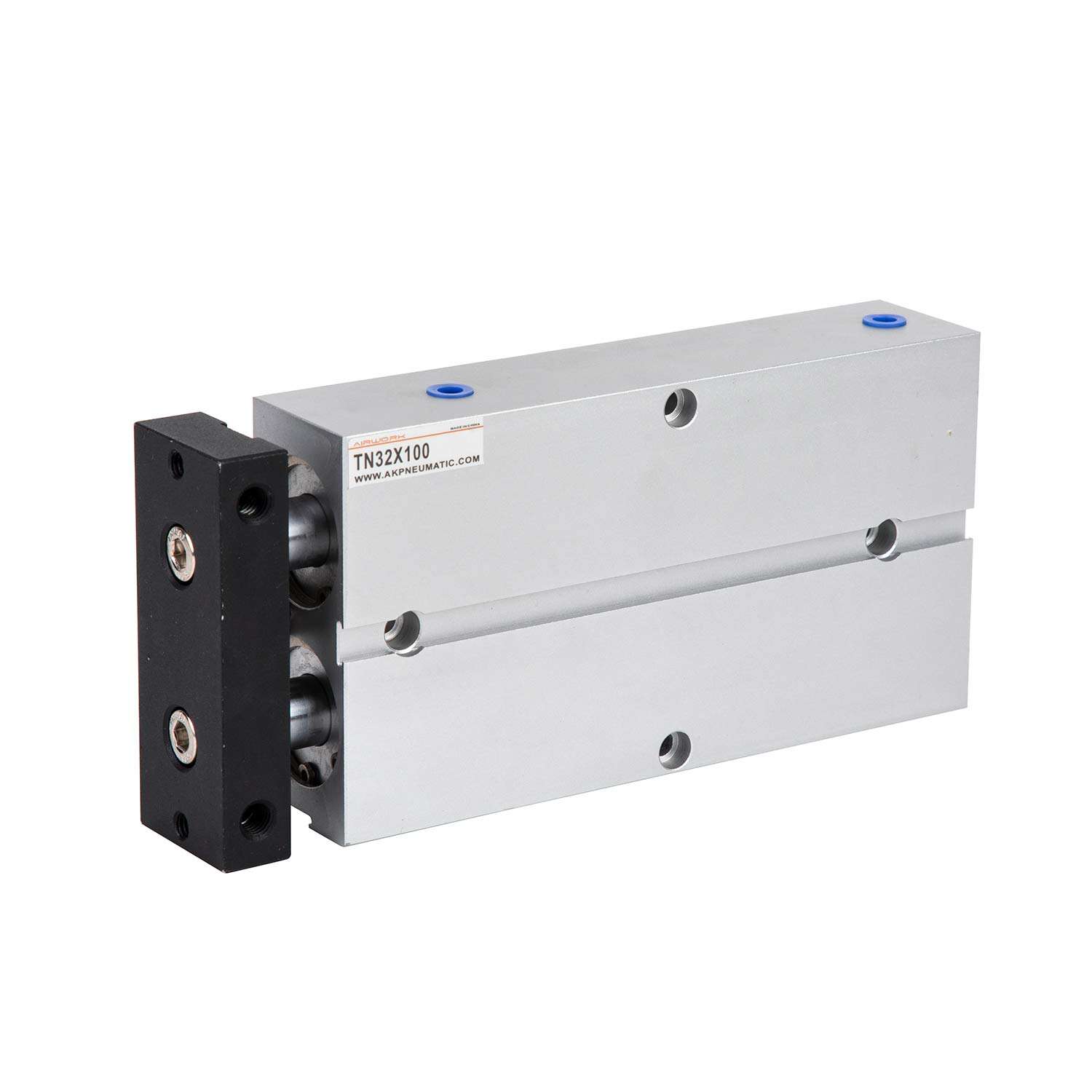
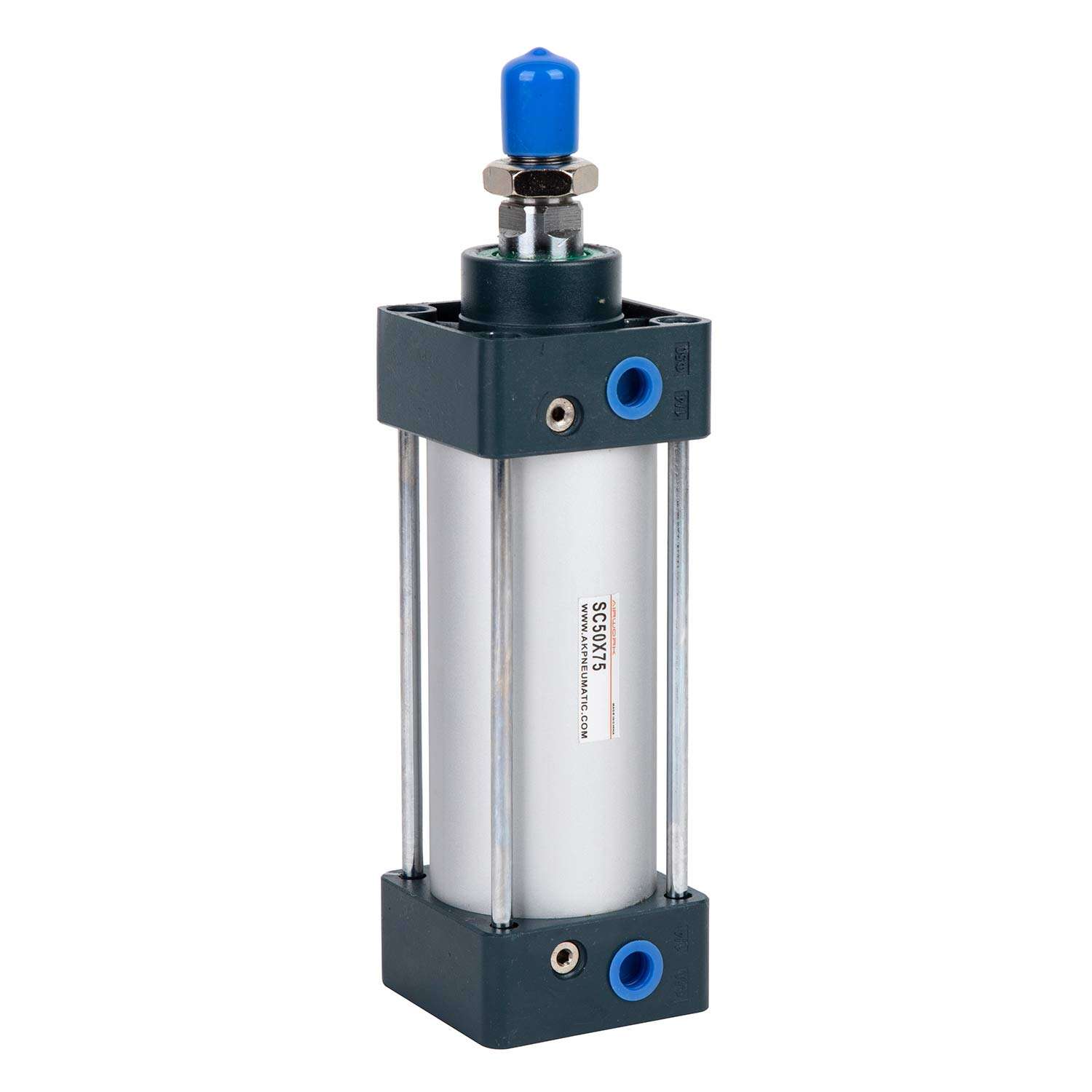
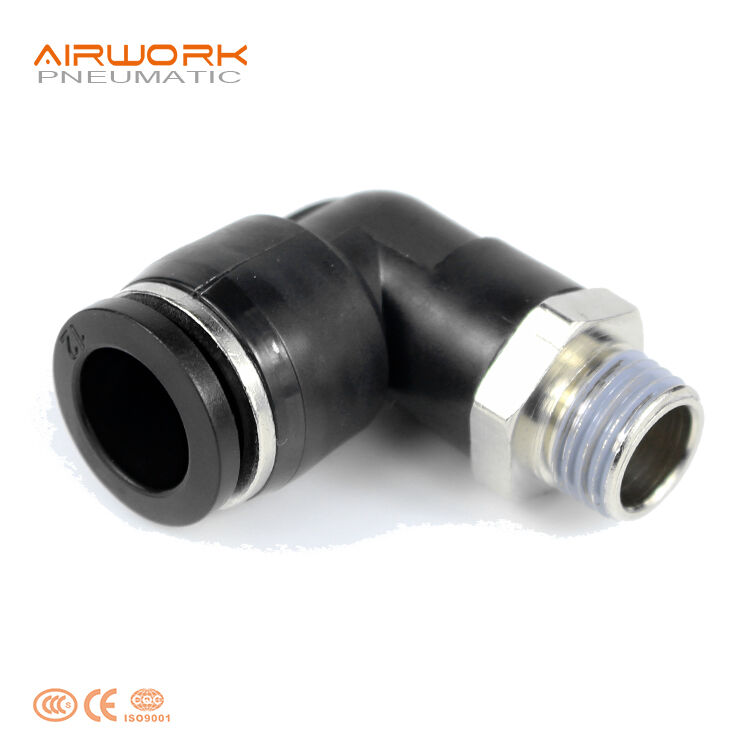
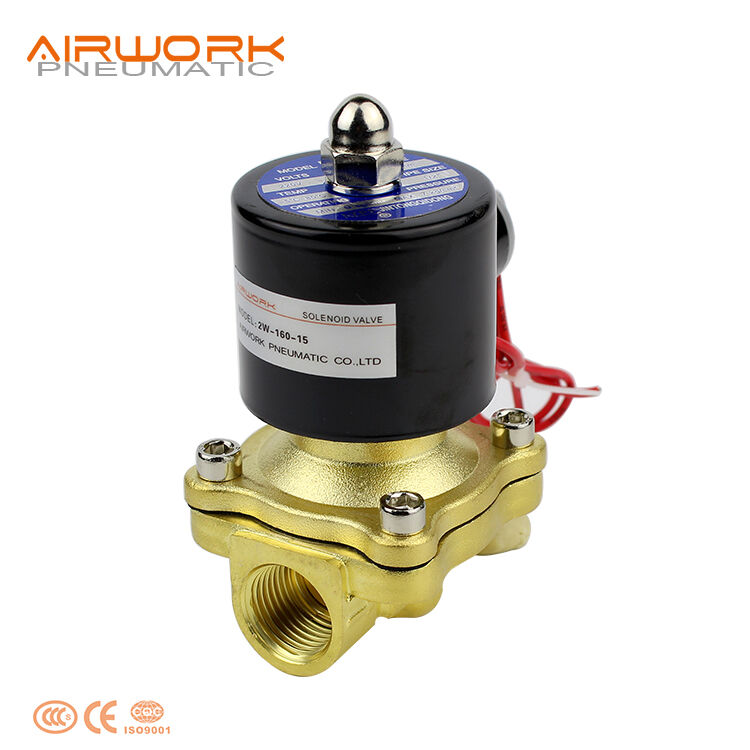
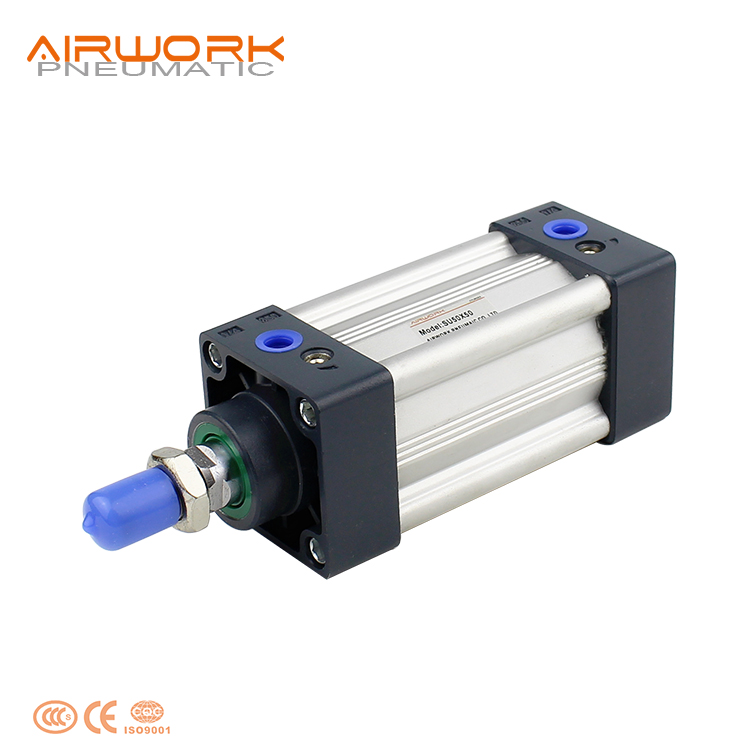
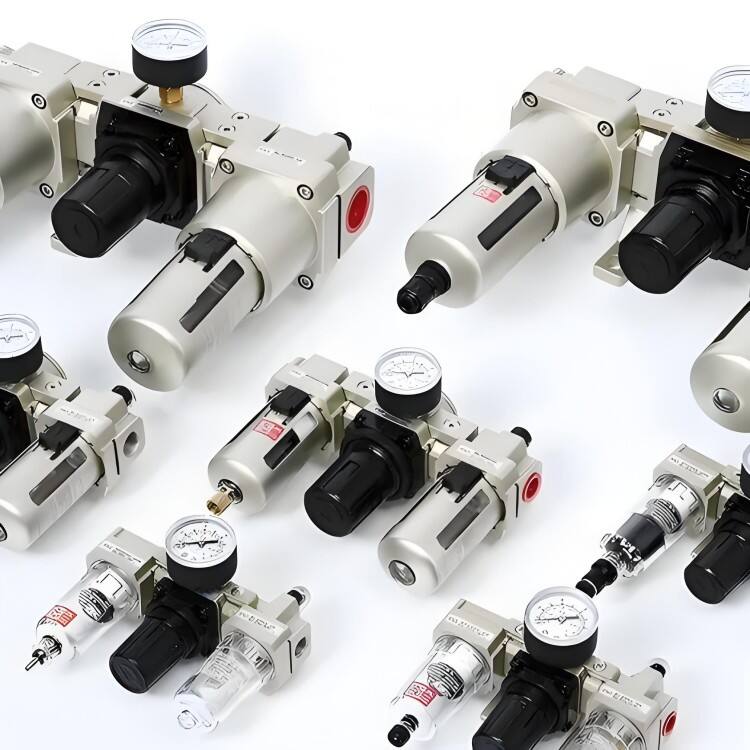
Pneumatic automation components represent the backbone of modern industrial systems, utilizing compressed air to power and control various mechanical processes across diverse manufacturing environments. These sophisticated systems convert compressed air energy into linear or rotary motion, enabling precise control of machinery, robotics, and production equipment. The fundamental principle behind pneumatic automation components involves using pressurized air to actuate cylinders, valves, motors, and other control devices that execute specific tasks within automated production lines. At their core, these components include actuators, directional control valves, pressure regulators, flow control valves, air preparation units, and pneumatic cylinders that work together seamlessly. The technological features of pneumatic automation components encompass rapid response times, exceptional reliability, and the ability to generate substantial force while maintaining precise positioning accuracy. Modern pneumatic systems integrate advanced sensors, programmable logic controllers, and digital communication protocols that enable real-time monitoring and adjustment of operational parameters. These components excel in environments where electrical systems might pose safety risks, particularly in explosive or wet conditions where traditional electric motors could create hazardous situations. The applications of pneumatic automation components span numerous industries including automotive manufacturing, food processing, pharmaceutical production, packaging machinery, textile manufacturing, and material handling systems. In automotive plants, these components power assembly line robots, paint booth equipment, and quality control testing apparatus. Food processing facilities rely on pneumatic automation components for filling operations, conveyor systems, and packaging machinery where cleanliness standards prohibit oil-based hydraulic systems. Pharmaceutical manufacturers utilize these components in tablet pressing machines, capsule filling equipment, and sterile packaging systems. The versatility of pneumatic automation components makes them indispensable for creating efficient, safe, and cost-effective automation solutions that enhance productivity while maintaining operational flexibility across various industrial sectors.

New Product Releases

Pneumatic automation components deliver significant advantages that make them the preferred choice for countless industrial applications worldwide. The primary benefit lies in their exceptional safety profile, as compressed air presents no fire hazards or toxic risks, making these components ideal for explosive environments, food processing facilities, and areas where worker safety remains paramount. Unlike hydraulic systems that use potentially hazardous oils, pneumatic automation components operate with clean, dry air that poses no environmental contamination risks if leaks occur. The cost-effectiveness of these systems becomes immediately apparent through their simple installation requirements and minimal maintenance needs, as pneumatic automation components typically require only basic air supply connections and periodic filter changes rather than complex hydraulic fluid management systems. Speed and responsiveness represent another crucial advantage, with pneumatic automation components achieving rapid acceleration and deceleration cycles that enhance overall production efficiency. These components can execute thousands of cycles per hour while maintaining consistent performance levels, directly contributing to increased throughput and reduced production costs. The durability and longevity of pneumatic automation components provide exceptional return on investment, as these robust systems withstand harsh industrial conditions including temperature extremes, vibration, and contamination exposure that would quickly damage alternative technologies. Flexibility in design and application allows engineers to easily modify pneumatic automation components for different tasks, enabling quick changeovers between product lines and adaptable manufacturing processes. The simplicity of pneumatic automation components translates into reduced training requirements for maintenance personnel, as technicians can quickly learn troubleshooting and repair procedures without extensive specialized education. Energy efficiency represents another significant benefit, particularly in applications requiring intermittent operation where pneumatic automation components consume power only during active cycles rather than maintaining constant energy draw. The precise control capabilities enable manufacturers to achieve consistent product quality while reducing waste and rework costs. Additionally, the clean operation of pneumatic automation components makes them essential for industries with strict hygiene requirements, where contamination from hydraulic fluids or electrical sparks could compromise product integrity and regulatory compliance.

Latest News

Pneumatic fittings used in water

25

Feb

Pneumatic fittings used in water

View More
Basic knowledge of pneumatic air cylinders

25

Feb

Basic knowledge of pneumatic air cylinders

View More
Air Source Treatment Unit:The

25

Feb

Air Source Treatment Unit:The "Guardians" and Core Components of Pneumatic Systems

View More

Get a Free Quote

Our representative will contact you soon.
Email
Name
Company Name
Message
0/1000

pneumatic automation components

Unmatched Safety and Environmental Compatibility

Unmatched Safety and Environmental Compatibility

The safety advantages of pneumatic automation components establish them as the gold standard for industrial applications where worker protection and environmental responsibility take priority. Unlike hydraulic systems that rely on potentially hazardous fluids under extreme pressure, pneumatic automation components utilize compressed air as their power medium, eliminating risks associated with toxic chemical exposure, fire hazards, and environmental contamination. This fundamental characteristic makes pneumatic automation components indispensable in explosive atmospheres, food processing facilities, pharmaceutical manufacturing, and chemical plants where traditional electrical or hydraulic systems could create catastrophic safety situations. The inherent safety of compressed air means that system leaks, which inevitably occur in any pressurized system, pose no threat to workers or the environment. This contrasts sharply with hydraulic fluid leaks that can create slip hazards, require expensive cleanup procedures, and potentially contaminate groundwater or soil. Pneumatic automation components also eliminate electrical shock risks in wet environments, making them ideal for washdown applications common in food processing and pharmaceutical manufacturing. The absence of sparking components in pneumatic systems provides crucial safety benefits in environments with flammable gases, dusts, or vapors, where electrical equipment requires expensive explosion-proof enclosures and specialized installation procedures. Regulatory compliance becomes significantly easier when using pneumatic automation components, as these systems naturally meet many safety standards without requiring additional protective measures. The clean operation characteristics enable manufacturers to maintain sterile environments essential for medical device production, biotechnology applications, and cleanroom manufacturing processes. Furthermore, the fail-safe nature of many pneumatic automation components means that loss of air pressure results in predictable, safe system shutdown rather than unpredictable failures that could endanger personnel or damage equipment. This reliability factor proves especially critical in applications involving human-machine interaction, where unexpected equipment behavior could result in serious injuries.
Superior Cost-Effectiveness and Operational Efficiency

Superior Cost-Effectiveness and Operational Efficiency

The economic advantages of pneumatic automation components extend far beyond initial purchase price, delivering substantial long-term value through reduced operating costs, simplified maintenance requirements, and enhanced productivity. The installation simplicity of pneumatic automation components significantly reduces project costs, as these systems require only compressed air supply lines and basic electrical connections for control signals, eliminating the complex infrastructure needed for hydraulic systems including reservoirs, pumps, filters, and return lines. This streamlined installation approach reduces both material costs and labor hours, enabling faster project completion and earlier production startup. Maintenance costs remain minimal throughout the lifecycle of pneumatic automation components, as routine service typically involves only air filter replacement and occasional lubrication, contrasting dramatically with hydraulic systems that require regular fluid changes, seal replacements, and contamination monitoring. The reliability of pneumatic automation components translates directly into reduced downtime costs, as these robust systems continue operating consistently under demanding conditions that would sideline more delicate alternatives. Energy efficiency provides ongoing operational savings, particularly in applications with intermittent duty cycles where pneumatic automation components consume power only during active periods rather than maintaining constant energy draw like hydraulic pumps. The rapid cycling capability of pneumatic automation components enables manufacturers to achieve higher production rates, directly impacting profitability through increased throughput and improved equipment utilization. Flexibility advantages allow single pneumatic automation components to serve multiple functions through simple control modifications, reducing inventory requirements and spare parts costs while enabling quick adaptation to changing production needs. The standardization of pneumatic automation components across industries creates economies of scale that keep replacement parts readily available and competitively priced, while the widespread familiarity with pneumatic technology reduces training costs for maintenance personnel. Quality improvements achieved through precise control capabilities of pneumatic automation components reduce waste, rework, and customer complaints, contributing additional cost savings that compound over time.
Exceptional Versatility and Performance Reliability

Exceptional Versatility and Performance Reliability

The versatility and performance characteristics of pneumatic automation components make them uniquely suited for diverse industrial applications requiring precise control, rapid response, and consistent operation under challenging conditions. Modern pneumatic automation components incorporate advanced technologies including proportional valves, servo positioning systems, and integrated feedback sensors that enable precise positioning accuracy comparable to electric servo systems while maintaining the inherent advantages of pneumatic power. This technological evolution allows pneumatic automation components to handle complex motion profiles, multi-axis coordination, and sophisticated control algorithms that were previously exclusive to electrical systems. The force-to-weight ratio advantages of pneumatic automation components enable compact designs that generate substantial linear or rotary forces without requiring heavy support structures, making them ideal for applications where space constraints or weight limitations restrict other technologies. Temperature tolerance represents another crucial performance advantage, as pneumatic automation components operate reliably across extreme temperature ranges that would damage electronic components or cause hydraulic fluid viscosity problems. The contamination resistance of properly designed pneumatic automation components allows continued operation in dusty, dirty, or chemically aggressive environments where alternative technologies would require expensive protective enclosures or frequent replacement. Response speed capabilities enable pneumatic automation components to execute rapid start-stop cycles, emergency stops, and high-frequency operations that enhance both productivity and safety in critical applications. The scalability of pneumatic systems allows engineers to easily modify force output, speed characteristics, and positioning accuracy by adjusting pressure levels and component selections without redesigning entire systems. Integration flexibility enables pneumatic automation components to work seamlessly with existing control systems, robotic platforms, and automated manufacturing equipment through standard communication protocols and control interfaces. The proven reliability record of pneumatic automation components in demanding applications provides confidence for mission-critical processes where system failures could result in significant production losses or safety incidents. Additionally, the standardization and interchangeability of pneumatic automation components from different manufacturers provide supply chain security and competitive pricing that support long-term operational planning and budget management.

Get a Free Quote

Our representative will contact you soon.
Email
Name
Company Name
Message
0/1000