Double Acting Cylinder: Superior Pneumatic and Hydraulic Linear Actuators for Industrial Applications

All Categories

a double acting cylinder

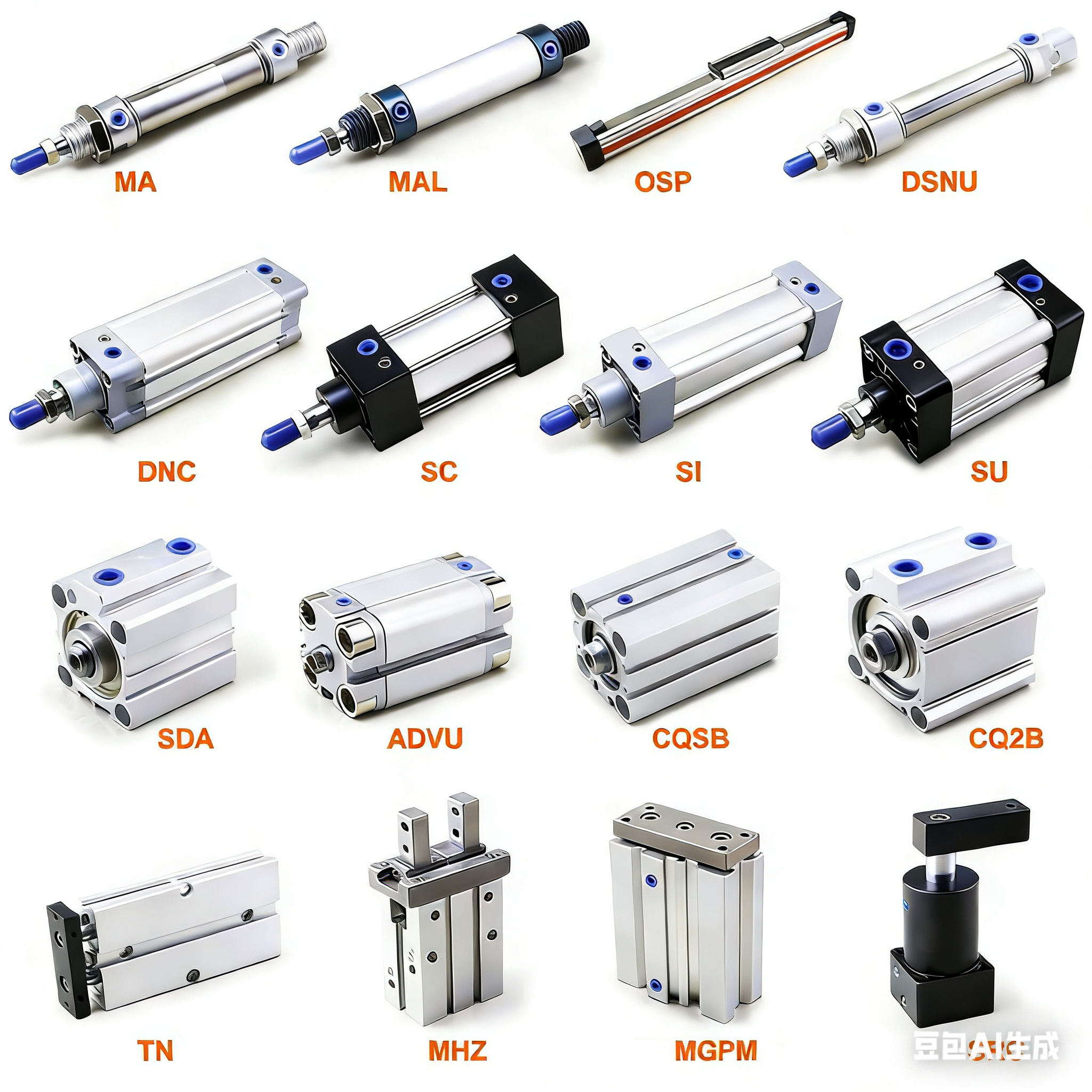
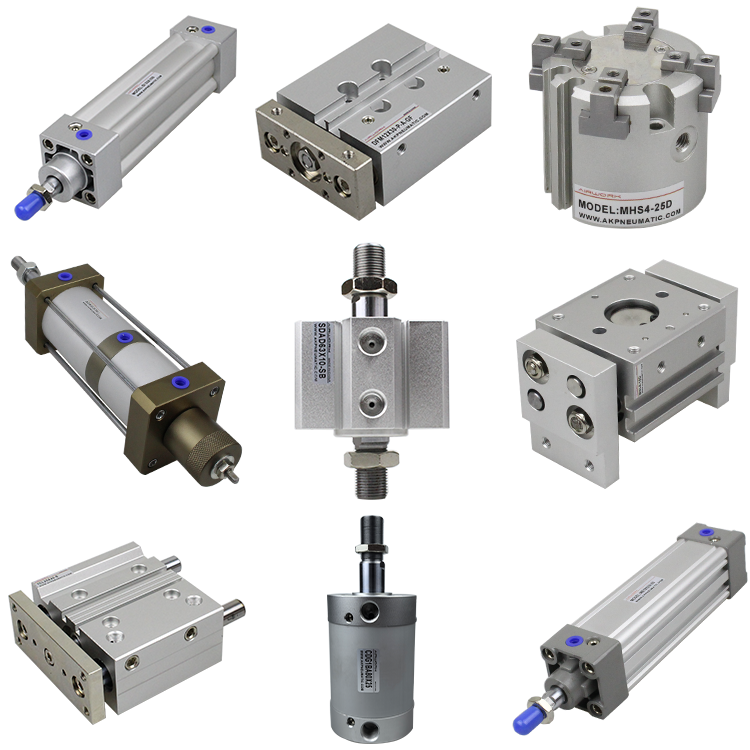
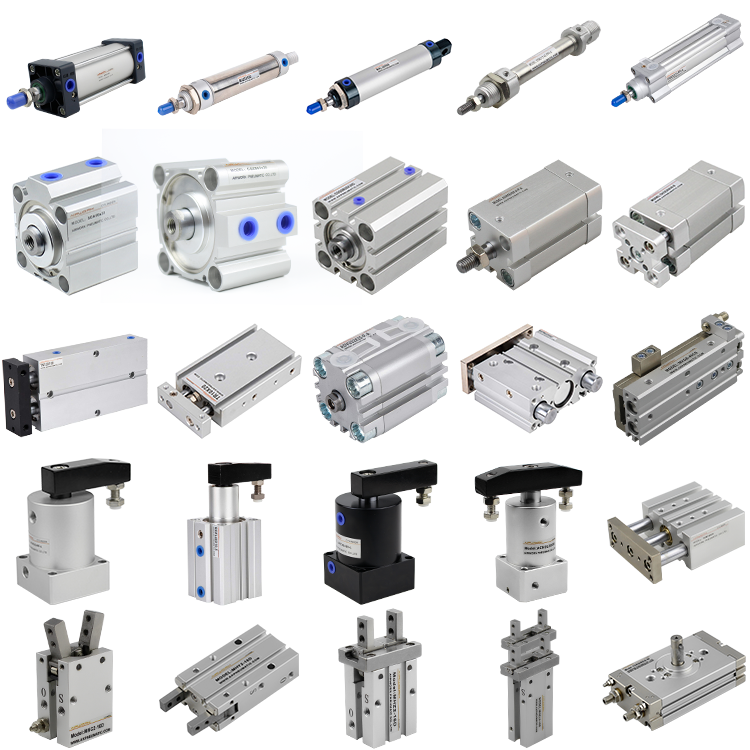
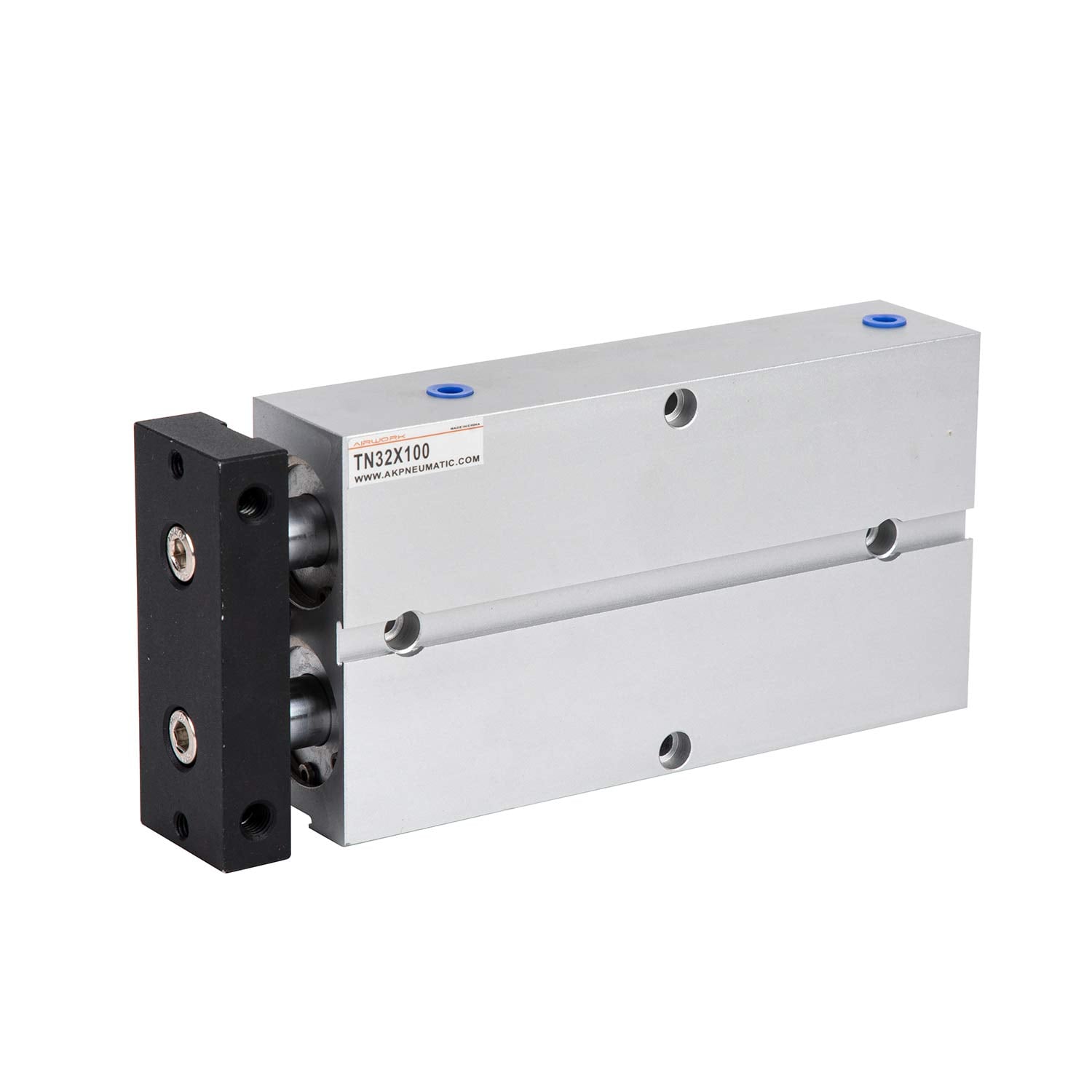
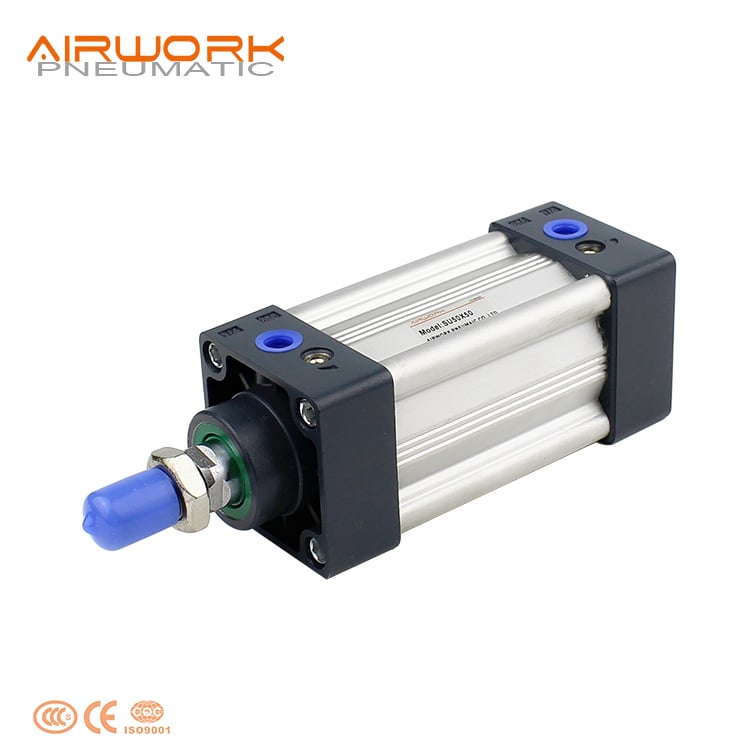
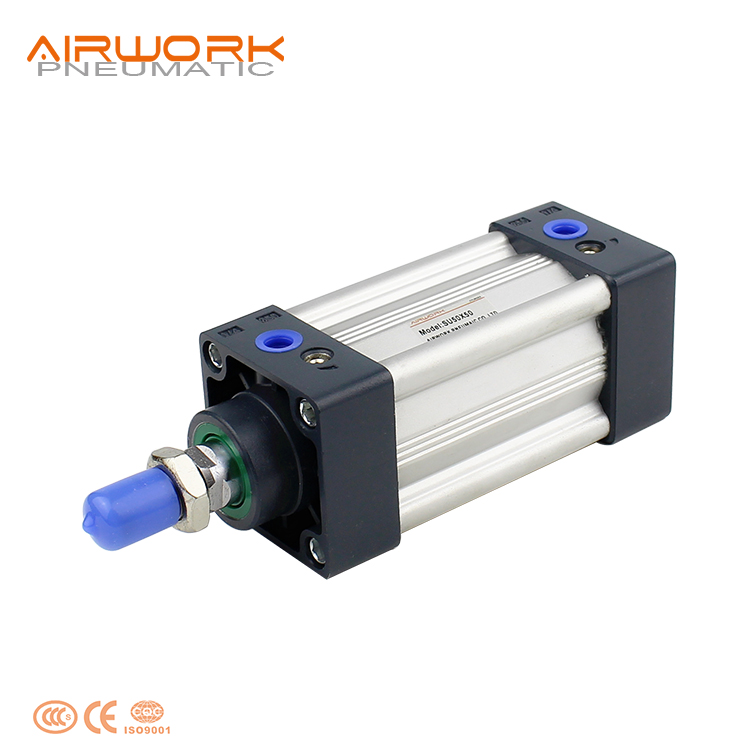
A double acting cylinder represents one of the most versatile and efficient pneumatic and hydraulic actuators available in modern industrial applications. This sophisticated mechanical device operates by utilizing pressurized fluid or air applied to both sides of its internal piston, enabling bidirectional movement and precise control over extension and retraction cycles. Unlike single acting cylinders that rely on springs or gravity for return motion, a double acting cylinder provides powered movement in both directions, delivering superior performance and reliability across diverse operational scenarios. The fundamental design consists of a cylindrical chamber housing a piston connected to a rod that extends through one end of the cylinder. Two separate ports allow pressurized medium entry, with one port controlling extension while the other manages retraction. This dual-port configuration ensures consistent force output regardless of directional movement, making the double acting cylinder ideal for applications requiring precise positioning and reliable force generation. The technological features of a double acting cylinder include robust sealing systems that prevent internal leakage, precision-machined surfaces ensuring smooth operation, and durable materials capable of withstanding high pressures and frequent cycling. Advanced designs incorporate cushioning mechanisms at both ends to reduce impact stress and extend operational lifespan. Modern double acting cylinders often feature adjustable mounting options, various bore sizes, and stroke lengths to accommodate specific application requirements. These cylinders find extensive use in manufacturing automation, construction equipment, material handling systems, and process control applications. Their ability to provide consistent force output, precise positioning capabilities, and reliable bidirectional movement makes them indispensable components in robotic systems, assembly lines, lifting mechanisms, and countless industrial processes where controlled linear motion is essential for optimal performance and productivity.

New Product Releases

The advantages of a double acting cylinder extend far beyond basic linear motion, offering significant benefits that directly impact operational efficiency and cost-effectiveness. First and foremost, these cylinders deliver consistent force output in both extension and retraction directions, eliminating the performance limitations associated with spring-return mechanisms found in single acting alternatives. This bidirectional power capability translates into faster cycle times and more precise control over positioning tasks, directly improving productivity in manufacturing environments. The enhanced speed control represents another major advantage, as operators can independently regulate extension and retraction velocities by adjusting flow rates to each port. This flexibility allows optimization of cycle times while maintaining smooth operation and reducing mechanical stress on connected equipment. Double acting cylinders also provide superior holding power when positioned mid-stroke, as pressurized fluid maintains the piston in any desired position without continuous energy consumption or mechanical assistance. This characteristic proves invaluable in applications requiring temporary positioning or load holding during assembly operations. The increased reliability stems from the elimination of springs and gravity-dependent return mechanisms, reducing maintenance requirements and extending operational lifespan. Users benefit from predictable performance characteristics and reduced downtime associated with spring fatigue or failure. Energy efficiency represents another compelling advantage, as these cylinders only consume energy during active movement rather than maintaining constant pressure for return motion. This efficiency translates into lower operating costs and reduced environmental impact over extended operational periods. The versatility of mounting configurations allows integration into virtually any system design, while the wide range of available sizes and specifications ensures optimal matching to specific load and speed requirements. Additionally, double acting cylinders offer excellent force-to-size ratios, enabling compact system designs without sacrificing performance capabilities. The precise control capabilities make them ideal for automated systems requiring repeatability and accuracy, contributing to improved product quality and reduced waste in manufacturing processes.

Latest News

Pneumatic fittings used in water

25

Feb

Pneumatic fittings used in water

View More
Basic knowledge of pneumatic air cylinders

25

Feb

Basic knowledge of pneumatic air cylinders

View More
Air Source Treatment Unit:The

25

Feb

Air Source Treatment Unit:The "Guardians" and Core Components of Pneumatic Systems

View More

Get a Free Quote

Our representative will contact you soon.
Email
Name
Company Name
Message
0/1000

a double acting cylinder

Bidirectional Power and Precision Control

Bidirectional Power and Precision Control

The bidirectional power capability of a double acting cylinder represents a revolutionary advancement in linear actuator technology, providing unprecedented control and versatility for industrial applications. Unlike traditional single acting cylinders that depend on springs or external forces for return motion, a double acting cylinder harnesses pressurized fluid power for both extension and retraction movements, delivering consistent force output regardless of direction. This dual-powered operation eliminates the inherent limitations of spring-return systems, such as variable return force, slower retraction speeds, and potential spring fatigue over time. The precision control aspect becomes particularly valuable in applications requiring exact positioning, smooth motion profiles, and repeatable cycle times. Operators can independently adjust the flow rates and pressures supplied to each cylinder port, enabling fine-tuning of both extension and retraction velocities to match specific process requirements. This level of control allows optimization of cycle times while maintaining smooth operation that reduces mechanical stress on connected equipment and extends overall system lifespan. The consistent force output characteristic ensures reliable performance across the entire stroke length, eliminating the force variations typically associated with spring compression or extension in single acting designs. This consistency proves crucial in applications such as material handling, where uniform lifting and lowering forces prevent load shifting and improve safety. In precision assembly operations, the bidirectional power enables gentle approach movements followed by firm seating forces, then controlled release without abrupt spring-back motions that could damage delicate components. The ability to maintain precise positioning mid-stroke without continuous energy consumption represents another significant advantage, as the cylinder can hold loads at any point along its travel using trapped fluid pressure. This capability eliminates the need for external locking mechanisms or continuous power consumption, contributing to energy efficiency and system simplicity while providing reliable load holding for extended periods during assembly or maintenance operations.
Enhanced Reliability and Reduced Maintenance Requirements

Enhanced Reliability and Reduced Maintenance Requirements

The enhanced reliability of a double acting cylinder stems from its robust design philosophy that eliminates common failure points associated with spring-return mechanisms and gravity-dependent systems. By utilizing pressurized fluid for both directional movements, these cylinders avoid the mechanical stress concentrations, material fatigue, and performance degradation typically experienced by spring-loaded alternatives. The absence of springs eliminates concerns about spring constant changes over time, compression set, and eventual spring failure that can result in unexpected system downtime and costly repairs. This fundamental design advantage translates into predictable performance characteristics throughout the cylinder's operational lifespan, enabling more accurate maintenance scheduling and reducing emergency repair situations. The sealed chamber design of a double acting cylinder provides superior protection against environmental contaminants that could interfere with spring mechanisms or gravity-return systems. Advanced sealing technologies incorporated in modern double acting cylinders prevent internal leakage while maintaining smooth operation even in harsh industrial environments characterized by dust, moisture, temperature extremes, and chemical exposure. The precision-machined internal surfaces and high-quality seal materials ensure consistent performance over millions of operational cycles, significantly extending service intervals and reducing maintenance costs. Regular maintenance requirements typically involve simple seal replacement and basic cleaning procedures, eliminating the complex spring adjustments and replacements necessary with single acting alternatives. The reduced maintenance burden directly impacts operational costs by minimizing system downtime, reducing spare parts inventory requirements, and decreasing skilled technician time allocation for cylinder servicing. Additionally, the predictable wear patterns and failure modes of double acting cylinders enable condition-based maintenance strategies that optimize replacement timing and prevent unexpected failures. The improved reliability also contributes to overall system uptime and productivity, as equipment operators can depend on consistent cylinder performance without concerns about gradual spring weakening or sudden spring failure that could compromise production schedules or safety protocols in critical applications.
Superior Energy Efficiency and Cost-Effective Operation

Superior Energy Efficiency and Cost-Effective Operation

The superior energy efficiency of a double acting cylinder represents a significant economic advantage that extends beyond initial equipment costs to encompass long-term operational savings and environmental benefits. Unlike single acting cylinders that require continuous energy input to compress return springs or overcome gravitational forces, a double acting cylinder only consumes energy during active movement phases, dramatically reducing overall power consumption. This efficiency stems from the cylinder's ability to utilize stored fluid pressure for both extension and retraction movements, eliminating the energy waste associated with constantly compressed springs or elevated load positioning against gravity. The on-demand energy consumption pattern allows precise matching of power input to actual work requirements, preventing the continuous energy drain characteristic of spring-loaded systems that maintain constant tension even during idle periods. This efficiency translates into measurable reductions in compressed air consumption for pneumatic systems or hydraulic pump load for fluid power applications, directly impacting utility costs and system sizing requirements. The cost-effective operation extends to system design flexibility, as engineers can optimize pneumatic compressor or hydraulic pump specifications based on actual cylinder work requirements rather than continuous spring compression loads. Additionally, the improved energy efficiency contributes to reduced heat generation in hydraulic systems, minimizing cooling requirements and extending fluid service life while maintaining optimal operating temperatures. The economic benefits become particularly pronounced in high-cycle applications where frequent operation amplifies the energy savings potential of double acting cylinders compared to spring-return alternatives. Environmental considerations also favor double acting cylinders, as reduced energy consumption translates into lower carbon footprint and improved sustainability metrics for manufacturing operations. The ability to precisely control energy input through flow regulation enables operators to optimize power consumption for specific applications, balancing cycle speed requirements against energy costs to achieve optimal operational efficiency. Furthermore, the extended service life and reduced maintenance requirements of double acting cylinders contribute to lower total cost of ownership through decreased replacement frequency, reduced spare parts consumption, and minimized system downtime costs associated with cylinder maintenance and replacement activities.

Get a Free Quote

Our representative will contact you soon.
Email
Name
Company Name
Message
0/1000