Ընդլայնված ինտեգրում և Industry 4.0-ի կապ
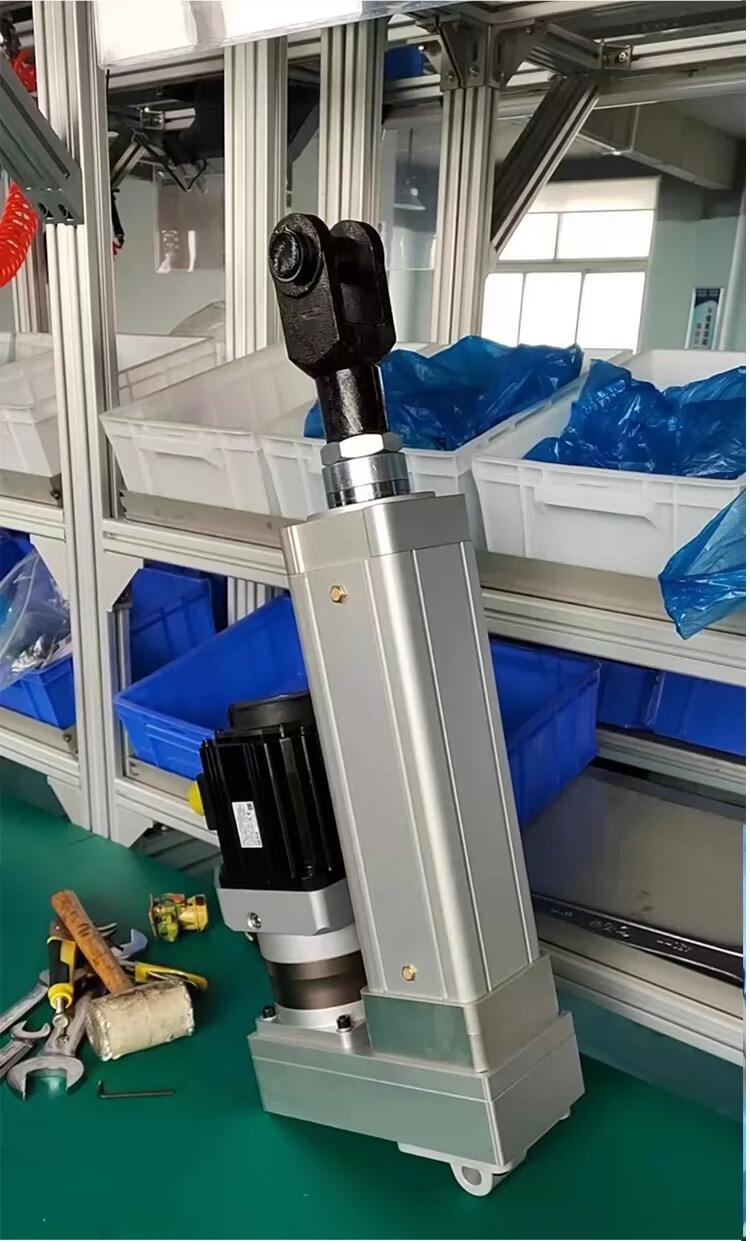
Էլեկտրական շարժման գլանը ծառայում է որպես ժամանակակից Industry 4.0 նախաձեռնությունների հիմնասյուն, ապահովելով աննախադեպ կապվածություն և ինտեգրման հնարավորություններ, որոնք փոխարկում են ավանդական արտադրական գործընթացները իմաստուն, տվյալների վրա հիմնված գործողությունների: Ներդրված կապի ինտերֆեյսները՝ ներառյալ Ethernet/IP-ն, Profinet-ը, DeviceNet-ը և CAN բաս պրոտոկոլները, հնարավորություն են տալիս անխաթար ինտեգրվել ձեռնարկության ռեսուրսների պլանավորման համակարգերի, արտադրության կատարման համակարգերի և մեխանիզմային վերլուծության համակարգերի հետ: Այս կապվածությունը թույլ է տալիս էլեկտրական շարժման գլանին մասնակցել համատարած գործարանային ավտոմատացման ցանցերում, որտեղ իրական ժամանակում տվյալների փոխանակումը օպտիմալացնում է արտադրության արդյունավետությունը և որակի վերահսկումը: Ընդլայնված ախտորոշման հնարավորությունները անընդհատ վերահսկում են գլանի աշխատանքային ցուցանիշները՝ ներառյալ դիրքի ճշգրտությունը, շարժիչի հոսանքը, ջերմաստիճանը և շրջանառությունների քանակը, իսկ ստացված տվյալները ուղարկվում են կենտրոնական վերահսկման համակարգերին՝ կանխատեսող սպասարկման պլանավորման համար: Էլեկտրական շարժման գլանը կարող է հայտնաբերել անոմալիաներ, ինչպես օրինակ՝ շփման աճը, սայլակների մաշվածությունը կամ դասավորման խնդիրները, նախքան դրանք հանգեցնեն սարքավորումների ավարիայի, ինչը հնարավորություն է տալիս իրականացնել կանխարգելիչ սպասարկում և նվազեցնել պլանավորված չլինելու դադարները: Հեռակառավարման հնարավորությունները թույլ են տալիս տեխնիկներին ցանկացած վայրից վերահսկել և կարգավորել գլանի պարամետրերը, ինչը նվազեցնում է սպասարկման ծախսերը և հնարավորություն է տալիս արագ արձագանքել շահագործման խնդիրներին: Էլեկտրական շարժման գլանների ծրագրավորելի բնույթը հնարավորություն է տալիս արագ փոխել արտադրանքը՝ մեխանիկական կարգավորումների փոխարեն օգտագործելով ծրագրային կարգավորումներ, ինչը աջակցում է ճկուն արտադրության ստրատեգիաներին և զանգվածային հարմարեցման նախաձեռնություններին: Բազմաառանցք համակարգավորումը հնարավորություն է տալիս միաժամանակյա շարժման վերահսկում իրականացնել մի քանի էլեկտրական շարժման գլանների վրա, ստեղծելով բարդ ավտոմատացված հաջորդականություններ հավաքածուի, փաթեթավորման և նյութերի մշակման կիրառումների համար: Ինտեգրումը տարածվում է նաև որակի վերահսկման համակարգերի վրա, որտեղ գլանի դիրքի տվյալները համապատասխանեցվում են չափման արդյունքների հետ՝ գործընթացի շեղումները հայտնաբերելու և ավտոմատաբար կարգավորելու պարամետրերը՝ արտադրանքի սպեցիֆիկացիաները պահպանելու համար: Մեքենայական ուսուցման ալգորիթմները կարող են վերլուծել էլեկտրական շարժման գլանների պատմական աշխատանքային տվյալները՝ օպտիմալացնելու շարժման պրոֆիլները, նվազեցնելու շրջանառության ժամանակը և երկարացնելու սարքավորումների ծառայության ժամկետը: Ստանդարտացված կապի պրոտոկոլները երաշխավորում են համատեղելիությունը գործարանային ավտոմատացման գոյություն ունեցող ենթակառուցվածքի հետ՝ միաժամանակ ապահովելով մասշտաբավորման հնարավորություն ապագայի ընդլայնման համար: Անվտանգության առանձնահատկությունները՝ ներառյալ գաղտնագրված կապը և օգտագործողի հաստատումը, պաշտպանում են արդյունաբերական ցանցերը կիբերվտանգավորություններից՝ միաժամանակ պահպանելով շահագործման արդյունավետությունը: Էլեկտրական շարժման գլանը աջակցում է ինչպես կենտրոնացված, այնպես էլ բաշխված կառավարման ճարտարապետություններին՝ հարմարվելով տարբեր արտադրական փիլիսոփայություններին և համակարգերի պահանջներին՝ ապահովելով համասեռ աշխատանքային ցուցանիշներ և հուսալիություն բազմաթիվ արդյունաբերական կիրառումներում:

 EN
EN