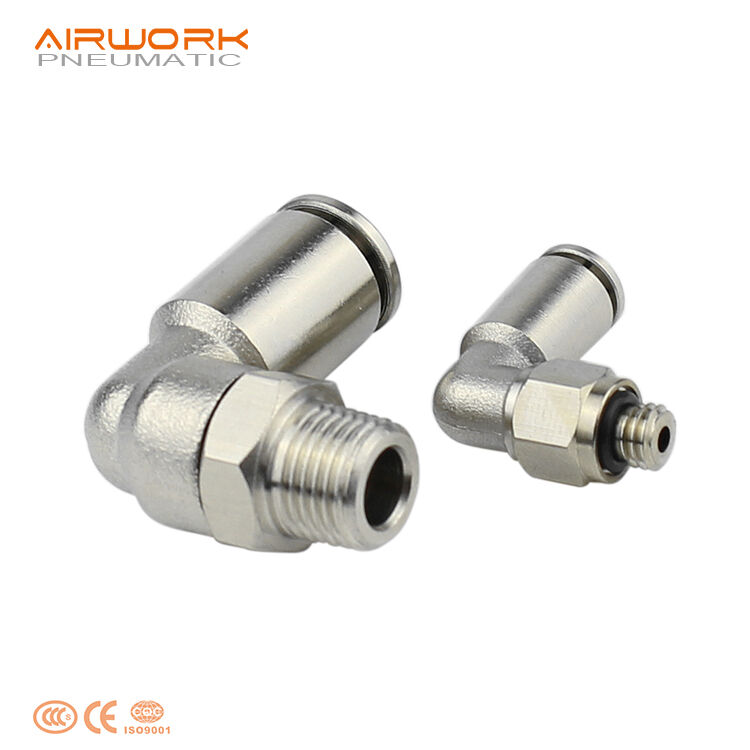
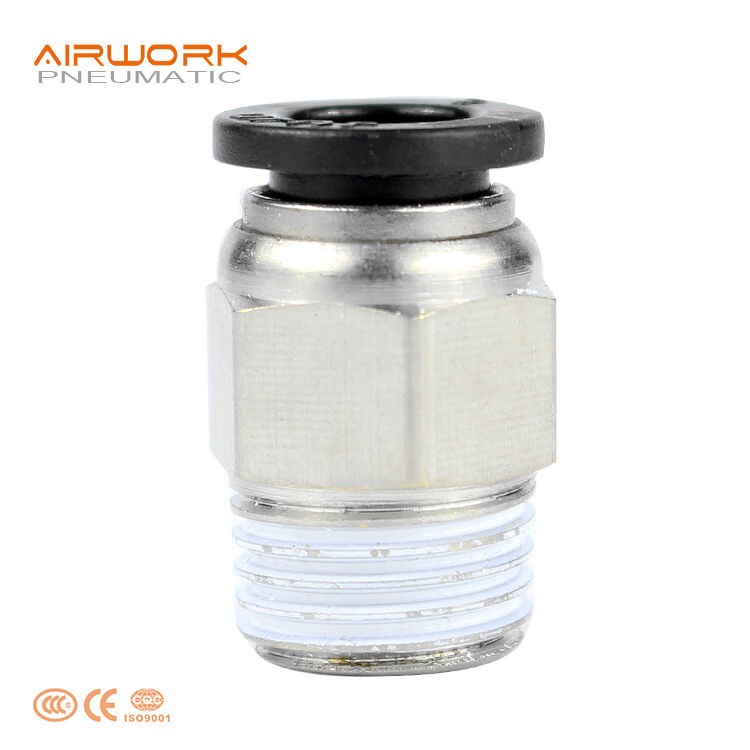
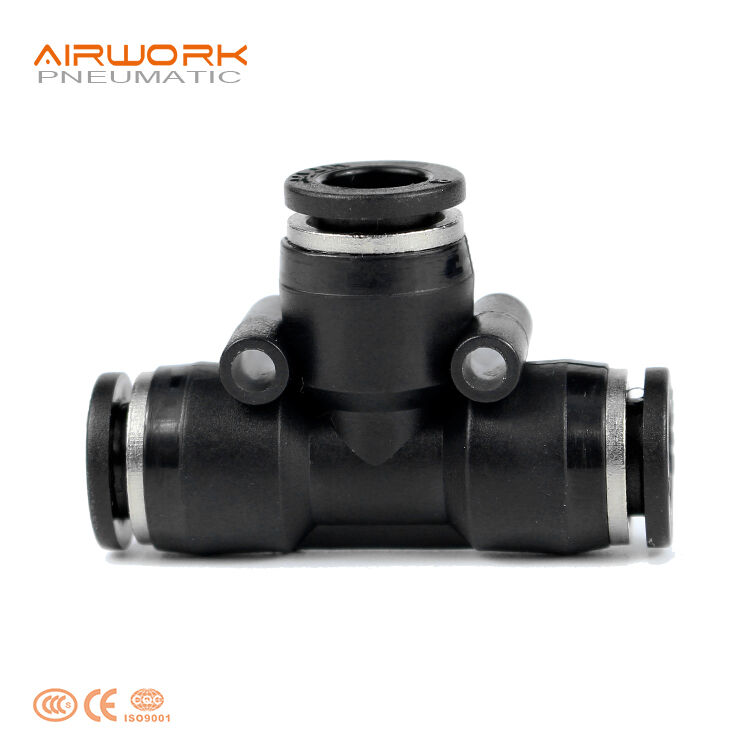
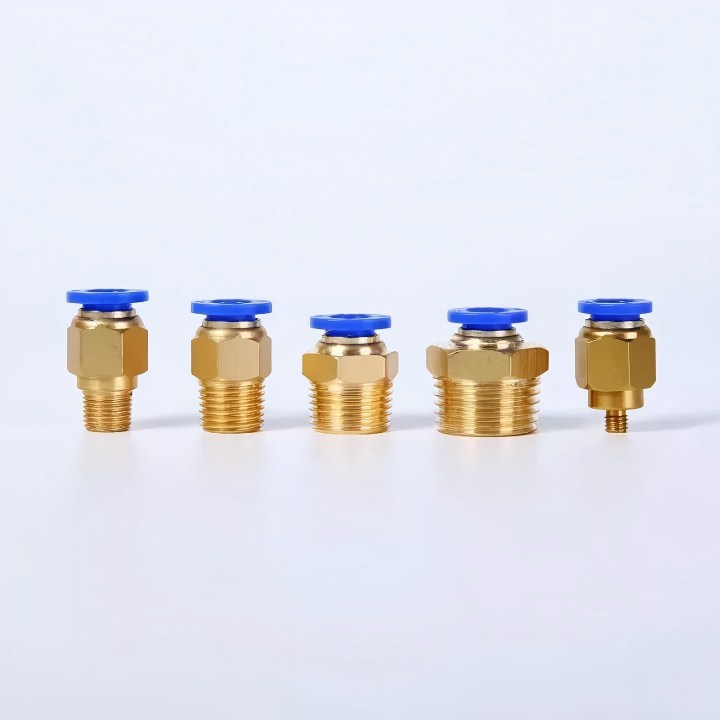
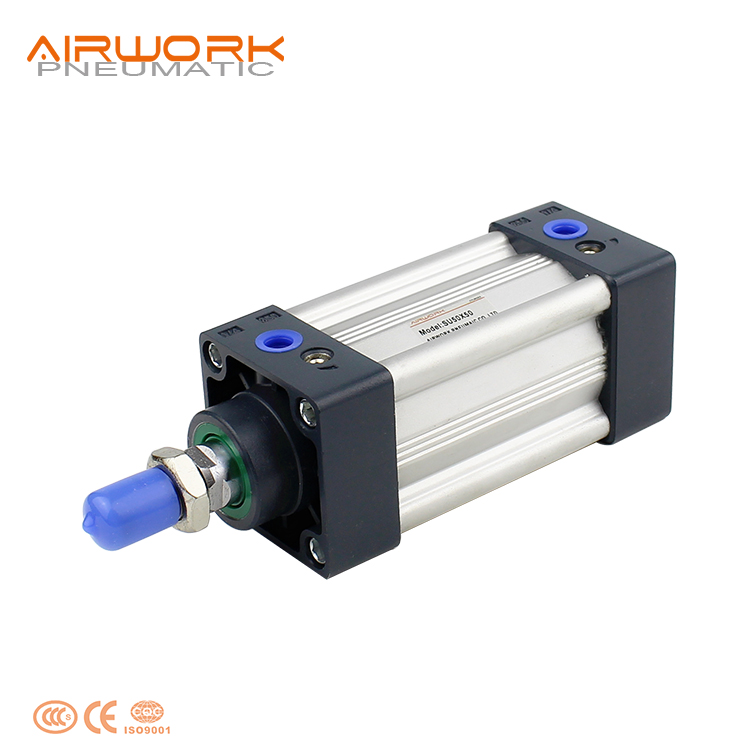
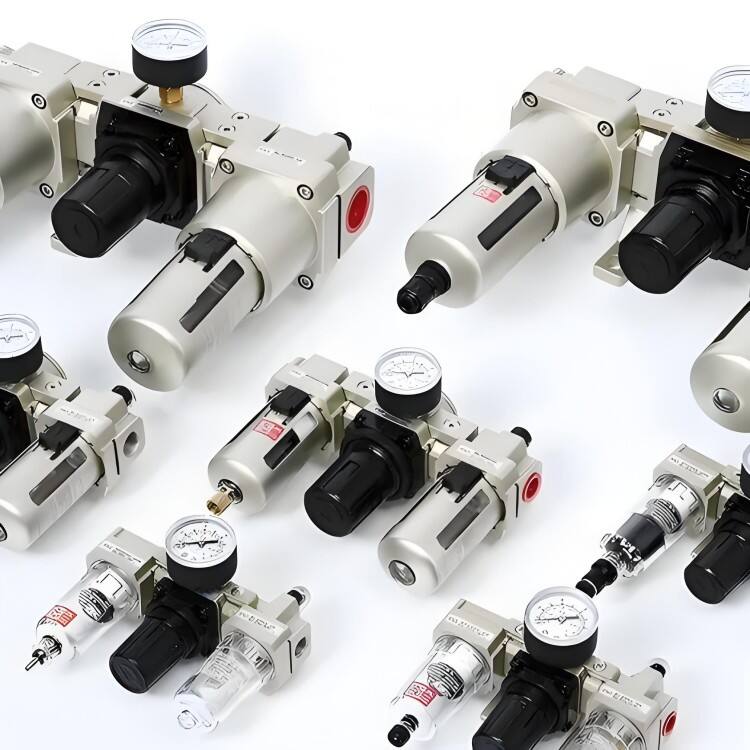
push to connect air line fittings
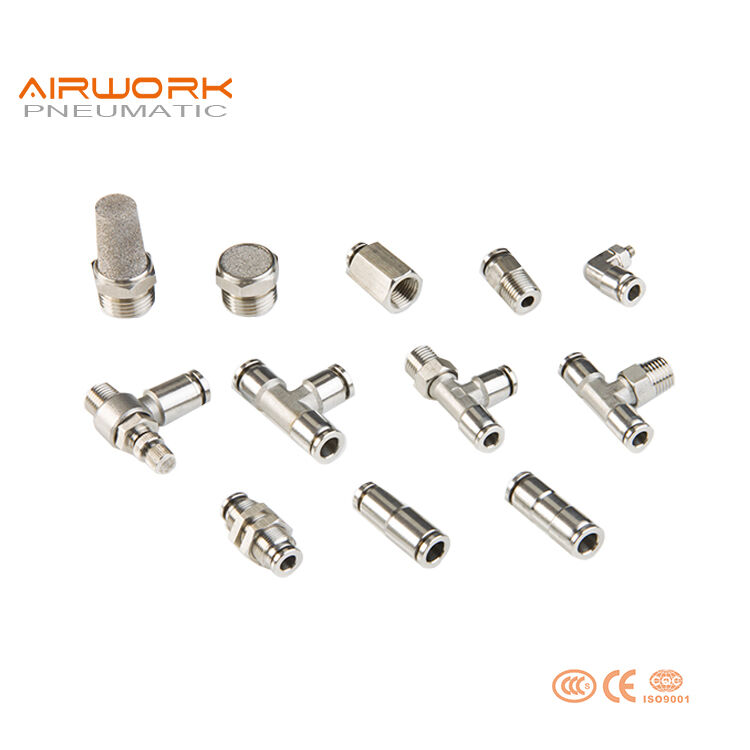
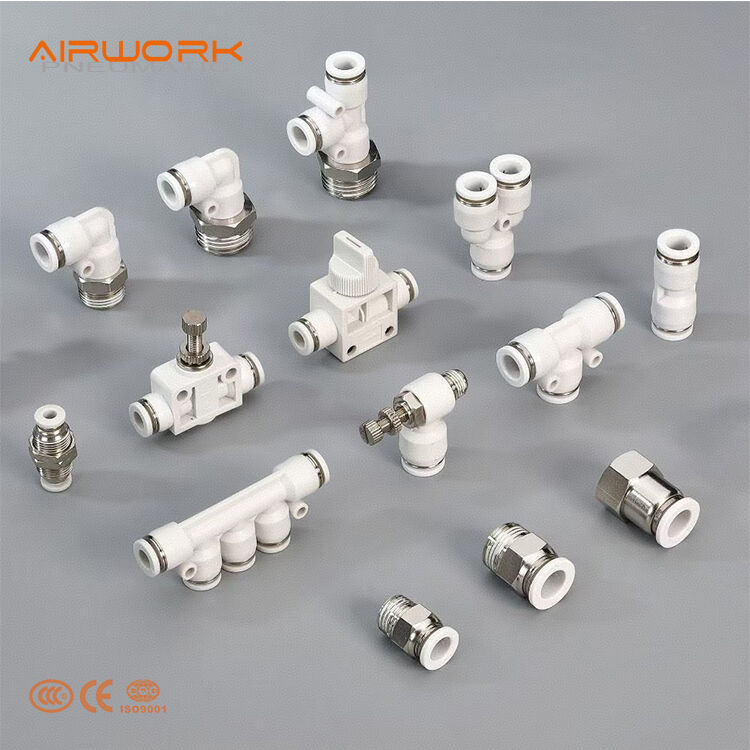
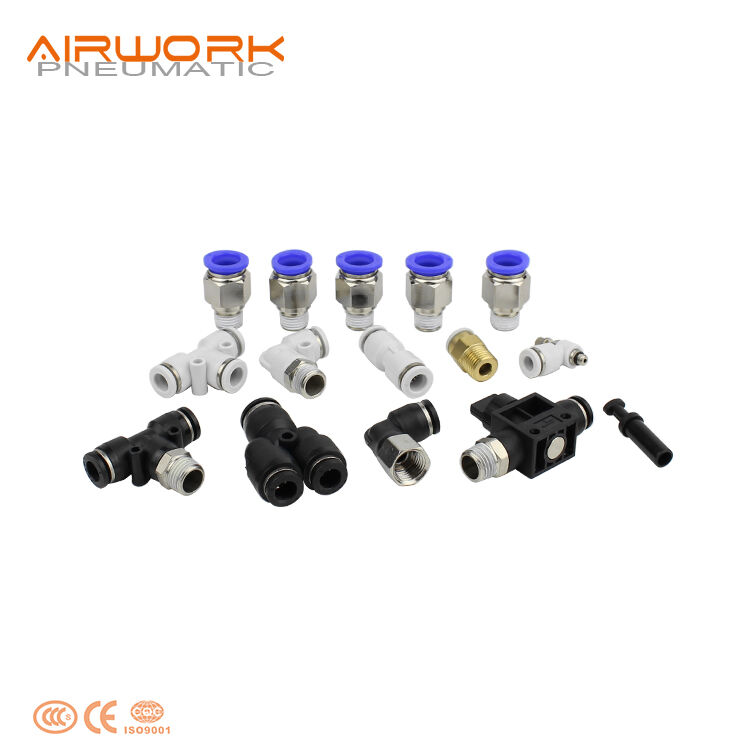
Push to connect air line fittings represent a revolutionary advancement in pneumatic system connections, offering an efficient and reliable solution for compressed air applications across various industries. These innovative fittings utilize a simple yet sophisticated mechanism that allows users to establish secure connections without the need for threading, crimping, or specialized tools. The core functionality revolves around an internal gripping mechanism that automatically secures tubing when inserted, while simultaneously creating an airtight seal through precision-engineered O-rings. The technological foundation of push to connect air line fittings centers on their one-touch operation principle, where users simply push the air tubing into the fitting until it reaches the internal stop, creating an instant and secure connection. The release mechanism typically involves pressing a collar or button to disengage the internal grips, allowing for quick disconnection when maintenance or reconfiguration becomes necessary. These fittings accommodate various tube materials including polyurethane, nylon, and polyethylene, with diameter ranges spanning from 4mm to 16mm in most standard applications. The internal construction features hardened stainless steel gripping teeth that bite into the tube exterior, preventing pullout under pressure while maintaining tube integrity. Advanced sealing technology incorporates multiple O-ring configurations to ensure leak-free performance even under high-pressure conditions up to 150 PSI in typical installations. Push to connect air line fittings find extensive applications in industrial automation systems, pneumatic machinery, air compressor networks, and manufacturing equipment where frequent connections and disconnections occur. Their versatility extends to automotive service stations, laboratory equipment, medical devices, and food processing facilities where hygiene and quick changeovers are essential. The fittings are manufactured from high-grade materials including brass, stainless steel, and engineered plastics, ensuring durability and chemical resistance across diverse operating environments.

 EN
EN