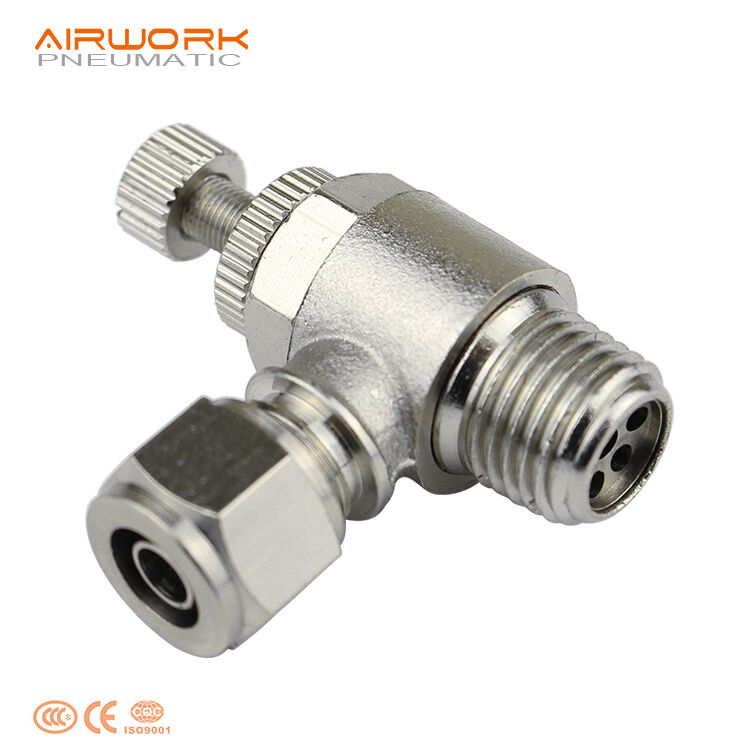
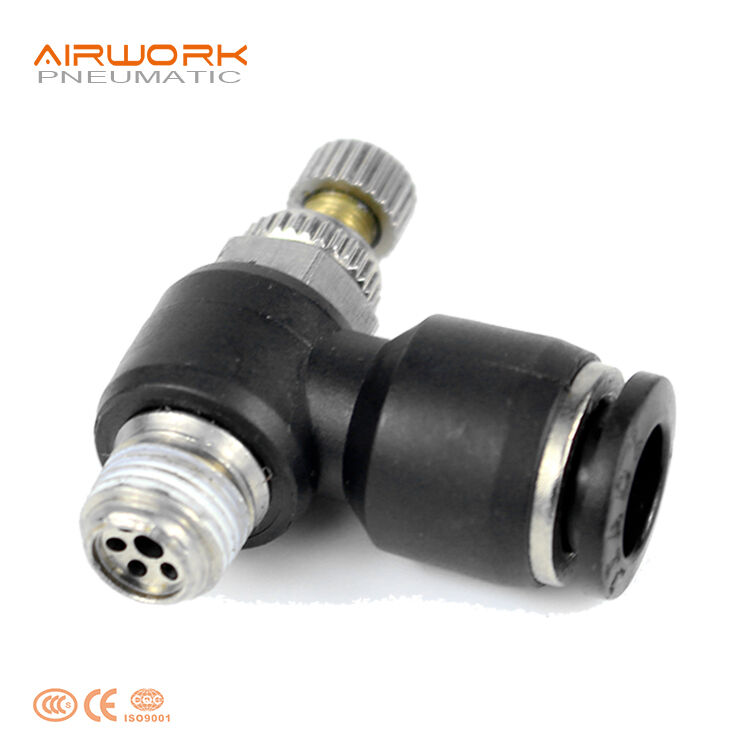
pneumatic throttle valve
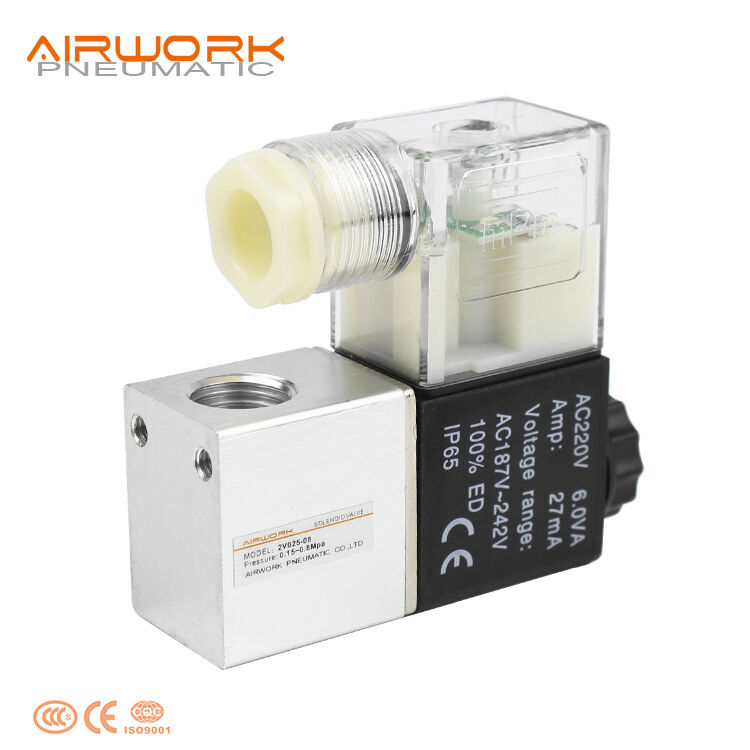
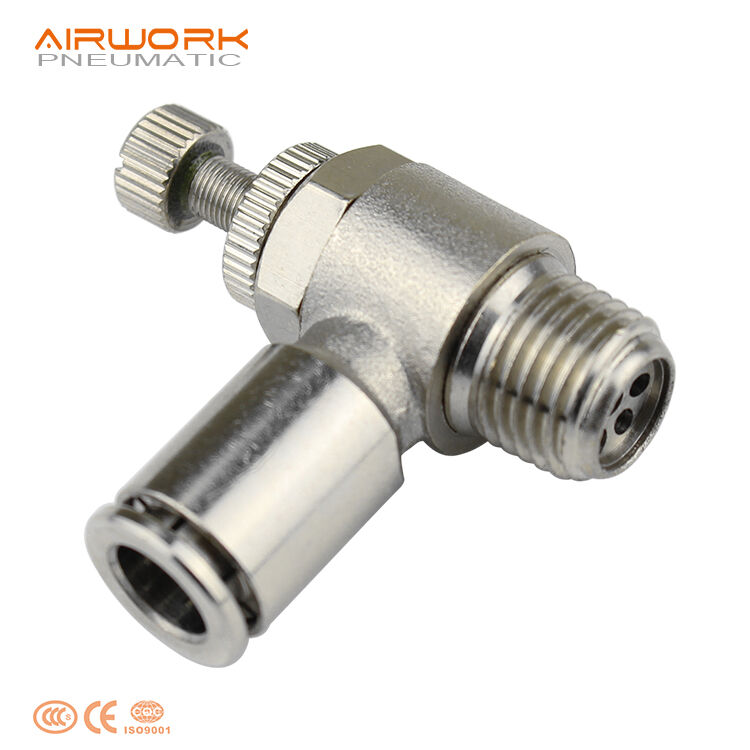
A pneumatic throttle valve represents a critical component in modern fluid control systems, utilizing compressed air as the primary actuating force to regulate flow rates across various industrial applications. This sophisticated device combines precision engineering with reliable performance to deliver accurate flow control in demanding operational environments. The pneumatic throttle valve operates through a pneumatically actuated mechanism that responds to air pressure signals, allowing operators to achieve precise flow modulation without direct manual intervention. The core functionality revolves around its ability to restrict or allow fluid passage through variable opening positions, making it an essential element in process control systems. These valves feature robust construction materials designed to withstand extreme temperatures, corrosive substances, and high-pressure conditions commonly encountered in industrial settings. The technological architecture incorporates advanced sealing mechanisms, precision-machined components, and responsive actuator systems that ensure consistent performance over extended operational periods. Key technological features include modular design configurations, allowing for easy maintenance and component replacement, while integrated feedback systems provide real-time position monitoring capabilities. The valve body typically consists of durable materials such as stainless steel, brass, or specialized alloys, depending on the specific application requirements. Modern pneumatic throttle valves incorporate sophisticated control interfaces that enable seamless integration with automated systems, SCADA networks, and digital control platforms. These devices find extensive applications across diverse industries including chemical processing, oil and gas operations, water treatment facilities, food and beverage production, pharmaceutical manufacturing, and power generation systems. The versatility of pneumatic throttle valves makes them suitable for controlling various fluid types, from clean water and steam to aggressive chemicals and viscous liquids, ensuring optimal performance across different operational scenarios while maintaining safety standards and regulatory compliance.

 EN
EN