Universal Compatibility and Easy Integration
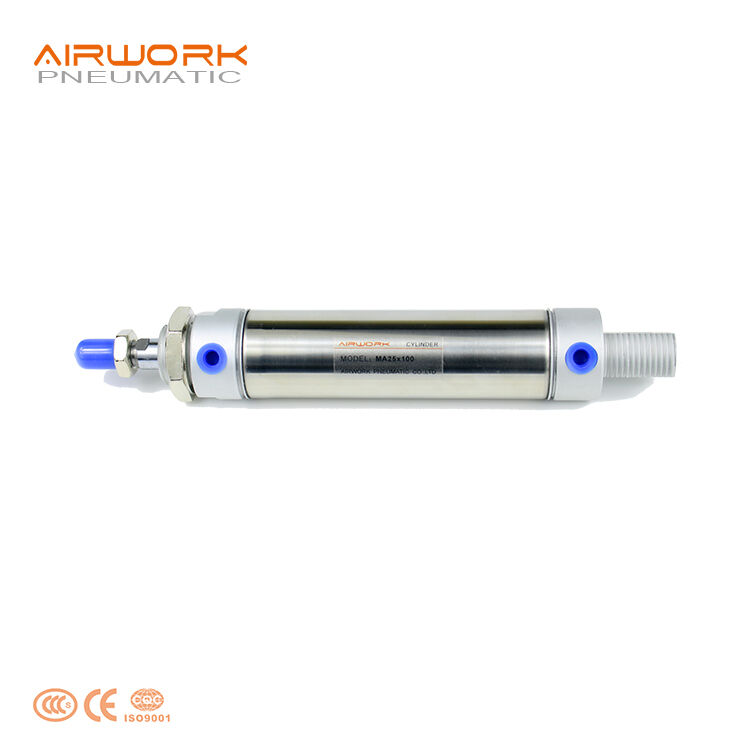
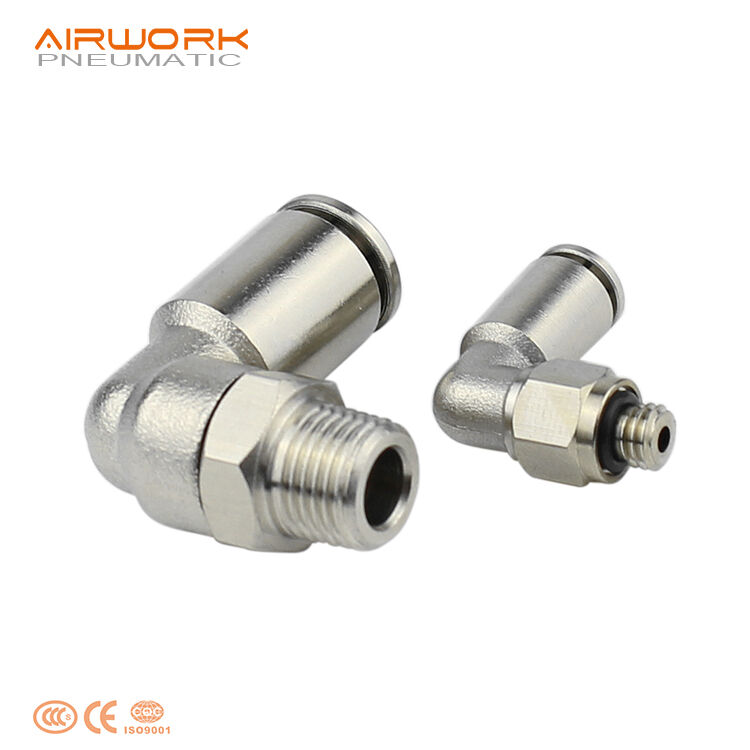
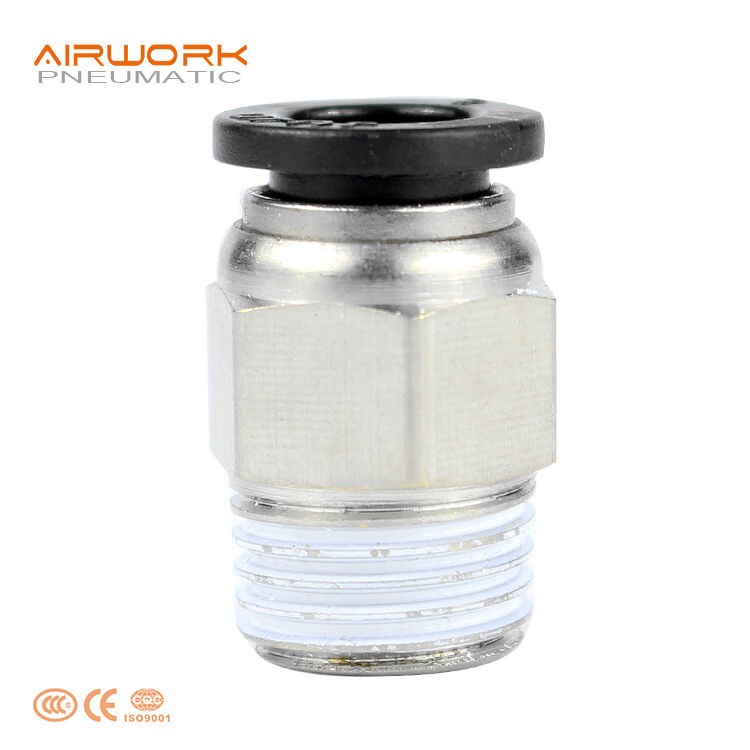
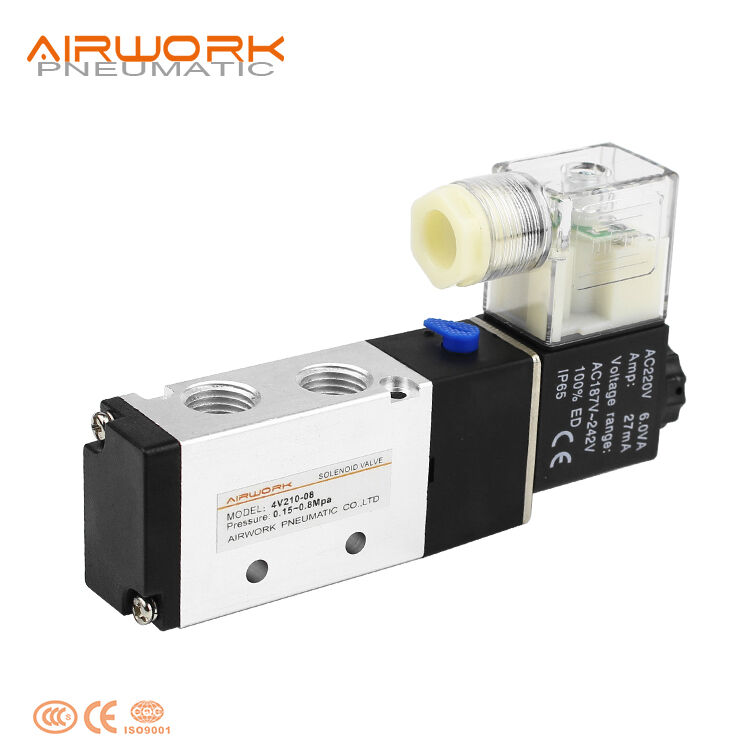
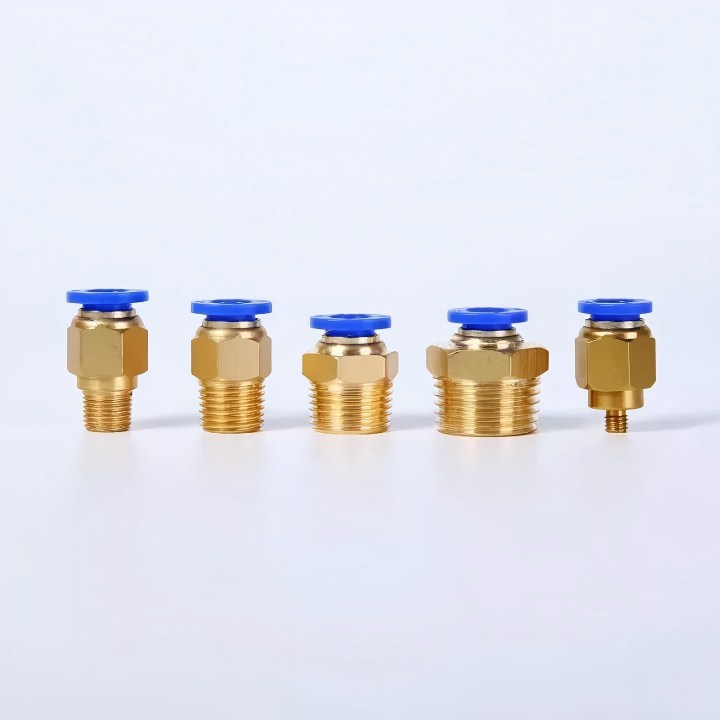
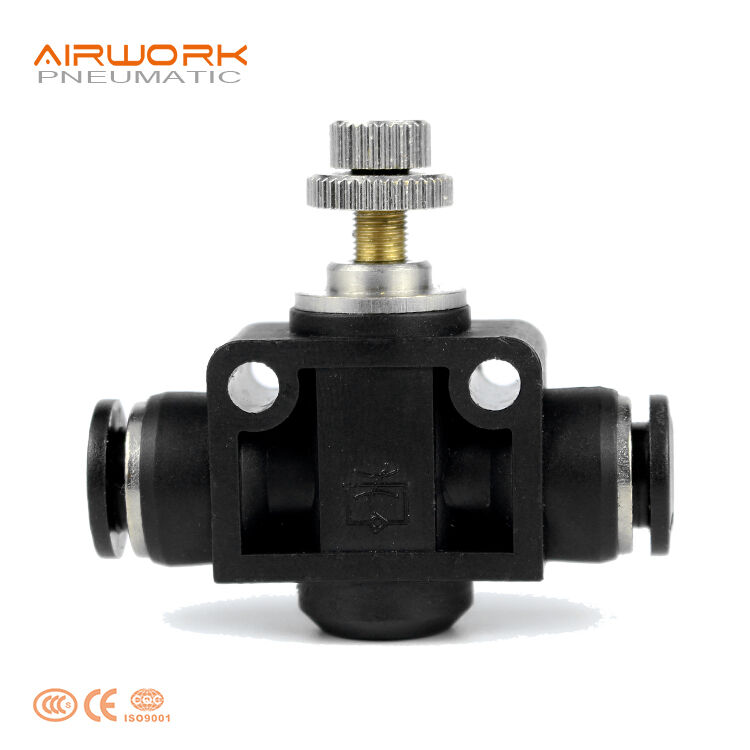
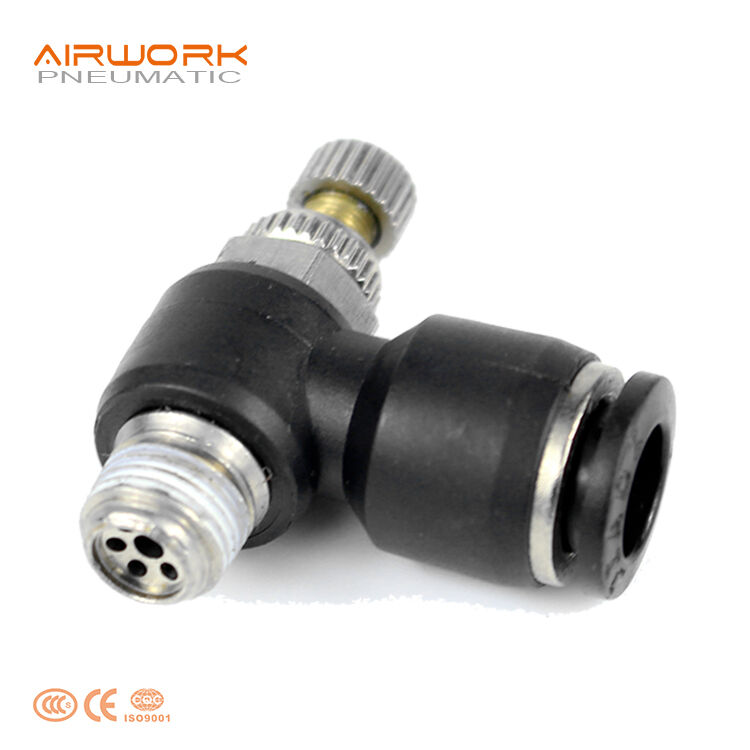
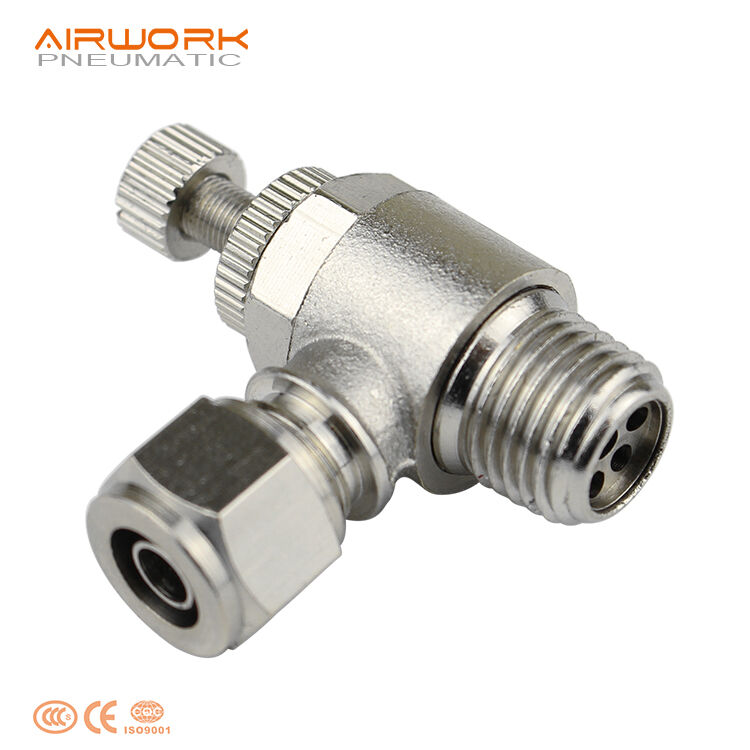
The universal compatibility and seamless integration capabilities of pneumatic speed control valves eliminate common installation barriers and simplify system upgrades across diverse industrial environments. These valves feature standardized connection interfaces that accommodate the most common pneumatic fitting systems, including NPT threading, metric threading, and quick-disconnect fittings used throughout global markets. The modular design philosophy allows pneumatic speed control valves to integrate directly into existing air distribution networks without requiring custom adapters or specialized mounting hardware. This compatibility extends to pressure ratings, with most units designed to handle standard industrial air pressure ranges from 20 to 150 PSI, covering the vast majority of pneumatic applications. The compact form factors ensure these valves fit within tight installation spaces common in automated machinery and production equipment. Bidirectional flow capabilities provide additional versatility by enabling speed control in both directions of pneumatic cylinder operation, eliminating the need for multiple valve installations in reversing applications. The universal mounting options include inline installations, panel mounting configurations, and manifold integration possibilities that accommodate various system architectures. Electrical integration features support both manual adjustment and automated control scenarios, with optional electronic actuators that interface with standard industrial control systems including PLCs and SCADA networks. The broad temperature and environmental compatibility ensures reliable operation in challenging industrial conditions, from clean room environments to harsh manufacturing floors with exposure to dust, moisture, and chemical vapors. Material compatibility with standard pneumatic system lubricants and air treatment additives prevents contamination issues and maintains long-term reliability. The universal approach extends to maintenance procedures, with service requirements that align with standard pneumatic system maintenance schedules and utilize common tools and replacement parts. Documentation and support materials follow industry standards, providing clear installation instructions, troubleshooting guides, and performance specifications that simplify integration planning. This comprehensive compatibility approach reduces implementation risks, shortens installation timelines, and minimizes the specialized training requirements for maintenance personnel.

 EN
EN