Premium Pneumatic Hoses and Fittings - High-Performance Air Systems Solutions

All Categories

pneumatic hoses and fittings

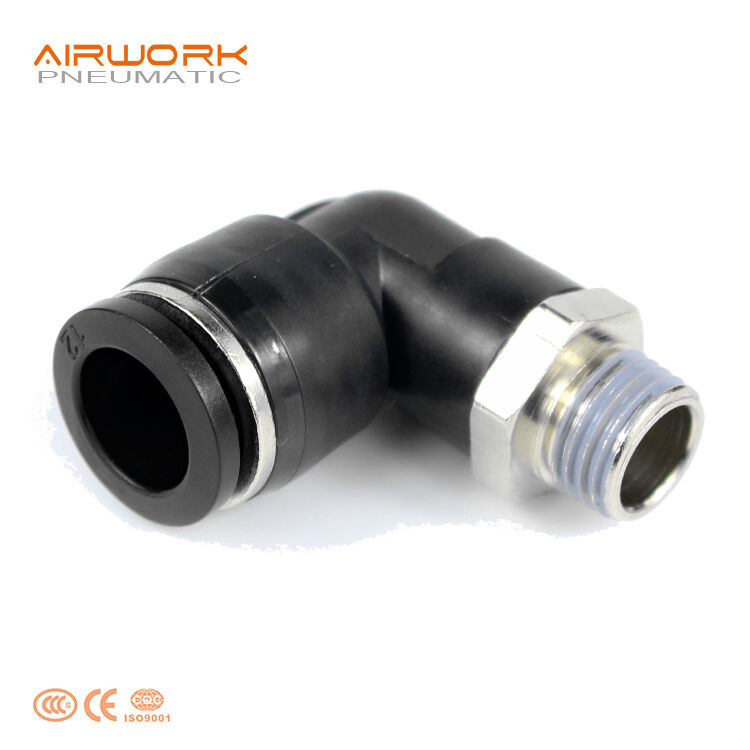
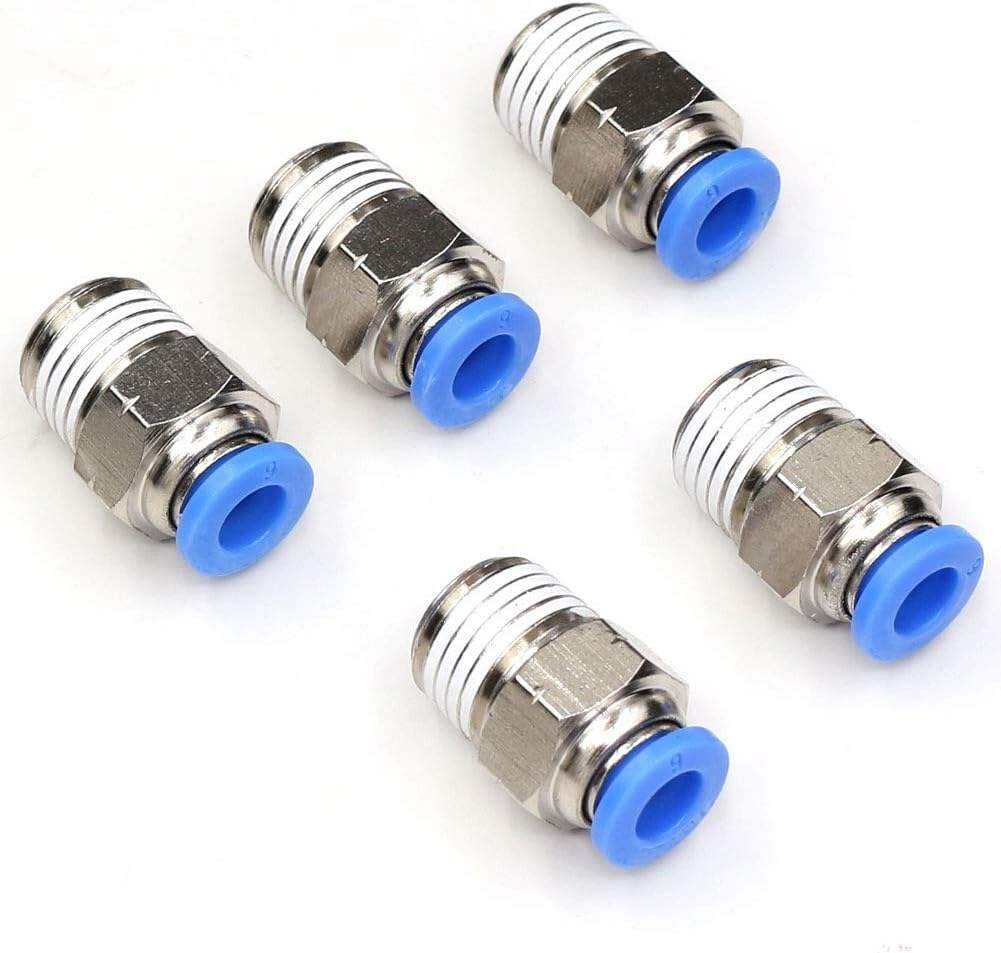
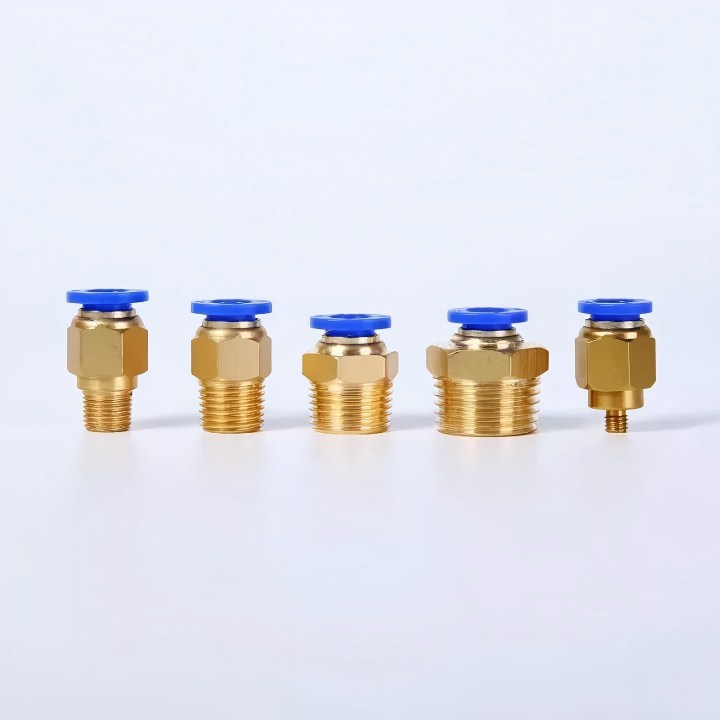
Pneumatic hoses and fittings represent essential components in compressed air systems, serving as the critical link between air compressors, tools, and equipment. These specialized conduits are engineered to transport compressed air safely and efficiently across various industrial applications. Pneumatic hoses are constructed from durable materials such as rubber, PVC, or polyurethane, designed to withstand high pressure levels while maintaining flexibility for easy handling. The fittings, including quick-connect couplers, barb fittings, and threaded connectors, ensure secure connections between hose sections and equipment. The primary function of pneumatic hoses and fittings involves delivering pressurized air to power pneumatic tools, actuators, cylinders, and automated machinery. These systems operate by converting compressed air energy into mechanical motion, making them invaluable in manufacturing, construction, automotive, and aerospace industries. Technological features of modern pneumatic hoses include reinforced braided layers that prevent expansion under pressure, smooth inner surfaces that minimize air flow resistance, and weather-resistant outer coverings that protect against UV rays, ozone, and temperature fluctuations. Advanced pneumatic hoses often incorporate anti-static properties to prevent electrical buildup during operation. The fittings utilize precision-machined threads and sealing mechanisms to prevent air leaks, ensuring optimal system performance. Quick-disconnect fittings allow rapid tool changes, improving productivity in busy work environments. Applications for pneumatic hoses and fittings span numerous sectors, from powering impact wrenches in automotive repair shops to controlling robotic arms in manufacturing plants. Construction crews rely on these systems for jackhammers, nail guns, and spray painting equipment. Food processing facilities utilize stainless steel fittings with food-grade hoses to maintain sanitary conditions. The versatility of pneumatic hoses and fittings makes them indispensable in modern industrial operations.

New Product Releases

The advantages of pneumatic hoses and fittings extend far beyond simple air delivery, offering substantial benefits that enhance operational efficiency and workplace safety. These components provide exceptional durability, withstanding repeated flexing, high pressures, and harsh environmental conditions without compromising performance. Unlike electrical systems, pneumatic hoses and fittings operate safely in explosive atmospheres where sparks could ignite flammable materials, making them preferred choices in chemical plants, paint booths, and mining operations. The lightweight nature of compressed air systems reduces operator fatigue compared to heavy electrical tools, allowing workers to maintain productivity throughout extended shifts. Maintenance requirements for pneumatic hoses and fittings remain minimal, with simple visual inspections and occasional replacement being the primary upkeep tasks. This translates to reduced downtime and lower long-term operational costs. The instant response characteristics of pneumatic systems provide immediate power delivery when operators activate tools, eliminating startup delays associated with electric motors. Temperature stability represents another significant advantage, as pneumatic hoses and fittings function reliably across wide temperature ranges without performance degradation. The modular design of these systems allows easy reconfiguration as production needs change, providing flexibility that fixed installations cannot match. Cost-effectiveness emerges as a major benefit, with pneumatic hoses and fittings typically requiring lower initial investments compared to equivalent electrical systems. Energy efficiency improvements result from the ability to shut off air supply instantly when tools are not in use, preventing waste. The clean operation of pneumatic systems produces no emissions at the point of use, supporting environmental sustainability goals. Speed control becomes effortless with pneumatic hoses and fittings, allowing operators to adjust tool speed and power through simple valve adjustments. Safety features built into modern pneumatic hoses and fittings include pressure relief mechanisms and fail-safe designs that minimize risk of injury from system failures. The reliability of these components ensures consistent performance across diverse applications, from delicate assembly work to heavy-duty industrial operations.

Practical Tips

Pneumatic fittings used in water

25

Feb

Pneumatic fittings used in water

View More
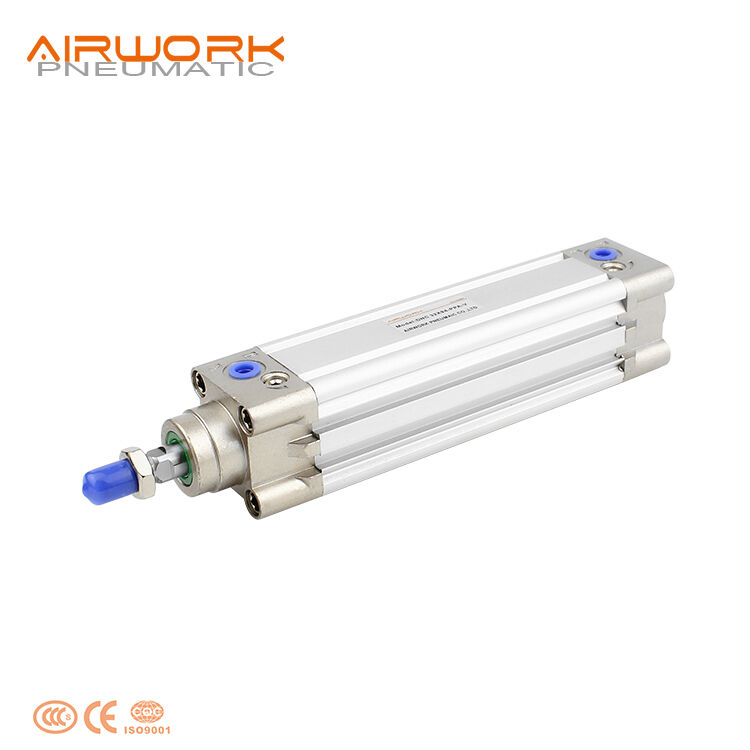
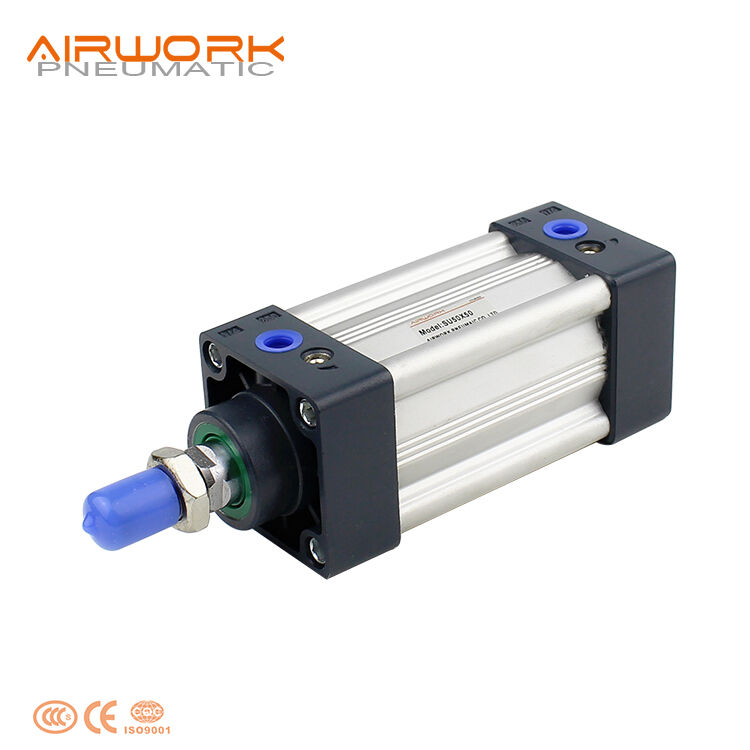
Basic knowledge of pneumatic air cylinders

25

Feb

Basic knowledge of pneumatic air cylinders

View More
Air Source Treatment Unit:The

25

Feb

Air Source Treatment Unit:The "Guardians" and Core Components of Pneumatic Systems

View More

Get a Free Quote

Our representative will contact you soon.
Email
Name
Company Name
Message
0/1000

pneumatic hoses and fittings

Superior Pressure Resistance and Durability Engineering

Superior Pressure Resistance and Durability Engineering

The exceptional pressure resistance and durability engineering of pneumatic hoses and fittings represent a cornerstone advantage that directly impacts operational reliability and cost-effectiveness. Modern pneumatic hoses are constructed with multiple reinforcement layers, typically featuring high-tensile strength synthetic fibers or steel wire braiding that prevents expansion and potential failure under extreme pressure conditions. This sophisticated construction allows pneumatic hoses and fittings to handle working pressures ranging from 150 to 300 PSI, with burst pressures often exceeding 1000 PSI, providing substantial safety margins for demanding applications. The durability extends beyond pressure resistance to encompass resistance against abrasion, chemicals, and environmental factors that commonly cause premature failure in industrial settings. Advanced rubber compounds used in premium pneumatic hoses incorporate additives that resist ozone cracking, UV degradation, and temperature cycling, ensuring consistent performance across seasons and varying operating conditions. The fittings complement this durability through precision manufacturing using corrosion-resistant materials such as brass, stainless steel, or specialized coated metals that maintain sealing integrity over thousands of connection cycles. This engineering excellence translates to reduced maintenance costs, minimized system downtime, and enhanced workplace safety. Users benefit from predictable service life expectations, allowing for planned maintenance schedules rather than reactive repairs. The robust construction of pneumatic hoses and fittings also enables them to withstand the mechanical stresses associated with mobile applications, where hoses may be dragged across rough surfaces or subjected to repeated flexing. Industrial facilities particularly value this durability in applications involving automated machinery, where component failure can halt entire production lines. The long-term reliability of properly engineered pneumatic hoses and fittings ultimately results in lower total cost of ownership, making them an intelligent investment for businesses prioritizing operational efficiency and equipment longevity.
Versatile Quick-Connection Technology for Enhanced Productivity

Versatile Quick-Connection Technology for Enhanced Productivity

The innovative quick-connection technology integrated into modern pneumatic hoses and fittings revolutionizes workplace efficiency by enabling rapid tool changes and system reconfigurations without requiring specialized tools or extensive training. This technology employs spring-loaded mechanisms and precision-machined coupling surfaces that create secure, leak-free connections within seconds, dramatically reducing the time required for equipment setup and changeover procedures. Quick-connect pneumatic hoses and fittings feature standardized interfaces that ensure compatibility across different manufacturers and tool types, eliminating the frustration and delays associated with mismatched components. The ergonomic design of these connectors allows single-handed operation, enabling workers to connect and disconnect tools while maintaining control of their work pieces or supporting structures. This functionality proves particularly valuable in assembly line operations, automotive repair, and construction applications where time efficiency directly impacts productivity and profitability. The reliability of quick-connect pneumatic hoses and fittings extends to their sealing performance, utilizing O-ring technology and precision tolerances to prevent air leaks that waste energy and reduce tool performance. Advanced designs incorporate automatic shutoff valves that close immediately upon disconnection, preventing air loss and maintaining system pressure for the next connection. This feature not only conserves energy but also enhances safety by reducing the risk of high-pressure air discharge that could cause injury or property damage. The durability of quick-connect mechanisms withstands thousands of connection cycles without degradation, making them suitable for high-frequency applications in busy workshops and manufacturing facilities. Maintenance requirements remain minimal, typically involving only periodic cleaning and occasional lubrication of moving parts. The versatility of quick-connect pneumatic hoses and fittings accommodates various hose sizes and pressure ratings, allowing standardization across diverse applications within a single facility. This standardization simplifies inventory management, reduces training requirements, and ensures that workers can efficiently operate any pneumatic tool regardless of their primary job function.
Optimal Air Flow Performance and Energy Efficiency Design

Optimal Air Flow Performance and Energy Efficiency Design

The optimal air flow performance and energy efficiency design of premium pneumatic hoses and fittings directly contribute to reduced operating costs and enhanced tool performance through advanced internal geometry and material selection. The smooth interior surfaces of high-quality pneumatic hoses minimize friction losses that occur as compressed air travels from the source to the application point, ensuring maximum power delivery to pneumatic tools and equipment. This smooth bore construction, achieved through specialized manufacturing processes, reduces pressure drop across long runs and multiple fittings, maintaining consistent performance even in complex distribution systems. The internal diameter optimization of pneumatic hoses and fittings ensures adequate air flow volume while minimizing material usage and system weight, creating an ideal balance between performance and practicality. Advanced computational fluid dynamics modeling guides the design of fitting geometries to minimize turbulence and flow restrictions that waste compressed air energy. The energy efficiency benefits extend to the overall compressed air system, as properly sized pneumatic hoses and fittings reduce the workload on air compressors, resulting in lower electricity consumption and reduced wear on compression equipment. Strategic selection of hose materials contributes to energy efficiency through reduced thermal conductivity, helping maintain air temperature and preventing condensation that could impair tool operation or cause corrosion in system components. The flexibility characteristics of modern pneumatic hoses eliminate the need for excessive fittings and sharp bends that create flow restrictions, allowing for cleaner installation routes and improved system performance. Quality pneumatic hoses and fittings incorporate anti-static properties that prevent electrical buildup while maintaining optimal flow characteristics, addressing safety concerns without compromising efficiency. Regular performance monitoring capabilities built into advanced systems enable users to identify efficiency losses early, allowing for preventive maintenance that maintains peak performance throughout the equipment lifecycle. The cumulative effect of these design optimizations results in measurable energy savings that can justify the initial investment in quality pneumatic hoses and fittings through reduced utility costs, improved tool performance, and extended equipment life.

Get a Free Quote

Our representative will contact you soon.
Email
Name
Company Name
Message
0/1000