Premium Pneumatic Fittings Push to Connect - Tool-Free Installation & Superior Sealing Performance

All Categories

pneumatic fittings push to connect

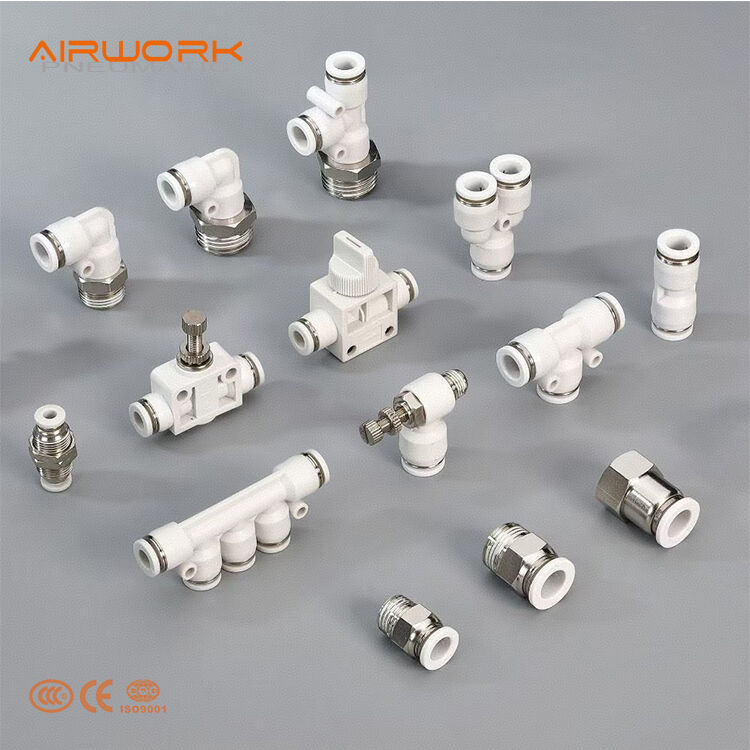
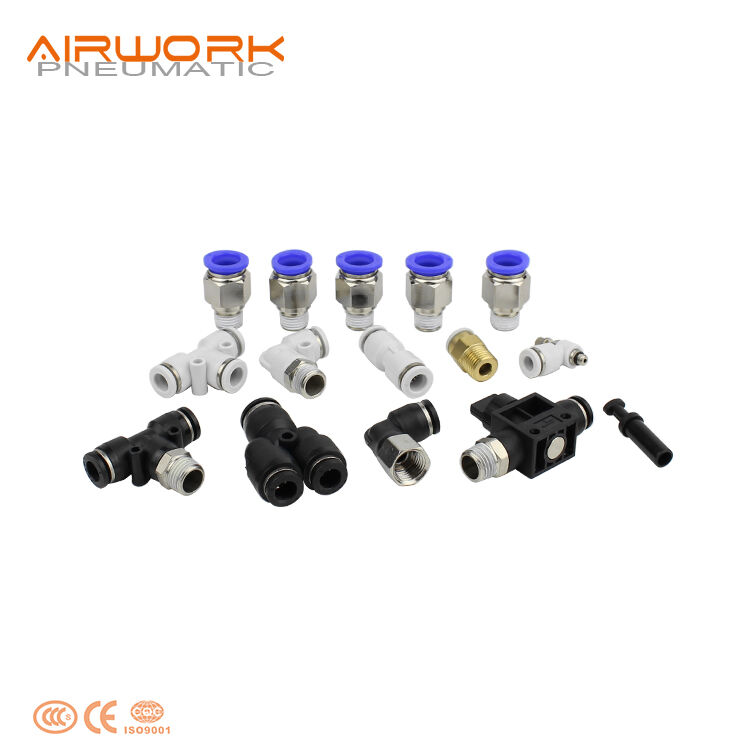
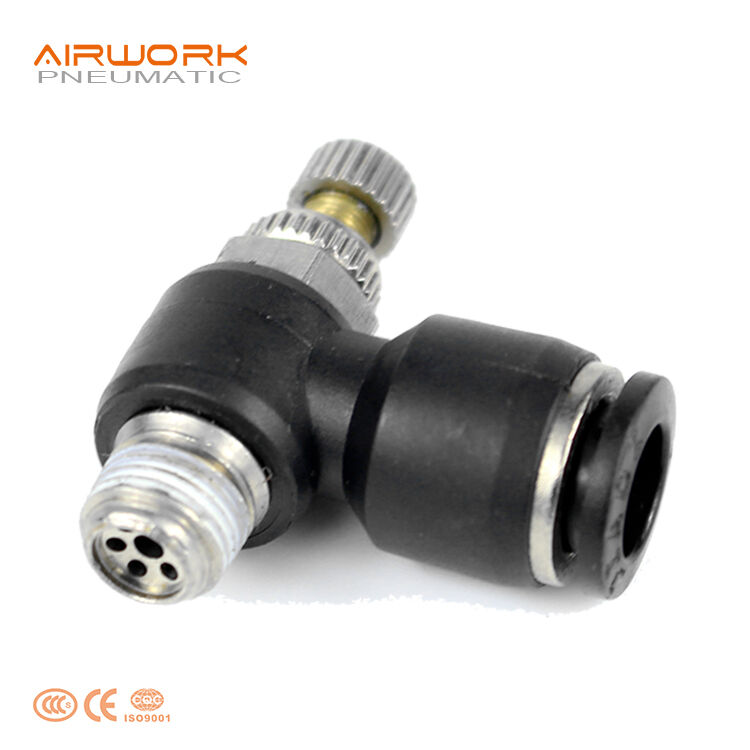
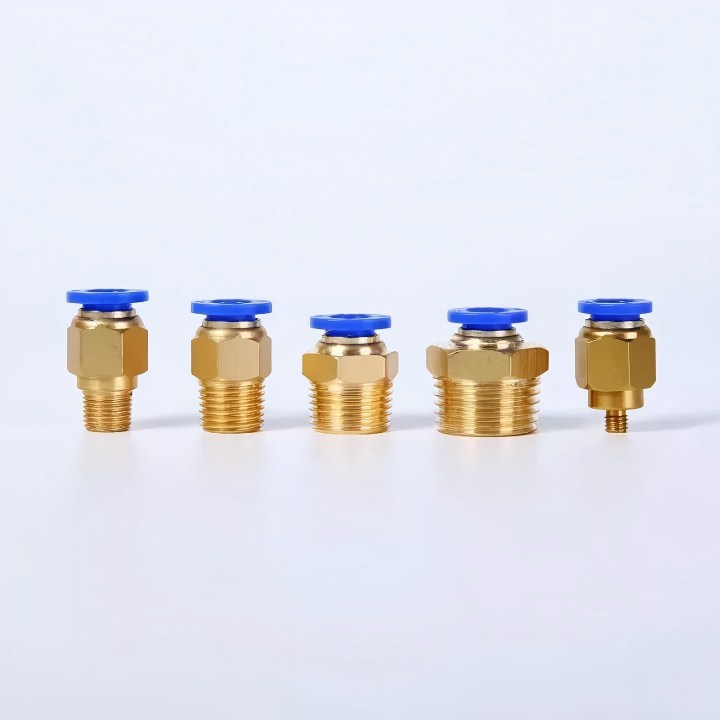
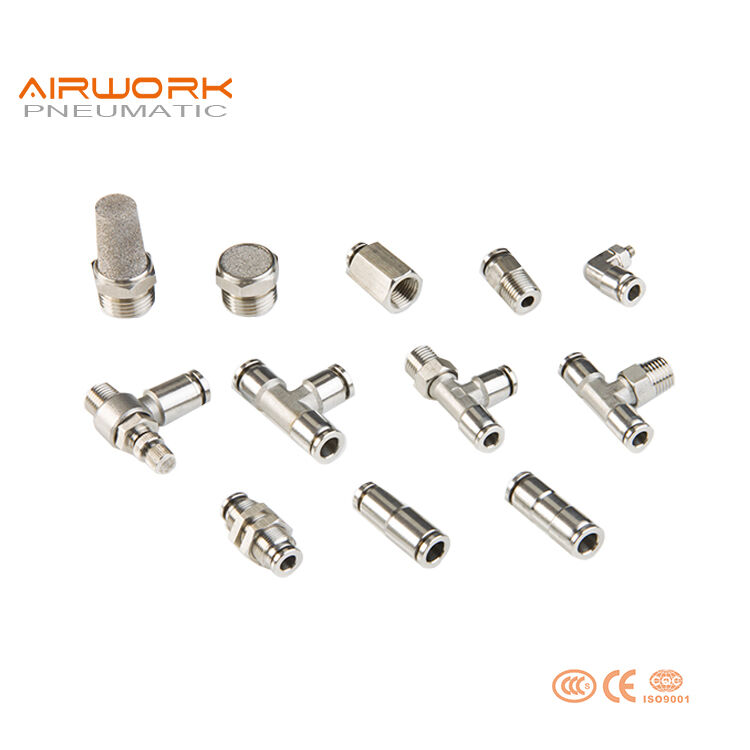
Pneumatic fittings push to connect represent a revolutionary advancement in compressed air system connectivity, offering seamless integration for industrial automation and pneumatic applications. These innovative connectors utilize a simple push-in mechanism that eliminates the need for traditional threaded connections or specialized tools, making them the preferred choice for modern manufacturing environments. The core functionality revolves around an internal collet system that grips tubing securely when inserted, creating an airtight seal capable of withstanding high-pressure pneumatic operations. The technological design incorporates precision-engineered components including stainless steel collets, EPDM or NBR sealing rings, and durable polymer bodies that resist corrosion and chemical degradation. These pneumatic fittings push to connect feature instant connection capabilities, allowing operators to establish secure joints by simply pushing tubing into the fitting until it clicks into place. Release mechanisms typically involve pressing a colored collar or button to disengage the collet, enabling quick disconnection without tools. Applications span across diverse industries including automotive manufacturing, food processing, pharmaceutical production, packaging machinery, and robotics systems. The versatility extends to various tubing materials such as polyurethane, polyethylene, nylon, and PTFE, accommodating different environmental requirements. Temperature ratings typically range from negative forty to positive eighty degrees Celsius, while pressure capabilities often exceed ten bar for standard configurations. The fittings support multiple port configurations including straight, elbow, tee, and cross arrangements, providing design flexibility for complex pneumatic circuits. Quality pneumatic fittings push to connect undergo rigorous testing for leak integrity, pull-out resistance, and cycling durability to ensure reliable long-term performance in demanding industrial applications.

Popular Products

The primary advantage of pneumatic fittings push to connect lies in their exceptional installation efficiency, dramatically reducing assembly time compared to conventional threaded fittings. Workers can establish secure connections in seconds without requiring wrenches, thread sealant, or specialized training, leading to significant labor cost savings and improved productivity. This simplicity translates into reduced human error during installation, as the intuitive push-in mechanism eliminates concerns about proper thread engagement or over-tightening. The instant connection capability proves invaluable during maintenance operations, allowing technicians to quickly disconnect and reconnect pneumatic lines for equipment servicing or system modifications. These fittings deliver superior leak prevention through their precision-engineered sealing systems, often outperforming traditional threaded connections that may suffer from improper installation or degraded thread sealant over time. The internal collet design distributes gripping force evenly around the tubing circumference, preventing stress concentrations that could lead to premature tube failure or connection loosening under vibration. Pneumatic fittings push to connect offer excellent reusability, maintaining their sealing integrity through multiple connection cycles without requiring replacement of sealing elements or applying fresh thread compound. This reusability factor provides long-term cost benefits and supports sustainable manufacturing practices by reducing consumable material usage. The compact design of these fittings saves valuable space in pneumatic panels and manifolds, enabling higher circuit density and more efficient equipment layouts. Their lightweight construction reduces overall system weight, particularly beneficial in mobile equipment and robotic applications where mass optimization impacts performance. The visual confirmation of proper insertion provides operators with immediate feedback, ensuring reliable connections and reducing the likelihood of system failures due to incomplete assembly. Additionally, these fittings accommodate slight tubing misalignment during installation, offering greater tolerance than rigid threaded connections and simplifying complex routing scenarios in tight spaces.

Tips And Tricks

Pneumatic fittings used in water

25

Feb

Pneumatic fittings used in water

View More
Basic knowledge of pneumatic air cylinders

25

Feb

Basic knowledge of pneumatic air cylinders

View More
Air Source Treatment Unit:The

25

Feb

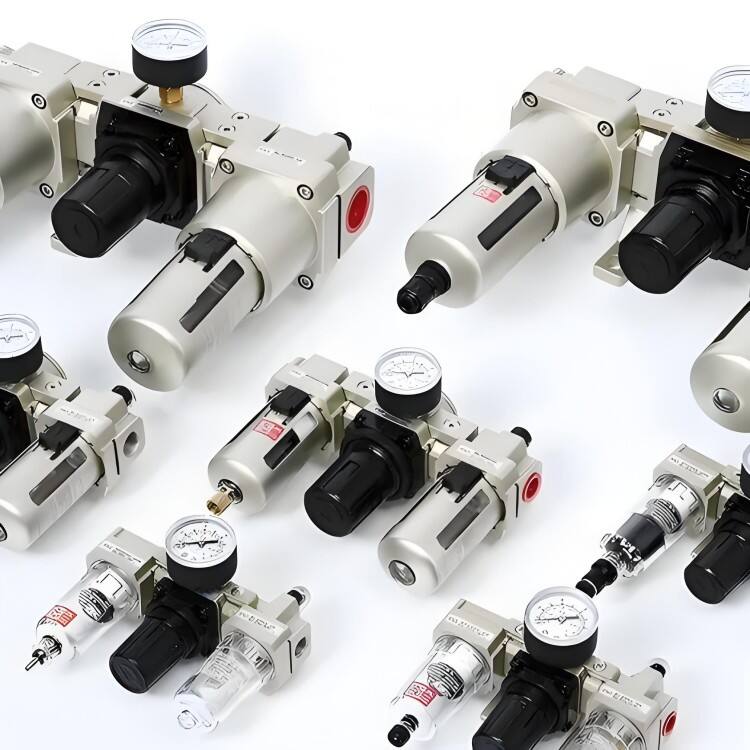
Air Source Treatment Unit:The "Guardians" and Core Components of Pneumatic Systems

View More

Get a Free Quote

Our representative will contact you soon.
Email
Name
Company Name
Message
0/1000

pneumatic fittings push to connect

Tool-Free Installation and Maintenance Efficiency

Tool-Free Installation and Maintenance Efficiency

The revolutionary tool-free design of pneumatic fittings push to connect transforms traditional pneumatic system assembly and maintenance practices, delivering unprecedented operational efficiency across industrial applications. Unlike conventional threaded fittings that require multiple tools, thread sealants, and skilled technicians, these innovative connectors enable any operator to establish secure pneumatic connections through a simple push-in action. The internal mechanism features a precision-engineered collet system that automatically grips the inserted tubing, creating an immediate mechanical lock combined with a pressure-activated seal that strengthens under system pressure. This automatic engagement eliminates the guesswork associated with proper torque application in threaded systems, where over-tightening can damage components while under-tightening leads to leaks and system failures. The time savings prove substantial in large-scale installations where hundreds of connections might be required, with each pneumatic fitting push to connect installation taking mere seconds compared to minutes required for threaded alternatives. Maintenance operations benefit equally, as technicians can quickly disconnect pneumatic lines for equipment access, perform necessary repairs, and reconnect systems without carrying tool kits or worrying about proper reassembly procedures. The elimination of thread sealant application removes a common source of contamination in sensitive applications like food processing or pharmaceutical manufacturing, where residual sealant compounds could compromise product purity. Quality pneumatic fittings push to connect incorporate visual and tactile confirmation mechanisms, often including colored release collars and audible click sounds that indicate proper insertion depth, providing operators with immediate feedback about connection integrity. This user-friendly design reduces training requirements for new personnel while minimizing installation errors that could lead to costly system downtime or safety hazards. The tool-free advantage extends beyond initial installation to include field modifications and emergency repairs, where quick disconnection capabilities enable rapid system reconfiguration without extensive downtime for tool gathering or complex disassembly procedures.
Superior Seal Integrity and Pressure Performance

Superior Seal Integrity and Pressure Performance

The advanced sealing technology incorporated in pneumatic fittings push to connect delivers exceptional pressure containment and leak prevention capabilities that often surpass traditional threaded connections in real-world applications. The multi-stage sealing system typically combines an O-ring or sealing washer with the mechanical grip of the collet mechanism, creating redundant barriers against pressure loss that maintain integrity throughout the fitting's operational life. Unlike threaded connections that rely heavily on thread sealant application technique and proper torque values, these push-connect fittings achieve consistent sealing performance regardless of installer skill level or experience. The pressure-activated design actually improves sealing force as system pressure increases, with the pneumatic pressure helping to expand sealing elements more firmly against mating surfaces. This characteristic proves particularly valuable in applications with varying pressure conditions, where traditional threaded fittings might experience micro-leaks as connections work loose under pressure cycling. Premium pneumatic fittings push to connect undergo extensive testing protocols including pressure cycling, temperature variation, and vibration exposure to verify long-term sealing integrity under demanding operational conditions. The materials used in sealing elements, typically EPDM, NBR, or specialized compounds for chemical resistance, resist degradation from compressed air contaminants, moisture, and temperature variations that commonly affect traditional gasket materials. Testing data frequently demonstrates leak rates well below industry standards, with many quality fittings achieving zero detectible leakage at rated working pressures throughout their design life. The uniform stress distribution achieved by the collet gripping mechanism prevents stress concentrations on tubing walls that could lead to deformation or cracking over time, maintaining seal integrity throughout multiple pressure cycles. This superior pressure performance translates into improved system efficiency, reduced energy waste from air leaks, and enhanced reliability for critical pneumatic applications where pressure loss could compromise operational safety or production quality. The consistent sealing performance also reduces maintenance requirements and extends service intervals compared to systems using conventional threaded connections that may require periodic retightening or seal replacement.
Versatile Compatibility and Application Range

Versatile Compatibility and Application Range

Pneumatic fittings push to connect demonstrate remarkable versatility in accommodating diverse tubing materials, sizes, and industrial applications, making them the preferred connectivity solution across multiple industry sectors. These fittings readily accept various tube materials including polyurethane, polyethylene, nylon, PTFE, and specialty compounds designed for specific environmental conditions such as high temperatures, chemical resistance, or food-grade applications. The universal design approach means a single fitting type can often accommodate multiple tubing materials within its size range, simplifying inventory management and reducing the need for material-specific connector varieties. Size ranges typically span from small four-millimeter tubes used in instrumentation applications up to larger twenty-five-millimeter tubes required for high-volume pneumatic systems, with intermediate sizes covering the majority of industrial pneumatic requirements. The compatibility extends beyond tube materials to include various port configurations, with pneumatic fittings push to connect available in straight, elbow, tee, cross, and specialized geometries that accommodate complex routing requirements in confined spaces. Thread options include metric, NPT, BSPT, and other regional standards, ensuring compatibility with existing pneumatic infrastructure regardless of geographic location or industry standards. Temperature rating versatility allows these fittings to function effectively in applications ranging from refrigerated food processing environments to heated manufacturing processes, with specialized variants capable of handling extreme temperature conditions outside standard operating ranges. The chemical compatibility spectrum covers exposure to various industrial fluids, cleaning agents, and process gases commonly encountered in manufacturing environments, with material certifications available for FDA-compliant food processing and pharmaceutical applications. Installation flexibility includes both panel-mount and inline configurations, supporting integration into pneumatic manifolds, control panels, and distributed pneumatic networks throughout industrial facilities. The broad application range encompasses automotive assembly lines, packaging machinery, robotics systems, medical device manufacturing, semiconductor fabrication equipment, and countless other automated production environments where reliable pneumatic connectivity proves essential for operational success. This universal compatibility reduces engineering complexity during system design phases while providing purchasing departments with standardized component options that simplify procurement and maintenance inventory management across diverse pneumatic applications.

Get a Free Quote

Our representative will contact you soon.
Email
Name
Company Name
Message
0/1000