 EN
EN

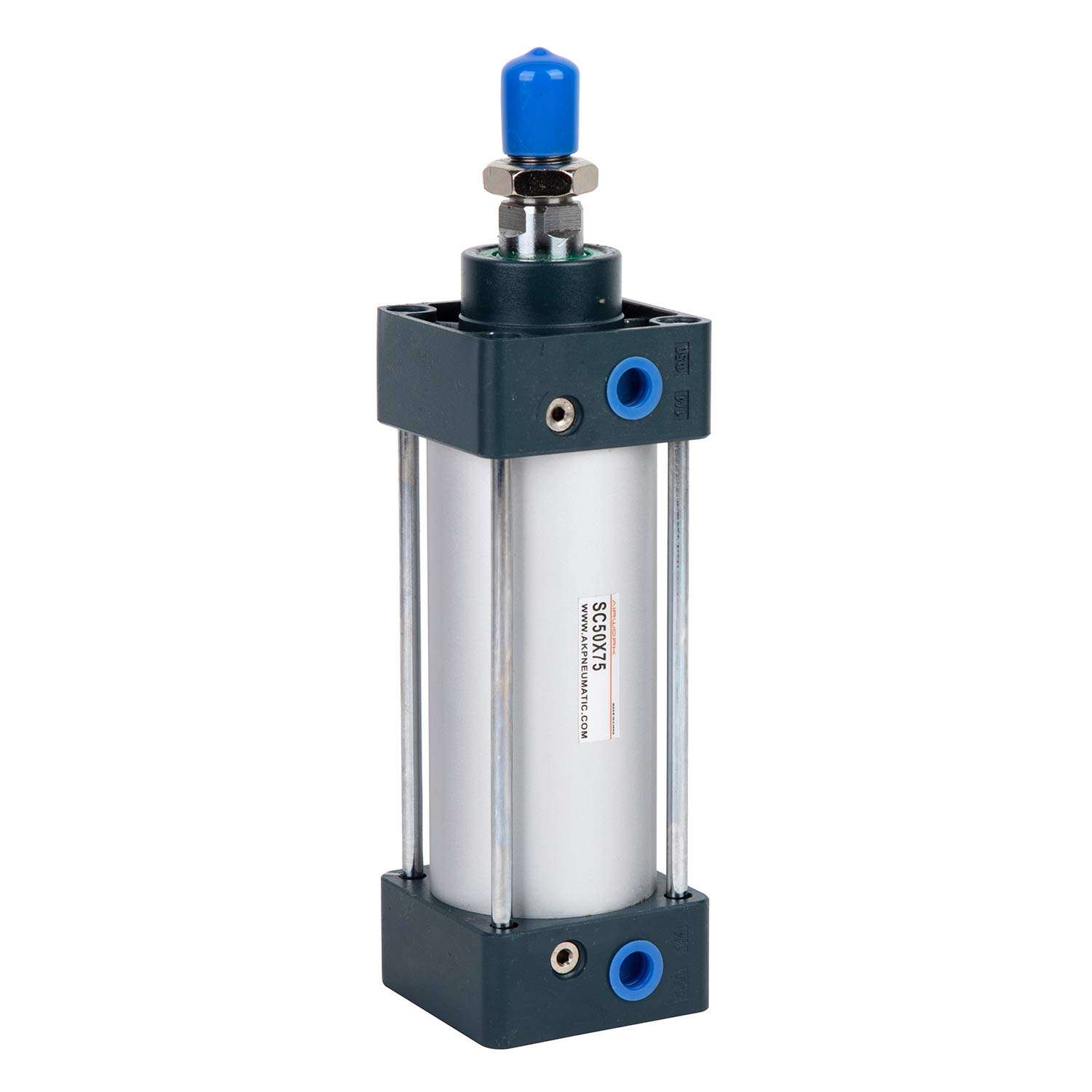
Modern automation machinery depends on a wide range of actuation technologies, but few are as widely adopted or as fundamentally reliable as the air piston. From assembly lines and packaging systems to robotic arms and material handling equipment, the air piston has become a cornerstone component in industrial automation. Understanding why engineers and system designers consistently choose this technology helps explain both its longevity and its growing relevance in today's fast-paced manufacturing environments.
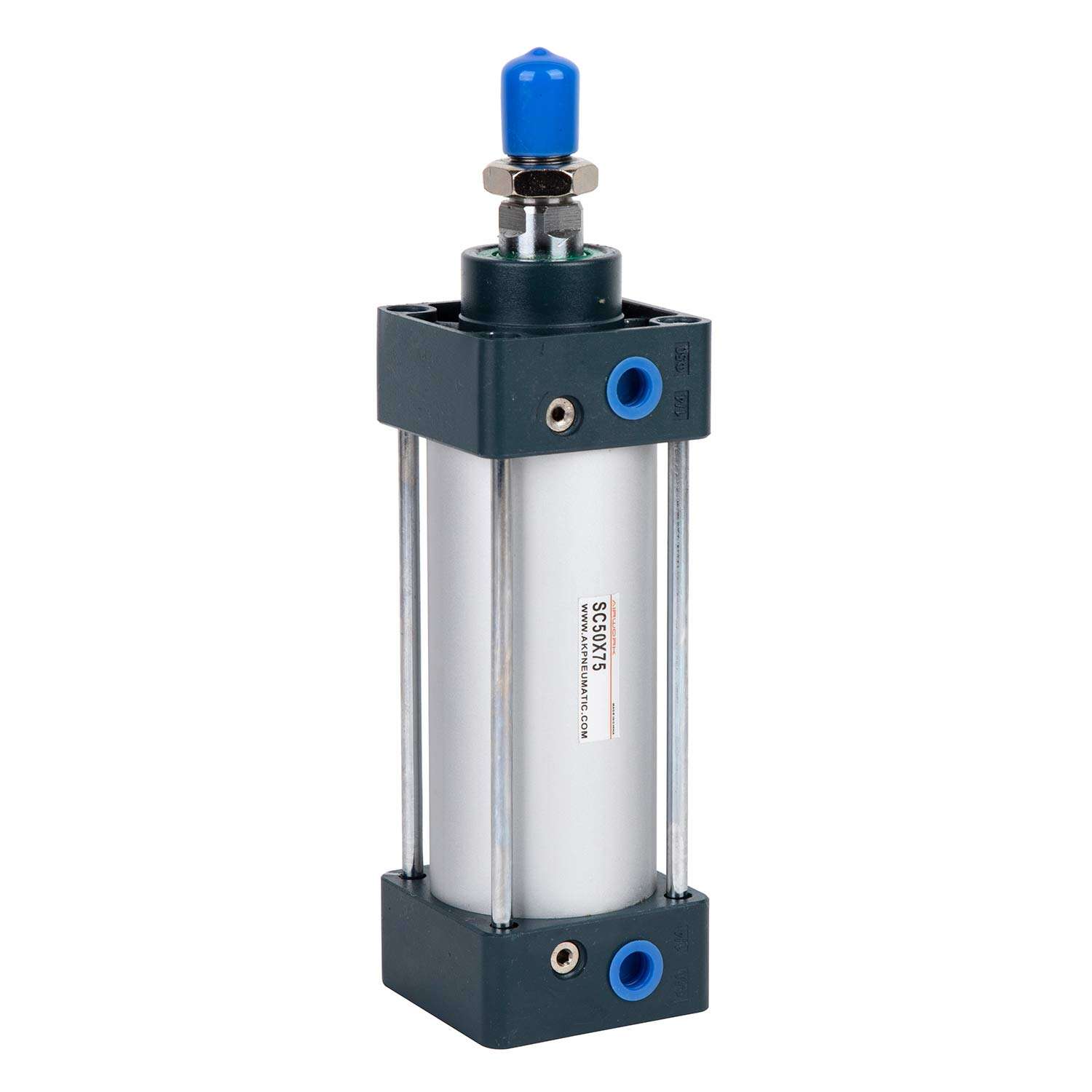
An air piston, also referred to as a pneumatic piston or pneumatic cylinder, converts compressed air energy into linear mechanical motion. This seemingly simple conversion underpins an enormous range of industrial tasks — pushing, pulling, clamping, lifting, and positioning. The reasons this technology dominates automation machinery go well beyond convenience; they are deeply tied to performance requirements, safety considerations, cost economics, and engineering simplicity that are difficult to replicate with alternative actuation methods.
The Core Functional Role of an Air Piston in Automation
Converting Compressed Air into Controlled Motion
At its most fundamental level, an air piston works by directing pressurized air into one or both sides of a cylindrical chamber, causing a piston rod to extend or retract with measurable force. This direct conversion of pneumatic energy into mechanical work is remarkably efficient for linear actuation tasks. Unlike hydraulic systems that require fluid management or electric actuators that demand complex drive electronics, the air piston achieves its function through an elegantly straightforward mechanism.
In automation machinery, precise and repeatable linear movement is critical. Whether it's ejecting a part from a mold, actuating a valve, or driving a conveyor stop, the air piston delivers consistent stroke lengths and forces cycle after cycle. The repeatability of pneumatic actuation is one of the primary engineering reasons it remains the preferred choice in high-cycle automation environments where thousands of operations per day are routine.
The ability to fine-tune air pressure also means that the force output of an air piston can be adjusted without replacing the actuator itself. Engineers can dial in the exact thrust required for a particular application simply by regulating the supply pressure, giving automation systems a level of flexibility that is both practical and cost-effective.
Supporting High-Speed Cycle Requirements
Automation machinery is often designed around cycle time optimization. The faster a machine can complete its operational sequence, the greater its throughput and economic value. An air piston is inherently capable of very rapid actuation — compressed air responds almost instantaneously to control signals, allowing the piston rod to extend and retract at speeds that are difficult to match with hydraulic or electromechanical alternatives at comparable cost.
This high-speed capability makes the air piston especially well-suited for packaging lines, stamping presses, pick-and-place systems, and other applications where the actuator must complete hundreds or even thousands of strokes per hour. Engineers designing automation systems for high-volume production consistently rely on the air piston to keep pace with production demands without introducing mechanical lag or thermal degradation.
Why Air Pistons Offer Significant Engineering Advantages
Structural Simplicity and Low Maintenance Demand
One of the most compelling reasons an air piston is chosen for automation machinery is its structural simplicity. The component count is minimal — a cylinder body, a piston, a piston rod, end caps, seals, and ports. This simplicity directly translates into lower failure probability, easier troubleshooting, and reduced maintenance downtime. In industrial environments where unplanned stoppages are extremely costly, reliability at the component level is not a luxury but a necessity.
Maintenance on an air piston typically involves periodic seal inspection and replacement, lubrication checks, and ensuring clean, dry air supply. These are well-understood tasks that maintenance technicians can perform quickly and without specialized equipment. Compared to the complexity of maintaining servo motors, hydraulic power units, or proportional valves, the pneumatic piston cylinder offers a maintenance profile that is straightforward and economically favorable over the life of the machine.
The robust nature of the air piston also means it performs consistently across a wide temperature range and in environments with vibration, dust, or moisture — conditions common in industrial settings. This environmental resilience is a practical advantage that contributes directly to its widespread use in automation machinery across diverse industries.
Safety Profile in Industrial Automation Contexts
Safety is a non-negotiable consideration in automation machinery design, and the air piston offers inherent safety advantages that other actuation technologies struggle to match. Because compressed air is non-flammable and non-toxic, pneumatic systems do not carry the fire hazard or contamination risks associated with hydraulic oil. In food processing, pharmaceutical manufacturing, and clean-room applications, this characteristic alone can determine the choice of actuation technology.
Additionally, when a pneumatic system loses pressure — whether due to a leak, valve failure, or intentional shutdown — the air piston simply stops or retracts under spring return, rather than maintaining dangerous stored energy levels. This fail-safe behavior aligns well with machine safety standards and reduces the engineering burden of designing emergency stop systems. For automation designers working toward compliance with safety norms, the predictable behavior of the air piston under fault conditions is a meaningful advantage.
Economic and Operational Reasons for Choosing Air Pistons
Lower Total Cost of Ownership Compared to Alternatives
When evaluating actuation technologies for automation machinery, the total cost of ownership matters far more than the initial purchase price. An air piston typically has a lower acquisition cost than an equivalent servo-electric actuator, and the supporting infrastructure — compressed air supply, directional control valves, fittings — is widely available, standardized, and competitively priced. This makes pneumatic systems economical to install, expand, and modify as production requirements evolve.
The long service life of a well-maintained air piston further enhances its economic value. Industrial-grade pneumatic cylinders are engineered to deliver millions of cycles before requiring significant service. When combined with low maintenance costs and the availability of standard replacement seals and components, the lifecycle cost of an air piston in automation machinery is highly competitive. For manufacturers operating at scale, these economic factors carry substantial weight in procurement decisions.
Ease of Integration into Automation Systems
Automation engineers value components that integrate cleanly into broader system architectures, and the air piston excels in this regard. Standardized mounting interfaces, ISO-compliant dimensions, and a wide range of bore sizes and stroke lengths make it straightforward to specify the right air piston for virtually any automation task. The availability of standardized components also simplifies the design process and shortens lead times for custom machine builders.
Control integration is equally straightforward. Directional control valves, flow control valves, and position sensors work seamlessly with pneumatic cylinders, allowing the air piston to be incorporated into PLC-controlled automation systems with minimal complexity. Engineers can implement precise position feedback, variable speed control, and force regulation using well-established pneumatic components and standard control logic. This interoperability makes the air piston a natural fit across a broad spectrum of automated manufacturing applications.
Application Scenarios Where Air Pistons Are Most Valuable
High-Cycle Assembly and Manufacturing Lines
Assembly and manufacturing lines that require repetitive linear actuation are ideal environments for the air piston. Tasks such as part insertion, pressing, clamping, and ejection benefit directly from the speed, repeatability, and force control that pneumatic cylinders provide. The durability of the air piston under continuous cycling ensures that production targets can be met without frequent mechanical interventions.
In automotive assembly, electronics manufacturing, and appliance production, the air piston is present at nearly every workstation. Its role ranges from simple pushing and stopping functions to more demanding clamping and guiding applications. The ability to scale air pressure to match specific force requirements allows the same basic air piston design to serve diverse tasks across a single production facility, simplifying spare parts inventory and maintenance training.
Packaging, Sorting, and Material Handling
Packaging machinery places particularly demanding requirements on actuation components because of its combination of high cycle rates, the need for gentle product handling, and the requirement for hygienic design in food-related applications. The air piston addresses all of these demands effectively. Adjustable air pressure enables gentle but consistent force application, while the clean operating medium — compressed air — satisfies hygiene requirements without additional contamination control measures.
Sorting systems and diverters in logistics and distribution centers also rely heavily on the air piston. Gate actuators, pushers, and stop mechanisms built around pneumatic cylinders operate reliably at high throughput rates, ensuring that goods are directed correctly without bottlenecks. The fast response time and simplicity of the air piston make it a preferred actuation choice in these environments where uptime and throughput are directly linked to commercial performance.
FAQ
What is the main purpose of an air piston in automation machinery?
The main purpose of an air piston in automation machinery is to convert compressed air into controlled linear mechanical motion. This enables the machine to perform tasks such as pushing, pulling, clamping, lifting, and positioning components with consistent force and speed. The air piston provides the repeatable, high-speed actuation that automation systems require to maintain throughput and precision across thousands of operational cycles.
Why is an air piston preferred over hydraulic or electric actuators in many automation applications?
An air piston is often preferred because it combines simplicity, speed, safety, and low cost in a way that is difficult to match. Hydraulic actuators carry risks related to fluid leaks and fire hazard, while electric actuators can be significantly more expensive and complex to integrate. The air piston operates cleanly, responds rapidly, requires minimal maintenance, and integrates easily into PLC-controlled systems — making it the practical choice for a wide range of industrial automation tasks.
How does the force output of an air piston get adjusted in an automation system?
The force output of an air piston is adjusted by regulating the supply air pressure. Higher pressure produces greater force on the piston rod, while lower pressure reduces thrust. Pressure regulators installed upstream of the control valve allow engineers to set and maintain the exact operating pressure required for a specific application. This makes it easy to fine-tune the air piston's performance without changing the cylinder itself, offering valuable flexibility in automation system design.
What maintenance does an air piston typically require in an industrial automation setting?
An air piston in industrial automation typically requires periodic inspection and replacement of seals, checking of lubrication if the system is internally lubricated, and verification that the compressed air supply is clean, dry, and free from contaminants. Contaminated or moisture-laden air accelerates seal wear and can cause internal corrosion. Regular preventive maintenance of the air supply system — including filters, dryers, and lubricators — significantly extends the service life of the air piston and reduces unplanned downtime.
Table of Contents
- The Core Functional Role of an Air Piston in Automation
- Why Air Pistons Offer Significant Engineering Advantages
- Economic and Operational Reasons for Choosing Air Pistons
- Application Scenarios Where Air Pistons Are Most Valuable
-
FAQ
- What is the main purpose of an air piston in automation machinery?
- Why is an air piston preferred over hydraulic or electric actuators in many automation applications?
- How does the force output of an air piston get adjusted in an automation system?
- What maintenance does an air piston typically require in an industrial automation setting?