 EN
EN

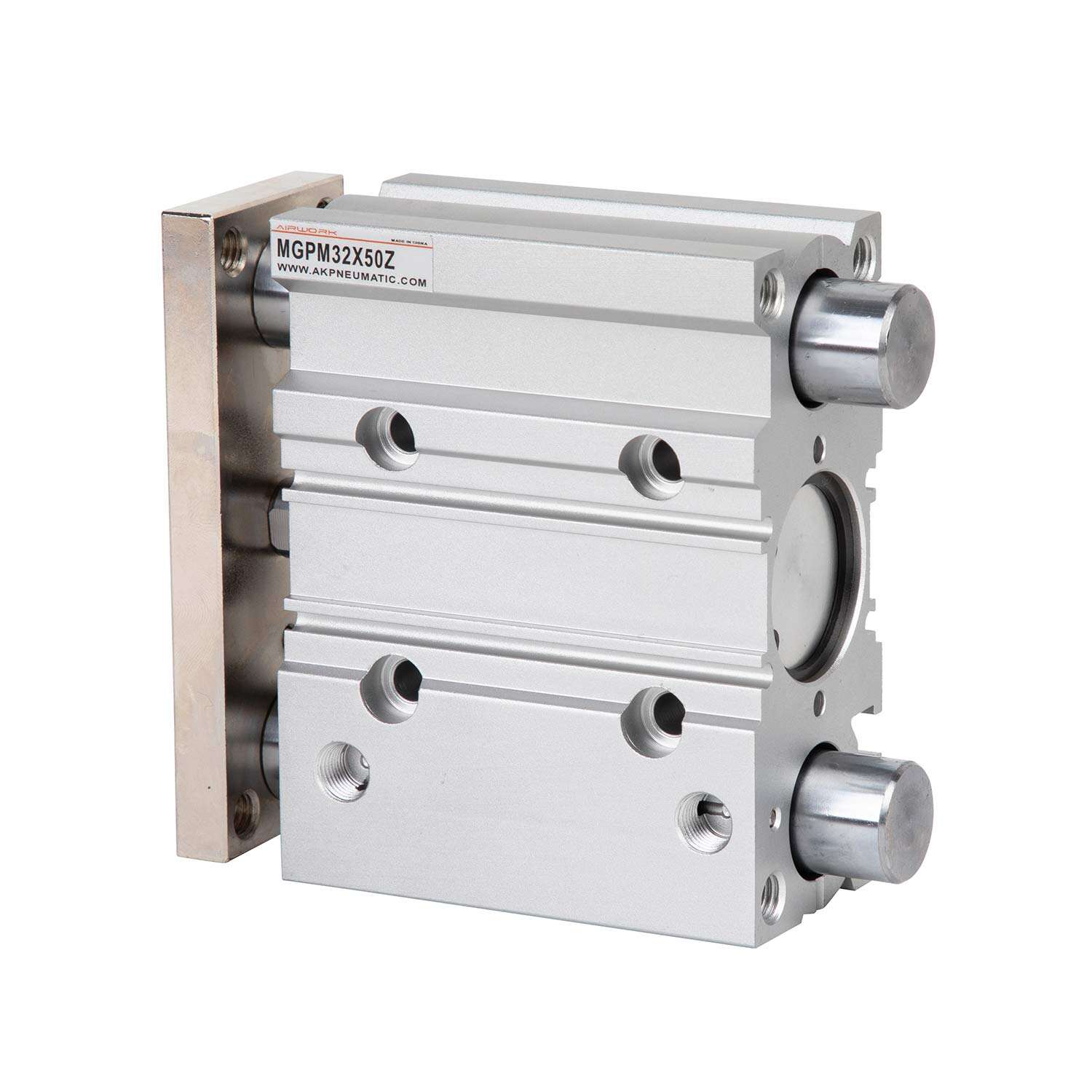
In modern industrial environments, precise and reliable linear motion is the backbone of countless automated processes. Whether it is moving components along an assembly line, actuating valves in a fluid system, or driving mechanical arms in manufacturing cells, the demand for consistent force transmission is constant. At the heart of many of these systems lies the air piston, a deceptively simple yet highly engineered component that converts compressed air pressure into controlled mechanical movement. Understanding how this device functions is essential for engineers, maintenance professionals, and procurement specialists who depend on pneumatic systems for daily operations.
The role of an air piston extends far beyond simple push-and-pull mechanics. When integrated into a well-designed pneumatic cylinder, it enables variable force output, adjustable stroke length, and responsive actuation timing — all without the complexity of hydraulic fluid management or the heat concerns associated with electric actuators. This article explores the mechanism, industrial applications, selection criteria, and maintenance considerations that define how an air piston supports motion in industrial equipment, helping you make better engineering and purchasing decisions.
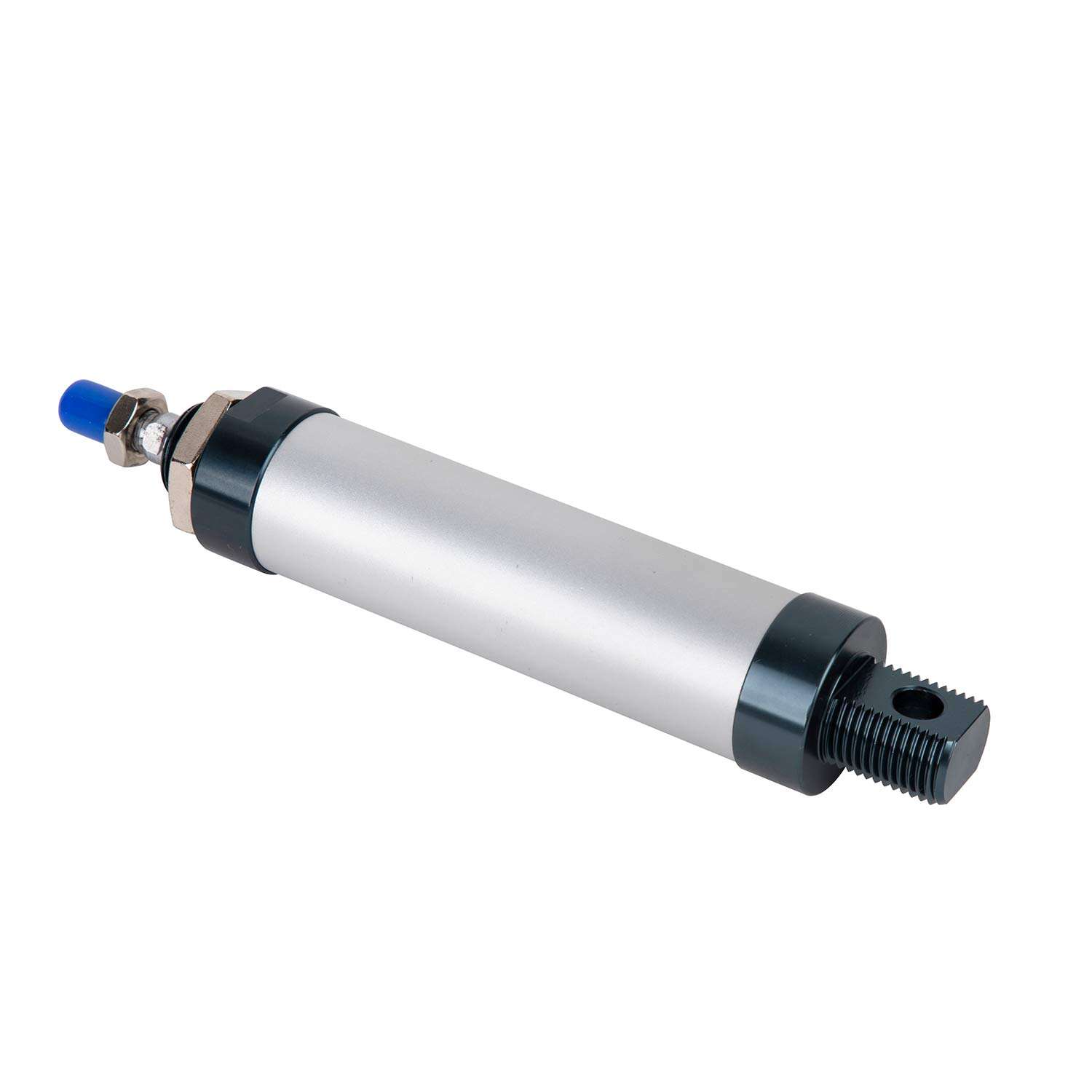
The Fundamental Mechanism of an Air Piston
Converting Compressed Air Into Linear Force
The core operating principle of an air piston is straightforward: compressed air enters a sealed cylinder chamber and acts against the surface area of the piston disc, generating a force that pushes the piston along the cylinder bore. This force is directly proportional to the air pressure applied and the effective area of the piston face. As pressure builds on one side, the piston moves in a linear direction, extending or retracting a connected piston rod that performs the actual work in the mechanical system.
The sealed chamber is divided into two sides — the cap end and the rod end — with the piston acting as a movable dividing wall. When compressed air enters the cap end, the piston rod extends; when air enters the rod end, the piston retracts. This bidirectional capability is what makes double-acting pneumatic cylinders so versatile in industrial applications. The air piston essentially transforms a pneumatic signal into a measurable, repeatable mechanical stroke.
Seals play a critical supporting role in this mechanism. O-rings and lip seals surround the piston circumference, preventing air leakage between the two chambers and maintaining the pressure differential needed to generate consistent force. The quality and material of these seals directly affect the efficiency and service life of the air piston system, particularly in environments with high cycling frequencies or temperature extremes.
The Role of Stroke Length and Bore Diameter
Two primary dimensional parameters define the performance envelope of any air piston assembly: bore diameter and stroke length. The bore diameter determines the cross-sectional area against which air pressure acts, which directly sets the maximum available force. A larger bore produces greater force at the same pressure, making bore selection critical when matching a cylinder to a specific load requirement.
Stroke length, on the other hand, determines how far the piston travels within the cylinder body. Longer strokes accommodate applications requiring extended reach or large positional displacement, while shorter strokes suit compact mechanisms with limited installation space. Engineers must balance both parameters carefully, because increasing stroke length also increases the moment load on the piston rod, which can introduce bending stress if the rod is not properly guided or supported.
The combination of bore and stroke ultimately dictates the volumetric consumption of compressed air per cycle, which has direct implications for operating cost and compressor sizing. A well-specified air piston assembly minimizes air consumption while delivering the required force and travel, contributing to both energy efficiency and system reliability in the long term.
How Air Pistons Enable Motion in Diverse Industrial Applications
Assembly Automation and Material Handling
Assembly lines in automotive, electronics, and consumer goods manufacturing rely heavily on air piston actuators to move, orient, clamp, and press components. These cylinders can execute thousands of identical strokes per shift with minimal variation, which is essential for maintaining dimensional accuracy and production throughput. The fast response time of pneumatic systems — driven by the compressibility of air — allows high-speed cycling that electric servo systems may not match at comparable cost.
Material handling equipment such as transfer slides, escapement mechanisms, and part ejectors also use the air piston as the primary motion element. In these contexts, the cylinder's stroke and force must be precisely matched to the weight and geometry of the parts being moved. Adjustable cushioning at the end of stroke prevents mechanical shock, protecting both the equipment and the workpiece from impact damage during high-cycle operation.
Clamping, Pressing, and Forming Processes
In metalworking, woodworking, and plastics processing, the air piston provides the clamping and pressing force needed to hold workpieces securely during cutting, welding, bonding, or forming operations. Unlike mechanical clamps, pneumatic clamps actuated by an air piston can be controlled remotely, integrated into automated sequences, and released instantly when the process is complete. This speeds up cycle time and reduces operator fatigue in semi-automated cells.
Press-fit and riveting operations leverage the controllable force output of the air piston to apply consistent insertion force across thousands of assemblies. Because air pressure can be precisely regulated through pressure control valves, the force delivered to the workpiece remains within defined tolerances, which is crucial for meeting quality standards in safety-critical assemblies. Force repeatability is one of the most compelling operational advantages that the air piston offers over purely mechanical or manual processes.
Valve Actuation and Flow Control
Process industries such as chemical, food and beverage, and pharmaceutical manufacturing depend on pneumatically actuated valves to regulate fluid and gas flow through pipelines. An air piston integrated into a valve actuator converts a pneumatic control signal into the opening or closing movement of a valve disc, ball, or gate. This allows remote control of process flows without direct human intervention, supporting both safety and efficiency in hazardous or sterile environments.
The fail-safe characteristics of spring-return air piston designs are particularly valued in process control. A spring-return cylinder uses compressed air to actuate in one direction and a mechanical spring to return the piston when air pressure is lost. This means that in the event of a pneumatic system failure, valves automatically move to a predetermined safe position — either fully open or fully closed — without requiring any control signal or external power.
Structural Components That Define Air Piston Performance
Cylinder Body, End Caps, and Rod Sealing
The cylinder body — also called the barrel or tube — is the primary structural housing that contains and guides the air piston throughout its stroke. Cylinder bodies are typically manufactured from aluminum alloy or stainless steel, depending on the application environment. Aluminum offers a lightweight and corrosion-resistant option for general industrial use, while stainless steel is preferred in food processing, washdown environments, or chemically aggressive atmospheres.
End caps seal the cylinder at both ends, incorporating the port connections through which compressed air enters and exits. The rod-end cap also houses the rod seal assembly, which prevents air from leaking around the piston rod as it extends and retracts. Effective rod sealing is critical not only for maintaining pressure efficiency but also for excluding contaminants from the bore interior, which could accelerate wear on the air piston and cylinder bore surface.
Piston Construction and Bearing Design
The piston itself must withstand cyclic pressure loading, side forces from misalignment, and thermal cycling without deforming or losing seal integrity. Most industrial air piston assemblies use aluminum or composite pistons with integrated seal grooves that accept replaceable O-ring or cup seal profiles. The choice of seal material — typically NBR, polyurethane, or PTFE — depends on the operating temperature range, lubrication conditions, and compatibility with any contaminants present in the compressed air supply.
Bearing wear bands or guide rings are often incorporated into the piston design to prevent direct metal-to-metal contact between the piston and cylinder bore. These low-friction elements absorb radial loads and maintain the piston's alignment within the bore, reducing seal deformation and bore scoring. In high-load or long-stroke applications, additional external rod guides or anti-rotation features may be added to support the air piston rod against bending and torsional forces that would otherwise accelerate seal and bore wear.
Selecting the Right Air Piston for Your Equipment
Force, Pressure, and Duty Cycle Considerations
Selecting an appropriate air piston begins with calculating the required output force. This involves identifying the total load the piston must move or hold, including the weight of the load, any friction in the mechanism, and dynamic forces introduced by acceleration and deceleration. Once the force requirement is established, the bore size can be selected based on the available system pressure, using the basic relationship of force equaling pressure multiplied by piston area, with a safety margin applied to account for real-world inefficiencies.
Duty cycle is equally important. An air piston operating at high cycling rates — such as 200 or more cycles per minute — generates significant internal heat from seal friction and cyclic compression. This thermal load must be managed through proper lubrication, seal material selection, and adequate cycle dwell time. Undersized or poorly specified cylinders in high-duty applications will experience accelerated seal degradation, shortened service intervals, and premature failure.
Mounting Style and Environmental Compatibility
The mounting configuration of an air piston cylinder determines how loads are transmitted to the machine structure. Common mounting options include foot brackets, flange mounts, clevis brackets, and trunnion mounts, each suited to different load directions and machine geometries. Choosing the wrong mounting style can introduce bending moments into the cylinder body, which were not accounted for in the original force calculation, potentially causing premature failure of the piston rod or cylinder body.
Environmental compatibility must also be evaluated during selection. Standard cylinders with basic seals and aluminum bodies are suitable for clean, dry environments at moderate temperatures. In washdown, food-grade, or corrosive environments, the air piston assembly should incorporate stainless steel components, FDA-compliant seal materials, and protective rod coatings. High-temperature applications may require PTFE or silicone seals in place of standard elastomers to maintain sealing performance across the full operating temperature range.
Maintenance Practices That Preserve Air Piston Reliability
Lubrication and Air Quality Management
Consistent lubrication is one of the most impactful maintenance practices for extending the service life of an air piston assembly. Many modern cylinders are designed as lube-free for their operational lifetime under normal conditions, using pre-lubricated seals and low-friction seal materials. However, in high-cycle or high-load applications, supplemental lubrication through a line lubricator integrated into the compressed air supply can significantly reduce seal friction and extend the interval between overhauls.
Air quality is equally critical. Compressed air containing moisture, particulate contamination, or oil aerosols can degrade seals, promote internal corrosion, and introduce debris that scores the cylinder bore. Installing a proper air preparation unit — comprising a filter-regulator-lubricator (FRL) assembly — upstream of every air piston installation protects the internal components and ensures that the cylinder operates within its design envelope throughout its service life.
Inspection Protocols and Seal Replacement
Regular inspection of the air piston assembly should focus on three areas: external leakage past the rod seal, internal leakage across the piston seal, and physical condition of the piston rod surface. External leakage is visible as oil film or air seepage at the rod exit point and indicates rod seal wear. Internal leakage manifests as reduced force output or slow actuation speed and suggests piston seal degradation, which allows air to bypass from the pressurized chamber to the exhaust side.
Rod surface condition directly affects seal life. A piston rod with corrosion pits, scratches, or plating damage will accelerate seal wear on every stroke. Maintaining the rod surface through protective coatings, proper storage practices, and timely replacement of damaged rods is a cost-effective strategy compared to the downtime and labor involved in repeated seal replacement. When seal replacement is necessary, using manufacturer-specified seal kits ensures dimensional compatibility with the air piston and cylinder bore tolerances.
FAQ
What is the difference between a single-acting and double-acting air piston?
A single-acting air piston uses compressed air to generate force in one direction only, with a return spring or external force returning it to its original position. A double-acting air piston uses compressed air on both sides of the piston alternately, providing powered movement in both extension and retraction directions. Double-acting designs offer greater force output and control in both stroke directions, making them more common in industrial automation applications.
How do I determine the correct bore size for an air piston cylinder?
Bore size selection starts with calculating the required thrust force, which includes load weight, friction forces, and any dynamic acceleration loads. Divide the required force by the available operating pressure to determine the minimum piston area, then select a standard bore size that meets or exceeds this area with an appropriate safety factor. Always account for the reduced effective area on the rod side of a double-acting air piston when calculating retraction force.
Can an air piston be used in high-temperature industrial environments?
Yes, an air piston can operate in elevated temperature environments provided that the seal materials and body components are selected accordingly. Standard NBR seals typically handle temperatures up to approximately 80°C, while PTFE and silicone-based seals can accommodate significantly higher temperatures. For extreme heat applications, the cylinder body material and surface treatments must also be evaluated to ensure dimensional stability and corrosion resistance under prolonged thermal exposure.
How often should the seals in an air piston cylinder be replaced?
Seal replacement intervals for an air piston depend primarily on duty cycle, operating pressure, lubrication conditions, and air quality. In well-maintained systems with clean, dry air and moderate cycling rates, seals can last several million cycles before replacement is necessary. In high-speed, high-pressure, or contaminated environments, more frequent inspection and replacement may be required. Monitoring for external leakage at the rod seal and reduced actuation force are the most reliable indicators that seal service is needed.