 EN
EN

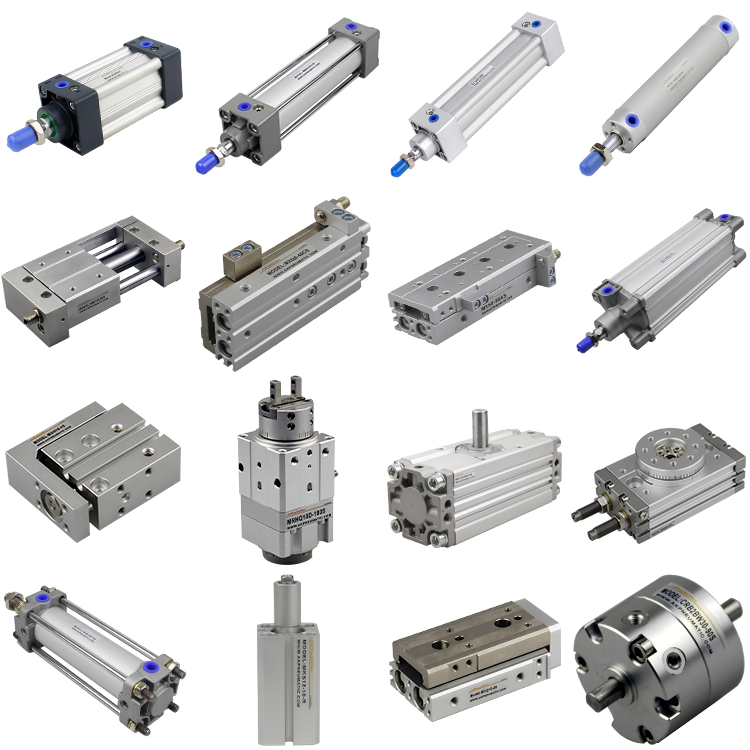
The double acting cylinder has become the backbone of modern automation equipment across manufacturing, packaging, assembly, and material handling industries. Engineers consistently specify this technology because it delivers superior performance, reliability, and operational flexibility compared to single-acting alternatives. Understanding why the double acting cylinder dominates industrial applications requires examining its mechanical principles, practical advantages, and the specific challenges it solves in automated systems.
A double acting cylinder generates force in both directions—extending and retracting—by using pressurized air or fluid to drive the piston in both directions. This bidirectional capability fundamentally changes how automation systems operate, enabling faster cycle times, more precise control, and greater design flexibility. Engineers select the double acting cylinder when they need to eliminate mechanical springs, improve response times, and simplify system architecture.
Bidirectional Force and Operational Control
Understanding Powered Extension and Retraction
The primary reason engineers specify a double acting cylinder is its ability to apply powered force during both the advance and return strokes. Unlike single-acting cylinders that rely on springs for return motion, a double acting cylinder uses pressurized fluid or air on both the rod side and cap end side of the piston. This means the double acting cylinder delivers controlled, powered motion in both directions, eliminating the variability and speed limitations associated with mechanical return springs.
In automation equipment, this bidirectional capability of the double acting cylinder directly translates to faster cycle times. When a robotic arm needs to retract quickly after performing an assembly operation, the double acting cylinder can be energized on the rod side, creating rapid, controlled motion. This powered retraction is far faster than waiting for a spring to decompress, allowing manufacturers to increase throughput and reduce production costs. The double acting cylinder ensures consistent performance across thousands of cycles without spring fatigue or wear affecting reliability.
Precision Positioning and Synchronization
Industrial automation frequently requires precise positioning and synchronized movement of multiple components. A double acting cylinder excels in this environment because both stroke directions can be independently controlled and adjusted. Engineers can program different pressure levels, flow rates, and timing sequences for extension and retraction, enabling the double acting cylinder to achieve positions that would be impossible with spring-return designs.
When multiple double acting cylinder units work together in coordinated applications—such as clamping fixtures, multi-axis material positioning systems, or complex assembly jigs—engineers can synchronize their movements electronically or through proportional valve technology. This level of control makes the double acting cylinder the preferred choice for precision manufacturing environments where tolerance and repeatability are critical success factors.
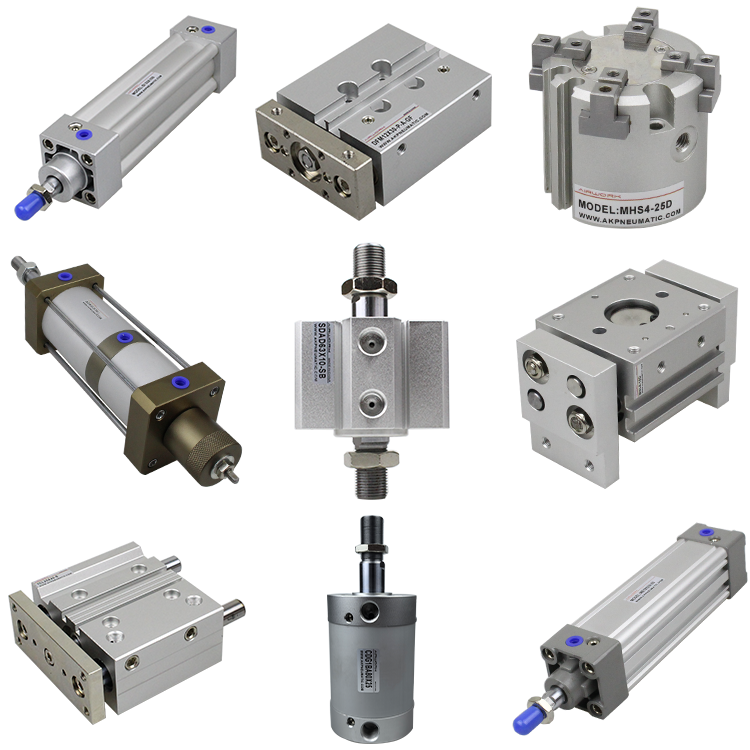
Elimination of Spring Dependencies and System Simplification
Removing Mechanical Complexity
Spring-based single-acting cylinders introduce mechanical complexity and maintenance challenges that complicate automation system design. Springs fatigue, lose preload over time, and require periodic replacement. Engineers avoid this maintenance burden by choosing a double acting cylinder, which requires no internal spring mechanism. The double acting cylinder operates entirely through pressurized fluid or air, eliminating a significant source of downtime and unpredictable performance degradation.
By specifying a double acting cylinder instead of a spring-return alternative, automation designers reduce component count, simplify assembly procedures, and lower overall system cost. The double acting cylinder requires only pneumatic or hydraulic connections—no custom spring engineering, no preload calculations, and no replacement logistics. This simplification extends to troubleshooting; when a double acting cylinder underperforms, technicians focus on pressure, flow, and valve function rather than diagnosing spring degradation.
Extended Service Life and Reduced Downtime
Manufacturing facilities depend on continuous equipment uptime, making component reliability paramount. A double acting cylinder typically outlasts spring-based alternatives because it avoids the fatigue cycles that degrade mechanical springs. The double acting cylinder's lifespan depends primarily on seal integrity and operating pressures, both of which engineers can control and monitor. Predictable maintenance intervals and clear failure modes make the double acting cylinder a dependable foundation for industrial automation.
The superior reliability of the double acting cylinder directly impacts production schedules and maintenance budgets. Fewer unexpected failures mean fewer production interruptions, lower emergency repair costs, and more predictable maintenance planning. Engineers who specify a double acting cylinder are investing in system stability and long-term operational efficiency that translates directly to competitive advantage for their organizations.
Application Versatility and Performance Optimization
Adaptability Across Industry Segments
The double acting cylinder's versatility makes it suitable for diverse automation applications spanning automotive assembly, food processing, electronics manufacturing, and packaging machinery. In each environment, the double acting cylinder adapts to unique performance requirements through adjustable pressure settings, flow control, and positioning parameters. This adaptability means equipment designers can use standardized double acting cylinder components across multiple machines and platforms, reducing inventory complexity and improving spare parts availability.
Automotive assembly lines utilize double acting cylinder technology for clamping, positioning, and material transfer operations where high-speed, synchronized motion is essential. Food processing equipment employs double acting cylinder systems in conveyor indexing and product orientation applications where hygiene and reliability are non-negotiable. The double acting cylinder's fundamental design characteristics make it equally effective across these diverse contexts, which is why engineers view it as a foundational building block for automated systems.
Performance Optimization Through Advanced Control
Modern automation systems pair double acting cylinder units with proportional valves, electronic controls, and feedback sensors to achieve motion profiles that would be impossible with mechanical alternatives. Engineers can program velocity ramping, soft landing, and multi-stage acceleration sequences using a double acting cylinder and proportional valve combination. This advanced control capability enables equipment designers to reduce mechanical shock, minimize energy consumption, and extend component life.
The double acting cylinder's compatibility with digital control systems and Industry 4.0 technologies further enhances its value in contemporary automation environments. Sensors monitor piston position, pressure, and velocity in real-time, feeding data to control systems that continuously optimize performance. This closed-loop approach using double acting cylinder feedback creates adaptive automation systems that respond to process variations and continuously improve efficiency. Engineers who understand the double acting cylinder's integration potential can design smarter, more responsive equipment that delivers competitive advantages.
FAQ
What is the main advantage of a double acting cylinder compared to a single-acting cylinder?
The primary advantage of a double acting cylinder is powered motion in both directions. While single-acting cylinders use springs for return motion, a double acting cylinder applies pressurized force in both extension and retraction, delivering faster cycle times, better control, and elimination of spring fatigue. This bidirectional capability makes the double acting cylinder superior for applications requiring speed, precision, and reliability in automated systems.
Can a double acting cylinder be used in applications where space is limited?
Yes, the double acting cylinder can be configured in compact form factors suitable for space-constrained automation equipment. Manufacturers offer flat-faced, rod-less, and mini double acting cylinder designs that fit tight spaces while maintaining performance. Engineers should specify mounting orientation, bore size, and stroke length carefully to ensure the double acting cylinder integrates properly within spatial constraints without compromising functionality or durability.
How does a double acting cylinder handle load variations during extended and retracted positions?
The double acting cylinder manages load variations through pressure differential control and valve engineering. During extension, pressure on the cap end pushes the piston outward; during retraction, pressure on the rod side pulls it back. The double acting cylinder's performance depends on properly sized valves and pressure settings that match application loads. Engineers use throttle valves and pressure regulators to ensure the double acting cylinder maintains consistent velocity and position holding regardless of external forces acting on the system.