 EN
EN

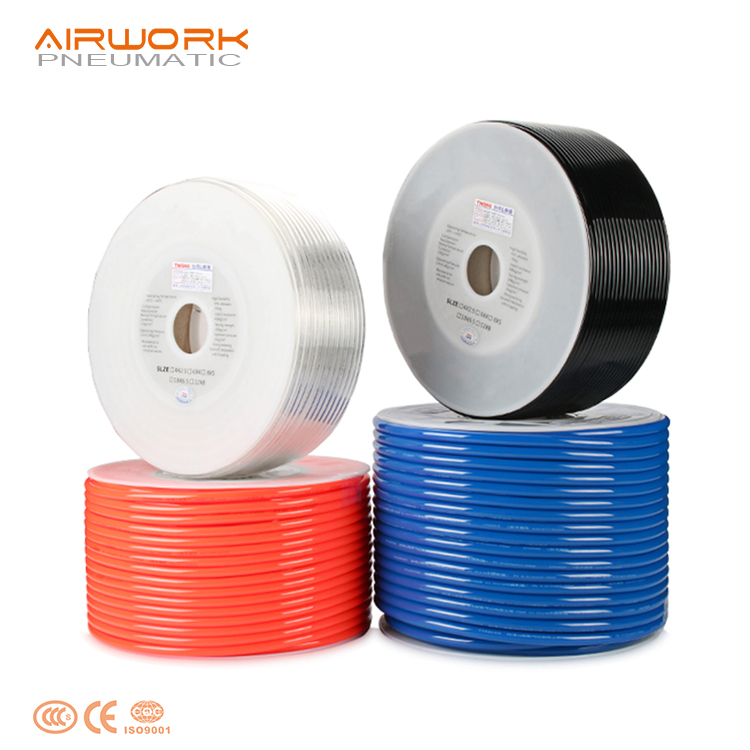
Pneumatic tubes form the backbone of compressed air distribution systems across industrial machinery and automation equipment. Understanding how pneumatic tubes ensure stable air delivery is essential for maintaining optimal performance, reducing downtime, and extending equipment lifespan. Stable air delivery through pneumatic tubes depends on proper design, material selection, installation practices, and maintenance protocols that work together to prevent pressure fluctuations, contamination, and system failures.
The reliability of pneumatic tubes in machinery environments depends on multiple interconnected factors. Pressure stability, air quality, flow consistency, and system integration all contribute to how effectively pneumatic tubes deliver compressed air without interruption. Industrial facilities that prioritize these elements experience fewer equipment failures, maintain tighter control over production processes, and realize significant cost savings in energy and maintenance expenses over time.
Pressure Stability and Regulation in Pneumatic Tubes
Managing Pressure Fluctuations Through Pneumatic Tubes
Pneumatic tubes require proper pressure regulation to maintain consistent delivery across all connected machinery. Pressure fluctuations compromise actuator precision, reduce cycle speed consistency, and can damage sensitive pneumatic components over time. Regulators installed at key points throughout pneumatic tubes networks stabilize pressure output, allowing individual machines to operate independently without affecting system-wide performance. When pneumatic tubes incorporate secondary regulators near end-use points, operators can fine-tune pressure to exact application requirements while maintaining system-wide stability.
Buffer Tanks and Volume Management
Large-capacity buffer tanks integrated with pneumatic tubes systems absorb pressure spikes and prevent rapid pressure drops during peak demand periods. These reservoirs act as capacitance elements within pneumatic tubes networks, smoothing out compressor load cycles and reducing energy consumption. Properly sized buffer tanks ensure that pneumatic tubes maintain minimum pressure thresholds even when multiple machines operate simultaneously, which is critical in high-throughput manufacturing environments where pressure dips can trigger production interruptions.
Air Quality and Filtration in Pneumatic Tubes Systems
Contamination Control Through Advanced Filtration
Compressed air traveling through pneumatic tubes carries moisture, particulate matter, and oil vapor that degrade component performance and reduce system reliability. Effective filtration strategies applied to pneumatic tubes networks remove solid particles down to micron levels, condense and eliminate moisture, and capture oil aerosols before air reaches pneumatic actuators. When pneumatic tubes incorporate multi-stage filtration systems including coalescing filters, desiccant dryers, and activated carbon units, air purity improves dramatically, extending seal life and reducing maintenance intervals across all connected machinery.
Moisture Management and Corrosion Prevention
Water accumulation inside pneumatic tubes causes internal corrosion, promotes bacterial growth, and creates sluggish actuator response due to water lock conditions. Strategic drain points positioned throughout pneumatic tubes networks allow technicians to remove condensed moisture regularly before it causes damage. Desiccant drying systems positioned upstream in pneumatic tubes installations reduce absolute humidity levels, preventing moisture formation even in humid industrial environments. When pneumatic tubes systems employ proper drying technology, corrosion-related failures decrease substantially, and all downstream components function more reliably with better response characteristics.
System Design and Installation Best Practices
Tubing Material and Diameter Selection
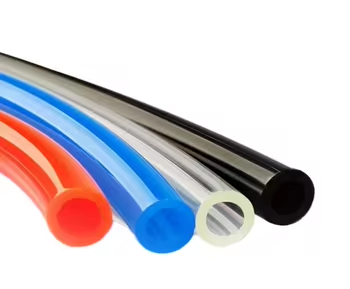
The physical properties of pneumatic tubes directly influence pressure drop, flow capacity, and system stability across machinery networks. Correctly sized pneumatic tubes prevent excessive velocity that causes turbulence and pressure loss while ensuring adequate flow volume for all connected devices. Material selection for pneumatic tubes affects chemical compatibility, temperature resistance, and long-term flexibility under constant pressure cycling. Polyurethane and nylon reinforced pneumatic tubes provide excellent performance across most industrial temperatures and resist degradation from oils and solvents common in manufacturing facilities.
Layout Optimization and Air Flow Efficiency
Strategic routing of pneumatic tubes minimizes bends, elevation changes, and unnecessary length that contribute to pressure drops and air resistance. Proper slope installation for pneumatic tubes networks—particularly descending runs toward drain points—prevents moisture pooling that would otherwise compromise air quality. When pneumatic tubes are installed with adequate support spacing and protected from mechanical damage, the system maintains structural integrity and consistent performance throughout its operational life. Careful attention to pneumatic tubes installation geometry ensures that all machinery receives stable, predictable air supply without the variability that creates production inconsistencies and component stress.
Maintenance and Monitoring Strategies
Preventive Maintenance Protocols
Regular inspection and maintenance of pneumatic tubes systems identifies potential failures before they disrupt production. Scheduled checks of filter elements, drain valves, and connection integrity within pneumatic tubes networks prevent gradual performance degradation. Technicians monitoring pneumatic tubes pressure readings can detect leaks, blockages, or regulator drift early, allowing corrective action before machinery performance suffers. Documentation of pneumatic tubes maintenance activities provides data for predictive maintenance modeling and helps facilities optimize replacement timing for worn components.
Performance Monitoring and Diagnostics
Installing pressure gauges and flow meters at strategic points throughout pneumatic tubes installations enables continuous performance monitoring and rapid fault detection. Real-time data from pneumatic tubes monitoring systems reveals whether pressure remains stable, flow rates meet specifications, and air quality stays within acceptable parameters. When pneumatic tubes systems show trending pressure drops or flow reduction, facility personnel can investigate root causes before equipment failures occur. Predictive maintenance applied to pneumatic tubes networks significantly reduces unplanned downtime and extends component lifespan by addressing degradation while it remains manageable.
Integration with Machinery and Control Systems
Matching Pneumatic Tubes Capacity to Equipment Requirements
Successful pneumatic tubes performance requires careful matching between system capacity and actual machinery demands. Undersized pneumatic tubes networks cannot deliver sufficient volume for multiple simultaneous operations, causing pressure drops that slow cycle times and reduce production throughput. Oversized pneumatic tubes installations waste energy and capital investment without delivering proportional performance gains. Properly engineered pneumatic tubes systems are designed with future expansion capacity while meeting current demand precisely, ensuring stable delivery across all connected machinery throughout the facility's growth phase.
Control Logic and Response Characteristics
The response speed and precision of machinery actuators depend directly on pneumatic tubes system characteristics including pressure stability and air delivery consistency. When pneumatic tubes maintain rock-steady pressure and deliver air without lag, control systems achieve tighter process regulation and faster machine response times. Integration of solenoid valves, proportional controllers, and feedback sensors with properly designed pneumatic tubes infrastructure enables advanced automation that would be impossible with unstable air supply. Industrial facilities using well-engineered pneumatic tubes systems report measurably improved product quality, reduced scrap rates, and higher overall equipment effectiveness compared to facilities with marginal air delivery systems.
FAQ
What causes pressure drops in pneumatic tubes systems?
Pressure drops in pneumatic tubes result from multiple factors including undersized tubing diameters, excessive friction from bends and fittings, leaks at connection points, clogged filters, and moisture accumulation in lines. Long runs of pneumatic tubes without intermediate pressure support experience cumulative pressure loss as air travels from the compressor to end-use equipment. Regular inspection and strategic placement of buffer tanks throughout pneumatic tubes networks significantly minimize these pressure drops, ensuring stable delivery to all connected machinery.
How often should pneumatic tubes filters require replacement?
Filter replacement intervals for pneumatic tubes systems depend on compressed air volume, operating hours, and ambient air quality surrounding the facility. In typical industrial environments, primary filters in pneumatic tubes networks should be inspected monthly and replaced every three to six months, while coalescing filters may need replacement every one to two months under heavy-duty conditions. Regular pressure drop monitoring across pneumatic tubes filters provides early warning that replacement is needed before contaminants damage downstream components, so facilities should track filter differential pressure as part of routine maintenance scheduling.
Can pneumatic tubes operate effectively in high-temperature environments?
Properly selected pneumatic tubes materials can function reliably even in high-temperature industrial environments, though material selection becomes critical for sustained performance. Nylon and polyurethane pneumatic tubes maintain reasonable flexibility and integrity at temperatures up to 60°C in continuous service, while specialized high-temperature tubing materials extend operating range further. Air quality becomes increasingly important in hot environments because higher temperatures accelerate moisture evaporation into the compressed air stream, so pneumatic tubes systems in warm facilities require enhanced drying and filtration to prevent water-related component failures and corrosion inside tubing runs.