 EN
EN

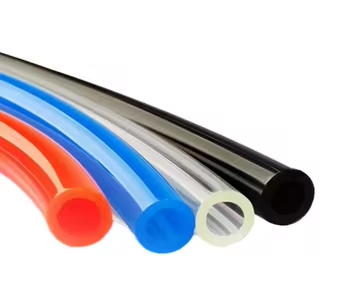
Industrial air systems form the backbone of modern manufacturing and production facilities, delivering compressed air to pneumatic tools, actuators, and control devices throughout complex workflows. The flexibility of these air systems directly impacts operational efficiency, safety, and maintenance ease across your facility. An air hose represents one of the most critical components for achieving this flexibility, as it serves as the vital link between compressors, air treatment equipment, and end-use applications. When you select the right air hose for your industrial setup, you unlock significant advantages in system responsiveness, installation versatility, and long-term reliability.
The concept of flexibility in industrial air systems extends beyond simple bending capability. A quality air hose contributes flexibility by enabling rapid reconfiguration of pneumatic layouts, reducing equipment downtime, and accommodating dynamic production changes without requiring extensive redesign. Industrial facilities often face space constraints, equipment repositioning needs, and evolving production demands that require air hoses to bend, route around obstacles, and adapt to changing floor layouts. Understanding how an air hose improves this flexibility helps facility managers, procurement teams, and operations engineers make informed decisions that enhance system performance and reduce operational friction.
Material Composition and Flexibility Benefits
Understanding Polyurethane and Synthetic Materials
Modern industrial air hose designs prioritize flexibility through advanced material selection and construction techniques. Polyurethane-based air hose products represent the leading choice for high-performance industrial applications because they combine exceptional flexibility with durability and chemical resistance. An air hose manufactured from polyurethane exhibits superior kink resistance compared to traditional rubber alternatives, allowing technicians to route tubing through tight spaces and around sharp corners without restricting airflow or creating dangerous pressure points. The material flexibility of a quality air hose translates directly into faster installation procedures, fewer routing restrictions, and simplified equipment relocation during facility updates or production line modifications.
Pressure Rating and Performance Flexibility
The pressure rating of an air hose directly influences how much operational flexibility your industrial air system can achieve. High-pressure rated air hose formulations allow system designers to operate at optimal pressures without excessive tubing diameter or weight, enabling more compact routing and easier installation in congested machine areas. When an air hose maintains performance integrity across wider pressure ranges, operators gain flexibility to adjust system pressures for different applications without replacing tubing assemblies. This adaptability reduces capital equipment costs and minimizes production interruptions caused by system reconfiguration. The wall thickness and internal construction of a premium air hose support this pressure flexibility while maintaining the bend radius characteristics that technicians require for real-world industrial deployment.
Installation Flexibility and System Design Advantages
Routing Capability and Space Optimization
Industrial facilities operate within physical constraints that make routing flexibility absolutely essential for efficient operations. An air hose with excellent bend radius capability enables facility engineers to design pneumatic systems that navigate around existing equipment, structural elements, and safety barriers without creating performance compromise or installation hazards. The flexibility of a well-engineered air hose means you can route tubing vertically, horizontally, and through complex three-dimensional paths while maintaining consistent airflow and pressure delivery to connected equipment. This routing flexibility becomes especially valuable in retrofit applications where existing infrastructure limits the available space for pneumatic distribution networks. By selecting an air hose with superior flexibility characteristics, you reduce the need for expensive elbows, adapters, and additional connection points that introduce leak risks and complexity into your industrial air system.
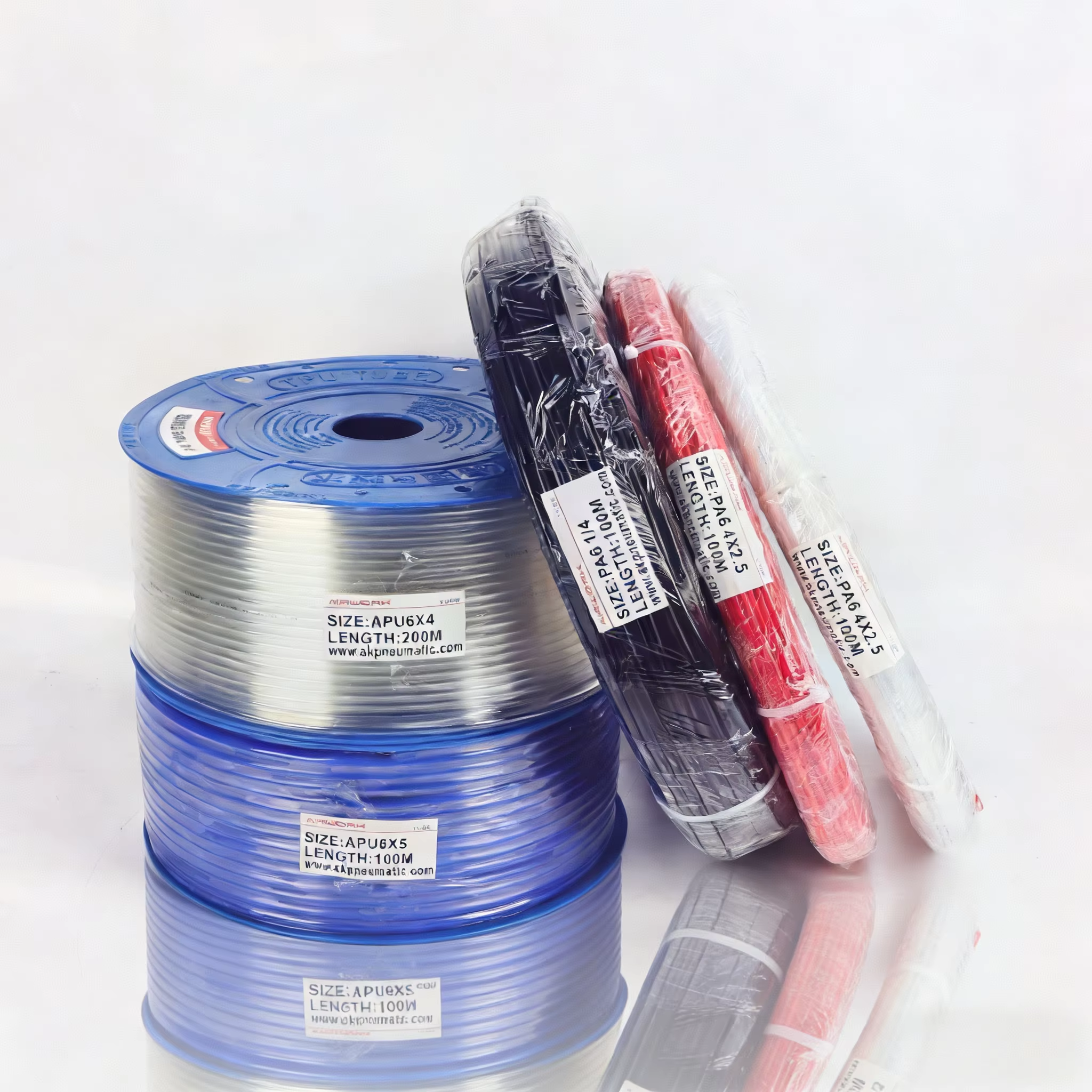
Quick Coupling Integration and Reconfiguration
The flexibility advantages of a modern air hose extend into the operational phase when production requirements change and equipment repositioning becomes necessary. An air hose assembly equipped with quick coupling connectors enables rapid connection and disconnection without requiring specialized tools or expertise from maintenance personnel. This operational flexibility means your team can quickly modify pneumatic system configurations to support different production runs, temporary equipment additions, or emergency repairs without waiting for formal air hose replacement procedures. The lightweight nature of a premium air hose, combined with its superior bend memory and durability, ensures that coupling and uncoupling operations maintain hose integrity over hundreds of connect-disconnect cycles. Facility managers value this flexibility because it directly reduces production downtime and enables more agile responses to changing operational needs.
Performance Reliability and Long-Term System Flexibility
Durability Under Dynamic Industrial Conditions
Industrial environments present unique challenges that test the flexibility and durability of air hose systems continuously. Temperature fluctuations, oil mist exposure, moisture infiltration, and mechanical abrasion all threaten the performance of pneumatic distribution networks over time. A high-quality air hose maintains its flexibility characteristics across wide temperature ranges, from cold startup conditions to elevated ambient temperatures in production zones, ensuring consistent performance regardless of seasonal variations or climate control limitations. The ozone-resistant and UV-resistant properties of premium air hose formulations prevent material degradation that would compromise bend radius performance and reliability in outdoor or semi-exposed industrial applications. When you invest in an air hose engineered for industrial durability, you preserve system flexibility throughout the equipment lifecycle, avoiding premature replacement costs and the operational disruptions associated with unexpected hose failures.
Maintenance Requirements and Operational Continuity
The flexibility advantages of a superior air hose extend into maintenance planning and operational continuity strategies for industrial facilities. An air hose designed with robust material composition and advanced construction requires less frequent inspection, cleaning, and replacement compared to traditional alternatives, reducing maintenance overhead for operations teams. The flexibility of modern air hose products means that even when routine maintenance becomes necessary, technicians can often access and service connections without requiring complete system shutdowns or extensive equipment relocation procedures. This maintenance flexibility contributes significantly to overall equipment effectiveness metrics and allows facility planners to schedule preventive maintenance during planned production downtime rather than responding to unexpected system failures. By selecting an air hose that maintains performance reliability and flexibility over extended service periods, you enhance facility productivity and reduce the total cost of ownership for your industrial pneumatic infrastructure.
FAQ
What specific bend radius should I expect from an industrial air hose?
The bend radius of an air hose depends on its construction, material composition, and pressure rating, but premium polyurethane air hose products typically achieve minimum bend radii of 2 to 4 times the outer diameter, significantly better than traditional rubber alternatives. Verify the exact bend radius specifications from your air hose manufacturer to ensure routing compatibility with your specific installation layout and equipment spacing requirements.
How does air hose flexibility impact compressed air system efficiency?
A flexible air hose reduces installation complexity and minimizes the number of connections required in your pneumatic system, which directly lowers pressure drop and energy losses across the distribution network. Improved flexibility allows straighter, more direct routing paths that enhance overall system efficiency and reduce the compressor workload required to maintain consistent pressure at end-use equipment.
Can I use a flexible air hose for both high-pressure and low-pressure applications?
Most industrial air hose products are rated for specific pressure ranges, and you should never exceed the manufacturer's maximum rated pressure for any given air hose assembly. However, premium air hose designs rated for higher pressures can generally be used safely in lower-pressure applications, providing greater flexibility across your pneumatic system architecture.