 EN
EN

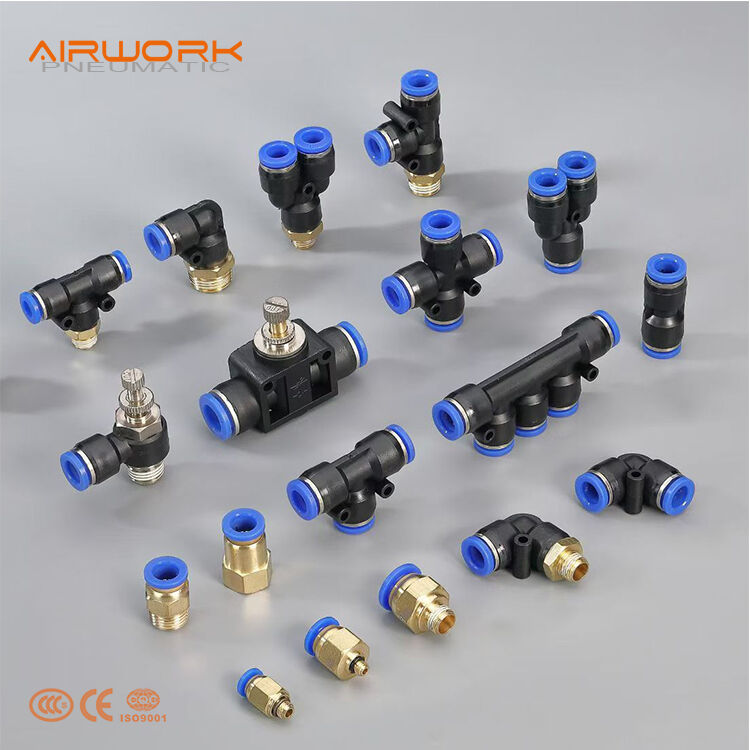
An air hose connector is one of the most fundamental yet often underappreciated components in pneumatic and compressed air systems. Whether you are working in an industrial facility, an automotive workshop, or a manufacturing plant, the ability to join, direct, and control airflow depends entirely on the reliability of this small but critical fitting. Understanding what an air hose connector is and exactly how it functions within a larger system is essential for engineers, procurement professionals, and maintenance teams who need to make informed decisions about system design and component selection.
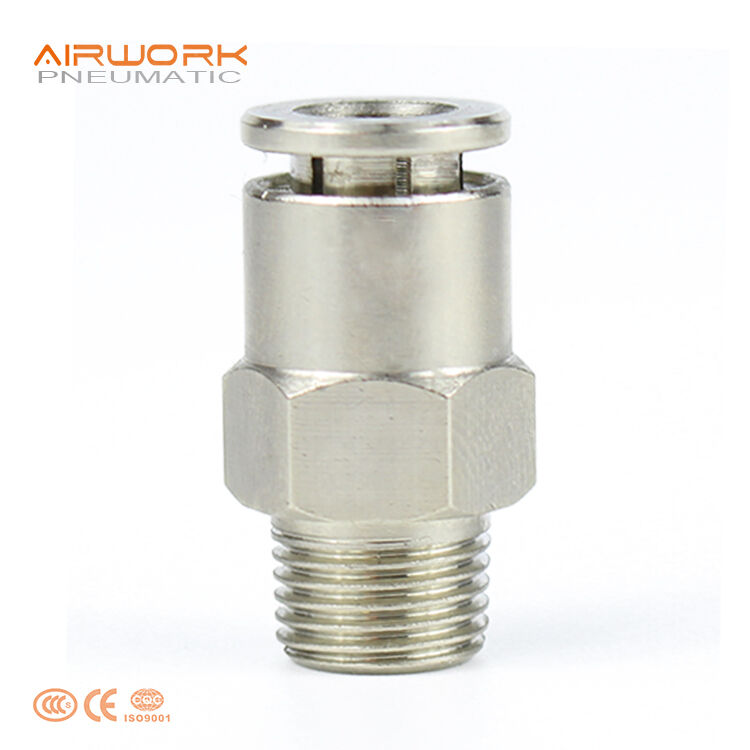
The role of an air hose connector extends far beyond simply joining two pieces of tubing together. These components govern pressure integrity, flow efficiency, and the overall safety of pneumatic systems that operate under significant mechanical stress. In modern industrial applications, the design and material quality of an air hose connector directly influence system uptime, maintenance frequency, and energy efficiency. This article explores the definition, core mechanics, functional types, and system-level implications of using the right air hose connector in your compressed air network.
Defining the Air Hose Connector in Pneumatic Systems
Core Purpose and Functional Identity
At its most basic level, an air hose connector is a mechanical fitting designed to create a secure, leak-free junction between hoses, tubes, valves, and pneumatic tools within a compressed air system. It serves as the coupling point that allows pressurized air to travel from a source — such as a compressor — through a network of tubing and ultimately to the point of use, whether that is a pneumatic actuator, spray gun, or power tool.
What distinguishes an air hose connector from a generic fitting is its engineering for repeated connect-and-disconnect cycles without compromising seal integrity. Industrial environments demand components that can withstand vibration, pressure fluctuations, and frequent manual handling. A well-designed air hose connector absorbs these operational stresses while maintaining consistent airflow performance over an extended service life.
The air hose connector also plays a role in system modularity. By enabling quick disconnections and reconnections, it allows operators to swap out tools, reroute lines, or isolate sections of a compressed air network without shutting down the entire system. This flexibility is a significant operational advantage in production environments where downtime carries a measurable financial cost.
Material Composition and Why It Matters
The material used to manufacture an air hose connector has a direct bearing on its performance characteristics. Brass is one of the most widely used materials for this application due to its excellent corrosion resistance, machinability, and ability to maintain dimensional stability under pressure cycling. Brass connectors offer reliable sealing properties and are compatible with most compressed air environments, including those where moisture or trace contaminants may be present.
Stainless steel air hose connectors are preferred in applications involving aggressive chemicals, extreme temperatures, or food-grade and pharmaceutical manufacturing environments. While more expensive than brass, stainless steel variants provide superior corrosion resistance and mechanical strength. Polymer and composite connectors, on the other hand, offer lightweight alternatives for lower-pressure applications and are common in laboratory or light industrial settings.
Regardless of material, every air hose connector must meet specific pressure ratings, temperature tolerances, and thread standards relevant to the system it will serve. Mismatched specifications are a leading cause of premature failure, air leakage, and safety hazards in pneumatic installations. Selecting an air hose connector with the correct material and rating is therefore not a secondary consideration — it is a foundational engineering requirement.
How an Air Hose Connector Works Mechanically
The Sealing Mechanism Explained
The operating principle of an air hose connector centers on creating a pressure-tight seal at the junction point. In threaded connectors, this seal is achieved through the mechanical compression of threads against a mating surface, often aided by thread sealant tape or compound to fill microscopic gaps. The tighter the thread engagement, the more effective the seal against pressurized airflow attempting to escape at the joint.
Push-in style air hose connectors, which are increasingly common in modern pneumatic systems, use a different mechanism. A collet — a ring of inward-facing teeth or gripping elements — grips the outer surface of the inserted tube when air pressure acts upon it. The harder the pressure pushes the tube outward, the tighter the collet grips, creating what is effectively a self-reinforcing seal. Releasing the tube requires manually depressing the collet to override this gripping mechanism.
An O-ring or elastomeric seal is frequently incorporated into the body of an air hose connector to provide a secondary barrier against leakage. This seal compresses against the tube or mating thread surface to close off any remaining gap. The durability of this seal element is critical — degraded O-rings are among the most common causes of air loss in aging pneumatic systems, making periodic inspection an important maintenance task.
Pressure Flow Dynamics Through a Connector
When compressed air flows through an air hose connector, the internal bore geometry directly affects the flow rate and pressure drop across the fitting. A well-designed connector maintains a bore diameter that closely matches the inner diameter of the connected hose, minimizing turbulence and pressure loss. Undersized connectors create a bottleneck effect, reducing downstream pressure and forcing the compressor to work harder to compensate — an outcome that reduces energy efficiency and increases operating costs.
Flow direction is another design consideration for specific types of air hose connectors. Straight connectors allow unobstructed linear flow, while elbow and tee configurations redirect airflow at angles to accommodate spatial constraints in system routing. Each change in flow direction introduces some degree of pressure drop, which system designers must account for when calculating total system pressure requirements.
The internal surface finish of an air hose connector also influences flow behavior. Smooth bores with minimal casting imperfections or machining marks reduce turbulent flow zones that can cause pressure variation and noise. In high-flow or high-cycle applications, these seemingly minor details accumulate into measurable differences in system efficiency and component longevity.
Types of Air Hose Connectors and Their System Roles
Threaded Connectors and Their Applications
Threaded air hose connectors are among the oldest and most widely deployed connection technologies in industrial pneumatics. Available in NPT, BSP, and metric thread standards, these connectors create a durable mechanical joint that is suitable for permanent or semi-permanent installations. They are commonly found at compressor outlets, pressure regulators, manifolds, and other stationary components in a compressed air system.
Male threaded air hose connectors feature external threads that engage with corresponding female ports on equipment bodies or adapters. This configuration is standard for connecting hoses to pneumatic cylinders, valves, and filtration units. The straightforward installation process and universal thread standards make threaded connectors a reliable and cost-effective choice for many applications, provided proper sealing technique is applied during assembly.
One practical limitation of threaded air hose connectors is that disconnecting and reconnecting them requires tools and — in most cases — system depressurization to avoid safety risks. They are therefore less suitable for applications requiring frequent tool changes or line reconfigurations. In those scenarios, quick-connect variants offer a more operationally practical solution.
Push-In and Quick-Connect Configurations
Push-in fittings represent a significant evolution in air hose connector technology. As the name implies, installation requires only the insertion of a tube into the fitting body — no tools, no thread engagement, and no additional sealing materials. The internal collet mechanism grips and seals the tube simultaneously, making push-in connectors exceptionally fast to install and reconfigure. For automation systems and machine builders that require rapid assembly and future serviceability, push-in connectors have become the preferred standard.
A high-quality air hose connector in the push-in category, such as a brass male straight push-in fitting, combines the speed of tool-free installation with the durability and pressure performance demanded in industrial environments. These fittings are available in straight, elbow, tee, and cross configurations, giving system designers substantial routing flexibility without compromising connection reliability.
Quick-connect couplings are another category of air hose connector commonly seen at the operator interface — the point where handheld tools, spray guns, or hose extensions are attached to a supply line. These couplings use a spring-loaded sleeve mechanism that snaps into a corresponding plug, creating an instant sealed connection. When the sleeve is retracted, the internal check valve closes to prevent air discharge from the supply line, which is a critical safety feature in workshop environments.
System-Level Implications of Connector Selection
Impact on System Pressure Integrity
Selecting the wrong air hose connector — whether in terms of pressure rating, thread compatibility, or bore size — can undermine the integrity of an entire compressed air system. Leakage at connector points is one of the most significant sources of energy waste in industrial facilities. Studies in the field of industrial energy efficiency consistently identify compressed air leakage as a primary inefficiency, with connector and joint failures being disproportionately responsible.
A single failing air hose connector in a high-pressure line can cause downstream pressure drops that affect the performance of actuators, cylinders, and pneumatic tools throughout the system. In manufacturing environments where process consistency is tied to precise pressure delivery, this kind of performance degradation translates directly into product quality issues. Maintaining connector integrity is therefore as much a quality control measure as it is a maintenance activity.
Pressure cycling — the repeated rise and fall of system pressure during normal operation — subjects air hose connectors to mechanical fatigue over time. Connectors that are rated for static pressure but not dynamic cycling may exhibit seal degradation earlier than expected. Specifying connectors with dynamic pressure ratings appropriate to the application ensures that the chosen air hose connector will perform reliably throughout its intended service life.
Maintenance and Replacement Considerations
A sound maintenance strategy for any compressed air system must include regular inspection and timely replacement of the air hose connector components. Visual inspection can reveal early signs of corrosion, thread wear, cracked bodies, or compromised seals before these issues progress to full leakage events. Non-contact leak detection methods, such as ultrasonic detectors, can identify pressurized air escaping from connector joints that appear visually intact.
Replacement intervals for air hose connectors depend on operating conditions, cycle frequency, and environmental factors such as temperature extremes or chemical exposure. In high-cycle automation applications, connector inspection should be incorporated into routine preventive maintenance schedules. Proactive replacement of aging connectors is consistently more cost-effective than responding to unexpected system failures that halt production.
When replacing an air hose connector, it is important to source components that match the original specification in thread type, bore size, pressure rating, and material. Substituting with a connector of lower specification — even temporarily — introduces risk to system performance and operator safety. Standardizing on a single connector specification across a system also simplifies inventory management and reduces the likelihood of installation errors.
FAQ
What is the difference between an air hose connector and an air hose coupling?
While the terms are sometimes used interchangeably, an air hose connector typically refers to a fitting that permanently or semi-permanently joins hose sections or connects a hose to a port, whereas an air hose coupling usually refers to a quick-connect device that allows rapid tool changes. Both serve the same broad purpose of linking components in a compressed air system, but their specific mechanics and application contexts differ significantly.
How do I know if an air hose connector is the right size for my system?
The correct air hose connector size is determined by matching the connector's bore diameter to the inner diameter of the hose or tube it will connect, and ensuring the thread type and size match the port or mating fitting. Undersized connectors restrict airflow and reduce system efficiency, while oversized connectors may not seat properly and can compromise seal integrity. Always reference the manufacturer's specifications and verify compatibility before installation.
Can an air hose connector be reused after disconnection?
In most cases, yes — quality air hose connectors, especially push-in and quick-connect types, are designed for multiple connect-and-disconnect cycles without loss of performance. However, the number of reuse cycles is finite, and repeated use in harsh conditions may accelerate wear on the collet, O-ring, or sealing surfaces. It is good practice to inspect an air hose connector for visible wear or damage each time it is reconnected, and to replace it if any degradation is observed.
What causes an air hose connector to leak, and how can it be prevented?
Common causes of air hose connector leakage include degraded O-rings or seals, cross-threaded or under-torqued threaded connections, incompatible tube or hose sizes, and physical damage to the connector body. Prevention involves selecting the correct connector specification, using appropriate sealing materials for threaded connections, inspecting seals during installation, and following manufacturer torque guidelines. Regular system audits to detect early-stage leakage allow for timely intervention before minor issues escalate into costly failures.